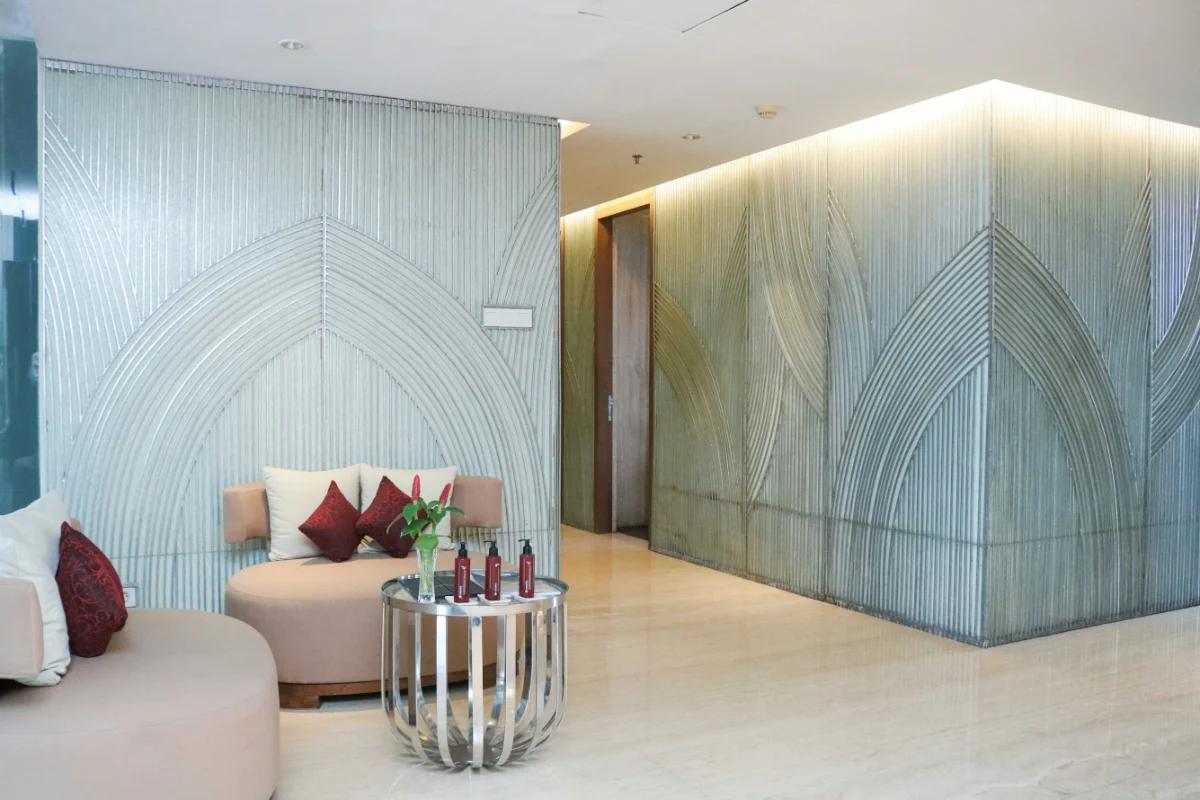
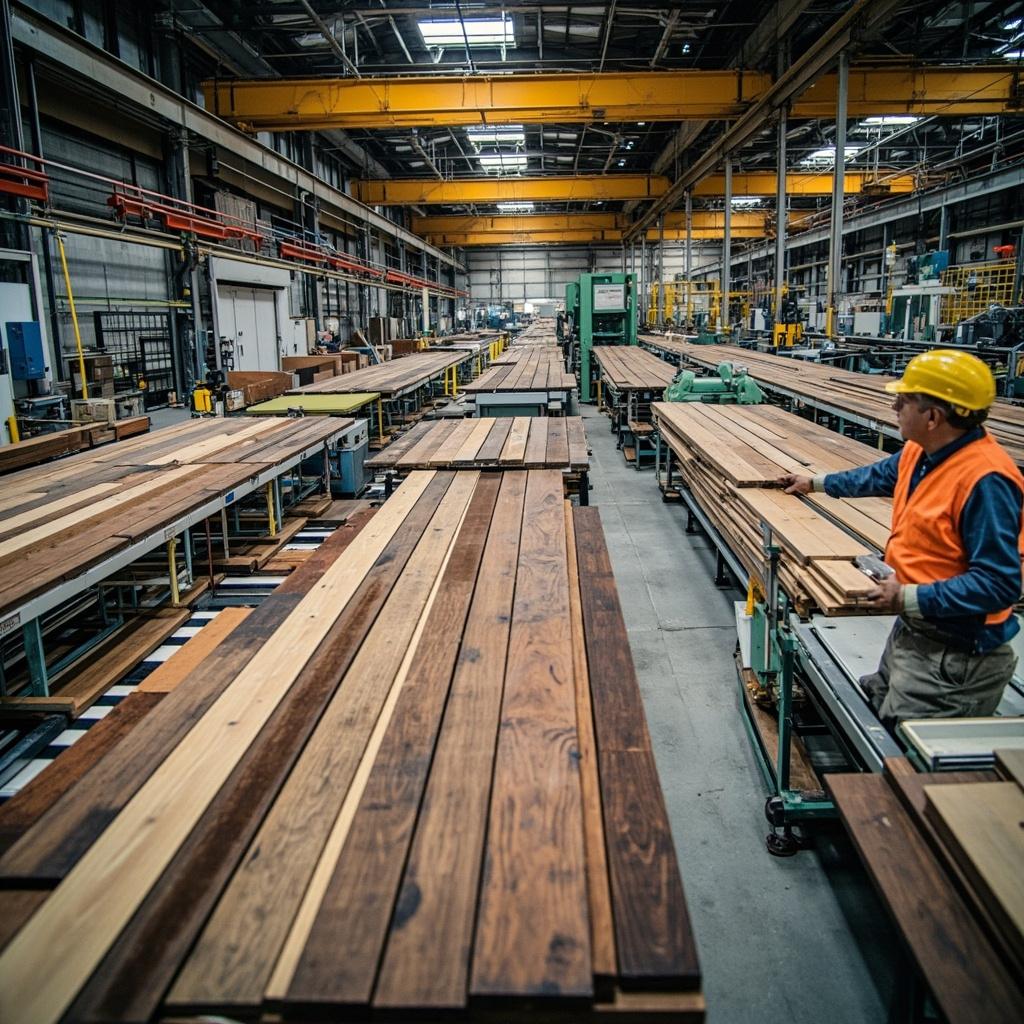
水泥和瓷砖行业是全球建筑和建材行业的基础支柱。它涵盖了用于创建、覆盖和保护建筑环境表面的材料的整个生命周期——从结构骨架到最终的美观饰面。
简单来说,该行业分为两个相互关联的部分:
1. 水泥与混凝土部分:建筑的“骨骼”
这部分专注于结构和基层材料。它不仅包括形成混凝土的通用波特兰水泥,还包括大量专业产品:
• 特种水泥:高强度修补水泥、快凝自流平材料、轻质泡沫混凝土和用于恶劣环境的抗硫酸盐水泥。
• 防水与粘合剂:关键系统,如液体防水膜、SBS热熔防水膜和渗透结晶型密封剂。
• 基层处理:确保完美基础的材料,如混凝土底漆、界面剂和瓷砖找平系统。
2. 瓷砖与饰面部分:建筑的“皮肤”
这部分涵盖定义空间特征和功能的可见表面。它远不止简单的陶瓷砖:
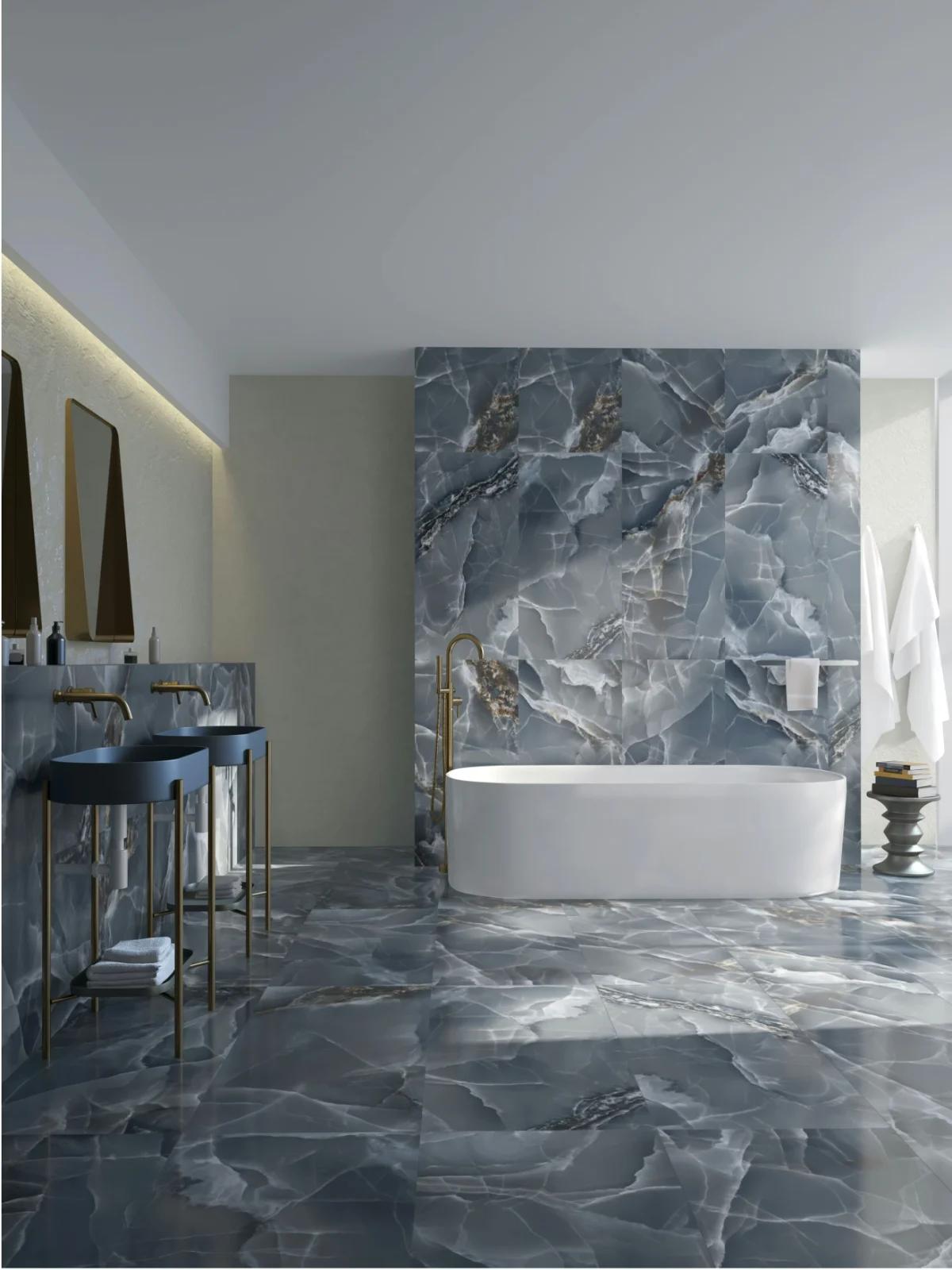
• 多样瓷砖类型:从光泽釉面瓷质砖和哑光做旧砖到木纹砖和大理石纹大板。
• 功能与美观表面:包括专业选项,如用于安全的防滑地砖、用于实验室的耐酸砖、用于设计的3D浮雕墙砖和用于景观美化的透水草坪砖。
• 创新材料:该行业处于材料科学前沿,产品包括自洁二氧化钛瓷砖、抗菌纳米涂层表面,甚至透光混凝土。
为什么这个行业如此关键?其产品提供了建筑的基本功能:结构完整性、天气防护、卫生和热/声绝缘。到2026年,该行业正快速发展,驱动力包括用于超逼真纹理的数字喷墨打印、用于可持续性的零碳制造,以及随着全球建筑从新建转向改善现有空间而蓬勃发展的翻新市场。
The cement and tiles industry is a foundational pillar of the global construction and building materials sector. It encompasses the entire lifecycle of materials used to create, cover, and protect the surfaces of our built environment—from the structural skeleton to the final aesthetic finish.
In simple terms, this industry is divided into two interconnected halves:
1. The Cement & Concrete Side: The "Bones" of Construction
This segment focuses on the structural and preparatory materials. It includes not just the general-purpose Portland cement that forms concrete, but also a vast array of specialized products:
• Specialty Cements: High-strength repair cements, fast-setting self-leveling compounds, lightweight foamed concrete, and sulfate-resisting cement for harsh environments.
• Waterproofing & Adhesives: Critical systems like liquid waterproofing membranes, SBS torch-on membranes, and penetrating crystalline sealers.
• Substrate Preparation: Materials that ensure a perfect foundation, such as concrete primers, bonding agents, and tile leveling systems.
2. The Tiles & Finishes Side: The "Skin" of Architecture
This segment covers the visible surfaces that define a space's character and functionality. It goes far beyond simple ceramic tiles:
• Diverse Tile Types: From glossy glazed porcelain and matte antiqued tiles to wood-look planks and marble-patterned slabs.
• Functional & Aesthetic Surfaces: This includes specialized options like anti-slip floor tiles for safety, acid-resistant tiles for labs, 3D embossed wall tiles for design, and permeable grass pavers for landscaping.
• Innovative Materials: The industry is at the forefront of material science, with products like self-cleaning TiO₂ tiles, antibacterial nano-coated surfaces, and even light-transmitting concrete.
Why is this industry so critical? Its products provide the essential functions of a building: structural integrity, weather protection, hygiene, and thermal/acoustic insulation. In 2026, the industry is rapidly evolving, driven by trends like digital inkjet printing for hyper-realistic textures, zero-carbon manufacturing for sustainability, and the booming renovation market as global construction shifts from new builds to improving existing spaces.
当人们想到“水泥”时,通常脑海中浮现的是用于人行道的灰色粉末。然而,在水泥和瓷砖行业中,“水泥与混合料”类别是一个由专业材料组成的复杂世界,每种材料都为特定任务而设计。以下是最关键的产品系列:
1. 通用与白水泥:基础
• 波特兰水泥(I/II型):最常用的类型,用于一般建筑、路面和混凝土结构。II型对恶劣环境具有中等抗硫酸盐性。
• 白色波特兰水泥:用于建筑饰面、装饰混凝土,以及作为彩色砂浆和填缝剂的基础。它是创造美观表面的关键成分。
2. 性能与特种水泥:解决特定问题
• 高强度修补水泥与道路修补混凝土:专为快速修复设计。这些产品凝结迅速,通常在15-30分钟内,可立即修复高速公路、桥梁和损坏的车道。
• 膨胀与止水水泥:用于封堵主动渗漏。这种水硬性水泥在凝结时膨胀,有效堵塞地下室、隧道和水箱中的孔洞和裂缝。
• 抗硫酸盐与耐火水泥:抗硫酸盐水泥对于硫酸盐含量高的土壤中的地基至关重要,可防止劣化。耐火水泥能承受极端高温,用于壁炉、烟囱和工业炉。
3. 先进与装饰性混合料:用于现代建筑
• 快速自流平化合物:一种聚合物改性水泥混合物,能流平成完美平坦光滑的表面,几小时后即可铺设木地板、地毯或瓷砖等地板覆盖层。
• 轻质泡沫混凝土与纤维增强水泥:泡沫混凝土是一种低密度保温材料,用于屋顶找平和空隙填充。纤维增强水泥加入聚丙烯或玻璃纤维,以提高抗拉强度并减少开裂。
• 工艺与装饰混凝土混合料:这些混合料通常与着色硬化剂结合,可实现压印、染色或抛光混凝土饰面,将普通混凝土变成美观的现代地板或台面。
When people think of "cement," they often picture the gray powder used for sidewalks. However, within the cement and tiles industry, the "Cement & Mixes" category is a sophisticated world of specialized materials, each engineered for a specific task. Here are the most crucial product families:
1. General-Purpose & White Cements: The Foundation
• Portland Cement (Type I/II): The most common type, used for general construction, pavements, and concrete structures. Type II offers moderate sulfate resistance for harsher environments.
• White Portland Cement: Used for architectural finishes, decorative concrete, and as a base for colored mortar and grout. It's the essential ingredient for creating aesthetically pleasing surfaces.
2. Performance & Specialty Cements: Solving Specific Problems
• High-Strength Repair Cement & Road Patch Concrete: Designed for quick fixes. These products set rapidly, often within 15-30 minutes, allowing for immediate repair of highways, bridges, and damaged driveways.
• Expansive & Waterstop Cement: Used to seal active leaks. This hydraulic cement expands as it cures, effectively plugging holes and cracks in basements, tunnels, and water tanks.
• Sulfate-Resisting & Refractory Cement: Sulfate-resisting cement is crucial for foundations in soil with high sulfate content, preventing deterioration. Refractory cement withstands extreme heat, used for fireplaces, chimneys, and industrial furnaces.
3. Advanced & Decorative Mixes: For Modern Construction
• Rapid Self-Leveling Compound: A polymer-modified cement mix that flows into a perfectly flat, smooth surface, ready for floor coverings like wood, carpet, or tiles in just a few hours.
• Lightweight Foam Concrete & Fiber-Reinforced Cement: Foam concrete is a low-density, insulating material used for roof screeds and void filling. Fiber-reinforced cement incorporates polypropylene or glass fibers to enhance tensile strength and reduce cracking.
• Artisan & Decorative Concrete Mix: These mixes, often combined with color hardeners, allow for stamped, stained, or polished concrete finishes, turning plain concrete into a beautiful, modern floor or countertop.
许多房主只关注瓷砖本身的美观——颜色、图案、表面处理。但持久美观的瓷砖铺贴的真正秘诀在于你看不到的材料:粘合剂和填缝剂。在这些方面偷工减料是瓷砖失败的首要原因。以下是它们如此关键的原因:
1. 粘合剂:将一切粘合在一起的纽带
• 并非所有“胶水”都一样:传统的砂灰浆已不足以应对现代复杂的瓷砖。薄贴瓷砖粘合剂是聚合物改性的水泥基产品,具有卓越的粘结力、柔韧性和防水性。
• 将粘合剂与瓷砖匹配:大尺寸瓷质大板(如120x240厘米)需要与小型陶瓷马赛克不同的粘合剂。重型瓷砖砂浆具有高“抗下滑”特性,可支撑重型瓷砖在墙上不下滑。对于天然石材,必须使用白色、无污染的粘合剂以防止变色。
• 界面剂与底漆的作用:在铺贴前涂刷瓷砖界面剂或混凝土底漆,可确保粘合剂正确附着在基层上,尤其是在光滑、不吸水的表面,如现有瓷砖或防水膜上。
2. 填缝剂与密封胶:保护并定义边界的密封
• 不仅仅是填充缝隙:填缝剂是瓷砖表面的“密封”。它防止水渗入瓷砖背后,否则会导致霉菌、霉变和结构损坏。环氧树脂填缝剂尤其是一种高性能选择,耐污、防水且无需密封。
• 美观与设计:填缝剂是一个设计元素。使用对比色或匹配色可以完全改变瓷砖铺贴的外观。如今,耐紫外线的环氧树脂填缝剂和防霉密封胶确保填缝线条的美观多年不褪色或污染。
• 关键的“柔性”区域:在瓷砖与浴缸、台面接触或方向改变(如内角)处,刚性填缝剂会开裂。这时应使用柔性防霉密封胶(或硅酮密封胶)来吸收位移并提供持久的水密密封。
3. 系统方法:确保寿命
使用正确的瓷砖找平系统和定位十字同样重要。找平系统确保表面完全平整,消除“高低差”(不平整边缘),后者会造成绊倒危险且看起来不专业。简而言之,高质量的瓷砖如果使用劣质粘合剂和填缝剂铺贴,将会失败。铺贴材料是将美丽的陶瓷片转化为耐用、功能性和防水表面的关键环节,这样的表面可以持续数十年。
Many homeowners focus on the aesthetic of the tile itself—the color, the pattern, the finish. But the true secret to a lasting, beautiful tile installation lies in the materials you don't see: the adhesives and grout. Skimping on these is the number one cause of tiling failures. Here’s why they are so critical:
1. Adhesives: The Bond That Holds Everything Together
• Not All "Glue" is Created Equal: Traditional sand-mix mortar is no longer sufficient for modern, sophisticated tiles. Thin-set tile adhesives are polymer-modified cement-based products engineered for superior bonding, flexibility, and water resistance.
• Matching the Adhesive to the Tile: A large-format porcelain slab (like 120x240cm) requires a different adhesive than a small ceramic mosaic. Heavy tile mortars are designed with high "non-slip" properties to support heavy tiles without sagging on walls. For natural stone, a white, non-staining adhesive is essential to prevent discoloration.
• The Role of Bonding Agents & Primers: Applying a tile bonding agent or concrete primer before tiling ensures the adhesive properly adheres to the substrate, especially on smooth, non-absorbent surfaces like existing tiles or waterproofing membranes.
2. Grout & Caulk: The Seal That Protects and Defines
• More Than Just Filling Gaps: Grout is the "seal" of your tiled surface. It prevents water from seeping behind the tiles, which can lead to mold, mildew, and structural damage. Epoxy grout, in particular, is a high-performance option that is stain-resistant, waterproof, and doesn't need sealing.
• Aesthetics and Design: Grout is a design element. Using a contrasting or matching color can completely change the look of a tile installation. Today, UV-stable epoxy grouts and mildew-proof caulks ensure that the beauty of the grout line lasts for years without fading or staining.
• The Essential "Flex" Zone: Where tile meets a bathtub, countertop, or changes direction (like an inside corner), rigid grout will crack. This is where flexible, mildew-proof caulk (or silicone sealant) is used to absorb movement and provide a lasting, watertight seal.
3. The System Approach: Ensuring Longevity
Using the right tile leveling system and spacers is just as important. Leveling systems ensure a perfectly flat surface, eliminating "lippage" (uneven edges) that cause tripping hazards and look unprofessional. In short, high-quality tiles installed with subpar adhesives and grout will fail. The installation materials are the critical link that transforms a collection of beautiful ceramic pieces into a durable, functional, and waterproof surface that will last for decades.
在气候变化时代,建材行业正经历巨大变革。“绿色”或“可持续”建材已不再是小众营销术语,而是成为核心竞争策略。在水泥和瓷砖行业,绿色材料是指在其整个生命周期内显著减少环境影响的材料。以下是关键创新领域:
1. 低碳水泥:圣杯
水泥生产约占全球二氧化碳排放量的8%。这方面的绿色创新至关重要。
• 混合与替代水泥:用粉煤灰或矿渣等工业副产品替代部分传统熟料(碳密集度最高的成分)。这可将最终产品的碳足迹减少高达30-40%。
• 碳捕集与利用(CCU):豪瑞和海德堡材料等先驱制造商正在投资技术,从工厂捕集二氧化碳,要么封存,要么用于养护混凝土,从而有效矿化碳。
• 超低碳混凝土:UltraTech等公司提供的新配方,与标准混凝土相比,隐含碳可减少50%以上。
2. 回收与循环材料:闭环
绿色材料优先考虑回收成分和报废后可回收性。
• 回收骨料与玻璃:许多水磨石瓷砖和水泥混合物现在都加入了回收碎玻璃、建筑和拆除废料或回收大理石粉尘。
• 纤维增强水泥:水泥板等产品常使用回收纤维素纤维,减少对原生木浆的依赖。
• 瓷砖回收:一些制造商正在开创闭环系统,将破损瓷砖和生产废料粉碎后重新融入新瓷砖坯体。
3. 节能与功能性材料:减少运营影响
除了隐含碳,绿色材料还能帮助建筑消耗更少能源。
• 保温与空心砖:这些保温砖减少了供暖和制冷需求,大幅降低建筑的运营碳足迹。
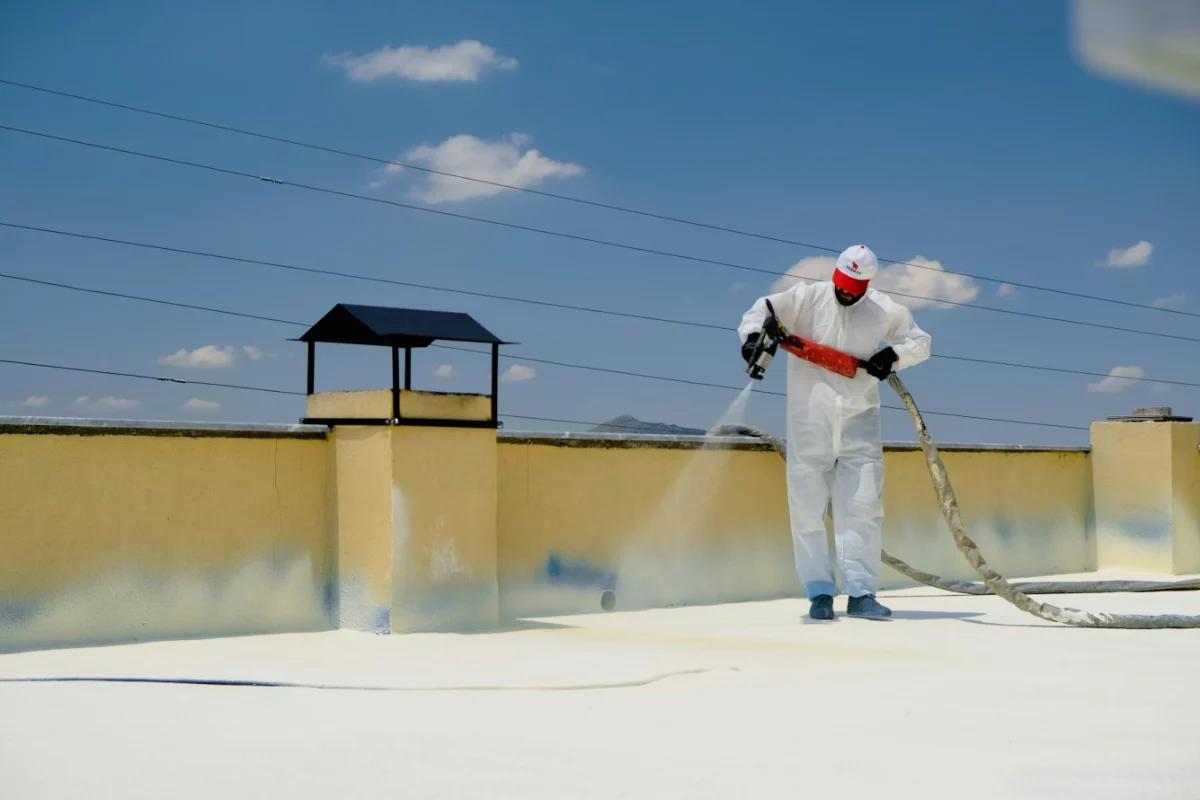
• 冷屋顶涂层与反射瓷砖:这些材料反射太阳辐射,减少城市热岛效应,降低空调成本。
• 自洁与空气净化瓷砖:光催化二氧化钛瓷砖利用阳光分解污染物(如氮氧化物),主动净化周围空气。
4. 零碳制造:新标准
最后,这些材料的制造方式与材料本身同样重要。行业正朝着零碳工厂迈进,这些工厂由可再生能源供电,采用水循环系统,并为其设施获得LEED和BREEAM等认证。当你选择绿色建材时,你投资的产品代表着更低的环境成本和更可持续的建筑环境未来。
In an era of climate change, the building materials industry is undergoing a massive transformation. "Green" or "sustainable" building materials are no longer a niche marketing term; they are becoming a core competitive strategy. In the cement and tiles industry, a green material is one that significantly reduces its environmental impact throughout its entire life cycle. Here are the key areas of innovation:
1. Low-Carbon Cement: The Holy Grail
Cement production accounts for approximately 8% of global CO2 emissions. Green innovation here is crucial.
• Blended & Alternative Cements: These replace a portion of the traditional clinker (the most carbon-intensive ingredient) with industrial byproducts like fly ash or slag. This reduces the carbon footprint of the final product by up to 30-40%.
• Carbon Capture & Utilization (CCU): Pioneering manufacturers like Holcim and Heidelberg Materials are investing in technologies to capture CO2 from their plants and either store it or use it to cure concrete, effectively mineralizing the carbon.
• Ultra-Low Carbon Concrete: New formulations, such as those offered by UltraTech, can reduce embodied carbon by over 50% compared to standard concrete.
2. Recycled & Circular Materials: Closing the Loop
Green materials prioritize recycled content and end-of-life recyclability.
• Recycled Aggregates & Glass: Many terrazzo tiles and cement mixes now incorporate crushed recycled glass, construction and demolition waste, or reclaimed marble dust.
• Fiber-Reinforced Cement: Products like cement boards often use recycled cellulose fibers, reducing reliance on virgin wood pulp.
• Tile Recycling: Some manufacturers are pioneering closed-loop systems where broken tiles and production waste are crushed and reincorporated into new tile bodies.
3. Energy-Efficient & Functional Materials: Reducing Operational Impact
Beyond embodied carbon, green materials help buildings consume less energy.
• Insulated & Hollow Bricks: These thermal insulation bricks reduce the need for heating and cooling, drastically lowering a building's operational carbon footprint.
• Cool Roof Coatings & Reflective Tiles: These materials reflect solar radiation, reducing the urban heat island effect and cutting air conditioning costs.
• Self-Cleaning & Air-Purifying Tiles: Photocatalytic TiO₂ tiles use sunlight to break down pollutants (like NOx), actively cleaning the air around them.
4. Zero-Carbon Manufacturing: The New Standard
Finally, the way these materials are made is just as important as the materials themselves. The industry is moving towards zero-carbon factories powered by renewable energy, utilizing water recycling systems, and achieving certifications like LEED and BREEAM for their facilities. When you choose a green building material, you are investing in a product that represents a lower environmental cost and a more sustainable future for the built environment.
选择合适的瓷砖不仅关乎风格,更在于将产品的物理特性与特定空间的需求相匹配。在客厅墙上效果出色的瓷砖,用在潮湿的浴室地板上可能是一场灾难。以下是为家中不同区域选择瓷砖的实用指南:
1. 客厅与走廊:注重耐用性和美观
• 最佳选择:抛光釉面瓷质砖、哑光瓷质砖、木纹砖或大理石纹大板。
• 关键特性:高耐磨性(PEI等级3或4)对于高流量区域至关重要。大尺寸瓷砖(如60x120厘米或80x80厘米)营造无缝、宽敞的视觉效果。追求温馨感时,木纹瓷质砖是实木的绝佳低维护替代品。
2. 厨房:优先考虑耐污和耐化学性
• 最佳选择:釉面瓷质砖、通体瓷质砖或防污陶瓷墙砖。
• 关键特性:对于防溅墙(墙面),选择光滑、无孔的釉面砖,易于擦拭油脂和食物飞溅。对于地面,选择具有高耐污等级的防滑表面,以应对泼洒。避免在高使用频率的烹饪区使用无釉砖或天然石材,因为它们可能吸收污渍。
3. 浴室与潮湿区域:安全与防水至关重要
• 最佳选择:哑光或纹理瓷质砖、防滑地砖和防水墙砖。
• 关键特性:地砖必须具有高防滑性(摩擦系数)以防止跌倒。对于淋浴区和潮湿区域,使用吸水率低于0.5%的瓷砖(瓷质砖可达到),以防止水损坏。小马赛克非常适合淋浴地面,因为它们提供出色的抓地力,且易于倾斜排水。在潮湿区域始终使用环氧树脂填缝剂以防止霉菌滋生。
4. 户外区域与阳台:抵御自然因素
• 最佳选择:外墙瓷砖(防冻)、透水草坪砖和高密度瓷质砖。
• 关键特性:在寒冷气候下,选择低吸水率(<0.5%)的瓷砖以确保防冻;内部积水会结冰导致开裂。寻找具有纹理表面的防滑表面。对于庭院和车道,透水草坪砖允许水渗透,减少径流。
5. 特殊区域:满足独特需求
• 游泳池:使用专门的泳池压顶砖和马赛克,耐化学品(如氯)且具有高防滑性。
• 车库或车间:耐用、防滑且耐污的地砖,能承受重载是关键。耐酸砖也是易发生化学品泄漏区域的选择。
• 带地暖的客厅:选择导热性高的瓷砖(瓷质砖极佳),并确保粘合剂和填缝剂也适用于供暖系统,以防止开裂。
Selecting the right tile isn't just about style; it's about matching the product's physical properties to the demands of a specific space. A tile that works beautifully on a living room wall can be a disaster on a wet bathroom floor. Here’s a practical guide for choosing tiles for different areas of your home:
1. Living Room & Hallways: Focus on Durability and Aesthetics
• Best Choices: Polished glazed porcelain, matte porcelain, wood-look planks, or marble-look slabs.
• Key Properties: High abrasion resistance (PEI rating of 3 or 4) is crucial for high-traffic areas. Large-format tiles (like 60x120cm or 80x80cm) create a seamless, spacious look. For a cozy feel, wood-look porcelain planks are an excellent, low-maintenance alternative to real wood.
2. Kitchen: Prioritize Stain and Chemical Resistance
• Best Choices: Glazed porcelain, full-body porcelain, or anti-stain ceramic wall tiles.
• Key Properties: For backsplashes (wall), choose smooth, non-porous glazed tiles that are easy to wipe clean from grease and food splatters. For floors, opt for a slip-resistant finish with a high stain resistance rating to withstand spills. Avoid unglazed or natural stone in high-use cooking areas as they can absorb stains.
3. Bathroom & Wet Areas: Safety and Waterproofing are Paramount
• Best Choices: Matte or textured porcelain tiles, slip-resistant floor tiles, and waterproof wall tiles.
• Key Properties: Floor tiles must have a high slip resistance (COF) to prevent falls. For showers and wet zones, use water absorption rates below 0.5% (which porcelain offers) to prevent water damage. Small mosaics are perfect for shower floors as they provide superior grip and can be easily sloped for drainage. Always use epoxy grout in wet areas to prevent mold and mildew.
4. Outdoor Areas & Balconies: Withstand the Elements
• Best Choices: Exterior cladding tiles (frost-proof), permeable grass pavers, and high-density porcelain.
• Key Properties: In cold climates, choose tiles with a low water absorption rate (<0.5%) to ensure they are frost-proof; water trapped inside can freeze and cause cracking. Look for skid-resistant surfaces with a textured finish. For patios and driveways, permeable grass pavers allow water to drain through, reducing runoff.
5. Specialty Areas: For Unique Needs
• Swimming Pools: Use specialized pool coping tiles and mosaics that are resistant to chemicals (like chlorine) and have high slip resistance.
• Garages or Workshops: Durable, non-slip, and stain-resistant floor tiles that can withstand heavy loads are key. Acid-resistant tiles are also an option for areas prone to chemical spills.
• Living Rooms with Underfloor Heating: Choose tiles with high thermal conductivity (porcelain is excellent) and ensure the adhesive and grout are also designed for heating systems to prevent cracking.