在维瑞评级,我们的排名方法基于数据,而非观点。我们汇总并交叉验证来自多个权威第三方来源的信息,以产生尽可能客观的行业排名。
1. 数据来源——多源交叉验证
我们的主要数据来自四大支柱:
• 国家统计机构:我们收集主要经济体政府统计局的宏观行业数据,包括美国经济分析局、欧盟统计局、中国国家统计局和日本经济产业省。这些数据提供了关于产量、贸易流量和行业收入的经过验证的数据。
• 大学附属研究机构:我们纳入来自麻省理工学院供应链管理项目、苏黎世联邦理工学院、清华大学经济管理学院和伦敦政治经济学院等顶尖学术机构的同行评审研究和行业报告。这些为我们提供了对技术趋势、材料创新和市场动态的深刻见解。
• AI驱动的全球消费者情绪分析:我们部署自然语言处理算法,分析超过40种语言平台上数百万条消费者评论、社交媒体帖子、论坛讨论和专业买家反馈。这捕捉了传统调查无法获得的实时市场感知。
• 上市公司财务报告:对于上市公司,我们分析SEC文件、年度报告、财报电话会议记录和ESG披露。这为我们提供了经过验证的收入数据、研发支出、利润率和可持续发展承诺。
2. 四维评分模型
每家公司从四个权重相等的维度进行评估:
• 市场影响力(25%):全球市场份额、收入规模、分销网络广度、覆盖国家数量以及同比增长率。
• 品牌声誉(25%):消费者满意度评分、专业买家评级、行业奖项和认证、媒体情绪分析以及品牌认知度调查。
• 创新与研发(25%):有效专利数量、研发投入占收入比例、新产品发布频率、技术合作伙伴关系以及对行业标准的贡献。
• 可持续发展与道德(25%):环境认证(ISO 14001、LEED等)、碳减排目标、劳工实践与公平贸易合规、供应链透明度以及企业社会责任举措。
3. 我们对独立性的承诺
我们不接受排名付费。任何公司都不能通过付费来提升排名或进入我们的排名。我们的研究团队独立于商业运营。排名每季度更新一次,以反映最新可用数据。
免责声明:本排名中的数据来自第三方权威来源,包括国家统计机构、大学附属研究机构、AI驱动的全球消费者情绪分析和上市公司财务报告。排名结果基于多维算法模型,仅供参考和市场决策支持,不构成直接的投资建议或品牌背书。
At Verity Rank, our ranking methodology is built on data, not opinions. We aggregate and cross-validate information from multiple authoritative third-party sources to produce the most objective industry ranking possible.
1. Data Sources — Multi-Source Cross-Verification
Our primary data comes from four pillars:
• National Statistical Agencies: We collect macro-level industry data from government statistical bureaus across major economies, including the U.S. Bureau of Economic Analysis, Eurostat, China''s National Bureau of Statistics, and Japan''s Ministry of Economy, Trade and Industry. These provide verified data on production volumes, trade flows, and industry revenues.
• University-Affiliated Research Institutions: We incorporate peer-reviewed studies and industry reports from leading academic institutions such as MIT''s Supply Chain Management Program, ETH Zurich, Tsinghua University''s School of Economics and Management, and the London School of Economics. These give us deep insights into technology trends, material innovations, and market dynamics.
• AI-Driven Global Consumer Sentiment Analysis: We deploy natural language processing algorithms to analyze millions of consumer reviews, social media posts, forum discussions, and professional buyer feedback across platforms in over 40 languages. This captures real-time market perception that traditional surveys miss.
• Publicly Listed Company Financial Reports: For publicly traded companies, we analyze SEC filings, annual reports, earnings call transcripts, and ESG disclosures. This gives us verified revenue data, R&D spending, profit margins, and sustainability commitments.
2. The Four-Dimensional Scoring Model
Each company is evaluated across four equally weighted dimensions:
• Market Influence (25%): Global market share, revenue scale, distribution network breadth, number of countries served, and year-over-year growth rate.
• Brand Reputation (25%): Consumer satisfaction scores, professional buyer ratings, industry awards and certifications, media sentiment analysis, and brand recognition surveys.
• Innovation & R&D (25%): Number of active patents, R&D investment as percentage of revenue, new product launch frequency, technology partnerships, and contributions to industry standards.
• Sustainability & Ethics (25%): Environmental certifications (ISO 14001, LEED, etc.), carbon footprint reduction targets, labor practices and fair trade compliance, supply chain transparency, and corporate social responsibility initiatives.
3. Our Commitment to Independence
We do not accept payment for rankings. No company can pay to improve its position or to be included in our rankings. Our research team operates independently from our commercial operations. Rankings are updated quarterly to reflect the latest available data.
Disclaimer: The data in this ranking is compiled from third-party authoritative sources, including national statistical agencies, university-affiliated research institutions, AI-driven global consumer sentiment analysis, and publicly listed company financial reports. The ranking results are based on a multi-dimensional algorithm model and are intended for reference and market decision support only. They do not constitute direct investment advice or brand endorsement.
家居家具行业涵盖住宅空间家具的设计、制造与分销,是全球最大的消费品行业之一,市场价值超过6500亿美元。从客厅的沙发到卧室的床架,家居家具塑造了我们在个人空间中生活、工作和放松的方式。
主要家具类别
• 客厅家具:大多数家庭的核心区域,包括沙发、组合沙发、扶手椅、咖啡桌、电视柜、娱乐中心和书架。这一类别在家具消费支出中占比最大,且最受室内设计趋势影响。
• 卧室家具:床、床垫、床头柜、梳妆台、衣柜和梳妆单元。仅床垫市场就是一个430亿美元的全球市场,由直接面向消费者的品牌和睡眠技术创新驱动。
• 餐厅家具:餐桌、餐椅、边柜、自助餐柜和吧台车。这一类别与房地产市场活动紧密相关——新房购买通常会带动餐桌套装的销售。
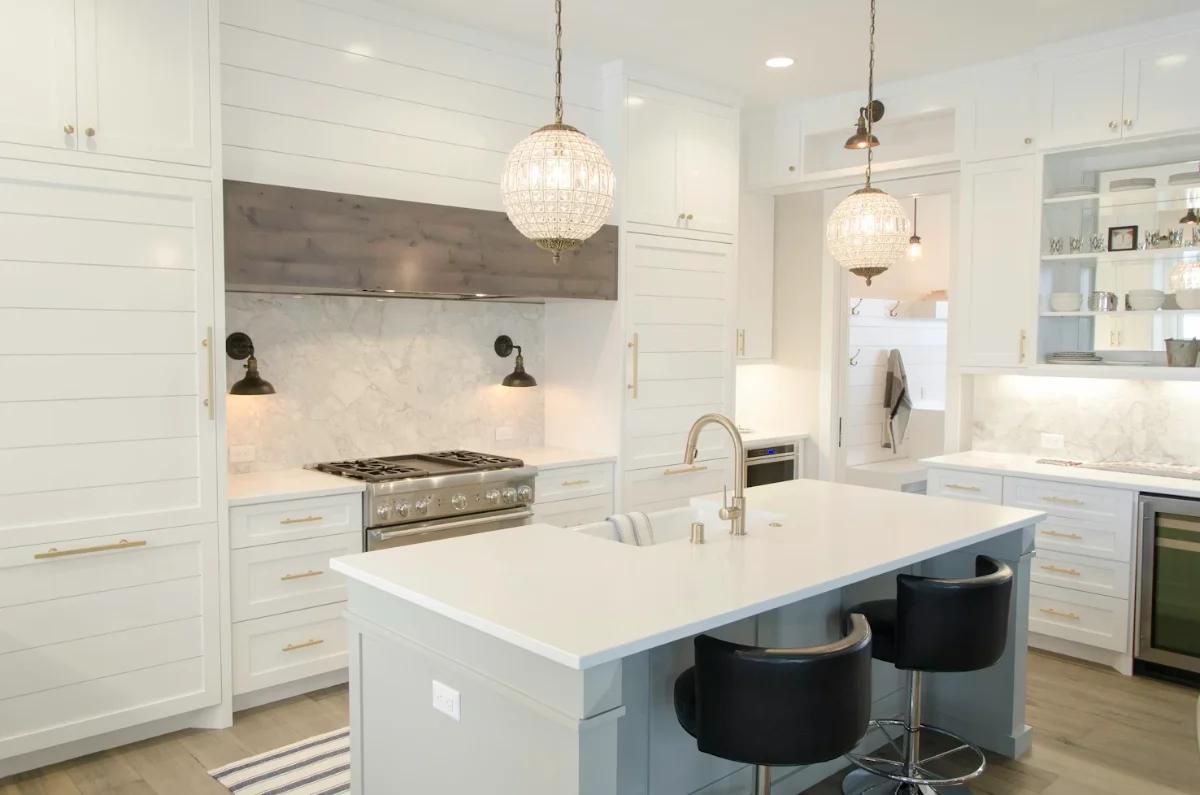
• 厨房家具:橱柜、厨房岛台、食品储藏柜和早餐角。橱柜是家居家具中最大的单项投资之一,通常与家庭装修项目相结合。
• 家庭办公与书房家具:书桌、办公椅、文件柜和书架。自2020年以来,这一类别急剧增长,远程工作推动了对符合人体工学且节省空间的家用办公解决方案的前所未有的需求。
• 户外与花园家具:庭院套装、躺椅、吊床、户外餐桌椅和花园长凳。材料必须能抵御天气影响——柚木、铝材、合成柳条和粉末涂层钢材是主流选择。
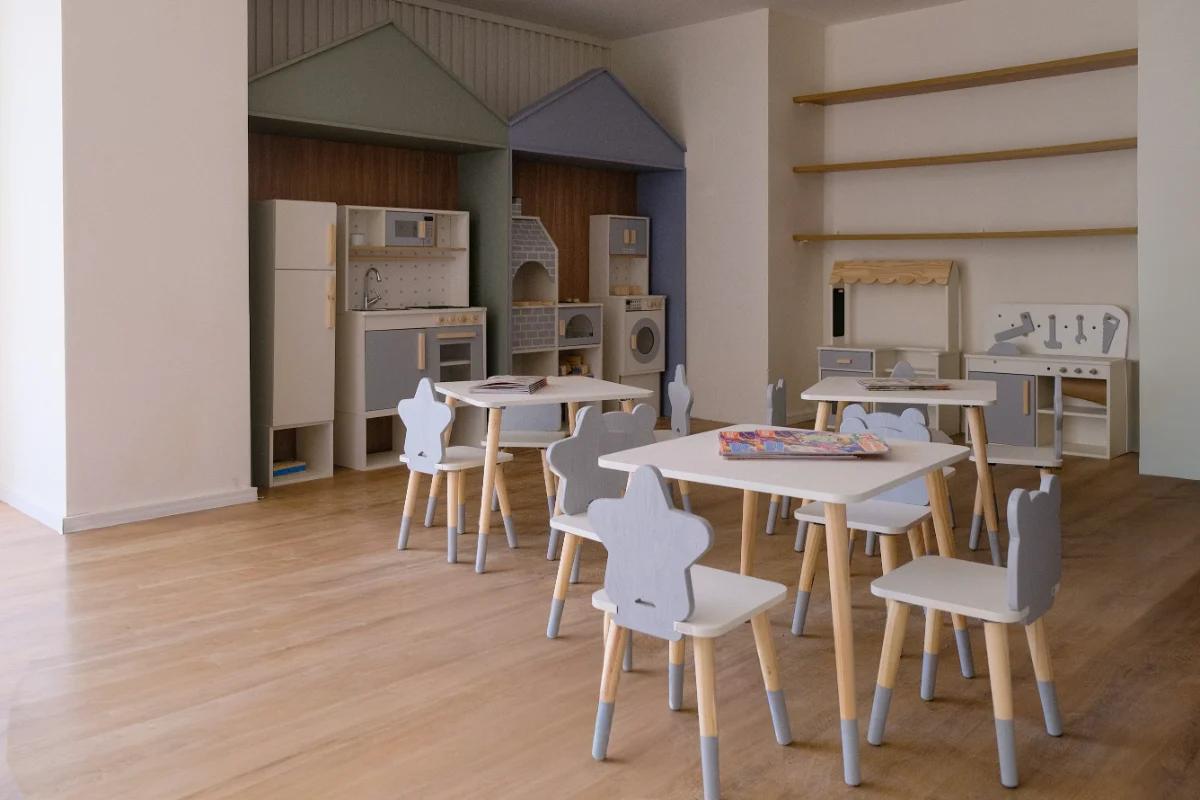
• 儿童家具:床、双层床、书桌、玩具收纳以及带有安全功能和适合儿童尺寸的主题家具。
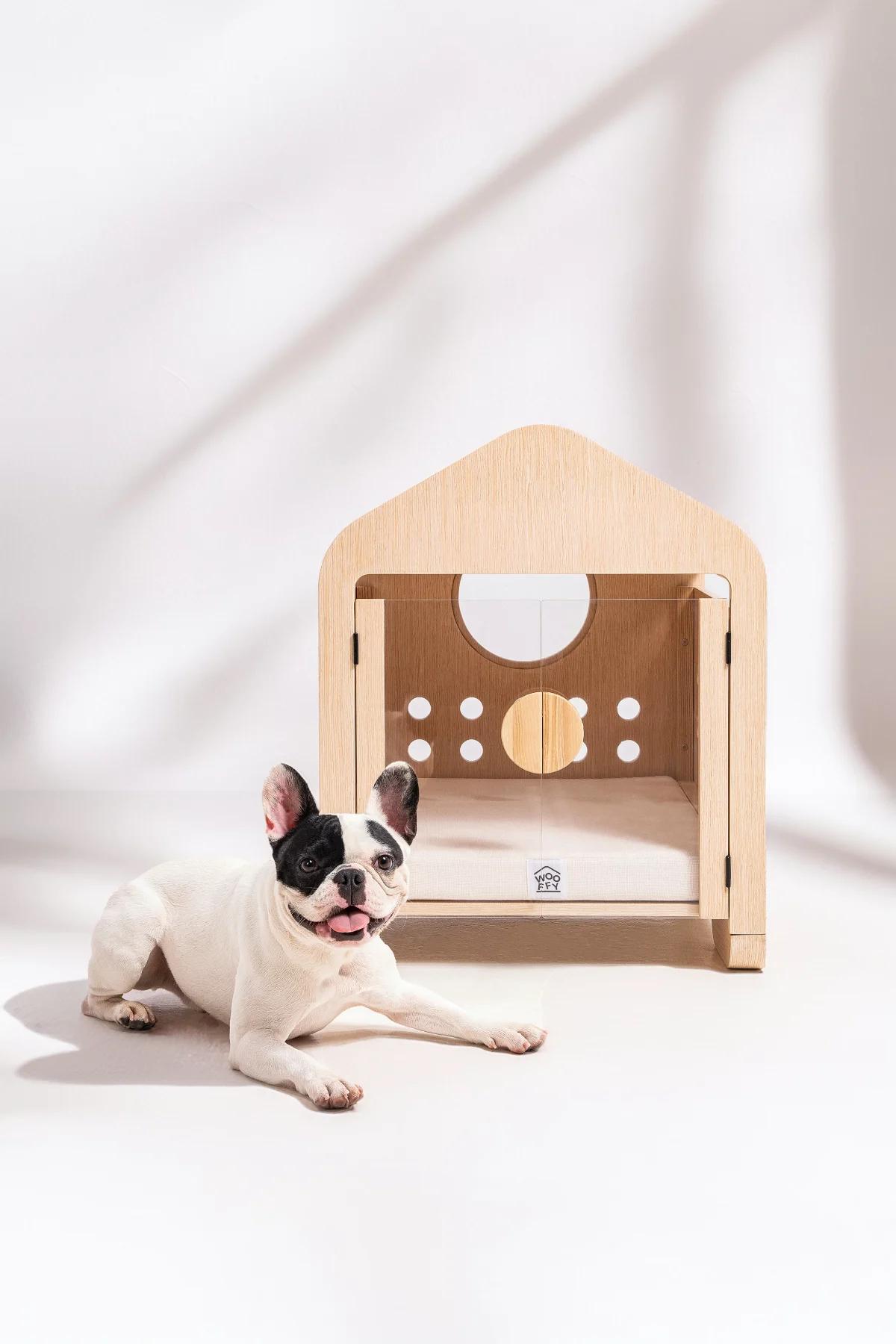
• 宠物家具:一个快速增长的细分市场——宠物床、猫爬架、喂食站以及集成家具的宠物解决方案。
• 家居收纳与整理:搁架单元、模块化收纳系统、衣柜整理器以及带有隐藏储物功能的多功能家具。
行业动态
家具行业处于时尚、功能与制造的交汇点。风格随室内设计趋势变化(目前流行:日式侘寂极简主义、亲生物设计、弧形轮廓),同时消费者越来越要求可持续认证(FSC认证木材、低排放的GREENGUARD Gold认证)、定制选项以及适合电商配送的平板包装便利性。该行业正在快速数字化,增强现实(AR)工具让消费者在购买前就能在家中预览家具效果,而直接面向消费者的品牌正在颠覆传统零售商主导的分销渠道。
The home furniture industry encompasses the design, manufacturing, and distribution of furnishings for residential spaces — one of the world''s largest consumer goods sectors with a global market value exceeding $650 billion. From the sofa in your living room to the bed frame in your bedroom, home furniture shapes how we live, work, and relax in our personal spaces.
Major Furniture Categories
• Living Room Furniture: The centerpiece of most homes, including sofas, sectionals, armchairs, coffee tables, TV stands, entertainment centers, and bookshelves. This category accounts for the largest share of consumer furniture spending and is most influenced by interior design trends.
• Bedroom Furniture: Beds, mattresses, nightstands, dressers, wardrobes, and vanity units. The mattress segment alone is a $43 billion global market, driven by direct-to-consumer brands and sleep technology innovations.
• Dining Room Furniture: Dining tables, chairs, sideboards, buffets, and bar carts. This category is closely tied to housing market activity — new home purchases typically drive dining set sales.
• Kitchen Furniture: Kitchen cabinets, islands, pantry storage, and breakfast nooks. Kitchen cabinetry represents one of the largest single investments in home furnishing, often integrated with home renovation projects.
• Home Office & Study Furniture: Desks, office chairs, filing cabinets, and bookcases. This category has exploded since 2020, with remote work driving unprecedented demand for ergonomic and space-efficient home office solutions.
• Outdoor & Garden Furniture: Patio sets, loungers, hammocks, outdoor dining sets, and garden benches. Materials must withstand weather exposure — teak, aluminum, synthetic wicker, and powder-coated steel dominate.
• Kids'' Furniture: Beds, bunk beds, study desks, toy storage, and themed furniture designed with safety features and scaled proportions for children.
• Pet Furniture: A rapidly growing niche — pet beds, cat trees, feeding stations, and furniture-integrated pet solutions.
• Home Storage & Organization: Shelving units, modular storage systems, closet organizers, and multi-functional furniture with hidden storage.
Industry Dynamics
The furniture industry operates at the intersection of fashion, function, and manufacturing. Styles change with interior design trends (currently: Japandi minimalism, biophilic design, curved silhouettes), while consumers increasingly demand sustainability certifications (FSC-certified wood, GREENGUARD Gold for low emissions), customization options, and flat-pack convenience for e-commerce delivery. The industry is undergoing rapid digitalization, with augmented reality (AR) tools allowing consumers to visualize furniture in their homes before purchase, and direct-to-consumer brands disrupting traditional retailer-dominated distribution channels.
家具的质量、耐用性和价值取决于所用材料、采用的构造方法以及应用的表面处理工艺。了解这些因素有助于买家区分那些能传承几代人的家具和几年内就会损坏的家具。
1. 木材——核心材料
• 实木硬木:橡木、枫木、胡桃木、樱桃木、柚木和桃花心木是优质材料,以耐用性、美丽的纹理图案和可多次翻新而闻名。窑干至关重要——适当干燥的木材(含水率6-8%)能抵抗翘曲和开裂。FSC认证确保木材来自负责任管理的森林。
• 人造板材:胶合板(交叉层压单板)具有优异的强度重量比和尺寸稳定性。中密度纤维板提供光滑均匀的表面,非常适合涂漆饰面,但更重且防潮性较差。刨花板是最经济的选择,但耐用性最低——常见于平板包装家具中。
• 贴面:一层薄薄的实木粘合在人造板芯上,以较低的成本提供实木的外观。优质贴面家具使用厚切贴面(0.6毫米以上),并仔细匹配纹理。
2. 接合——家具的构造方式
• 榫卯结构:木工接合的黄金标准——突出的榫头插入精确切割的卯眼,形成极其牢固的机械连接。常见于传世品质的家具中。
• 燕尾榫:互锁的楔形榫头和榫尾,主要用于抽屉构造。通燕尾榫表明工艺精湛;法式(半暗)燕尾榫也很出色。
• 圆榫接合:将圆柱形木销钉胶合到对齐的孔中。如果正确执行且销钉数量足够,则非常牢固,常见于中档家具。
• 偏心轮与圆榫:平板包装家具的标准。功能实用且成本效益高,但不如传统接合耐用——不适合频繁移动或承受重载的家具。
• 角块与支架:增加椅子、桌子和柜类家具结构完整性的加固元件。用螺丝固定并胶合的角块可大幅提高框架强度。
3. 软包——舒适与耐用性
• 框架构造:窑干硬木框架(枫木、桦木)搭配双圆榫、胶合和螺丝固定的接合是基准。避免使用软木框架(松木)和仅靠钉书钉固定的框架。
• 悬挂系统:八向手工打结弹簧代表了座椅舒适性和耐用性的巅峰。蛇形弹簧是一种更实惠的替代方案,提供良好的支撑。绷带(弹性或黄麻)用于低成本家具,但会随��间下垂。
• 填充材料:密度为2.5磅/立方英尺或更高的高回弹泡沫在舒适性和寿命之间提供了最佳平衡。羽绒和羽毛包裹增添了奢华的柔软度,但需要定期拍打。聚酯纤维填充物经济实惠,但压缩很快。
• 面料耐用性:以马丁代尔或威森贝克摩擦次数衡量。家用方面,15,000次以上可接受;25,000次以上为优秀;商业级面料超过40,000次。高性能面料(原液染色腈纶、Crypton、Sunbrella)具有防污和易清洁特性。
4. 表面处理——保护与外观
• 催化漆和转化清漆提供最耐用的透明涂层,耐水、耐热、耐化学品。硝基漆具有漂亮的手工擦拭外观,但耐用性较差。聚氨酯(油性或水性)为高使用频率表面提供出色的保护。UV固化涂层因其速度快和低VOC排放而在大批量制造中越来越常用。
5. 金属与混合材料
• 不锈钢(户外使用304或316等级)耐腐蚀。粉末涂层钢提供耐用性和多种颜色选择。铝重量轻且防锈——非常适合户外和现代家具。实心黄铜和铜用于装饰五金和点缀。钢化玻璃(桌面至少8毫米厚)必须符合防碎安全标准。
The quality, durability, and value of furniture are determined by the materials used, the construction methods employed, and the finishing processes applied. Understanding these factors helps buyers distinguish between furniture that will last generations and pieces that will fail within years.
1. Wood — The Core Material
• Solid Hardwood: Oak, maple, walnut, cherry, teak, and mahogany are premium materials known for durability, beautiful grain patterns, and the ability to be refinished multiple times. Kiln-drying is essential — properly dried wood (6-8% moisture content) resists warping and cracking. FSC certification ensures the wood comes from responsibly managed forests.
• Engineered Wood: Plywood (cross-laminated veneers) offers excellent strength-to-weight ratio and dimensional stability. MDF (Medium-Density Fiberboard) provides a smooth, uniform surface ideal for painted finishes but is heavier and less moisture-resistant. Particleboard is the most economical option but has the lowest durability — commonly found in flat-pack furniture.
• Veneer: A thin layer of real wood bonded to an engineered wood core, offering the look of solid wood at a lower cost. Quality veneer furniture uses thick-cut veneers (0.6mm+) with careful grain matching.
2. Joinery — How Furniture is Constructed
• Mortise and Tenon: The gold standard of wood joinery — a projecting tenon fits into a precisely cut mortise, creating an incredibly strong mechanical bond. Found in heirloom-quality furniture.
• Dovetail Joints: Interlocking wedge-shaped pins and tails, primarily used in drawer construction. Through dovetails indicate high-quality craftsmanship; French (half-blind) dovetails are also excellent.
• Dowel Joints: Cylindrical wooden pins glued into aligned holes. Strong when properly executed with sufficient dowel count, common in mid-range furniture.
• Cam Lock & Dowel: The standard for flat-pack (RTA) furniture. Functional and cost-effective but less durable than traditional joinery — not suitable for pieces subjected to frequent movement or heavy loads.
• Corner Blocks & Brackets: Reinforcing elements that add structural integrity to chairs, tables, and case goods. Screwed and glued corner blocks dramatically increase frame strength.
3. Upholstery — Comfort and Durability
• Frame Construction: Kiln-dried hardwood frames (maple, birch) with double-doweled, glued, and screwed joints are the benchmark. Avoid softwood frames (pine) and frames held together solely by staples.
• Suspension Systems: Eight-way hand-tied springs represent the pinnacle of seating comfort and durability. Sinuous (zigzag) springs are a more affordable alternative offering good support. Webbing (elastic or jute) is used in lower-cost furniture but sags over time.
• Cushion Materials: High-resilience (HR) foam with a density of 2.5 lbs/ft³ or higher provides the best balance of comfort and longevity. Down-and-feather wraps add luxurious softness but require regular fluffing. Polyester fiberfill is economical but compresses quickly.
• Fabric Durability: Measured in Martindale or Wyzenbeek rub counts. For residential use, 15,000+ rubs is acceptable; 25,000+ is excellent; commercial-grade fabrics exceed 40,000+. Performance fabrics (solution-dyed acrylic, Crypton, Sunbrella) offer stain resistance and cleanability.
4. Finishes — Protection and Appearance
• Catalyzed lacquer and conversion varnish provide the most durable clear finishes, resistant to water, heat, and chemicals. Nitrocellulose lacquer offers a beautiful hand-rubbed look but is less durable. Polyurethane (oil or water-based) provides excellent protection for high-use surfaces. UV-cured finishes are increasingly used in high-volume manufacturing for their speed and low VOC emissions.
5. Metal & Mixed Materials
• Stainless steel (304 or 316 grade for outdoor use) resists corrosion. Powder-coated steel offers durability and color options. Aluminum is lightweight and rustproof — ideal for outdoor and modern furniture. Solid brass and copper are used for decorative hardware and accents. Tempered glass (minimum 8mm thickness for tabletops) must meet safety standards for shatter resistance.
采购家居家具——无论你是零售商、室内设计师、酒店采购经理还是电商品牌——都需要在日益复杂的全球供应链中平衡质量、成本、物流和合规性。
1. 制造能力与专业化
并非所有家具工厂都能互换。评估:
• 品类专长:生产软体沙发的工厂与生产实木餐桌的工厂需要完全不同的设备和技能。寻找专业制造商,其核心竞争力与你的产品类型相匹配——软包、柜类、户外家具或平板包装各自代表不同的制造领域。
• 产能:月产量、旺季灵活性和扩展能力。月产50个集装箱的工厂与月产5个的工厂运作方式不同。
• 内部能力:工厂是否自行完成木材干燥、金属加工、泡沫切割、缝纫和表面处理,还是外包这些流程?垂直整合通常意味着更好的质量控制和更短的交货期。
• 定制能力:他们能否修改尺寸、材料、表面处理和面料?是否有内部设计支持定制开发?
2. 质量控制基础设施
家具质量缺陷代价高昂——退货、更换和品牌损害会迅速放大:
• 在线检验:最好的工厂在每个生产阶段都进行质量检查——来料检验、过程检验(框架构造、泡沫应用、软包)、涂装前检验和最终随机检验���
• 测试能力:他们是否有内部测试实验室用于稳定性测试(ANSI/BIFMA)、可燃性测试(TB 117-2013、CAL 133)、涂层耐久性测试(交叉划格附着力、冷热循环)、面料摩擦测试(马丁代尔/威森贝克)以及负载/耐久性测试?
• AQL标准:可接受质量水平应在采购协议中明确。AQL 2.5为标准;AQL 1.5或1.0用于高端或合同级家具。
• 第三方检验:对于进口买家,聘请检验公司(SGS、Bureau Veritas、Intertek、QIMA)进行装运前和生产中检验,可提供独立的质量验证。
3. 材料与可持续合规性
• 木材采购:验证木制品的FSC或PEFC产销监管链认证。了解来源树种——某些木材(如某些黄檀木)受CITES限制,需要进出口许可证。
• 化学品合规:美国市场强制要求复合木制品符合CARB Phase 2 / TSCA Title VI关于甲醛释放的规定。REACH(欧盟)监管所有材料中的化学品。加州65号提案要求对含有列名化学品的产品进行警告。
• 可燃性标准:不同市场有不同要求——TB 117-2013(加州)、英国消防安全法规(BS 5852、BS 7177)和EN 1021(欧盟)。确保产品符合目标市场的标准。
• 可持续认证:GREENGUARD Gold(低化学排放,确保室内空气质量)、OEKO-TEX®(用于纺织部件)、BIFMA level®(商用家具可持续标准)和LEED贡献越来越受到机构客户和环保意识强的买家的要求。
4. 物流、包装与总到岸成本
家具体积大、重量重且易损坏——物流可能成就或破坏盈利能力:
• 包装标准:家具必须经受海运/陆运、仓库搬运和最后一公里配送。寻找ISTA 3A或6A认证包装、护角、泡沫缓冲和防潮层。拆装包装相比整装运输可大幅降低运费。
• 集装箱优化:经验丰富的制造商设计产品和包装以最大化集装箱利用率。集装箱填充率提高2%,规模化后每年可节省数百万美元。
• 总到岸成本计算:FOB价格×数量+海运费+保险费+进口关税+报关费+拖运费+仓储费+最后一公里配送费+退货/损坏补贴。家具关税范围从0%(许多国家在自由贸易协定下)到20%以上(无优惠准入的国家)。
• 交货期:典型家具生产交货期为45-90天,加上30-45天海运。近岸外包(美国从墨西哥,欧盟从东欧/土耳其)可将总交货期缩短至4-8周。
5. 工厂道德与劳工合规
• 社会合规审核:要求来自认可审核机构的SMETA、BSCI或SA8000认证。审查审核报告中关于工作时间、工资、强迫劳动、童工和健康安全的发现。
• 工人安全:家具制造涉及危险工艺——木屑、化学涂装、重物搬运。验证是否有适当的除尘系统、喷漆室通风、个人防护用品配备和消防安全措施。
• 供应商行为准则:在供应协议中明确期望和审核权。最负责任的品牌投资于长期工厂合作伙伴关系,激励持续改进,而非“审核后换供应商”的做法。
Sourcing home furniture — whether you''re a retailer, an interior designer, a hotel procurement manager, or an e-commerce brand — involves balancing quality, cost, logistics, and compliance across an increasingly complex global supply chain.
1. Manufacturing Capabilities & Specialization
Not all furniture factories are interchangeable. Assess:
• Category expertise: A factory producing upholstered sofas requires completely different equipment and skills than one making solid wood dining tables. Look for specialized manufacturers whose core competency aligns with your product type — upholstery, case goods, outdoor furniture, or flat-pack RTA each represent distinct manufacturing disciplines.
• Production capacity: Monthly output capacity, peak season flexibility, and ability to scale. A factory producing 50 containers per month operates differently from one producing 5.
• In-house capabilities: Does the factory do its own wood drying, metal fabrication, foam cutting, sewing, and finishing, or does it outsource these processes? Vertical integration typically means better quality control and shorter lead times.
• Customization capability: Can they modify dimensions, materials, finishes, and fabrics? Do they have in-house design support for custom development?
2. Quality Control Infrastructure
Furniture quality defects are expensive — returns, replacements, and brand damage multiply quickly:
• In-line inspection: The best factories conduct quality checks at every production stage — incoming material inspection, in-process inspection (frame construction, foam application, upholstery), pre-finishing inspection, and final random inspection (FRI).
• Testing capabilities: Do they have in-house testing labs for stability tests (ANSI/BIFMA), flammability (TB 117-2013, CAL 133), finish durability (cross-hatch adhesion, hot/cold check), fabric rub tests (Martindale/Wyzenbeek), and load/durability testing?
• AQL standards: Acceptable Quality Levels should be specified in the purchase agreement. AQL 2.5 is standard; AQL 1.5 or 1.0 for premium or contract-grade furniture.
• Third-party inspection: For import buyers, engaging inspection companies (SGS, Bureau Veritas, Intertek, QIMA) for pre-shipment and during-production inspections provides independent quality verification.
3. Materials & Sustainability Compliance
• Wood sourcing: Verify FSC (Forest Stewardship Council) or PEFC chain-of-custody certification for wood products. Understand the source species — some woods (like certain rosewoods) are CITES-restricted and require import/export permits.
• Chemical compliance: CARB Phase 2 / TSCA Title VI compliance for formaldehyde emissions from composite wood products is mandatory for the US market. REACH (EU) regulates chemicals in all materials. Proposition 65 (California) requires warnings for products containing listed chemicals.
• Flammability standards: Different markets have different requirements — TB 117-2013 (California), UK Fire Safety Regulations (BS 5852, BS 7177), and EN 1021 (EU). Verify that products meet the standards of your target market.
• Sustainability certifications: GREENGUARD Gold (low chemical emissions for indoor air quality), OEKO-TEX® (for textile components), BIFMA level® (sustainability standard for commercial furniture), and LEED contribution are increasingly demanded by institutional and eco-conscious buyers.
4. Logistics, Packaging & Total Landed Cost
Furniture is bulky, heavy, and damage-prone — logistics can make or break profitability:
• Packaging standards: Furniture must survive ocean/overland transport, warehouse handling, and last-mile delivery. Look for ISTA 3A or 6A certified packaging, corner protection, foam cushioning, and moisture barriers. Knock-down (KD) packaging dramatically reduces freight costs versus fully assembled shipping.
• Container optimization: Experienced manufacturers design products and packaging to maximize container utilization. A 2% improvement in container fill rate can mean millions in annual savings at scale.
• Total landed cost calculation: FOB price × quantity + ocean freight + insurance + import duties + customs brokerage + drayage + warehousing + last-mile delivery + returns/damage allowance. Furniture duties can range from 0% (many countries under FTAs) to 20%+ for countries without preferential access.
• Lead times: Typical furniture production lead time is 45-90 days plus 30-45 days ocean transit. Near-shoring (Mexico for US, Eastern Europe/Turkey for EU) can reduce total lead time to 4-8 weeks.
5. Factory Ethics & Labor Compliance
• Social compliance audits: Require SMETA (Sedex), BSCI, or SA8000 certification from accredited audit firms. Review audit reports for findings related to working hours, wages, forced labor, child labor, and health & safety.
• Worker safety: Furniture manufacturing involves hazardous processes — wood dust, chemical finishing, heavy lifting. Verify proper dust collection systems, spray booth ventilation, PPE provision, and fire safety measures.
• Supplier code of conduct: Establish clear expectations and audit rights in the supply agreement. The most responsible brands invest in long-term factory partnerships that incentivize continuous improvement rather than "audit-and-switch" approaches.
全球家具制造版图遍布各大洲,但生产高度集中在少数几个关键地区,这些地区拥有深厚的制造生态系统、熟练的劳动力和高效的物流网络。
1. 中国——世界家具工厂
中国生产约全球40%的家具,年出口额超过1000亿美元。中国的优势源于庞大的产业集群,每个组件——木材、五金、面料、泡沫、涂料——都在一个工业区内可得。主要制造区域:广东省(东莞、深圳、佛山、中山)专攻现代和当代家具、软体座椅和办公家具。佛山的乐从和龙江镇形成了全球最大的家具批发市场,面积超过300万平方米。浙江省(安吉——被誉为“椅业之都”,生产全球30%的办公椅;玉环——欧式古典家具)。山东省在实木家具方面领先,特别是使用北美硬木。江苏和福建也拥有重要的家具制造集群。中国制造商已日益向高端市场迈进,投资意大利和德国机械,聘请欧洲设计师,并发展自主品牌。
2. 越南——增长最快的替代选择
越南已成为美国第二大家具出口国,受贸易转移、劳动力成本优势和制造水平提升的推动。越南家具出口近年超过160亿美元。主要优势包括户外家具(金合欢木)、室内柜类家具和软体座椅。制造业集中在南部的胡志明市、平阳省和同奈省,北部河内附近也有一个不断增长的集群。许多工厂是外资企业(台湾、中国、韩国,以及越来越多的欧美品牌建立自有或合作工厂)。挑战包括木材供应(越南从美国和欧洲进口大量硬木用于再出口)、物流基础设施以及监管层面的熟练劳动力短缺。
3. 欧盟——设计领导力与高端制造
欧洲家具行业专注于设计、质量和高端市场,而非大众市场产量:
• 意大利:高端设计家具的全球之都,以米兰的米兰家具展为核心。布里安扎地区(米兰北部)拥有数百家豪华家具和灯具制造商。意大利家具是工艺、设计传��和优质材料的代名词。Poltrona Frau、B&B Italia、Minotti、Molteni&C和Cassina等全球品牌定义了奢侈品市场。
• 德国:欧洲最大的家具生产国,擅长厨房系统(Bulthaup、Poggenpohl、SieMatic)、办公家具和工程木材技术。德国制造以自动化、精密工程和可持续领导力为特点。
• 波兰:欧洲增长最快的家具出口国,受益于靠近西欧市场、欧盟成员国身份和强大的木材加工行业。波兰现在是欧盟第二大家具出口国(仅次于德国),在软体家具和柜类家具方面具有优势。
• 北欧国家(丹麦、瑞典、挪威、芬兰):斯堪的纳维亚设计在全球仍具影响力,宜家(瑞典)等品牌重塑了全球家具零售。中世纪大师的丹麦现代设计继续在全球启发高端家具。
4. 美国——国内制造复兴
尽管从1990年代到2010年代,美国大量家具生产转移到海外,但国内制造因近岸外包需求、自动化和定制化趋势而复兴。美国在软体家具(密西西比州、北卡罗来纳州——传统家具带)、床垫、定制橱柜和办公家具(密歇根州的Herman Miller、Steelcase、Haworth)方面仍然强劲。北卡罗来纳州的高点市场仍是全球最大的家居用品贸易展。
5. 新兴制造中心
• 墨西哥:作为美国市场的近岸外包目的地快速增长,在软体家具、柜类家具和户外家具方面具有优势。蒙特雷和瓜达拉哈拉是关键集群。
• 印度:在实木家具、手工艺家具和纺织家居用品方面的新兴力量。焦特布尔、斋浦尔和萨哈兰普尔是传统家具制造中心。
• 马来西亚和印度尼西亚:木制家具(橡胶木、柚木、桃花心木)和藤制产品的主要出口国。马来西亚在办公和卧室家具方面尤其强劲。
• 土耳其:作为欧洲和中东市场的近岸外包中心不断增长,兼具有竞争力的成本、合理的质量和快速的交货时间。
战略采购方法
最优家具采购策略取决于你的市场定位。大众市场和电商品牌受益于中国和越南制造的规模和生态系统深度。高端和设计导向品牌可能更适合欧洲(尤其是意大利、德国或斯堪的纳维亚)制造商。优先考虑速度和定制化的品牌可能受益于近岸外包到墨西哥(针对美国)或东欧/土耳其(针对欧盟)。最成熟的家具公司维持多国采购组合,将每个产品类别匹配到最适合的地区。
The global furniture manufacturing landscape spans every continent, but production is heavily concentrated in a few key regions that have developed deep manufacturing ecosystems, skilled workforces, and efficient logistics networks.
1. China — The World''s Furniture Factory
China produces approximately 40% of the world''s furniture, with exports exceeding $100 billion annually. The country''s dominance stems from massive industrial clusters where every component — lumber, hardware, fabrics, foam, finishes — is available within a single industrial zone. Key manufacturing regions: Guangdong Province (Dongguan, Shenzhen, Foshan, Zhongshan) specializes in modern and contemporary furniture, upholstered seating, and office furniture. Foshan''s Lecong and Longjiang towns form the world''s largest furniture wholesale market spanning over 3 million square meters. Zhejiang Province (Anji — known as the "chair capital" producing 30% of the world''s office chairs; Yuhuan — European-style classical furniture). Shandong Province leads in solid wood furniture, particularly from North American hardwoods. Jiangsu and Fujian also host significant furniture manufacturing clusters. Chinese manufacturers have increasingly moved upmarket, investing in Italian and German machinery, hiring European designers, and developing proprietary brands.
2. Vietnam — The Fastest-Growing Alternative
Vietnam has emerged as the second-largest furniture exporter to the US, driven by trade diversion from China, competitive labor costs, and improving manufacturing sophistication. Vietnam''s furniture exports exceeded $16 billion in recent years. Key strengths include outdoor furniture (acacia wood), indoor case goods, and upholstered seating. Manufacturing is concentrated around Ho Chi Minh City, Binh Duong, and Dong Nai in the south, with a growing cluster in the north near Hanoi. Many factories are foreign-invested (Taiwan, China, South Korea, and increasingly US and European brands establishing their own or partner facilities). Challenges include wood supply (Vietnam imports significant volumes of hardwood from the US and Europe for re-export), logistics infrastructure, and skilled labor shortages at the supervisory level.
3. European Union — Design Leadership and High-End Manufacturing
Europe''s furniture industry focuses on design, quality, and premium segments rather than mass-market volume:
• Italy: The global capital of high-end design furniture, anchored by the Salone del Mobile in Milan. The Brianza district (north of Milan) is home to hundreds of luxury furniture and lighting manufacturers. Italian furniture is synonymous with craftsmanship, design heritage, and premium materials. Global brands like Poltrona Frau, B&B Italia, Minotti, Molteni&C, and Cassina define the luxury segment.
• Germany: Europe''s largest furniture producer, excelling in kitchen systems (Bulthaup, Poggenpohl, SieMatic), office furniture, and engineered wood technology. German manufacturing is characterized by automation, precision engineering, and sustainability leadership.
• Poland: Europe''s fastest-growing furniture exporter, benefiting from proximity to Western European markets, EU membership, and a strong wood processing sector. Poland is now the second-largest furniture exporter in the EU (after Germany), with strengths in upholstered furniture and case goods.
• Nordic Countries (Denmark, Sweden, Norway, Finland): Scandinavian design remains globally influential, with brands like IKEA (Sweden) reshaping global furniture retail. Danish modern design from mid-century masters continues to inspire premium furniture globally.
4. United States — Domestic Manufacturing Resurgence
While much US furniture production moved offshore from the 1990s-2010s, domestic manufacturing has experienced a resurgence driven by near-shoring demand, automation, and customization trends. The US remains strong in upholstered furniture (Mississippi, North Carolina — the traditional furniture belt), mattresses, custom cabinetry, and office furniture (Herman Miller, Steelcase, Haworth in Michigan). The High Point Market in North Carolina remains the world''s largest home furnishings trade show.
5. Emerging Manufacturing Hubs
• Mexico: Growing rapidly as a near-shoring destination for the US market, with strengths in upholstered furniture, case goods, and outdoor furniture. Monterrey and Guadalajara are key clusters.
• India: An emerging force in solid wood furniture, handicraft furniture, and textile-based home furnishings. Jodhpur, Jaipur, and Saharanpur are traditional furniture manufacturing centers.
• Malaysia and Indonesia: Major exporters of wood furniture (rubberwood, teak, mahogany) and rattan products. Malaysia is particularly strong in office and bedroom furniture.
• Turkey: Growing as a near-shoring hub for European and Middle Eastern markets, combining competitive costs with reasonable quality and fast delivery times.
Strategic Sourcing Approach
The optimal furniture sourcing strategy depends on your market position. Mass-market and e-commerce brands benefit from the scale and ecosystem depth of Chinese and Vietnamese manufacturing. Premium and design-focused brands may find better alignment with European (particularly Italian, German, or Scandinavian) manufacturers. Brands prioritizing speed-to-market and customization may benefit from near-shoring to Mexico (for US) or Eastern Europe/Turkey (for EU). Most sophisticated furniture companies maintain a multi-country sourcing portfolio, matching each product category to the region best suited for it.