在维瑞评级,我们的排名方法基于数据,而非观点。我们汇总并交叉验证来自多个权威第三方来源的信息。
1. 数据来源:国家统计机构、大学附属研究机构、AI驱动的全球消费者情绪分析(40+种语言)、上市公司财务报告。
2. 四维评分模型:市场影响力(25%)、品牌声誉(25%)、创新与研发(25%)、可持续性与道德(25%)。
3. 我们的承诺:我们不接受付费排名。排名每季度更新。
免责声明:本排名中的数据来自第三方权威来源,仅供参考和市场决策支持,不构成直接的投资建议或品牌背书。
Our ranking methodology combines quantitative financial analysis with qualitative industry evaluation to produce the most comprehensive assessment of global metal products companies. We evaluate each company across four equally weighted dimensions: Market Influence (25%), Brand Reputation (25%), Innovation & R&D (25%), and Sustainability & Ethics (25%). Our research process aggregates data from multiple credible sources including company annual reports (FY2025), securities filings, industry market research reports, trade publications, and patent databases.
Market Influence (25%)
This dimension assesses the sheer market power of each company. We analyze global consolidated revenue — explicitly including China market sales — as the primary indicator of market share and scale economies. Companies with annual revenues exceeding $10 billion in metal products-related segments receive the highest baseline scores. Beyond revenue, we evaluate market capitalization trends, search engine visibility and search volume for core brands, and customer evaluation sentiment across B2B procurement platforms and industrial review aggregators. The ability to maintain pricing power across multiple geographies and customer segments is a key differentiator at the top tier.
Brand Reputation (25%)
This dimension evaluates the intangible asset value of each company's brand portfolio. For multi-brand conglomerates like Stanley Black & Decker (DEWALT, STANLEY, CRAFTSMAN, IRWIN, LENOX) or Schaeffler (INA, FAG, LuK), we assess both the parent brand's industrial standing and the market positioning of individual product brands. Key metrics include brand loyalty indicators (repeat purchase rates, professional contractor preference surveys), industry awards and certifications (ISO, industry-specific quality marks), and net promoter scores where available. Companies with century-old brand legacies (SKF founded 1907, Sandvik founded 1862) receive additional credit for demonstrated multi-generational brand resilience.
Innovation & R&D (25%)
Innovation in metal products spans materials science, manufacturing process technology, and digital integration. We evaluate patent portfolio size and quality, with particular emphasis on patents related to advanced metallurgy, smart manufacturing (Industry 4.0 / IoT integration), and sustainable production processes. R&D investment as a percentage of revenue is benchmarked against industry averages (typically 2-5% for industrial manufacturers). Breakthrough product announcements — such as Schaeffler's humanoid robot joint actuators or Ball Corporation's infinitely recyclable aluminum bottle innovations — receive significant positive weighting. Companies that maintain dedicated corporate venture capital arms investing in materials science and manufacturing technology startups score highest.
Sustainability & Ethics (25%)
Environmental stewardship has become a critical competitive differentiator in the metal products industry, driven by customer ESG mandates and regulatory requirements including the EU Carbon Border Adjustment Mechanism (CBAM). We evaluate circular economy adoption metrics: recycled content percentages (Ball Corporation achieved 74% recycled aluminum in 2025), remanufacturing and refurbishment programs (SKF's bearing remanufacturing service), and closed-loop water systems. Carbon neutrality roadmaps with science-based targets validated by the Science Based Targets initiative (SBTi) receive positive credit. Supply chain transparency — including conflict mineral disclosures, supplier code of conduct enforcement, and human rights due diligence — rounds out the evaluation.
Data Verification Process
All financial data undergoes a rigorous three-stage verification process. First, we cross-reference publicly disclosed revenue figures against independent equity research analyst consensus estimates. Second, we validate manufacturing facility counts and global presence claims against corporate sustainability reports, satellite imagery, and industry databases. Third, we review all major news events (M&A transactions, factory openings/closures, significant legal proceedings) from the trailing 12-month period to ensure our assessment reflects the most current corporate reality. Our rankings are updated semi-annually to incorporate new financial results and strategic developments.
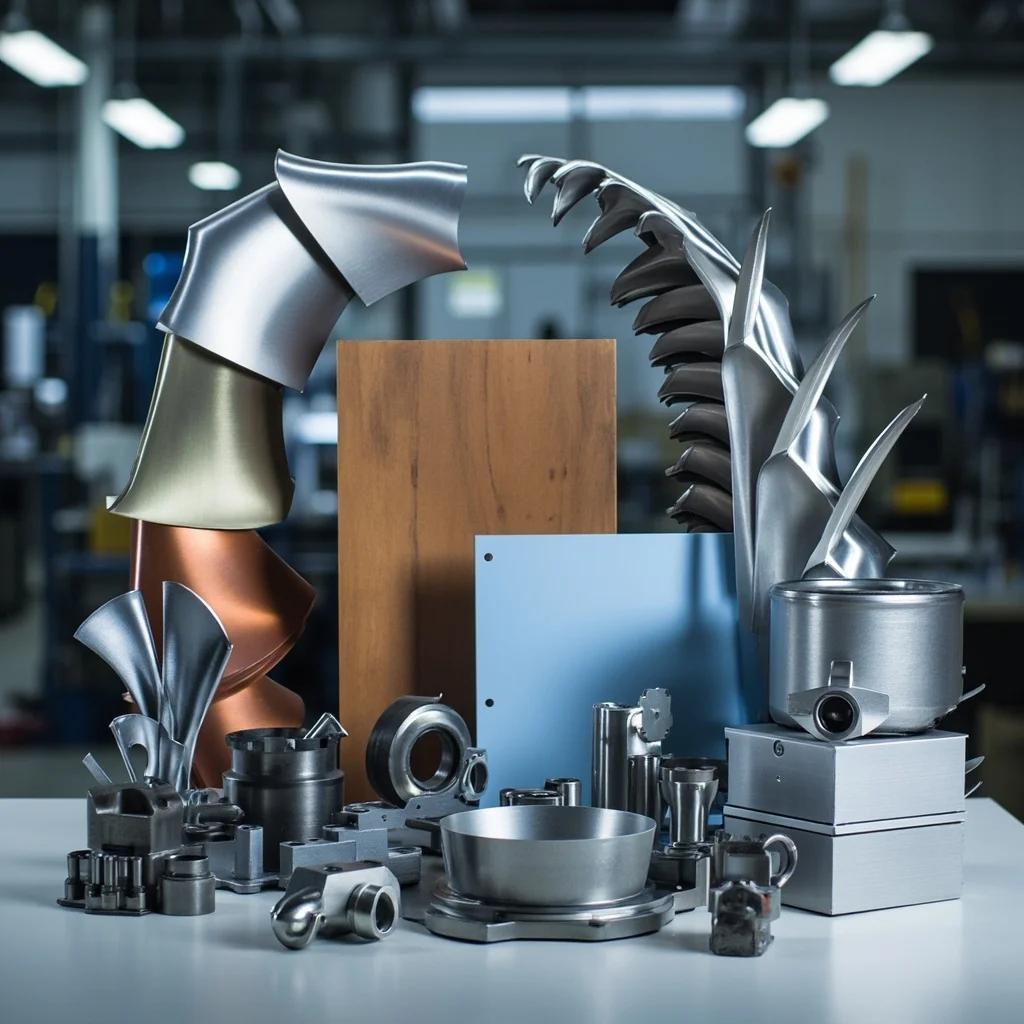
金属制品行业将原材料金属——钢、铝、铜及其合金——转化为成品和半成品,用于建筑、制造、汽车、航空航天和消费品领域。全球市场规模超过2.5万亿美元,是最大、最多元化的工业部门之一。
主要类别:
• 结构金属制品:钢梁、钢柱、桁架、预制建筑、桥梁以及商业和工业建筑的结构框架。制造商根据工程规格切割、焊接和组装结构钢。
• 建筑与装饰金属:楼梯、栏杆、阳台、幕墙框架、装饰板、金属门和窗框——兼具结构功能和美学设计。
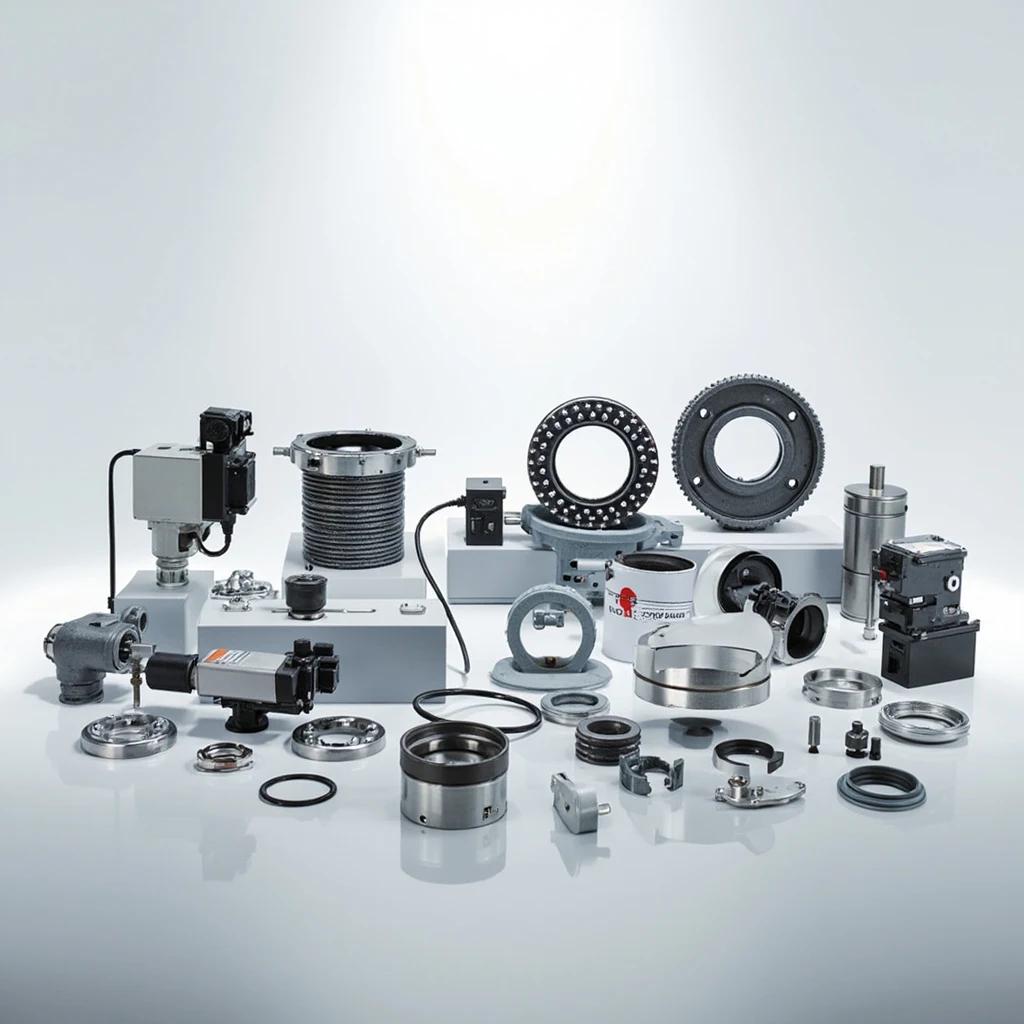
• 五金件与紧固件:螺栓、螺母、螺钉、垫圈、铆钉、锚栓、铰链、锁具、把手——连接建筑世界的基本元件。汽车和航空航天紧固件需要精密公差(微米级)和材料可追溯性。
• 金属容器与包装:钢制和铝制罐(饮料、食品、气雾剂)、桶、工业容器和金属盖。铝制饮料罐是全球回收率最高的包装产品(约69%的全球回收率)。
• 锻件、冲压件和铸件:锻造部件(曲轴、连杆、齿轮)、冲压件(汽车车身面板、家电外壳)和铸件(发动机缸体、泵壳、管件)——近净成形制造,最大限度减少机加工。
• 线材及线材制品:钢丝、电缆、弹簧、金属网、围栏、钉子和焊条。用于轮胎增强的钢帘线是高价值特种产品。
• 金属涂层与表面处理:镀锌(锌)、电镀(铬、镍)、粉末喷涂、阳极氧化(铝)和喷漆——提供防腐蚀保护和美观饰面。
行业动态:金属制品行业的特点是供应链分散且区域化(高重量价值比限制了许多产品的长途运输)、激烈的成本竞争以及日益增长的自动化。激光切割、机器人焊接、CNC加工和增材制造(3D金属打印)正在改变生产力,并实现以前不可能的复杂几何形状。可持续性压力——再生材料含量要求、碳边境税和生命周期评估——正在重塑材料选择和制造工艺。
Leadership in the global metal products industry in 2025-2026 is defined by a company's ability to master three interconnected capabilities: manufacturing depth, portfolio breadth across multiple metal product subcategories, and adaptability to structural shifts in global supply chains. The era of pure-play specialization is giving way to a more nuanced competitive landscape where the most successful companies combine deep vertical integration in core categories with strategic diversification into adjacent metal product segments.
Manufacturing Depth and Vertical Integration
The single most important differentiator between industry leaders and followers is the degree of in-house manufacturing control. Top-ranked companies operate extensive networks of wholly-owned production facilities rather than relying on contract manufacturing. Schaeffler operates 200+ manufacturing locations across 50+ countries, controlling everything from high-precision bearing steel formulation through heat treatment and grinding to final assembly. Stanley Black & Decker maintains major production facilities in North America, Europe, and Asia, with ongoing automation investments to increase productivity. This manufacturing depth provides three critical advantages: quality control throughout the production chain, protection of proprietary process technology, and the ability to rapidly reconfigure production in response to tariff changes or supply disruptions. The 2025 trend of "defensive factory building" — exemplified by Hailiang's rapid ramp-up of its Texas copper tube facility — demonstrates how manufacturing footprint flexibility has become a core strategic capability.
Portfolio Breadth and Category Dominance
The metal products industry encompasses 11 major subcategories ranging from architectural components and mechanical power transmission to industrial packaging and consumer metalware. Leading companies typically dominate at least two or three of these categories. ASSA ABLOY exemplifies focused dominance, controlling the global access solutions market through 23 acquisitions completed in 2025 alone, while maintaining 16.2% operating margins. CIMC commands over 46% of the global dry container market and more than 50% of refrigerated containers — a level of category dominance that provides extraordinary pricing power and customer lock-in. Sandvik's dominance in cemented carbide cutting tools for aerospace, defense, and medical applications illustrates how category leadership in high-value niches can generate superior returns even with smaller absolute revenue.
Supply Chain Adaptability and Regionalization
The most significant structural shift affecting the metal products industry in 2025-2026 is the accelerated regionalization of supply chains in response to trade barriers and geopolitical risk. Companies that have proactively established multi-region manufacturing footprints are outperforming those dependent on single-country export models. The closure of Stanley Black & Decker's 25-year-old Shenzhen facility and the transfer of production to Vietnam and North America exemplifies the painful but necessary restructuring underway across the industry. Conversely, Gestamp's strategy of co-locating 100+ metal stamping plants adjacent to automotive OEM assembly facilities worldwide demonstrates the "local-for-local" manufacturing model that insulates against tariff exposure. SKF's implementation of regional "factories of the future" — fully automated, digitally connected production units — represents the next evolution of this trend.
Digital Transformation and Smart Manufacturing
The integration of Industry 4.0 technologies — IoT sensors, AI-driven predictive maintenance, digital twins, and automated quality inspection — is rapidly separating manufacturing leaders from laggards. Leading companies are achieving 15-25% productivity improvements through smart factory implementations. Schaeffler's investment in humanoid robot technology for manufacturing automation signals the frontier of this transformation. The ability to offer customers digital services — such as SKF's rotating equipment performance monitoring or Sandvik's tool wear prediction algorithms — creates additional revenue streams and deepens customer relationships beyond the physical product transaction.
金属制品制造融合了传统金属加工工艺与先进的数字化制造技术——了解这些工艺对于评估供应商能力和产品质量至关重要。
1. 成型工艺: • 冲压/压制:利用级进模、传递模或串联冲压线将金属板材成型为三维形状——在汽车和家电制造中占主导地位。高速冲压机每分钟可超过1000次冲程。
• 锻造:在极端压力下对金属进行热、温或冷变形——生产出具有优异晶粒结构和疲劳强度的零件。闭模锻造可实现近净成形;开模锻造用于大型部件(涡轮轴、船舶螺旋桨轴)。
• 滚压成型:将长条金属板材连续弯曲成所需截面——适用于大批量型材(屋面板、门框、货架导轨)。
• 挤压:将加热的金属(通常是铝)通过模具挤出,形成恒定截面的长型材——窗户、散热器、结构框架。
2. 切割与机加工: • 激光切割:光纤激光器(3-12千瓦)可切割厚达30毫米的钢材和50毫米的不锈钢——边缘质量优异,热影响区极小。
• 等离子切割:适用于更厚的材料(可达150毫米)——比激光切割快,但精度较低。
• CNC加工:铣削、车削、钻孔,精度可达微米级——对航空航天和医疗部件至关重要。
• 水刀切割:冷切割工艺——无热影响区,适用于对热变形敏感的材料。
3. 连接工艺: • 焊接:MIG/MAG、TIG、点焊、激光焊、搅拌摩擦焊和埋弧焊——接头设计、填充材料选择以及按ASME、AWS或ISO标准进行的焊接工艺评定(WPQ/WPQR)对结构完整性至关重要。
• 机械紧固:螺栓连接、铆接、压接、自冲铆接——用于焊接不可行或需要拆卸的场合。
• 粘接:结构胶粘剂在汽车和航空航天领域越来越多地用于减重和应力分布。
4. 质量标准: • ISO 9001是基础;汽车供应商需IATF 16949;航空航天需AS9100;焊接质量需ISO 3834。
• 尺寸检测:三坐标测量机(CMM)、激光扫描和视觉系统确保零件符合规定公差。
• 无损检测(NDT):超声波、射线、磁粉、渗透和涡流检测可发现内部和表面缺陷。
• 材料认证:带有炉号、化学成分和力学性能的钢厂测试报告(MTR),可追溯到原材料批次。
• 盐雾测试(ASTM B117)用于耐腐蚀性;拉伸、硬度、冲击和疲劳测试按ASTM/ISO标准进行。
The metal products industry is experiencing highly divergent growth trajectories across its 11 major subcategories, with some segments surging at double-digit rates while others face structural decline. Understanding these divergences is essential for investors, procurement professionals, and industry strategists seeking to allocate resources toward the highest-return opportunities in the metal products value chain.
High-Growth Categories (8-15%+ CAGR)
Mechanical Power Transmission Components — including bearings, gears, drive shafts, and precision-machined rotating components — is experiencing exceptional growth driven by three secular megatrends: the global expansion of wind energy (each wind turbine contains 8,000+ precision bearings), the electrification of vehicle powertrains (EV motors require specialized high-speed bearings with ceramic hybrid elements), and the buildout of semiconductor manufacturing equipment (extreme-precision motion control components). Schaeffler's E-Mobility division achieved 7.0% organic growth, while Sandvik's aerospace and defense cutting tool orders surged at double-digit rates. The global bearing market alone is projected to exceed $150 billion by 2030.
Industrial and Commercial Packaging Containers — encompassing aluminum beverage cans, aerosol containers, steel drums, and intermediate bulk containers — benefits from the global shift away from single-use plastics and toward infinitely recyclable metal packaging. The aluminum can market is growing at 4-5% annually, with Ball Corporation shipping 1,119 billion containers in 2025 and Crown Holdings achieving record adjusted EBITDA of $2.09 billion. The "premiumization" trend in beverages (craft beers, hard seltzers, functional drinks in sleek cans) and the expansion of aluminum packaging into new categories (wine, water, ready-to-drink cocktails) provide multi-decade growth visibility.
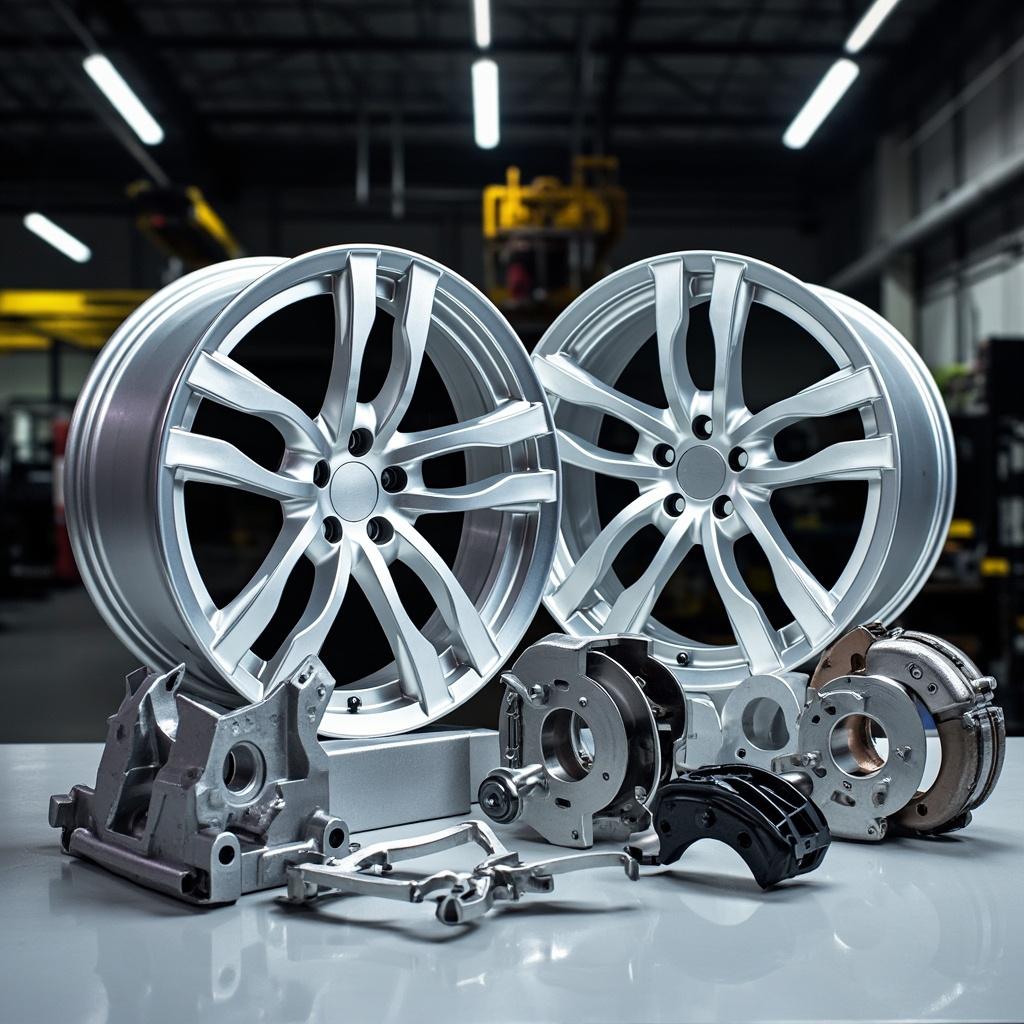
Transportation Metal Components — chassis structural parts, body-in-white stampings, and EV-specific metal components — is being reshaped by the transition from internal combustion to electric vehicle architectures. While traditional engine and transmission metal components face secular decline, EV-specific components (battery tray structures, motor housings, lightweight aluminum and advanced high-strength steel body panels) are growing at 15-20% annually. Gestamp's expertise in hot-stamped ultra-high-strength steel components positions it as a critical supplier for the next generation of lighter, safer vehicles.
Moderate-Growth Categories (3-7% CAGR)
Architectural Metal Components — doors, windows, curtain wall systems, structural connectors, and architectural hardware — is growing in line with global construction activity, with regional variations. ASSA ABLOY's 3% organic growth in 2025 reflects the mature but stable nature of this category, with growth concentrated in commercial construction, infrastructure, and renovation rather than new residential builds.
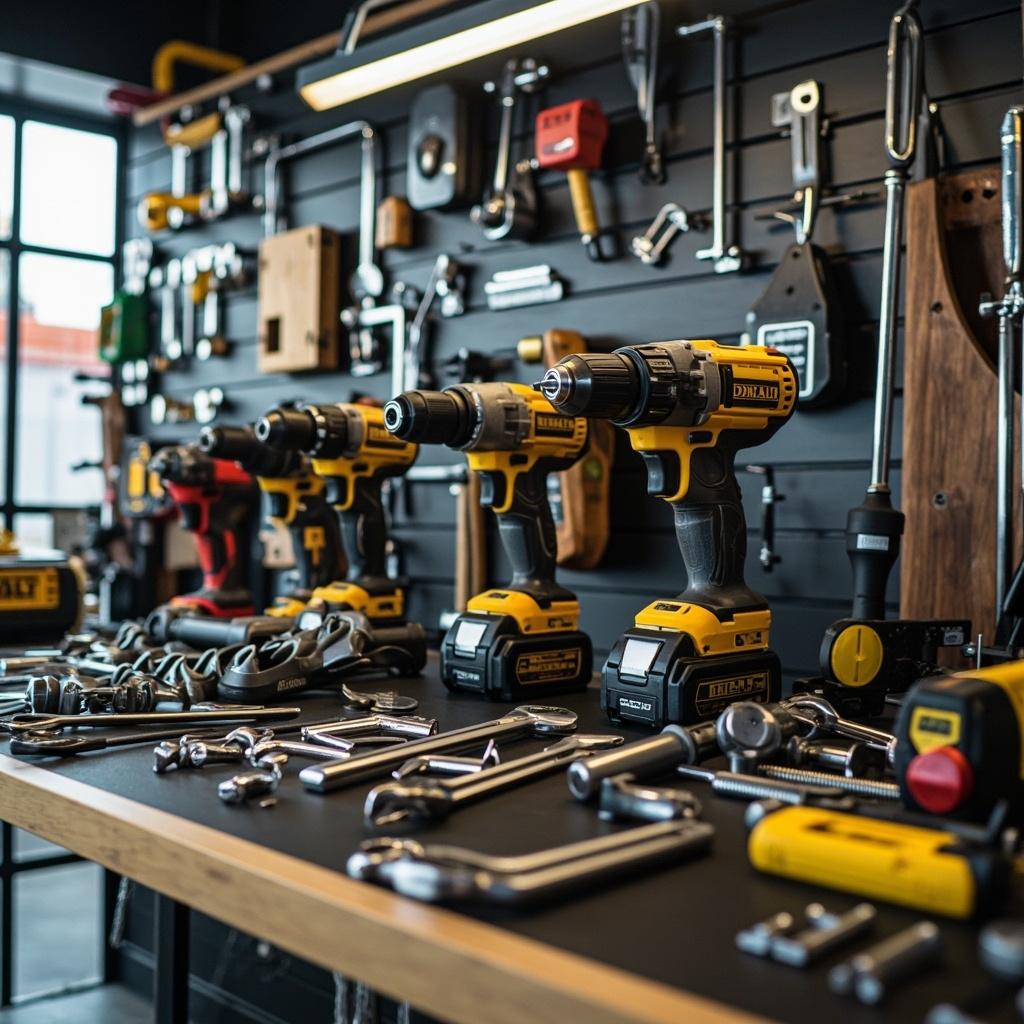
Professional Metal Tools — power tools, hand tools, cutting tools, and pneumatic tools — benefits from the global expansion of professional contractor activity, infrastructure investment, and the DIY/home improvement trend. Stanley Black & Decker and Makita continue to benefit from the electrification of professional tool fleets (cordless replacing corded and pneumatic), while Great Star Industrial's 8.95% net profit growth demonstrates the pricing power available to well-branded tool manufacturers.
Challenged Categories (Flat to Declining)
Consumer Metalware — cookware, cutlery, and household metal goods — faces intense price competition from e-commerce and private-label brands, though premiumization (Groupe SEB's Tefal and WMF brands) provides pockets of profitable growth. The category is increasingly bifurcated between value-oriented mass-market products and premium branded goods with proprietary non-stick coating technologies and design differentiation.
采购金属制品——无论是用于建筑项目、制造供应链还是工业设备——都需要评估技术能力、质量体系、成本竞争力和供应链可靠性。
1. 技术能力评估:评估供应商的设备清单——CNC机床、冲压吨位、焊接认证和测试能力。确认他们能够处理您所需的材料等级、厚度和尺寸公差。要求提供他们生产过的类似项目或产品的案例。
2. 质量体系与认证:至少验证ISO 9001认证。对于关键应用,要求行业特定认证(IATF 16949、AS9100、API、压力设备的PED/ASME)。审查他们的检验和测试程序——过程检验与最终检验、CMM能力、可用的NDT方法以及校准记录。
3. 材料采购与可追溯性:了解供应商的原材料来源。钢铁和铝价格每年可能波动30%以上——与多家钢厂有关系的供应商能提供更好的价格稳定性。对于任何安全关键或受监管的应用,要求材料可追溯性(炉号、钢厂证书)。验证冲突矿产合规性和再生含量声明。
4. 成本结构与到岸总成本:金属制品的重量价值比高——运费可能占总成本的10-30%。评估FOB与到岸价格、包装标准(防锈对海运至关重要)以及付款条件。了解原材料价格波动的影响——许多合同包含与公布金属指数(CRU、Platts、Metal Bulletin)挂钩的附加费机制。
5. 产能与交货期:评估工厂利用率、典型交货期和峰值产能。定制金属制品可能需要6-12周的交货期;标准紧固件和五金件可能从库存发货。了解最小起订量(MOQ)以及供应商是否能随着您的需求增长而扩大生产。
The global metal products industry is experiencing the most significant supply chain restructuring since the end of World War II, driven by escalating tariff barriers, geopolitical tensions, and the strategic imperative of supply chain security. The combined effect of US Section 301 tariffs on Chinese imports, European CBAM (Carbon Border Adjustment Mechanism) implementation, and country-specific trade restrictions is fundamentally altering where and how metal products are manufactured.
The "China + 1" and Nearshoring Acceleration
The most visible manifestation of supply chain restructuring is the accelerated diversification of manufacturing away from single-country dependence. Stanley Black & Decker's decision to close its 25-year-old Shenzhen facility — which served as a critical supply chain hub — and transfer production to Vietnam and North American facilities represents a watershed moment for the industry. This move was driven by the cumulative impact of US tariffs on Chinese-made tools (now reaching 25%+ on many categories) and the strategic imperative to reduce geopolitical risk concentration. The company's "Global Cost Reduction Program" has delivered $21 billion in cumulative savings since 2022, partially offsetting the incremental costs of supply chain restructuring.
Hailiang's Texas Factory: The Defensive FDI Model
In a counterintuitive twist, some Chinese metal products manufacturers are responding to tariffs not by retreating but by building factories inside tariff walls. Zhejiang Hailiang Co., Ltd., the world's largest copper tube manufacturer, has rapidly ramped up its Texas, USA production facility from zero to 50,000 tons of annual capacity, with a target of 90,000 tons by end-2025. This "if you can't export to them, build a factory there" strategy — requiring hundreds of millions of dollars in capital investment — is becoming the template for large-scale Chinese metal products manufacturers seeking to maintain access to the US market. The Texas facility now serves US HVAC, plumbing, and refrigeration customers with domestically manufactured copper tube, completely bypassing tariff exposure.
The European Response: Carbon Border Adjustments
Europe's approach to supply chain restructuring is driven less by traditional tariffs and more by carbon intensity considerations. The EU Carbon Border Adjustment Mechanism (CBAM), which began its transitional phase in 2023 with full implementation scheduled by 2026, imposes a carbon cost on imported metal products based on their embedded emissions. This creates a powerful incentive for metal products manufacturers — both European and foreign — to decarbonize their production processes or face cost disadvantages in the European market. Ball Corporation's achievement of 84% renewable electricity across its global plant network and SKF's target of full carbon neutrality by 2030 are not merely ESG commitments but strategic responses to an evolving regulatory landscape that will increasingly price carbon into product costs.
Supply Chain Resilience Through Regionalization
Beyond tariff avoidance, the supply chain restructuring is driven by the painful lessons of COVID-era disruptions and the recognition that "lowest cost" supply chains are often "least resilient" supply chains. Leading metal products companies are moving toward regional manufacturing models — Gestamp's strategy of 100+ plants located adjacent to automotive OEM assembly plants worldwide is the most extreme example — while ASSA ABLOY's 23 acquisitions in 2025 alone demonstrate the use of M&A to rapidly build regional manufacturing presence. The net effect is a global metal products industry that is becoming less globally integrated and more regionally self-sufficient, with separate supply chains serving North America, Europe, and Asia-Pacific markets. This "regionalization premium" — the incremental cost of maintaining parallel manufacturing footprints — is estimated at 3-5% of COGS but is increasingly accepted as the price of supply chain security.
金属制品制造在全球分布广泛,但某些地区已形成深厚的产业集群,提供无与伦比的规模、专业化和供应链整合。
1. 中国——全球工厂:中国是全球最大的金属制品生产国,产量远超其他国家,占全球钢铁产量的50%以上。主要集群:浙江永康——"中国五金之都",生产门用五金、锁具、厨具和电动工具;东莞和深圳——精密加工和电子外壳;河北省——钢管、线材和结构制造;江苏省——紧固件、弹簧和汽车冲压件。中国的竞争优势包括整合的供应链(钢厂紧邻制造商)、大规模和不断提升的自动化水平。
2. 德国与中欧——精密工程:德国的中小企业(Mittelstand)在高精度金属制品领域占据主导地位——汽车零部件、工业紧固件(Würth、Bossard)、精密加工和工装。意大利(伦巴第、威尼托)在建筑金属、阀门和设计密集型产品方面表现出色。波兰、捷克共和国和斯洛伐克作为西欧制造商的近岸外包目的地正在快速增长。
3. 美国——先进制造:美国金属制品行业在航空航天(精密加工、锻件)、国防、石油天然气设备和建筑紧固件方面实力雄厚。主要集群:中西部(汽车冲压件和锻件——密歇根州、俄亥俄州、印第安纳州)、德克萨斯州(油田设备——休斯顿)和东南部(结构钢、暖通空调——阿拉巴马州、田纳西州)。
4. 印度与东南亚——新兴力量:印度在金属制造、紧固件和铸件方面快速增长——受基础设施支出和汽车制造业推动。越南和泰国正在成为消费金属制品、五金和汽车零部件的增长中心。台湾凭借先进的冷镦和螺纹滚压工业,在电子和汽车高端紧固件领域占据主导地位。
The global metal products industry is at the epicenter of the industrial sustainability revolution, simultaneously facing the greatest decarbonization challenges and the most significant opportunities for circular economy leadership. As the foundational materials sector that supplies every other industry — from construction and automotive to packaging and consumer goods — metal products manufacturers are under intense pressure from customers, regulators, and investors to dramatically reduce their environmental footprint while maintaining cost competitiveness.
The Circular Economy Imperative: Metal as the Ultimate Recyclable Material
Metal's inherent recyclability — it can be recycled infinitely without loss of properties — positions the metal products industry as a natural leader in the circular economy transition. The economic incentives are compelling: producing aluminum from recycled material requires 95% less energy than primary aluminum production, while recycled steel reduces CO2 emissions by 60-70% compared to virgin steel. Ball Corporation has emerged as the industry's circular economy champion, achieving 74% recycled aluminum content across its global packaging portfolio in 2025 and operating its global plant network on 84% renewable electricity. The company shipped 1,119 billion aluminum containers in 2025 — each one infinitely recyclable — and is targeting 85% recycled content by 2030. Crown Holdings similarly achieved a 15-year low net leverage ratio of 2.5x in 2025, reflecting the strong free cash flow generation that sustainable packaging operations can deliver.
Decarbonization of Primary Metal Production
While recycling is the near-term sustainability win, the decarbonization of primary metal production represents the industry's greatest long-term challenge and opportunity. Steel production alone accounts for approximately 7-9% of global CO2 emissions, and the transition from blast furnace to electric arc furnace (EAF) production — combined with green hydrogen-based direct reduced iron (DRI) — requires hundreds of billions of dollars in capital investment over the next two decades. Metal products companies at the top of the value chain are increasingly being evaluated by customers on the carbon intensity of their purchased materials, creating a "green premium" for low-carbon steel and aluminum. SKF has committed to full carbon neutrality by 2030 and is working with suppliers to reduce Scope 3 emissions, while Sandvik offers customers cobalt-free and recycled carbide cutting tool options that reduce the environmental footprint of machining operations.
Product Life Extension Through Remanufacturing and Service
The most advanced sustainability strategies in the metal products industry go beyond materials to embrace product life extension through remanufacturing, repair, and performance-based service models. SKF's bearing remanufacturing service — which restores used bearings to like-new condition at a fraction of the energy and material cost of new production — exemplifies the circular economy in action for industrial components. Similarly, Schaeffler's investment in predictive maintenance technologies and Sandvik's tool reconditioning services extend product lifetimes and reduce total material consumption. These service-based business models also create stronger, more recurring customer relationships and higher lifetime value per customer.
Regulatory Drivers: CBAM, EPR, and ESG Disclosure Mandates
The sustainability transformation of the metal products industry is being accelerated by an expanding web of regulatory requirements. The EU Carbon Border Adjustment Mechanism (CBAM) imposes carbon costs on imported metal products, creating market-based incentives for decarbonization. Extended Producer Responsibility (EPR) regulations in multiple jurisdictions are requiring manufacturers to take financial responsibility for end-of-life product management. The EU Corporate Sustainability Reporting Directive (CSRD) mandates detailed ESG disclosures from large companies operating in Europe, while the US SEC's climate disclosure rules (currently in litigation but expected to be implemented in some form) will require public companies to report Scope 1, 2, and eventually Scope 3 emissions. Companies that have already invested in sustainability measurement and reporting infrastructure — such as ASSA ABLOY, which publishes comprehensive annual sustainability reports aligned with GRI and SASB standards — are best positioned to comply with these evolving requirements while using sustainability performance as a competitive differentiator in customer-facing communications.