在Verity Rank,我们的排名方法基于数据,而非主观意见。我们整合并交叉验证来自多个权威第三方来源的信息,以生成尽可能客观的行业排名。
1. 数据来源——多源交叉验证
我们的主要数据来自四大支柱:
• 国家统计机构:我们收集主要经济体政府统计局的宏观行业数据,包括美国经济分析局、欧盟统计局、中国国家统计局和日本经济产业省。这些数据提供了关于产量、贸易流量和行业收入的经过验证的信息。
• 大学附属研究机构:我们采纳来自顶尖学术机构的同行评审研究和行业报告,如麻省理工学院供应链管理项目、苏黎世联邦理工学院、清华大学经济管理学院和伦敦政治经济学院。这些为我们提供了对技术趋势、材料创新和市场动态的深入洞察。
• AI驱动的全球消费者情绪分析:我们部署自然语言处理算法,分析超过40种语言平台上数百万条消费者评论、社交媒体帖子、论坛讨论和专业买家反馈。这捕捉了传统调查无法获取的实时市场感知。
• 上市公司财务报告:对于上市公司,我们分析美国证券交易委员会文件、年度报告、财报电话会议记录和ESG披露。这为我们提供了经过验证的收入数据、研发支出、利润率和可持续发展承诺。
2. 四维评分模型
每家公司根据四个权重相等的维度进行评估:
• 市场影响力(25%):全球市场份额、收入规模、分销网络广度、服务国家数量以及同比增长率。
• 品牌声誉(25%):消费者满意度评分、专业买家评级、行业奖项和认证、媒体情绪分析以及品牌认知度调查。
• 创新与研发(25%):有效专利数量、研发投入占收入比例、新产品发布频率、技术合作伙伴关系以及对行业标准的贡献。
• 可持续性与道德(25%):环境认证(ISO 14001、LEED等)、碳足迹减排目标、劳工实践与公平贸易合规、供应链透明度以及企业社会责任倡议。
3. 我们对独立性的承诺
我们不接受排名付费。任何公司都不能通过付费来提升排名或被纳入我们的排名。我们的研究团队独立于商业运营。排名每季度更新一次,以反映最新的可用数据。
免责声明:本排名中的数据来自第三方权威来源,包括国家统计机构、大学附属研究机构、AI驱动的全球消费者情绪分析以及上市公司财务报告。排名结果基于多维算法模型,仅供参考和市场决策支持,不构成直接的投资建议或品牌背书。
At Verity Rank, our ranking methodology is built on data, not opinions. We aggregate and cross-validate information from multiple authoritative third-party sources to produce the most objective industry ranking possible.
1. Data Sources — Multi-Source Cross-Verification
Our primary data comes from four pillars:
• National Statistical Agencies: We collect macro-level industry data from government statistical bureaus across major economies, including the U.S. Bureau of Economic Analysis, Eurostat, China''s National Bureau of Statistics, and Japan''s Ministry of Economy, Trade and Industry. These provide verified data on production volumes, trade flows, and industry revenues.
• University-Affiliated Research Institutions: We incorporate peer-reviewed studies and industry reports from leading academic institutions such as MIT''s Supply Chain Management Program, ETH Zurich, Tsinghua University''s School of Economics and Management, and the London School of Economics. These give us deep insights into technology trends, material innovations, and market dynamics.
• AI-Driven Global Consumer Sentiment Analysis: We deploy natural language processing algorithms to analyze millions of consumer reviews, social media posts, forum discussions, and professional buyer feedback across platforms in over 40 languages. This captures real-time market perception that traditional surveys miss.
• Publicly Listed Company Financial Reports: For publicly traded companies, we analyze SEC filings, annual reports, earnings call transcripts, and ESG disclosures. This gives us verified revenue data, R&D spending, profit margins, and sustainability commitments.
2. The Four-Dimensional Scoring Model
Each company is evaluated across four equally weighted dimensions:
• Market Influence (25%): Global market share, revenue scale, distribution network breadth, number of countries served, and year-over-year growth rate.
• Brand Reputation (25%): Consumer satisfaction scores, professional buyer ratings, industry awards and certifications, media sentiment analysis, and brand recognition surveys.
• Innovation & R&D (25%): Number of active patents, R&D investment as percentage of revenue, new product launch frequency, technology partnerships, and contributions to industry standards.
• Sustainability & Ethics (25%): Environmental certifications (ISO 14001, LEED, etc.), carbon footprint reduction targets, labor practices and fair trade compliance, supply chain transparency, and corporate social responsibility initiatives.
3. Our Commitment to Independence
We do not accept payment for rankings. No company can pay to improve its position or to be included in our rankings. Our research team operates independently from our commercial operations. Rankings are updated quarterly to reflect the latest available data.
Disclaimer: The data in this ranking is compiled from third-party authoritative sources, including national statistical agencies, university-affiliated research institutions, AI-driven global consumer sentiment analysis, and publicly listed company financial reports. The ranking results are based on a multi-dimensional algorithm model and are intended for reference and market decision support only. They do not constitute direct investment advice or brand endorsement.
食品饮料行业是一个庞大且相互关联的全球生态系统,将原始农产品转化为每天滋养数十亿人的产品。全球收入超过8万亿美元,是世界经济中规模最大、最具韧性的行业之一。
食品饮料行业的主要细分领域
• 非酒精饮料:瓶装水、碳酸软饮料、果汁、即饮茶和咖啡、运动饮料、能量饮料、功能性饮料(益生菌饮料、维生素水)以及植物基奶。仅此细分市场价值就超过1.2万亿美元。
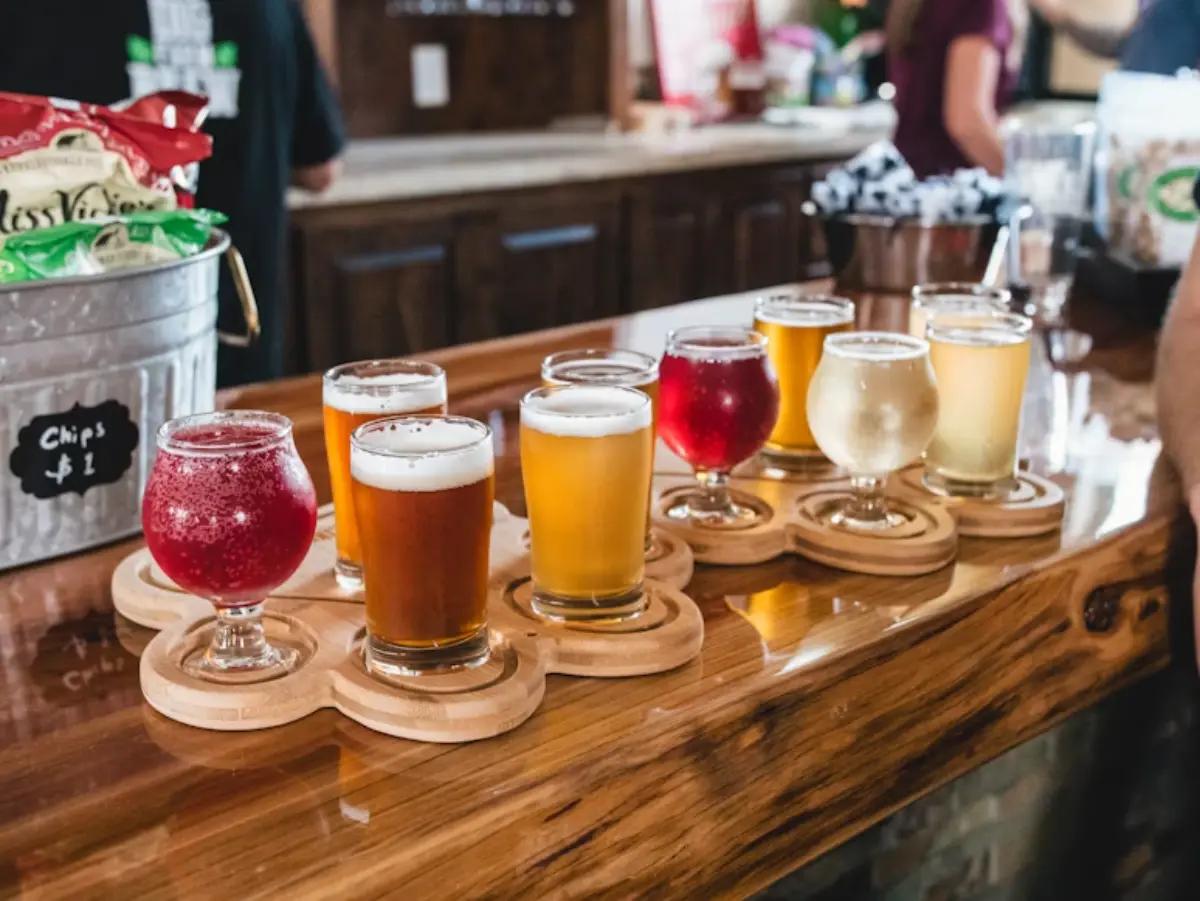
• 酒精饮料:啤酒、葡萄酒、烈酒(威士忌、伏特加、朗姆酒、金酒、白酒)、苹果酒、清酒和即饮鸡尾酒。啤酒按销量仍是全球消费最多的酒精饮料;烈酒按价值领先。
• 乳制品及替代品:牛奶、酸奶、奶酪、黄油、奶油、冰淇淋以及植物基替代品(燕麦奶、杏仁奶、豆奶、椰子酸奶)。乳制品替代品细分市场年增长率达两位数。
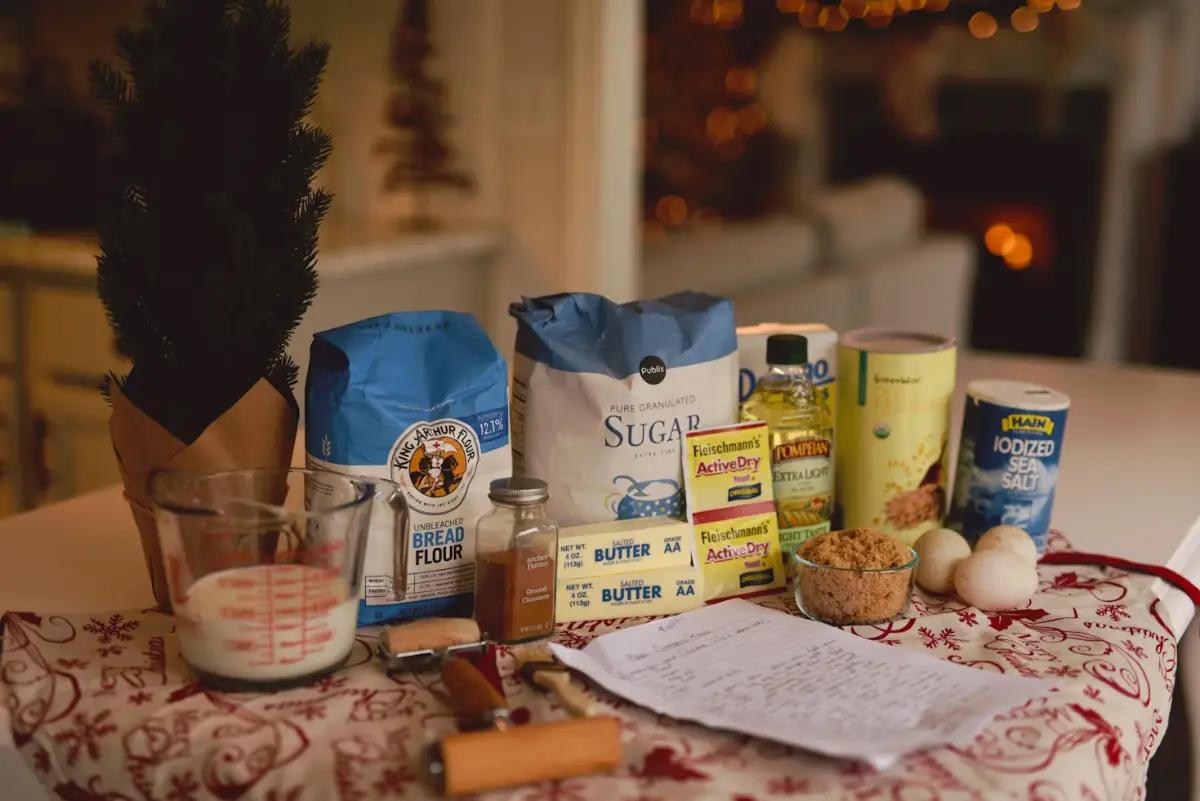
• 烘焙与糖果:面包、糕点、蛋糕、饼干、薄脆饼干、巧克力、糖果和口香糖。手工和高端细分市场增长快于大众市场品类。
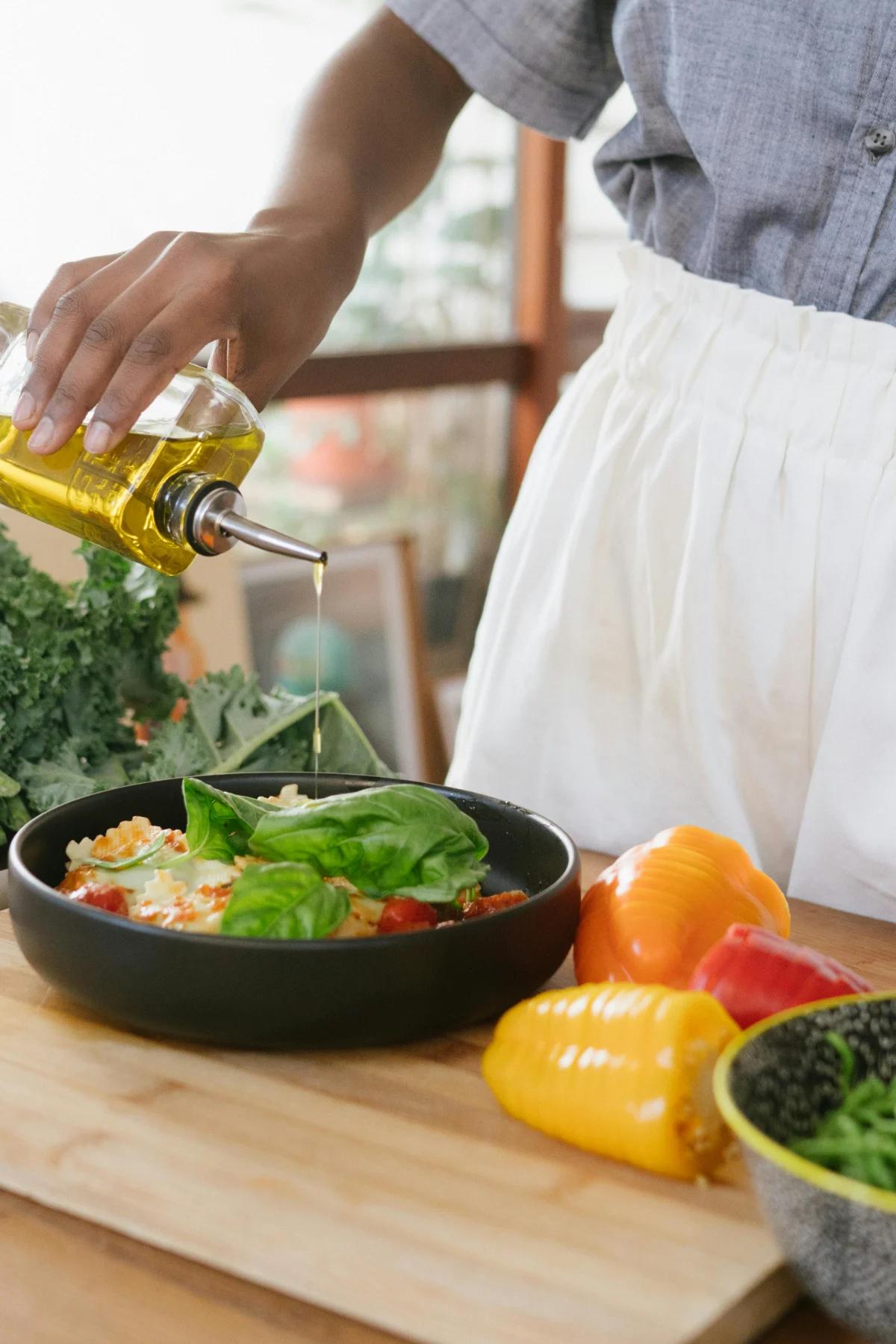
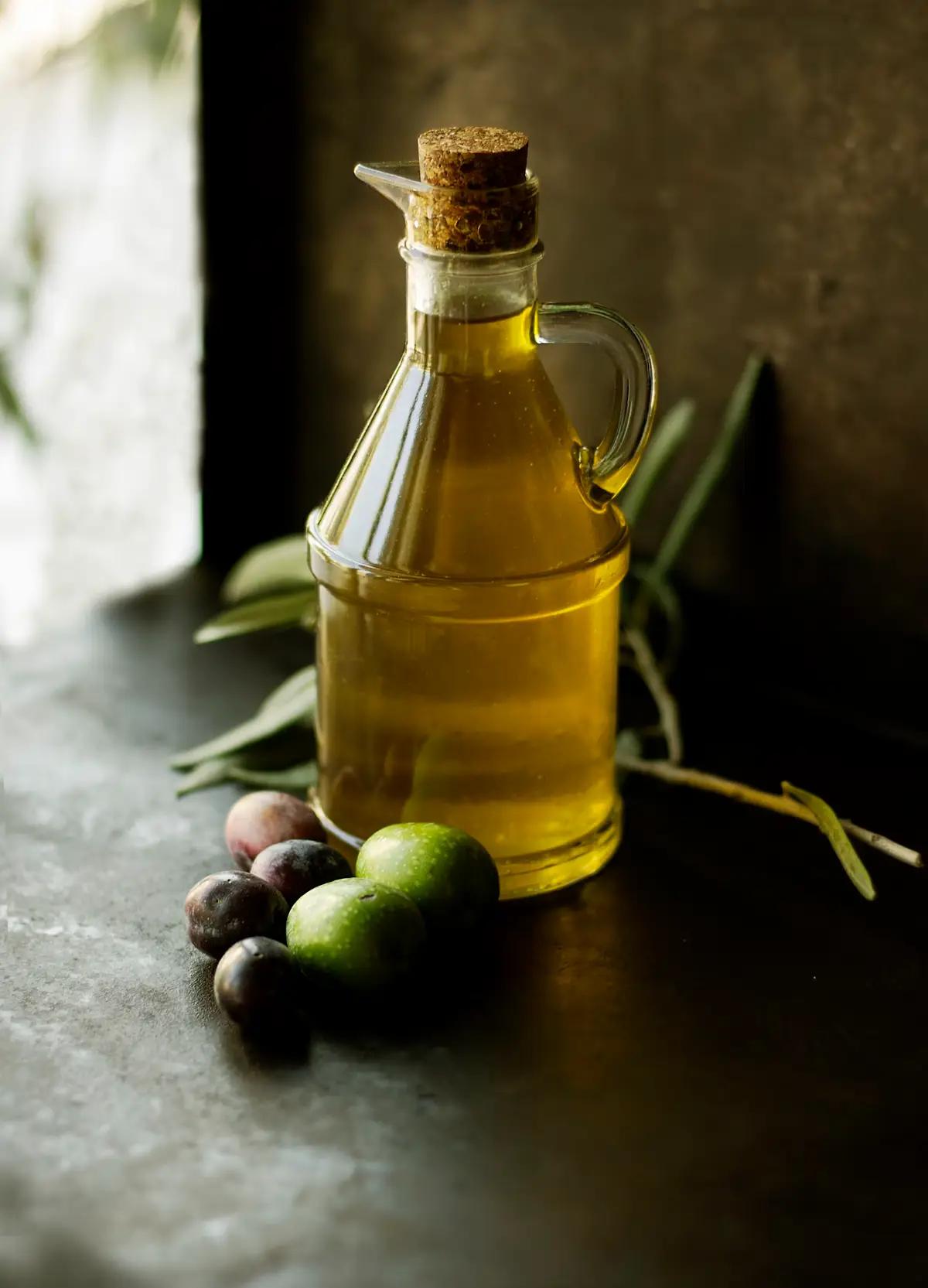
• 加工与包装食品:罐头食品、冷冻餐食、方便面、酱料、调味品、食用油、零食(薯片、坚果、爆米花)和早餐麦片。该细分市场由跨国消费品公司主导。
• 新鲜与易腐食品:肉类、禽类、海鲜、鸡蛋、新鲜农产品和熟食。保质期短需要复杂的冷链物流。
• 餐饮服务与酒店:餐厅、咖啡馆、餐饮服务、机构餐饮(学校、医院、企业食堂)以及云厨房。该细分市场是许多食品制造商的主要客户。
行业特征
食品饮料行业具有几个独特动态:严格的监管监督(食品安全至关重要——由FDA、EFSA和CFDA等机构监管)、薄利高量(大多数食品饮料公司净利润率仅个位数,运营效率至关重要)、强大的零售整合(少数连锁超市和电商平台控制着大量货架空间和定价权)、快速变化的消费者偏好(健康与保健、清洁标签、植物基、功能性益处、可持续性和便利性正在重塑产品开发),以及复杂的全球供应链,必须管理季节性、易腐性、价格波动和地缘政治风险。
“食品”和“饮料”公司之间的界限日益模糊,传统食品公司收购饮料品牌,反之亦然。了解这一相互关联行业的全貌对于做出明智的商业决策至关重要——无论是评估品牌、选择制造商还是分析市场机会。
The food and beverage (F&B) industry is a vast, interconnected global ecosystem that transforms raw agricultural commodities into the products that feed and refresh billions of people daily. With global revenues exceeding $8 trillion, it is one of the largest and most resilient sectors in the world economy.
Major Segments of the F&B Industry
• Non-Alcoholic Beverages: Bottled water, carbonated soft drinks, fruit juices, ready-to-drink (RTD) tea and coffee, sports drinks, energy drinks, functional beverages (probiotic drinks, vitamin waters), and plant-based milks. This segment alone is valued at over $1.2 trillion.
• Alcoholic Beverages: Beer, wine, spirits (whisky, vodka, rum, gin, baijiu), cider, sake, and ready-to-drink cocktails. Beer remains the most consumed alcoholic beverage globally by volume; spirits lead by value.
• Dairy & Dairy Alternatives: Milk, yogurt, cheese, butter, cream, ice cream, and plant-based alternatives (oat milk, almond milk, soy milk, coconut yogurt). The dairy alternatives segment is growing at double-digit rates annually.
• Bakery & Confectionery: Bread, pastries, cakes, cookies, crackers, chocolate, candy, and gum. Artisanal and premium segments are growing faster than mass-market categories.
• Processed & Packaged Foods: Canned goods, frozen meals, instant noodles, sauces, condiments, cooking oils, snacks (chips, nuts, popcorn), and breakfast cereals. This segment is dominated by multinational CPG (consumer packaged goods) companies.
• Fresh & Perishable Foods: Meat, poultry, seafood, eggs, fresh produce, and deli items. Shorter shelf lives require sophisticated cold chain logistics.
• Food Service & Hospitality: Restaurants, cafes, catering, institutional food service (schools, hospitals, corporate cafeterias), and cloud kitchens. This segment is the primary customer for many food manufacturers.
Industry Characteristics
The F&B industry is defined by several unique dynamics: intense regulatory oversight (food safety is paramount — governed by agencies like the FDA, EFSA, and CFDA), thin margins and high volumes (most F&B companies operate on single-digit net margins, making operational efficiency critical), powerful retail consolidation (a handful of supermarket chains and e-commerce platforms control significant shelf space and pricing power), rapidly shifting consumer preferences (health & wellness, clean label, plant-based, functional benefits, sustainability, and convenience are reshaping product development), and complex global supply chains that must manage seasonality, perishability, price volatility, and geopolitical risks.
The line between "food" and "beverage" companies is increasingly blurred, as traditional food companies acquire beverage brands and vice versa. Understanding the full scope of this interconnected industry is essential for making informed business decisions — whether you''re evaluating a brand, selecting a manufacturer, or analyzing market opportunities.
食品饮料行业处于科学、监管和消费者信任的交汇点——几个关键因素将行业领导者与追随者区分开来。
1. 食品安全管理体系
这对任何食品饮料公司都是生死攸关的。一次食品安全事故就能在一夜之间摧毁数十年的品牌资产。领先公司实施多层安全体系:HACCP(危害分析与关键控制点)——识别和控制危害的基础方法;ISO 22000 和 FSSC 22000——国际公认的食品安全管理认证;BRCGS(英国零售商协会全球标准)——最广泛使用的GFSI基准标准,对供应英国和欧洲零售商尤为重要;SQF(安全质量食品)——在北美零售供应链中占主导地位。除认证外,领先公司还投资于环境病原体监测、过敏原管理计划、异物检测(X光、金属检测、光学分选)和供应商验证计划。区块链追溯正成为一种强大工具——沃尔玛、雀巢和家乐福已实施区块链系统,可在数秒内将产品从货架追溯到农场,而非数天。
2. 产品创新与研发
食品饮料创新格局比以往任何时候都更加活跃。关键创新方向包括:清洁标签配方改良——去除人工色素、香精、防腐剂,用天然替代品替换,同时不损害口感、质地或保质期。植物基蛋白创新——通过精密发酵、菌丝体蛋白和先进挤压技术改善肉类和乳制品替代品的感官体验。功能性和强化产品——添加益生菌、益生元、适应原(南非醉茄、灵芝)、益智药(L-茶氨酸、猴头菇)和靶向营养素(维生素D、Omega-3、胶原蛋白)。减糖——使用天然甜味剂(甜菊糖、罗汉果、阿洛酮糖)、纤维基填充剂和风味调节技术,在保持甜味感知的同时降低糖含量。可持续包装创新——从多层复合膜(不可回收)转向单一材料结��、可堆肥包装以及补充/再利用系统。
3. 供应链管理
食品饮料供应链必须应对独特挑战:易腐性(从生产到消费的冷链完整性)、季节性(作物收获、节日需求高峰)、大宗商品价格波动(小麦、玉米、糖、可可、咖啡、乳制品——价格一年内可波动50%以上),以及地缘政治风险(贸易争端、制裁、航运路线中断)。一流公司对关键大宗商品采用对冲策略,维持多源原料组合以降低集中风险,投资于使用AI和机器学习的预测性需求规划,并构建区域生产网络以灵活调配跨市场产能。
4. 监管导航
不同市场具有根本不同的监管框架。FDA(美国)侧重于食品安全、标签准确性和健康声明证实。EFSA(欧盟)采用预防原则,对新型食品、转基因生物和健康声明有更严格的标准。CFDA(中国)通过2015年食品安全法和持续监管更新迅速现代化了其食品安全框架。FSSAI(印度)正在为庞大且多样化的国内市场建立全面标准。全球运营的公司必须为每个市场应对不同的获批成分清单、标签要求、营养事实面板格式和健康声明法规——这是一项重大的运营复杂性,为具有成熟监管专业知识的公司创造了进入壁垒和竞争优势。
5. 可持续发展与ESG
在食品饮料行业,可持续发展已从“锦上添花”变为“运营许可”:碳减排——与科学碳目标倡议(SBTi)一致的范围1、2和3排放目标;水资源管理——对饮料公司和农业供应链尤为关键;再生农业——投资于恢复土壤健康、固碳和增强生物多样性的农业实践;可持续采购——雨林联盟、公平贸易、RSPO(棕榈油)、MSC/ASC(海鲜)等认证;减少食物浪费——到2030年将食物浪费减半的目标(联合国可持续发展目标12.3),公司实施再分配计划、升级再造和废物能源化解决方案。
The food and beverage industry operates at the intersection of science, regulation, and consumer trust — and several critical factors distinguish industry leaders from followers.
1. Food Safety Management Systems
This is existential for any F&B company. A single food safety failure can destroy decades of brand equity overnight. Leading companies implement multi-layered safety systems: HACCP (Hazard Analysis and Critical Control Points) — the foundational methodology for identifying and controlling hazards; ISO 22000 and FSSC 22000 — internationally recognized food safety management certifications; BRCGS (British Retail Consortium Global Standards) — the most widely used GFSI-benchmarked standard, particularly important for supplying UK and European retailers; SQF (Safe Quality Food) — dominant in North American retail supply chains. Beyond certification, leading companies invest in environmental pathogen monitoring, allergen management programs, foreign material detection (X-ray, metal detection, optical sorting), and supplier verification programs. Blockchain traceability is emerging as a powerful tool — Walmart, Nestlé, and Carrefour have implemented blockchain systems that can trace a product from store shelf back to the farm in seconds rather than days.
2. Product Innovation & R&D
The F&B innovation landscape is more dynamic than ever. Key innovation vectors include: Clean label reformulation — removing artificial colors, flavors, preservatives, and replacing them with natural alternatives without compromising taste, texture, or shelf life. Plant-based protein innovation — improving the sensory experience of meat and dairy alternatives through precision fermentation, mycelium-based proteins, and advanced extrusion technologies. Functional and fortified products — adding probiotics, prebiotics, adaptogens (ashwagandha, reishi), nootropics (L-theanine, lion''s mane), and targeted nutrients (vitamin D, omega-3s, collagen). Sugar reduction — using natural sweeteners (stevia, monk fruit, allulose), fiber-based bulking agents, and flavor modulation technologies to reduce sugar content while maintaining sweetness perception. Sustainable packaging innovation — transitioning from multi-layer laminates (non-recyclable) to mono-material structures, compostable packaging, and refill/reuse systems.
3. Supply Chain Management
F&B supply chains must manage unique challenges: perishability (cold chain integrity from production to consumption), seasonality (crop harvests, holiday demand spikes), commodity price volatility (wheat, corn, sugar, cocoa, coffee, dairy — prices can swing 50%+ in a year), and geopolitical risk (trade disputes, sanctions, shipping route disruptions). Best-in-class companies employ hedging strategies for key commodities, maintain multi-sourced ingredient portfolios to reduce concentration risk, invest in predictive demand planning using AI and machine learning, and build regional production networks that can flex capacity across markets.
4. Regulatory Navigation
Different markets have fundamentally different regulatory frameworks. FDA (US) focuses on food safety, labeling accuracy, and health claims substantiation. EFSA (EU) applies the precautionary principle and has stricter standards for novel foods, GMOs, and health claims. CFDA (China) has rapidly modernized its food safety framework with the 2015 Food Safety Law and ongoing regulatory updates. FSSAI (India) is building comprehensive standards for a massive and diverse domestic market. Companies operating globally must navigate different approved ingredient lists, labeling requirements, nutrition fact panel formats, and health claim regulations for each market — a significant operational complexity that creates barriers to entry and competitive advantages for companies with established regulatory expertise.
5. Sustainability & ESG
Sustainability has moved from "nice-to-have" to "license-to-operate" in the F&B industry: Carbon reduction — Scope 1, 2, and 3 emissions targets aligned with Science Based Targets initiative (SBTi); Water stewardship — particularly critical for beverage companies and agricultural supply chains; Regenerative agriculture — investing in farming practices that restore soil health, sequester carbon, and enhance biodiversity; Sustainable sourcing — certifications like Rainforest Alliance, Fair Trade, RSPO (palm oil), MSC/ASC (seafood); Food waste reduction — target of halving food waste by 2030 (UN SDG 12.3), with companies implementing redistribution programs, upcycling, and waste-to-energy solutions.
采购食品饮料产品需要应对安全法规、质量标准、供应链物流和不断变化的消费者需求这一独特复杂的局面。无论您是超市采购员、连锁餐厅采购经理、酒店餐饮总监还是进口商/分销商,以下框架将帮助您系统评估供应商。
1. 食品安全与质量认证
这是绝对底线——没有认证,就没有业务:
• 核实来自认可认证机构的HACCP、ISO 22000、FSSC 22000 或 BRCGS 认证。检查证书有效期和范围(是否涵盖您采购的具体产品类别?)。
• 对于高风险类别(乳制品、��类、海鲜、即食食品),要求提供环境监测数据,显示病原体控制有效性。
• 审查其召回历史——该公司在过去3-5年内是否有产品召回?如果有,实施了哪些纠正措施?
• 评估其追溯系统:他们能否在4小时内进行模拟召回,将产品批次从成品追溯到原材料供应商?行业基准是2-4小时实现完全前向和后向追溯。
2. 产品质量与一致性
• 感官评估:组织盲测,将供应商样品与竞争对手和黄金标准进行比较。口味是主观的,但市场成功不是——使用训练有素的感官小组或消费者测试。
• 保质期验证:要求提供加速保质期测试数据和实时老化研究。了解产品的失效模式——是微生物腐败、质地退化、风味损失还是颜色变化?
• 规格符合性:审查过去10个生产批次的检验证书(COA)与商定规格的对比。寻找趋势(逐渐漂移表明工艺不稳定)以及超标事件。
• 营养准确性:通过独立实验室测试验证营养面板声明。糖、脂肪或蛋白质含量的差异可能引发监管行动和消费者诉讼。
3. 生产能力与可靠性
• 产能评估:工厂当前利用率是多少?利用率超过95%的工厂没有增长空间。理想利用率为70-85%——高效但留有扩展余地。
• 冗余:供应商是否有多条生产线?多个工厂?他们的业务连续性计划如何应对设备故障、自然灾害或原材料短缺?
• 交货时间可靠性:要求提供过去12个月的准时交货绩效数据。95%以上的OTIF(准时、足量)率是可靠供应商的基准。
• 最小起订量(MOQ):供应商能否满足您的初始订单量并随您增长而扩展?一些大型制造商不接受低于一定门槛的订单。
4. 法规与市场准入
• 标签合规:供应商能否生产符合目标市场要求的标签——成分声明、过敏原声明、营养事实面板、原产国标签以及任何强制性警告?
• 进口资格:确认产品类别是否允许进口到目标市场。某些产品面临配额、关税或 outright 禁令(例如,某些奶酪品种、特定国家的肉类产品)。
• 特定市场认证:清真认证(各国要求不同——马来西亚JAKIM、印度尼西亚MUI、美国IFANCA)、犹太洁食认证(OU、OK、Star-K)、有机认证(美国农业部有机、欧盟有机、JAS)以及非转基因项目验证——每种都需要单独的认证流程。
• 新兴法规:领先于影响可可、咖啡、棕榈油和大豆的欧盟森林砍伐法规(EUDR);包装正面营养标签(欧盟的Nutri-Score、澳大利亚的健康星级评级、拉丁美洲强制性高糖/脂肪/盐警告)。
5. 商业条款与合作伙伴质量
• 总拥有成本:FOB价格只是起点。考虑运费、保险、关税、仓储、质量检验、产品开发成本以及短保质期库存的潜在核销。
• 创新合作伙伴:供应商是否带来新产品创意、市场洞察和配方专业知识?最好的供应商是创新合作伙伴,而不仅仅是接单者。
• 关系稳定性:供应商与主要客户合作了多久?高客户流失率是危险信号。长期关系表明可靠性和相互投资。
• 排他性与知识产权保护:如果您开发定制配方或自有品牌产品,确保就配方所有权、排他期和竞业禁止条款达成明确协议。
Sourcing food and beverage products requires navigating a uniquely complex landscape of safety regulations, quality standards, supply chain logistics, and shifting consumer demands. Whether you''re a supermarket buyer, a restaurant chain procurement manager, a hotel F&B director, or an importer/distributor, the following framework will help you evaluate suppliers systematically.
1. Food Safety & Quality Certifications
This is the absolute baseline — no certification, no business:
• Verify HACCP, ISO 22000, FSSC 22000, or BRCGS certification from accredited certification bodies. Check certificate validity dates and scope (does it cover the specific product categories you''re buying?).
• For high-risk categories (dairy, meat, seafood, ready-to-eat), demand environmental monitoring data showing pathogen control effectiveness.
• Review their recall history — has the company had product recalls in the past 3-5 years? If so, what corrective actions were implemented?
• Assess their traceability system: Can they perform a mock recall and trace a product batch from finished good back to raw material supplier within 4 hours? The industry benchmark is 2-4 hours for full forward and backward traceability.
2. Product Quality & Consistency
• Sensory evaluation: Organize blind taste tests comparing supplier samples against competitors and gold standards. Taste is subjective but market success is not — use trained sensory panels or consumer testing.
• Shelf life validation: Request accelerated shelf life testing data and real-time aging studies. Understand the product''s failure mode — is it microbial spoilage, texture degradation, flavor loss, or color change?
• Specification adherence: Review Certificates of Analysis (COA) against agreed specifications for the last 10 production batches. Look for trends (gradual drift indicates process instability) as well as out-of-spec incidents.
• Nutritional accuracy: Verify nutritional panel claims through independent lab testing. Discrepancies in sugar, fat, or protein content can trigger regulatory actions and consumer lawsuits.
3. Production Capacity & Reliability
• Capacity assessment: What''s the factory''s current utilization rate? A factory running at 95%+ capacity has no room for your growth. Ideal utilization is 70-85% — efficient but with expansion headroom.
• Redundancy: Does the supplier have multiple production lines? Multiple facilities? What''s their business continuity plan for equipment failure, natural disasters, or raw material shortages?
• Lead time reliability: Request on-time delivery performance data for the past 12 months. A 95%+ OTIF (On Time, In Full) rate is the benchmark for reliable suppliers.
• Minimum Order Quantities (MOQ): Can the supplier accommodate your initial order volumes and scale as you grow? Some large manufacturers won''t entertain orders below a certain threshold.
4. Regulatory & Market Access
• Label compliance: Can the supplier produce labels that meet your target market''s requirements — ingredient declarations, allergen statements, nutrition facts panels, country of origin labeling, and any mandatory warnings?
• Import eligibility: Verify that the product category is eligible for import into your target market. Some products face quotas, tariffs, or outright bans (e.g., certain cheese varieties, meat products from specific countries).
• Certifications for specific markets: Halal certification (varying country requirements — JAKIM for Malaysia, MUI for Indonesia, IFANCA for US), Kosher certification (OU, OK, Star-K), Organic certification (USDA Organic, EU Organic, JAS), and Non-GMO Project Verified — each requires separate certification processes.
• Emerging regulations: Stay ahead of regulations like EU Deforestation Regulation (EUDR) impacting cocoa, coffee, palm oil, and soy; front-of-pack nutrition labeling (Nutri-Score in EU, Health Star Rating in Australia, mandatory high-in-sugar/fat/salt warnings in Latin America).
5. Commercial Terms & Partnership Quality
• Total cost of ownership: FOB price is just the starting point. Factor in freight, insurance, duties, warehousing, quality inspection, product development costs, and potential write-offs for short-dated stock.
• Innovation partnership: Does the supplier bring new product ideas, market insights, and formulation expertise? The best suppliers act as innovation partners, not just order-takers.
• Relationship stability: How long has the supplier worked with their key customers? High customer churn is a red flag. Long-tenured relationships suggest reliability and mutual investment.
• Exclusivity and IP protection: If you''re developing custom formulations or private label products, ensure clear agreements on recipe ownership, exclusivity periods, and non-compete clauses.
全球食品饮料行业由拥有百年品牌的大型跨国集团、颠覆传统品类的敏捷创新者以及服务独特文化偏好的区域冠军共同主导。了解这一竞争格局对于市场分析、投资决策和战略规划至关重要。
1. 北美——消费品巨头
美国拥有全球最大的食品饮料公司和最成熟的消费市场。主要参与者包括百事公司(860亿美元收入——零食和饮料,包括乐事、佳得乐、百事可乐、桂格)、可口可乐(450亿美元——全球最有价值的非酒精饮料品牌,业务遍及200多个国家)、亿滋国际(360亿美元——奥利奥、吉百利、三角巧克力)、卡夫亨氏(260亿美元——调味品、酱料和餐食解决方案)、通用磨坊(200亿美元——麦片、酸奶、零食)、泰森食品(530亿美元——全球第二大肉类加工商)以及嘉吉(1770亿美元——美国最大私营公司,主导谷物贸易和食品配料)。北美公司在品牌建设、营销成熟度和分销规模方面领先。
2. 欧盟——传承、品质与全球品牌
欧洲是许多全球最具标志性食品饮料品牌的发源地:雀巢(瑞士——1000亿美元收入,全球最大食品饮料公司,拥有2000多个品牌,包括雀巢咖啡、奇巧、普瑞纳)、联合利华(英国/荷兰——600亿欧元,好乐门、家乐、Ben & Jerry''s、立顿)、达能(法国——280亿欧元,全球乳制品、早期营养品和饮用水领导者)、百威英博(比利时——590亿美元,全球最大啤酒酿造商,拥有百威、时代、科罗娜)、喜力(荷兰——350亿欧元)、帝亚吉欧(英国——200亿美元,全球最大烈酒公司,拥有尊尼获加、斯米诺、健力士)、保乐力加(法国——120亿欧元)、拉克塔利斯(法国——全球最大乳制品公司)、费列罗(意大利——能多益、健达、费列罗巧克力)以及百乐嘉利宝(瑞士——全球最大巧克力制造商)。欧洲食品饮料公司的特点是强大的传承品牌、高端定位以及在可持续性和可追溯性方面的领导力。
3. 亚太——增长、规模与区域巨头
亚洲食品饮料市场以大规模和独特的区域偏好为特征:
• 中国:拥有贵州茅台(按市值计算全球最有价值的饮料公司——白酒)、五粮液(白酒)、伊利和蒙牛(乳业巨头)、中粮集团(国有农业和食品集团)、万洲国际(全球最大猪肉加工商,拥有史密斯菲尔德食品)、青岛啤酒和华润啤酒(啤酒酿造)。中国食品饮料公司越来越多地收购国际品牌并向全球扩张。
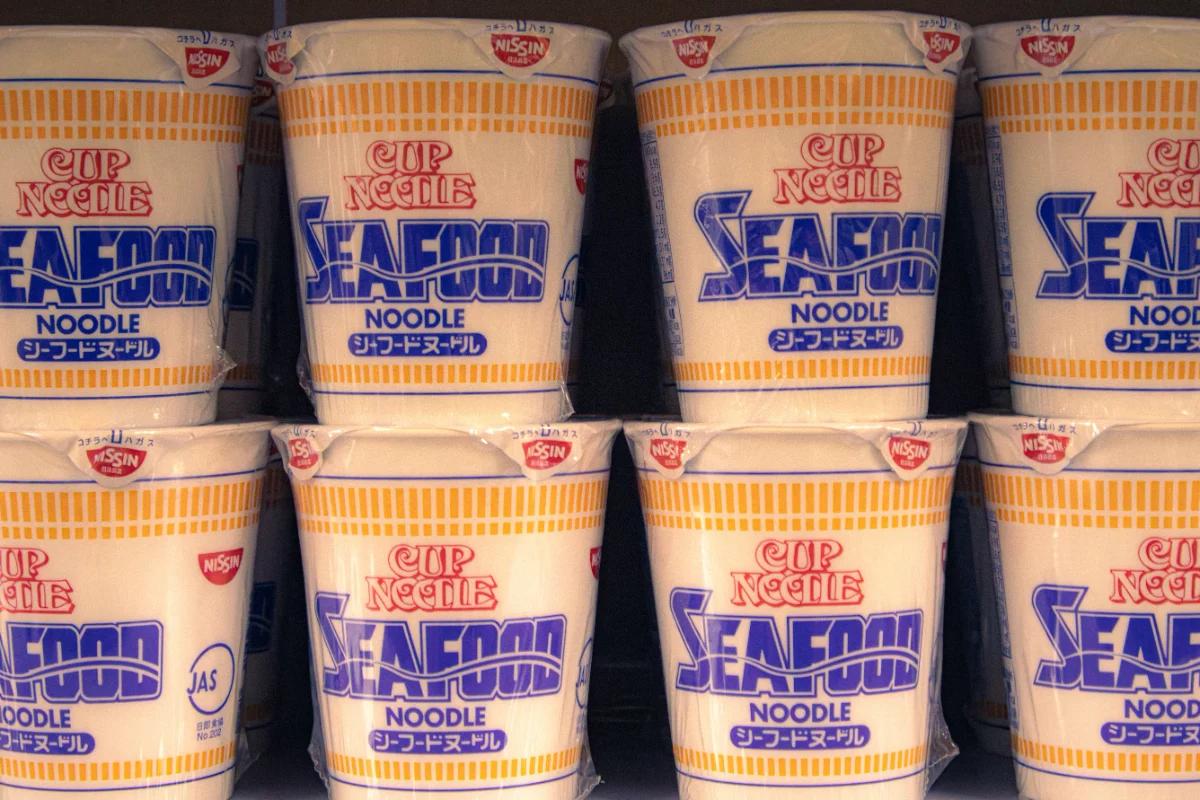
• 日本:以优质品质和创新闻名——三得利(威士忌、饮料)、麒麟、朝日(啤酒酿造、饮料)、味之素(调味品、氨基酸)、日清食品(方便面先驱)、明治和森永(糖果、乳制品)。日本公司在功能性食品、高端定位和研发强度方面表现出色。
• 印度:由ITC(多元化食品饮料、酒店)、Britannia(烘焙食品)、Amul(GCMMF)——全球最大乳制品合作社之一、Parle(饼干)和塔塔消费品(茶、咖啡、盐)引领。
• 东南亚:ThaiBev(泰国——饮料)、正大集团(CP Group)(泰国——全球最大动物饲料和综合畜牧公司)、Indofood(印度尼西亚——方便面)、生力集团(菲律宾——多元化食品饮料)。
4. 拉丁美洲——大宗商品实力与区域品牌
JBS(巴西——全球最大肉类加工商,710亿美元收入)、BRF(巴西——家禽和加工食品)、Ambev(巴西——百威英博的拉丁美洲子公司)、宾堡集团(墨西哥——全球最大烘焙公司)、FEMSA/可口可乐FEMSA(墨西哥——按销量计最大可口可乐装瓶商)、Arcor(阿根廷——糖果)。拉丁美洲公司正在国际扩张,其中几家已成为真正的全球参与者。
5. 中东与非洲——新兴冠军
Almarai(沙特阿拉伯——中东最大垂直整合乳制品公司)、Savola集团(沙特阿拉伯——食用油、糖、零售)、Tiger Brands(南非——多元化食品饮料)、丹格特集团(尼日利亚——糖、盐、面粉)。
关键趋势:整合与投资组合重塑
全球食品饮料行业正经历前所未有的投资组合转型。大型集团正在剥离增长较慢的品类(卡夫亨氏、雀巢、联合利华均已剥离品牌),同时收购健康与保健、植物基、功能性饮料以及高端/特色品类等高增长细分领域。与此同时,数千个挑战者品牌——许多由风险投资支持——通过更快、更真实、更数字化原生,从现有企业手中夺取市场份额。食品饮料的竞争动态从未如此流动,理解全球巨头、区域冠军和新兴品牌之间的相互作用对于任何在该领域运营的人来说都至关重要。
The global food and beverage industry is dominated by a mix of multinational conglomerates with century-old brands, agile innovators disrupting traditional categories, and regional champions serving distinct cultural preferences. Understanding this competitive landscape is essential for market analysis, investment decisions, and strategic planning.
1. North America — The Consumer Packaged Goods Powerhouse
The United States is home to the world''s largest F&B companies and the most sophisticated consumer market. Key players include PepsiCo ($86B revenue — snacks and beverages including Lay''s, Gatorade, Pepsi, Quaker), Coca-Cola ($45B — the world''s most valuable non-alcoholic beverage brand with a presence in 200+ countries), Mondelez International ($36B — Oreo, Cadbury, Toblerone), Kraft Heinz ($26B — condiments, sauces, and meal solutions), General Mills ($20B — cereals, yogurt, snacks), Tyson Foods ($53B — world''s second-largest meat processor), and Cargill ($177B — the largest privately held company in the US, dominating grain trading and food ingredients). North American companies lead in brand building, marketing sophistication, and distribution scale.
2. European Union — Heritage, Quality, and Global Brands
Europe is the birthplace of many of the world''s most iconic F&B brands: Nestlé (Switzerland — $100B revenue, world''s largest F&B company with 2,000+ brands including Nescafé, KitKat, Purina), Unilever (UK/Netherlands — €60B, Hellmann''s, Knorr, Ben & Jerry''s, Lipton), Danone (France — €28B, global leader in dairy, early life nutrition, and water), AB InBev (Belgium — $59B, world''s largest brewer with Budweiser, Stella Artois, Corona), Heineken (Netherlands — €35B), Diageo (UK — $20B, world''s largest spirits company with Johnnie Walker, Smirnoff, Guinness), Pernod Ricard (France — €12B), Lactalis (France — world''s largest dairy company), Ferrero (Italy — Nutella, Kinder, Ferrero Rocher), and Barry Callebaut (Switzerland — world''s largest chocolate manufacturer). European F&B companies are characterized by strong heritage brands, premium positioning, and leadership in sustainability and traceability.
3. Asia-Pacific — Growth, Scale, and Regional Giants
Asia''s F&B market is defined by massive scale and distinct regional preferences:
• China: Home to Kweichow Moutai (the world''s most valuable beverage company by market cap — baijiu), Wuliangye (baijiu), Yili and Mengniu (dairy giants), COFCO (state-owned agribusiness and food conglomerate), WH Group (world''s largest pork processor, owner of Smithfield Foods), Tsingtao and China Resources Beer (brewing). Chinese F&B companies are increasingly acquiring international brands and expanding globally.
• Japan: Renowned for premium quality and innovation — Suntory (whisky, beverages), Kirin, Asahi (brewing, beverages), Ajinomoto (seasonings, amino acids), Nissin Foods (instant noodles pioneer), Meiji and Morinaga (confectionery, dairy). Japanese companies excel in functional foods, premium positioning, and R&D intensity.
• India: Led by ITC (diversified F&B, hotels), Britannia (baked goods), Amul (GCMMF) — one of the world''s largest dairy cooperatives, Parle (biscuits), and Tata Consumer Products (tea, coffee, salt).
• Southeast Asia: ThaiBev (Thailand — beverages), Charoen Pokphand (CP Group) (Thailand — world''s largest animal feed and integrated livestock company), Indofood (Indonesia — instant noodles), San Miguel (Philippines — diversified F&B).
4. Latin America — Commodity Power and Regional Brands
JBS (Brazil — world''s largest meat processor, $71B revenue), BRF (Brazil — poultry and processed foods), Ambev (Brazil — AB InBev''s Latin American subsidiary), Grupo Bimbo (Mexico — world''s largest bakery company), FEMSA/Coca-Cola FEMSA (Mexico — largest Coca-Cola bottler by volume), Arcor (Argentina — confectionery). Latin American companies are expanding internationally, with several becoming truly global players.
5. Middle East & Africa — Emerging Champions
Almarai (Saudi Arabia — largest vertically integrated dairy company in the Middle East), Savola Group (Saudi Arabia — edible oils, sugar, retail), Tiger Brands (South Africa — diversified F&B), Dangote Group (Nigeria — sugar, salt, flour).
Key Trend: Consolidation and Portfolio Reshaping
The global F&B industry is undergoing unprecedented portfolio transformation. Large conglomerates are spinning off slower-growth categories (Kraft Heinz, Nestlé, Unilever have all shed brands) while acquiring high-growth segments in health & wellness, plant-based, functional beverages, and premium/specialty categories. Simultaneously, thousands of challenger brands — many venture-backed — are capturing market share from incumbents by being faster, more authentic, and more digitally native. The competitive dynamics of F&B have never been more fluid, and understanding the interplay between global giants, regional champions, and insurgent brands is critical for anyone operating in this space.