VerityRank employs a rigorous, data-driven methodology to evaluate and rank mineral-based consumer goods brands across the global marketplace. Our comprehensive evaluation process combines quantitative financial analysis with qualitative assessments of brand reputation, innovation capability, and sustainability practices to produce authoritative rankings that serve industry professionals, procurement specialists, and informed consumers seeking reliable comparisons of mineral consumer product brands.
Data Collection and Verification: We aggregate data from multiple authoritative sources including SEC filings, Euronext and Tokyo Stock Exchange disclosures, Fortune Business Insights market reports, S&P Global credit ratings, corporate annual reports, and independently verified sustainability disclosures from organizations such as AFNOR and SMETA. Each data point undergoes cross-validation against at least two independent sources before incorporation into our scoring models. For privately held companies that do not publish public financial statements, we rely on verified third-party estimates from industry analysts, trade publications, and recognized market research firms.
Multi-Dimensional Scoring Framework: Each brand receives a VerityRank Score (0-100) based on four equally weighted pillars that together provide a holistic assessment of competitive position. Market Influence (25%) measures global revenue scale, category-specific market share, and penetration of the Chinese consumer market which represents the world largest single consumer economy. Brand Reputation (25%) evaluates consumer trust metrics derived from independent survey data, social media engagement analytics, press sentiment analysis, and third-party ESG compliance ratings. Innovation and R&D (25%) assesses absolute and relative investment in mineral material science research, new product category creation, manufacturing process innovation, and AI-driven supply chain digitization. Sustainability and Ethics (25%) examines mineral sourcing transparency including mine-to-product traceability, manufacturing carbon footprint per unit of output, ethical labor practices verified through independent audits, and compliance with supply chain transparency legislation including the California Transparency in Supply Chains Act.
Peer Comparison and Normalization: Scores are normalized within the Daily Mineral-Based Goods and Lifestyle Products category to ensure fair cross-segment comparison between cosmetics, cookware, ceramics, crystal, and bath product brands operating at vastly different revenue scales and in fundamentally different sub-segments of the mineral consumer goods market.
Regular Updates and Review Process: Rankings are updated annually to reflect the latest fiscal year financial results, market developments, merger and acquisition activity, and evolving consumer preferences. Significant corporate events such as major acquisitions, regulatory enforcement actions, or material changes in ownership structure may trigger interim review updates outside the regular annual cycle to maintain ranking accuracy and relevance for our users.
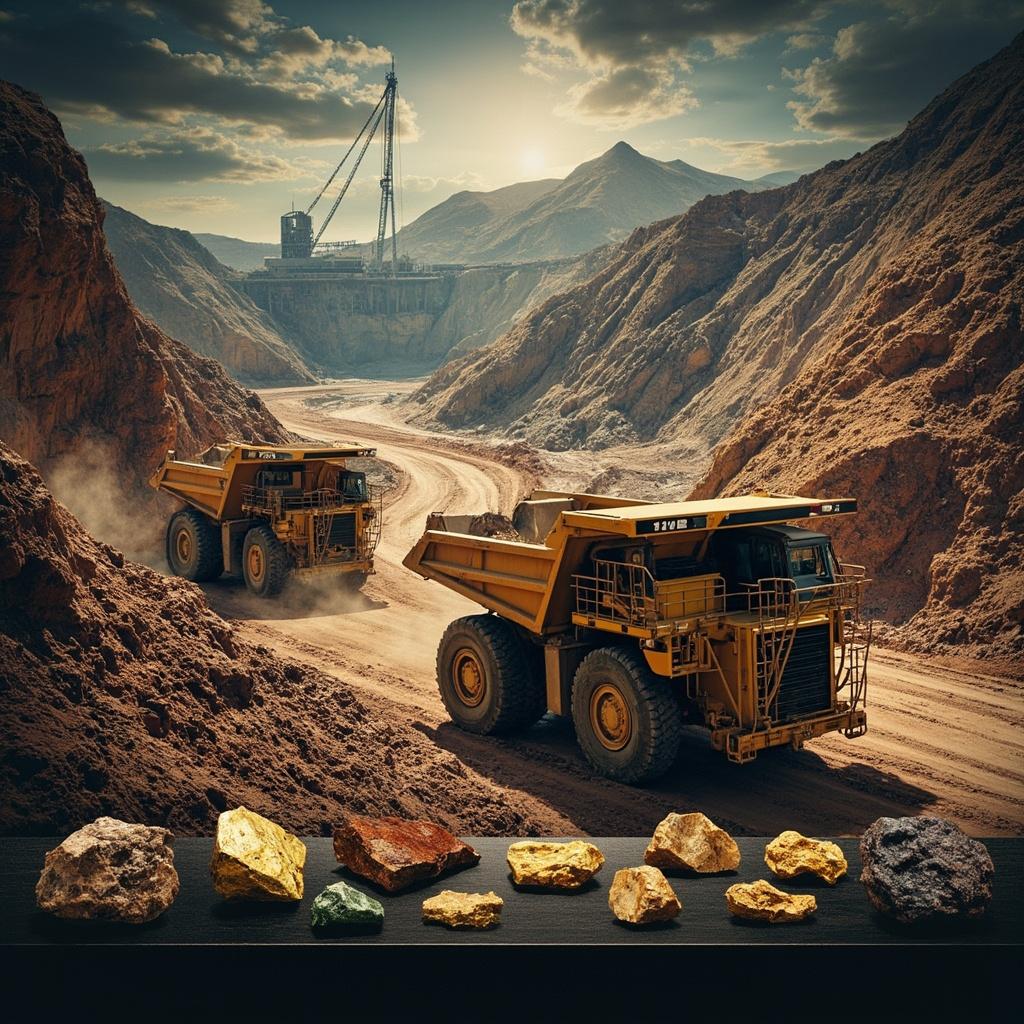
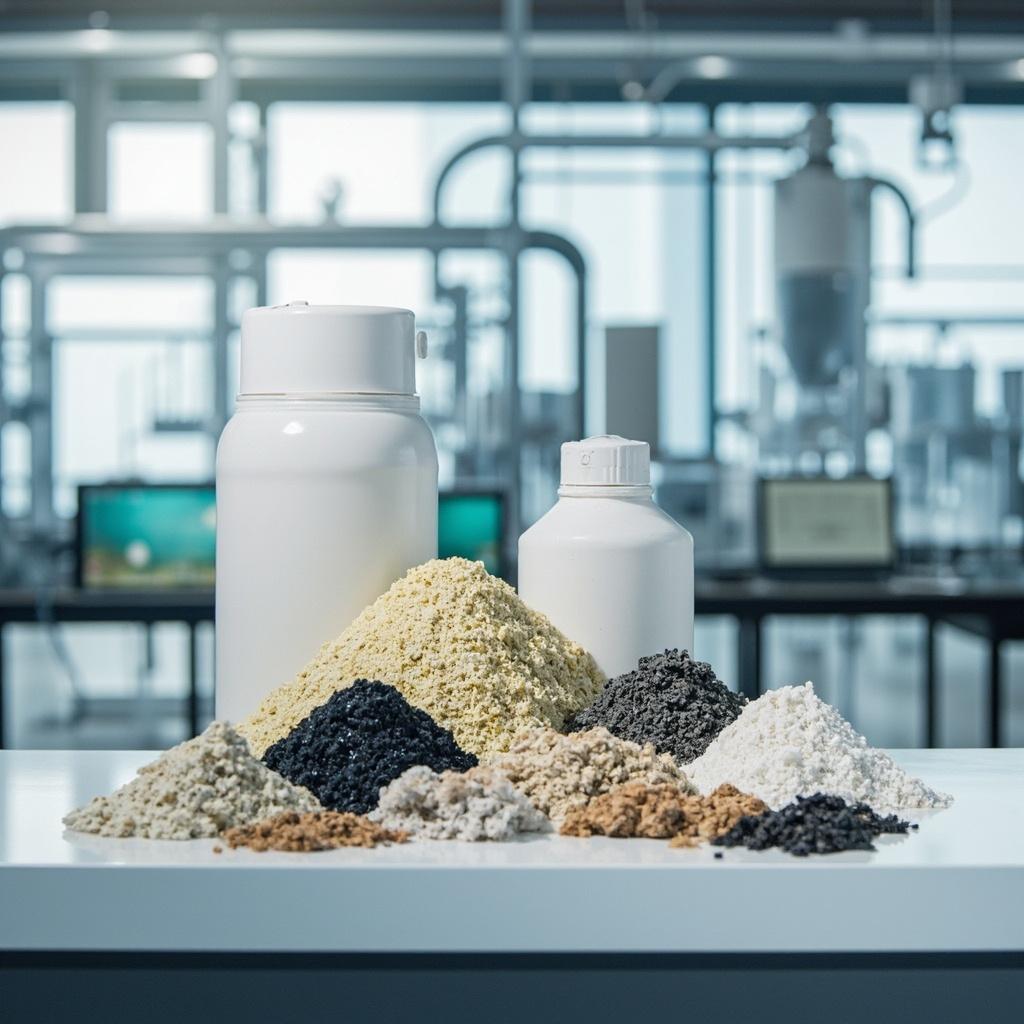
Daily mineral-based goods and lifestyle products encompass a remarkably diverse range of consumer products where naturally occurring minerals serve as the primary functional or aesthetic ingredient. Unlike industrial mineral applications focused on construction or manufacturing, these products are specifically designed and formulated for everyday personal care, culinary, decorative, and household use by end consumers.
The mineral cosmetics segment represents one of the fastest-growing categories, with the global mineral cosmetics market projected to reach $6.24 billion by 2034 at a 5.42% CAGR according to Fortune Business Insights. These products use finely milled zinc oxide, titanium dioxide, mica, and iron oxides as primary ingredients, replacing synthetic chemicals with pure mineral formulations that are gentler on sensitive skin and more environmentally degradable than petroleum-based cosmetic alternatives. Leading brands like bareMinerals pioneered this category in 1995 with their iconic five-ingredient mineral foundation, while Laboratoires Pierre Fabre leverages the unique mineral composition of Avène thermal spring water for pharmaceutical-grade sensitive skin treatments.
Mineral-based cookware and ceramics transform iron ore, kaolin clay, feldspar, and quartz into premium kitchen and dining products. The global ceramic cookware market reached $6.49 billion in 2025, driven by a 63% consumer preference for non-toxic cooking surfaces according to market research. Le Creuset transforms raw iron ore and vibrant mineral-based enamels into cookware commanding $300-500 per item, while Noritake converts high-purity bone ash and feldspar into premium bone china tableware through proprietary high-temperature sintering processes refined over 120 years.
Mineral bath and wellness products utilize Epsom salt, bentonite clays, and Himalayan pink salt for therapeutic bathing and self-care rituals. The category has been revolutionized by brands that position basic mineral compounds as affordable mental health and wellness solutions. Oil-Dri Corporation processes over one million tons of bentonite clay annually at its North American mining and processing facilities for pet care and absorbent applications.
Crystal and decorative mineral products from Swarovski, Ahava, and Ittefaq demonstrate how raw silicate minerals, Dead Sea mud, and Himalayan rock salt can be transformed through precision cutting, purification, and hand-crafting into premium lifestyle products commanding significant consumer premiums. This extraordinary diversity of applications illustrates the versatility and enduring consumer appeal of mineral-based goods.
The mineral-based consumer goods market is experiencing fundamental structural shifts driven by the convergence of clean beauty movements, sustainable home design preferences, and the mainstreaming of wellness culture. These megatrends are reshaping competitive dynamics, supply chain strategies, and consumer expectations across all mineral consumer product categories, creating both opportunities and existential risks for established and emerging brands.
Radical ingredient transparency has become the defining consumer demand of 2025-2026. Consumers increasingly demand full disclosure of mineral sourcing origins, processing methods, and environmental impact. Brands like bareMinerals and Ahava now publish detailed mineral origin documentation and comply with the California Transparency in Supply Chains Act. Pierre Fabre maintains AFNOR-certified Exemplary CSR ratings, while its unique foundation-owned governance structure ensures all profits are reinvested rather than distributed to shareholders. This transparency imperative is forcing even legacy manufacturers to invest in blockchain-based mineral traceability systems and third-party ethical sourcing audits.
Supply chain polarization is accelerating between two fundamentally different business models. Heritage manufacturers like Le Creuset ($215 million factory modernization) and Swarovski (world-first all-electric continuous crystal furnace) invest billions in owned production facilities that create irreplicable quality advantages. Asset-light digital brands like Dr Teal achieve $375 million in revenue with fewer than 500 employees through outsourced manufacturing and viral social media marketing. Each model faces distinct vulnerabilities: heritage manufacturers carry massive capital expenditure burdens, while asset-light operators face extreme retail channel concentration and commodity input risks.
Geopolitical mineral sourcing vulnerability has emerged as a critical operational risk. Ahava was forced to relocate its entire manufacturing operation from the West Bank to Ein Gedi in response to international retailer boycotts and BDS movement pressure. Minerals Technologies saw its talc subsidiary Barretts Minerals file Chapter 11 bankruptcy after facing over 550 asbestos contamination lawsuits, forcing a $215 million litigation reserve and the fire-sale of mining assets for just $32 million. These cases demonstrate that mineral source geography and purity testing infrastructure are not merely operational details but existential strategic considerations.
The regulatory environment is tightening dramatically, with the FDA and European Union implementing stricter asbestos screening requirements for cosmetic-grade talc and kaolin. This creates a widening competitive moat for vertically integrated manufacturers with in-house ICP-MS mineral purity testing capabilities, while exposing asset-light brand operators to potentially catastrophic supply chain quality failures from third-party mineral suppliers.
Selecting high-quality mineral-based consumer products requires evaluating three critical dimensions: mineral source authenticity, manufacturing integrity, and brand transparency. Unlike synthetic chemical products where the active ingredient is manufactured in a controlled laboratory environment, mineral goods derive their functional benefits directly from the geological composition and purity of their source materials, making provenance verification essential for assessing product quality and safety.
Mineral Source Authentication is the foundational quality indicator. Premium brands disclose the specific geographic origin of their key mineral ingredients because different geological formations produce minerals with fundamentally different properties. The unique 2:1 calcium-to-magnesium ratio of Avène thermal spring water creates fundamentally different skincare effects than the hyper-saline 34% mineral concentration of Dead Sea mud used by Ahava. Japanese kaolin clay from Kyushu differs materially from French kaolin from Limoges in particle size distribution and iron oxide content, producing different ceramic qualities. Consumers should look for brands that provide verifiable mineral provenance information supported by third-party geological certifications, not merely marketing claims about natural or organic mineral content.
Manufacturing Control Assessment distinguishes quality leaders from marketing operators. The distinction between in-house manufacturing and outsourced production significantly impacts product quality, consistency, and safety. Heritage manufacturers like Le Creuset maintain 100% French manufacturing at a single foundry operating since 1925, while Noritake employs the Japanese Obeya cross-functional quality management system co-locating factory directors, engineers, and quality assurance teams for instantaneous problem resolution. Asset-light brands rely on third-party contract manufacturers whose quality standards may vary between production batches and facilities, introducing consistency risks.
Sustainability and Ethics Evaluation has moved from optional to essential. Mineral extraction can have significant environmental and social impacts including habitat disruption, water consumption, and community displacement. Leading companies demonstrate commitment through independently verified sustainability certifications. Pierre Fabre holds AFNOR-certified Exemplary CSR ratings and is governed by a public utility foundation. Swarovski has introduced the world first all-electric continuous crystal glass furnace, completely eliminating fossil fuel dependency from its core manufacturing process. Consumers should evaluate ESG track records through independently audited sustainability reports rather than self-published marketing materials.
Value Assessment should consider total lifecycle cost, not just purchase price. Premium mineral products often command significant price premiums justified by manufacturing heritage, material purity, and multi-generational durability. A Le Creuset Dutch oven at several hundred dollars may serve multiple generations of a family, while cheaper alternatives require frequent replacement, making lifetime cost analysis more relevant than initial purchase price when evaluating mineral consumer goods.
The mineral consumer goods market features a fascinating competitive dynamic between centuries-old manufacturing houses and digitally native brand operators, each model offering distinct advantages for different consumer segments and product categories. Understanding these fundamental differences helps consumers, investors, and industry professionals evaluate brand quality, competitive durability, and long-term viability in an increasingly complex market environment.
Heritage manufacturers including Le Creuset (est. 1925), Villeroy and Boch (est. 1748), Noritake (est. 1904), and Swarovski (est. 1895) compete on irreplicable advantages accumulated over multiple generations of continuous operation. Their proprietary manufacturing techniques, refined through decades of incremental improvement, produce products with distinctive quality characteristics that competitors cannot easily replicate. These companies own their mineral processing facilities, maintain direct multi-generational relationships with raw material suppliers, and command 3-5x price premiums over mass-market alternatives. Their brand equity, built over centuries of consistent quality delivery, provides extraordinary pricing power and consumer loyalty that no amount of venture capital can quickly replicate. However, their capital-intensive model requires massive ongoing investment, and their organizational cultures can be slower to adopt digital marketing and e-commerce innovations.
Digital-first operators like Dr Teal (PDC Brands) and bareMinerals (Orveon Global) excel at rapid consumer trend response, viral social media marketing, and capital-efficient scaling. Dr Teal achieves $375 million in revenue with fewer than 500 employees by outsourcing all manufacturing to contract producers while focusing intensely on brand marketing and retail channel management. Their organizational agility enables rapid product innovation cycles. However, their vulnerability lies in extreme retail channel concentration and limited proprietary technology, since Epsom salt is fundamentally a commodity chemical compound.
The hybrid model exemplified by Pierre Fabre and Swarovski suggests the optimal path forward for the industry. These companies maintain manufacturing authenticity through owned production facilities while investing aggressively in digital engagement and emerging market expansion. Pierre Fabre achieved 12.7% sales growth in China in 2025 despite maintaining 90% French manufacturing, demonstrating that manufacturing integrity and modern consumer engagement are not mutually exclusive but mutually reinforcing competitive advantages. This combination of manufacturing authenticity, digital sophistication, and global market presence appears to create the most resilient competitive position in the evolving mineral consumer goods landscape.