金属结构材料是指一大类金属——主要是钢、铝及其合金——用于承受载荷、抵抗变形,并在建筑、基础设施、工业设备和能源系统中提供结构完整性。它们是现代建筑的“骨骼”,支撑着从摩天大楼到桥梁、从工厂屋顶到太阳能农场的一切。与装饰性金属或功能部件不同,结构材料由其机械性能定义:强度、延展性、韧性、可焊性和耐腐蚀性。1. 核心类别 • 结构钢:使用最广泛。包括热轧型材(工字钢、H型钢、槽钢、角钢)、钢板、空心型材和冷弯型材(用于框架的轻钢)。 • 钢筋:嵌入混凝土中以提供抗拉强度。高强度、抗震等级(HRB400/500)是现代建筑的标准。 • 铝结构合金:越来越多地用于幕墙、门窗系统和轻质屋顶结构,在这些应用中耐腐蚀性和减重至关重要。 • 涂层和预涂产品:镀锌、镀铝锌、锌铝镁(锌-铝-镁)和彩色涂层钢板,结合了结构强度和内置防腐蚀保护——对于屋顶、覆层和太阳能支架等暴露应用至关重要。2. 为什么它们很重要 金属结构材料决定了安全性、耐久性和生命周期成本。建筑物承受地震的能力、桥梁在重交通下的使用寿命,或太阳能农场在沿海盐雾中的性能——都取决于所用结构金属的质量和规格。简而言之:如果混凝土是肌肉,那么金属结构材料就是骨骼。
Metal structural materials refer to a broad category of metals—primarily steel, aluminum, and their alloys—that are used to bear loads, resist deformation, and provide structural integrity in buildings, infrastructure, industrial equipment, and energy systems. They are the “bones” of modern construction, enabling everything from skyscrapers to bridges, from factory roofs to solar farms. Unlike decorative metals or functional components, structural materials are defined by their mechanical properties: strength, ductility, toughness, weldability, and corrosion resistance. 1. Core Categories • Structural Steel: The most widely used. Includes hot-rolled sections (I-beams, H‑shapes, channels, angles), steel plates, hollow sections, and cold‑formed profiles (light gauge steel for framing). • Reinforcing Steel (Rebar): Embedded in concrete to provide tensile strength. High‑strength, seismic‑resistant grades (HRB400\/500) are standard in modern construction. • Aluminum Structural Alloys: Increasingly used for curtain walls, window\/door systems, and lightweight roof structures where corrosion resistance and weight savings are critical. • Coated & Pre‑painted Products: Galvanized, Galvalume®, Zn‑Al‑Mg (zinc‑aluminum‑magnesium) and color‑coated sheets that combine structural strength with built‑in corrosion protection—essential for exposed applications like roofing, cladding, and solar mounting. 2. Why They Matter Metal structural materials determine safety, durability, and lifecycle cost. A building’s ability to withstand earthquakes, a bridge’s service life under heavy traffic, or a solar farm’s performance in coastal salt fog—all hinge on the quality and specification of the structural metals used. In short: if concrete is the muscle, metal structural materials are the skeleton.
在建筑和工业领域,金属结构材料通常按产品形态、制造工艺和最终用途进行分类。以下六个类别涵盖了现代建筑和基础设施中使用的大部分材料。1. 建筑钢 这是最大的类别。包括热轧型材(工字钢、H型钢、槽钢、角钢)、钢筋(螺纹钢)、用于重型结构的钢板、空心型材(方管/圆管)、预涂和涂层板(彩色涂层波纹板、镀锌钢)以及轻钢框架材料(用于干墙和轻钢别墅的C/U型钢)。2. 门窗型材 用于建筑围护结构的专用型材:断桥铝型材、不锈钢门框、幕墙立柱、推拉/折叠轨道系统及相关五金集成型材。3. 栏杆和围栏系统 用于安全、分隔和美观的产品:玻璃护栏系统、铁艺围栏、不锈钢楼梯扶手、镀锌钢栏杆、高速公路护栏、隔音屏障板和临时施工围挡。4. 太阳能支架结构 由可再生能源驱动的快速增长类别:屋顶和地面太阳能支架框架、太阳能跟踪系统、BIPV(建筑集成光伏)结构以及金属屋顶专用夹具——通常由高强度、耐腐蚀的锌铝镁涂层钢或铝制成。5. 定制金属构件 按工程订单生产的产品:钢制雨棚、重型托盘货架、螺旋楼梯纵梁、机械底座、舞台桁架、抗震支撑套件和高速公路护栏。6. 其他金属制品 各种装饰和功能性金属物品:定制阳台栏杆、可伸缩晾衣架、隐形防盗网、车库货架、钢制角码和其他辅助结构部件。这六个类别共同构成了建筑、基础设施和工业应用中使用的金属结构材料的完整生态系统。
In the construction and industrial sectors, metal structural materials are typically classified by product form, manufacturing process, and end‑use application. The following six categories cover the vast majority of what is used in modern buildings and infrastructure. 1. Construction Steel This is the largest category. It includes hot‑rolled sections (I‑beams, H‑sections, channels, angles), reinforcing bars (rebar\/threaded steel), steel plates for heavy structures, hollow sections (square\/round tubes), pre‑painted & coated sheets (color‑coated corrugated sheets, galvanized steel), and light gauge steel framing materials (C\/U channels for drywall and light steel villas). 2. Doors & Windows Profiles Dedicated profiles for building envelopes: thermal‑break aluminum profiles, stainless steel door frames, curtain wall mullions, sliding\/folding track systems, and related hardware integration profiles. 3. Railings & Fencing Systems Products for safety, demarcation, and aesthetics: glass balustrade systems, wrought iron fences, stainless steel stair handrails, galvanized steel railings, highway guardrails, noise barrier panels, and temporary construction hoarding. 4. Solar Mounting Structures A fast‑growing category driven by renewable energy: roof and ground solar mounting frames, solar tracker systems, BIPV (Building Integrated Photovoltaic) structures, and specialized clamps for metal roofs—typically made from high‑strength, corrosion‑resistant Zn‑Al‑Mg coated steel or aluminum. 5. Custom Fabricated Metal Components Engineer‑to‑order products: steel canopies, heavy‑duty pallet racking, spiral stair stringers, machinery bases, stage trusses, seismic bracing kits, and highway guardrails. 6. Other Fabricated Metal Products A diverse mix of finishing and functional metal items: custom balcony railings, retractable clotheslines, invisible security grilles, garage shelving, steel corner brackets, and other accessory structural components. These six categories together form the complete ecosystem of metal structural materials used in construction, infrastructure, and industrial applications.
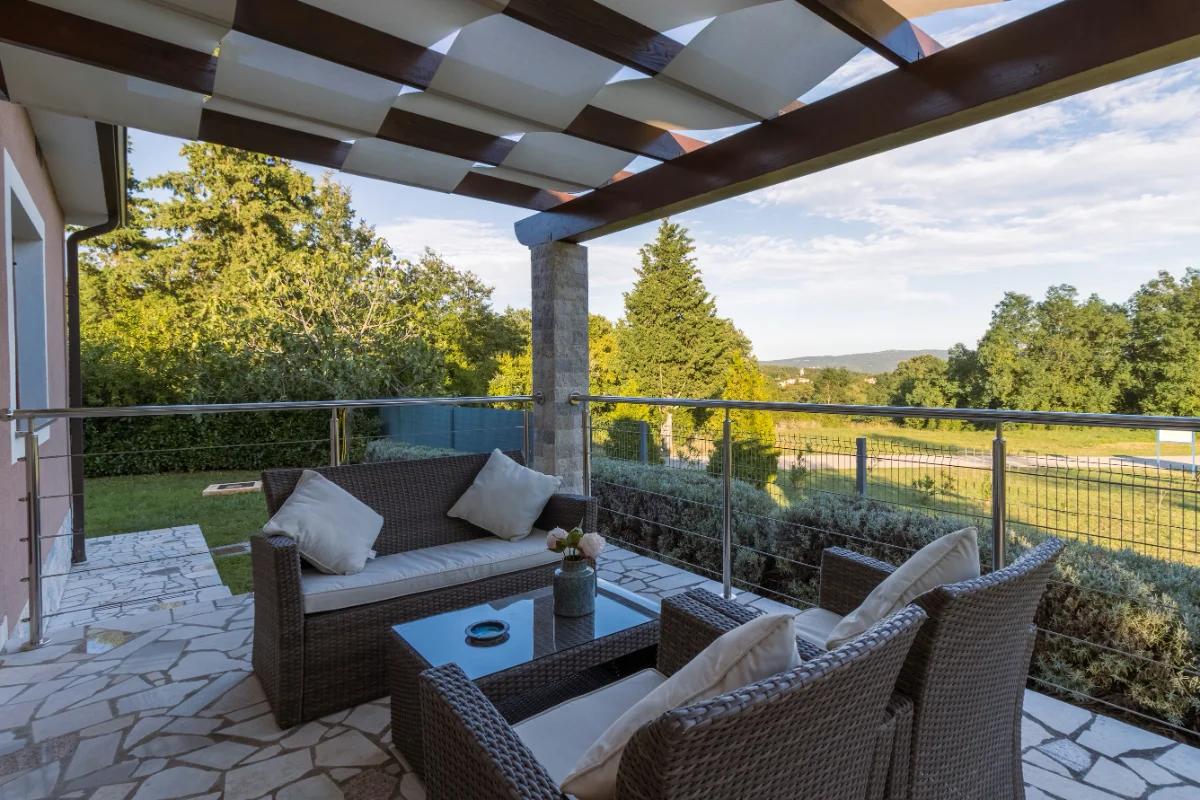
金属结构材料无处不在——它们常常隐藏在混凝土、玻璃或油漆背后,却至关重要。其应用涵盖建筑、基础设施、能源系统和工业设施。1. 商业与住宅建筑 • 高层建筑:钢框架(H型钢、箱形柱)和组合楼板构成主体结构。高强度钢板用于巨型柱。 • 工业设施与仓库:采用钢桁架、檩条和彩涂板/墙板的预制金属建筑。 • 轻钢别墅与装配式房屋:冷弯C/U型钢框架、石膏板骨架和轻钢龙骨结构。 • 门窗与幕墙:断桥铝型材、不锈钢框架和结构玻璃幕墙立柱。2. 基础设施与土木工程 • 桥梁与高架桥:耐候钢(考顿钢)、高性能钢板用于正交异性桥面板,以及预应力钢绞线。 • 公路与交通:W型护栏、隔音屏障板、钢板桩挡土墙和桥梁伸缩缝。 • 机场与体育场:大跨度钢桁架、空间网架和定制钢制雨棚。3. 可再生能源基础设施 • 太阳能光伏电站:地面和屋顶光伏支架系统——主要采用高强度锌铝镁镀层钢(如Magnelis®、PosMAC、ZAM),在恶劣环境中具有优异耐腐蚀性。 • 光伏建筑一体化:兼作光伏组件载体的金属屋面系统。4. 工业与专用设备 • 物料搬运与存储:重型托盘货架、工业搁架和钢平台。 • 机械底座与结构支撑:用于制造设备的焊接钢结构件。5. 住宅与商业装修 • 阳台栏杆与楼梯扶手:带铝或不锈钢立柱的玻璃护栏、铸铁围栏。 • 室外结构:钢制车棚、凉亭、阳光房和伸缩遮阳棚。简而言之,凡是需要支撑、跨越或围护的地方,金属结构材料都在承担重任。
Metal structural materials are everywhere—often hidden behind concrete, glass, or paint, yet absolutely essential. Their applications span across buildings, infrastructure, energy systems, and industrial facilities. 1. Commercial & Residential Buildings • High‑rise buildings: Steel frames (H‑shapes, box columns) and composite floor decks form the primary structure. High‑strength steel plates are used for mega‑columns. • Industrial facilities & warehouses: Pre‑engineered metal buildings with steel trusses, purlins, and color‑coated roofing\/walling. • Light steel villas & prefab housing: Cold‑formed C\/U channels for framing, gypsum board framing, and light‑gauge steel structures. • Doors, windows & curtain walls: Aluminum thermal‑break profiles, stainless steel frames, and structural glazing mullions. 2. Infrastructure & Civil Engineering • Bridges & viaducts: Weathering steel (Corten), high‑performance steel plates for orthotropic decks, and prestressed steel strands. • Highways & transportation: W‑beam guardrails, noise barrier panels, steel sheet piles for retaining walls, and bridge expansion joints. • Airports & stadiums: Large‑span steel trusses, space frames, and custom fabricated steel canopies. 3. Renewable Energy Infrastructure • Solar photovoltaic (PV) power plants: Ground‑mounted and rooftop solar mounting structures—dominated by high‑strength Zn‑Al‑Mg coated steel (e.g., Magnelis®, PosMAC, ZAM) for corrosion resistance in harsh environments. • BIPV (Building Integrated Photovoltaics): Metal roofing systems that double as PV module carriers. 4. Industrial & Specialized Equipment • Material handling & storage: Heavy‑duty pallet racking, industrial shelving, and steel platforms. • Machinery bases & structural supports: Welded steel fabrications for manufacturing equipment. 5. Residential & Commercial Finishing • Balcony railings & stair handrails: Glass balustrades with aluminum or stainless steel posts, wrought iron fencing. • Outdoor structures: Steel carports, pergolas, sunrooms, and retractable awnings. In short, if it stands, spans, supports, or encloses—chances are metal structural materials are doing the heavy lifting.
在选择结构金属制造商时——无论是用于重大基础设施项目、太阳能农场还是供应链合作——决策应远不止考虑价格。最优秀的制造商在四个核心维度上竞争。1. 垂直整合与原材料控制 拥有自有铁矿石、焦煤或废钢网络的制造商可以在市场周期中稳定成本并确保供应。例如,塔塔钢铁在印度实现了100%铁矿石自给自足,而宝武钢铁持有包括西芒杜在内的主要海外矿山的股份。纽柯通过其庞大的废钢回收网络占据主导地位——这是一种不同但同样强大的垂直整合形式。2. 技术制造能力与产品差异化 并非所有钢材都相同。顶级制造商在专有合金和涂层上投入巨资。安赛乐米塔尔的Magnelis®、浦项制铁的PosMAC和新日铁的ZAM/SuperDyma是锌铝镁涂层产品,由于卓越的边缘耐腐蚀性而享有溢价——这对于太阳能支架和暴露结构至关重要。同样,宝武的高强度建筑钢板和新日铁的抗震结构钢代表了普通钢厂难以复制的技术护城河。3. 地理覆盖与交付可靠性 全球基础设施项目需要拥有多洲生产和分销网络的制造商。安赛乐米塔尔在欧洲、美洲和非洲运营;宝武将中国规模与战略性海外产能相结合;纽柯和钢铁动力公司以针对区域需求优化的钢厂布局覆盖北美。4. ESG与低碳竞争力 公共招标和企业供应链越来越要求低碳材料。纽柯和钢铁动力公司在美国以100%废钢基电弧炉生产领先。海德鲁利用挪威水电生产铝,其碳足迹仅为煤基竞争对手的一小部分。能够提供经过验证的环境产品声明和低碳钢产品的制造商在受监管市场中具有明显优势。最终,最具竞争力的制造商是那些结合了原材料安全、技术差异化、全球覆盖和可信可持续发展资质的制造商。
When selecting a manufacturer for structural metals—whether for a major infrastructure project, a solar farm, or a supply chain partnership—the decision should go far beyond price. The best manufacturers compete across four core dimensions. 1. Vertical Integration & Raw Material Control Manufacturers with captive iron ore, coking coal, or scrap networks can stabilize costs and secure supply through market cycles. For example, Tata Steel boasts 100% iron ore self‑sufficiency in India, while Baowu Steel holds stakes in major overseas mines including Simandou. Nucor dominates via its vast scrap recycling network—a different but equally powerful form of vertical integration. 2. Technical Manufacturing Capability & Product Differentiation Not all steel is equal. Top manufacturers invest heavily in proprietary alloys and coatings. ArcelorMittal’s Magnelis®, POSCO’s PosMAC, and Nippon Steel’s ZAM\/SuperDyma are Zn‑Al‑Mg coated products that command premium pricing due to superior edge corrosion resistance—critical for solar mounting and exposed structures. Similarly, Baowu’s high‑strength construction steel plates and Nippon Steel’s seismic structural steel represent technological moats that general mills cannot easily replicate. 3. Geographic Footprint & Delivery Reliability Global infrastructure projects require manufacturers with a multi‑continental production and distribution network. ArcelorMittal operates across Europe, the Americas, and Africa; Baowu combines Chinese scale with strategic overseas capacity; Nucor and Steel Dynamics blanket North America with mill locations optimized for regional demand. 4. ESG & Low‑Carbon Competitiveness Increasingly, public tenders and corporate supply chains demand low‑carbon materials. Nucor and Steel Dynamics lead in the US with 100% scrap‑based EAF (electric arc furnace) production. Hydro leverages Norwegian hydropower to produce aluminum with a fraction of the carbon footprint of coal‑based competitors. Manufacturers that can provide verified Environmental Product Declarations (EPDs) and low‑carbon steel products gain a clear advantage in regulated markets. Ultimately, the most competitive manufacturers are those that combine raw material security, technological differentiation, global reach, and credible sustainability credentials.
金属结构材料行业正在经历根本性转变——从被视为难以减排的领域,一跃成为工业脱碳的领跑者。三大趋势正在重塑行业格局。
1. 绿色钢铁:废钢基电弧炉 vs. 低碳高炉-转炉
绿色钢铁生产主要有两条路径:
• 高废钢比电弧炉:美国纽柯钢铁公司和钢铁动力公司等企业长期使用100%再生钢生产结构型材、钢筋和板材,其二氧化碳排放强度仅为传统高炉的三分之一左右。
• 低碳高炉-转炉:安赛乐米塔尔和宝武钢铁等联合钢厂正大力投资氢基还原、碳捕集利用与封存技术,并提高废钢使用比例。安赛乐米塔尔的XCarb®再生及可再生生产产品,代表了传统联合冶炼路线脱碳的重大突破。
2. 高性能涂层延长使用寿命
产品寿命延长一倍,其全生命周期碳足迹即可减半。锌铝镁涂层钢(Magnelis®、PosMAC、ZAM)相比传统镀锌产品具有更卓越的耐腐蚀性,使太阳能支架系统和建筑围护结构能在恶劣环境中使用数十年而无需重新涂层或更换。这种耐久性设计正是结构材料循环经济理念的核心原则。
3. 低碳铝:水电与闭环回收
铝生产属于高耗电行业,但电力来源至关重要。挪威海德鲁公司使用100%可再生水电生产铝,碳足迹比全球平均水平低75%。结合其闭环回收系统——将消费后废铝重新加工成高品质挤压型材——海德鲁证明了即使高能耗金属也能实现深度脱碳。
4. 透明度与认证:环境产品声明与范围三责任
领先制造商现均发布经第三方验证的环境产品声明。欧洲和北美的大型基础设施招标日益要求提供环境产品声明并设定具体碳强度门槛。这种透明度迫使整个供应链——从原材料开采到最终加工——都必须核算其气候影响。
核心结论:未来十年,提供可验证低碳金属结构材料的能力,将成为在受监管市场运营的准入门槛,而不仅仅是营销优势。
The metal structural materials industry is undergoing a fundamental shift—from being viewed as a “hard‑to‑abate” sector to becoming a frontrunner in industrial decarbonization. Three major trends are reshaping the landscape. 1. Green Steel: Scrap‑based EAF vs. Low‑Carbon BF‑BOF Two pathways dominate green steel production: • Electric Arc Furnace (EAF) with high scrap ratio: Companies like Nucor and Steel Dynamics in the US have long operated on 100% recycled steel, producing structural sections, rebar, and sheet with roughly one‑third the CO₂ intensity of traditional blast furnaces. • Low‑carbon blast furnace (BF‑BOF): Integrated mills like ArcelorMittal and Baowu Steel are investing heavily in hydrogen‑based reduction, carbon capture (CCUS), and increased scrap usage. ArcelorMittal’s XCarb® recycled and renewably produced products represent a major push to decarbonize the conventional integrated route. 2. High‑Performance Coatings for Longer Lifespan A product that lasts twice as long cuts its lifecycle carbon footprint in half. Zn‑Al‑Mg coated steels (Magnelis®, PosMAC, ZAM) offer far superior corrosion resistance compared to traditional galvanized products, enabling solar mounting structures and building envelopes to survive decades in harsh environments without recoating or replacement. This “design for durability” is a core principle of circular economy thinking in structural materials. 3. Low‑Carbon Aluminum: Hydropower & Closed‑Loop Recycling Aluminum production is electricity‑intensive, but the source of that electricity makes all the difference. Hydro produces aluminum using 100% renewable hydropower in Norway, achieving a carbon footprint that is up to 75% lower than the global average. Combined with its closed‑loop recycling system—where post‑consumer aluminum scrap is returned to high‑grade extruded profiles—Hydro demonstrates that even energy‑intensive metals can achieve deep decarbonization. 4. Transparency & Certification: EPDs and Scope 3 Accountability Leading manufacturers now publish Environmental Product Declarations (EPDs) verified by third parties. Major infrastructure tenders in Europe and North America increasingly require EPDs and specific carbon intensity thresholds. This transparency forces the entire supply chain—from raw material extraction to final fabrication—to account for its climate impact. The bottom line: In the coming decade, the ability to supply verifiably low‑carbon metal structural materials will become a license to operate in regulated markets, not just a marketing advantage.