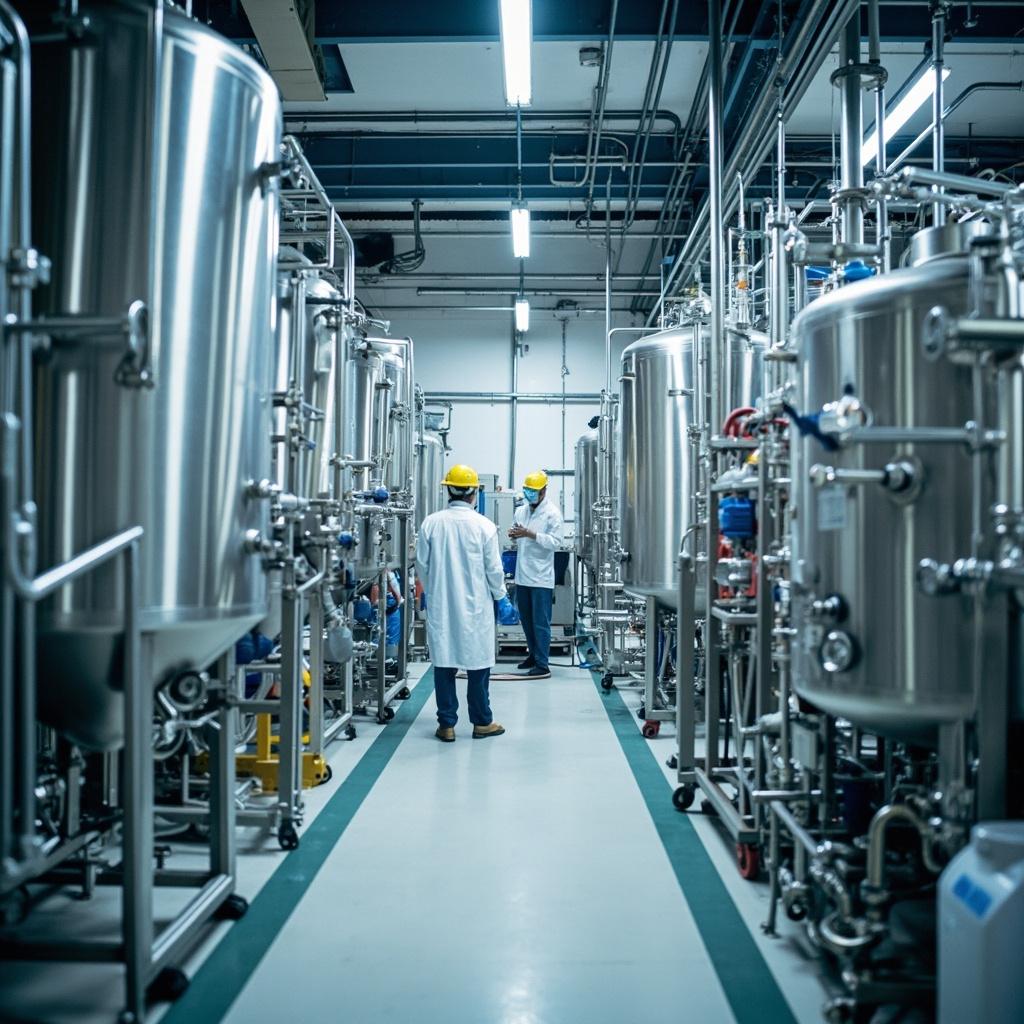
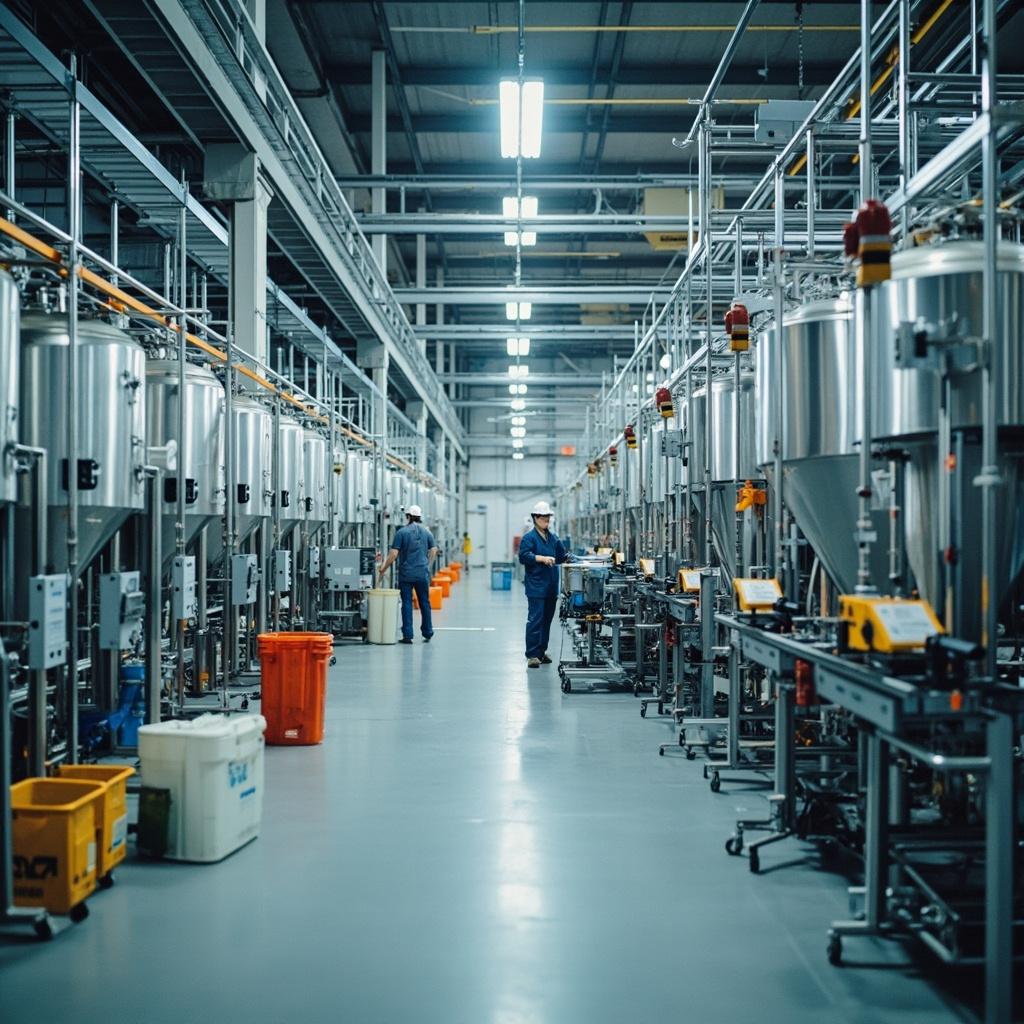
我们的制造商排行榜基于经过验证的生产基础设施数据,而非营销声明或无法独立验证的自我报告数据。我们优先考虑实体制造资产——全资拥有的调和厂、基础油炼油厂和产能指标——而非仅凭品牌认知度或分销范围。这是因为2022-2025年的供应链危机明确表明,没有自主制造能力的公司从根本上容易受到原材料价格冲击和物流中断的影响。
数据收集流程
• 我们从公司年报、SEC文件、投资者介绍以及国家工业当局发布的工厂审计记录中汇总生产设施数据
• 年产能数据与行业协会数据库(ATIEL、API、ILSAC)以及Grand View Research和Fortune Business Insights的独立市场研究报告进行交叉核对
• 财务数据来自经过公开审计的年报,营收数据与上市实体的证券交易所文件进行核对
评分方法
每个制造商获得一个综合评分(0-100分),由四个维度计算得出:生产规模(25%)、全球销售与财务表现(25%)、品类覆盖与技术深度(15%)以及品牌影响力与市场覆盖(15%)。关键的是,合同制造或代工调和的生产不计入产能评分——只有全资拥有和运营的调和厂才计入生产规模得分。
制造商与品牌区分
我们的制造商排行榜与品牌排���榜的不同之处在于优先考虑实体生产能力。如果一家公司运营着广泛的内部生产基础设施,但消费者品牌认知度相对较低,那么它在制造商排行榜上的排名可能高于品牌排行榜。相反,具有强大消费者认知度但内部制造能力有限的品牌可能会出现在品牌排行榜上,但被排除在制造商排行榜之外。这种双重方法为采购专业人员提供了供应商评估的互补视角。
验证与独立性
所有排行榜每季度进行一次审查,由重大企业事件触发,包括合并、收购、工厂开业/关闭以及产能的重大变化。维瑞评级保持严格的编辑独立性,不接受为排名位置付费。
Our manufacturer rankings are built on verified production infrastructure data, not marketing claims or self-reported figures that cannot be independently validated. We prioritize physical manufacturing assets—wholly-owned blending plants, base oil refineries, and production capacity metrics—over brand recognition or distribution reach alone. This is because the 2022-2025 supply chain crisis demonstrated conclusively that companies without autonomous manufacturing capacity are fundamentally vulnerable to raw material price shocks and logistics disruptions.
Data Collection Process
• We aggregate production facility data from company annual reports, SEC filings, investor presentations, and factory audit records published by national industrial authorities
• Annual production capacity figures are cross-referenced against industry association databases (ATIEL, API, ILSAC) and independent market research reports from Grand View Research and Fortune Business Insights
• Financial data is sourced from publicly audited annual reports, with revenue figures verified against stock exchange filings for listed entities
Scoring Methodology
Each manufacturer receives a composite score (0-100) calculated from four dimensions: Production Scale (25%), Global Sales & Financial Performance (25%), Category Coverage & Technology Depth (15%), and Brand Influence & Market Reach (15%). Critically, contract-manufactured or toll-blended production is excluded from capacity scoring—only wholly-owned and operated blending plants count toward the Production Scale score.
Manufacturer vs. Brand Distinction
Our manufacturer rankings differ from our brand rankings in prioritizing physical production capability. A company may rank higher on the manufacturer list than the brand list if it operates extensive in-house production infrastructure but has relatively lower consumer brand recognition. Conversely, brands with strong consumer recognition but limited in-house manufacturing may appear on the brand ranking but are excluded from the manufacturer ranking. This dual approach provides procurement professionals with complementary perspectives for supplier evaluation.
Verification & Independence
All rankings undergo quarterly review triggered by significant corporate events including mergers, acquisitions, plant openings/closures, and material changes in production capacity. VerityRank maintains strict editorial independence and does not accept payment for ranking placement.
全球领先的汽车润滑油制造商通过五种相互关联的制造能力脱颖而出,这些能力共同决定了成本竞争力、供应链韧性和产品质量一致性。在所有五个维度上表现出色的公司拥有溢价定价能力,并在经济周期中保持市场份额。
1. 基础油炼化一体化(最关键竞争护城河)
最重要的制造能力是直接控制II/III类基础油炼化产能。运营自有基础油炼油厂的公司——如埃克森美孚(6个专用基础油厂)、雪佛龙(全球最大基础油生产商)、中石化(26个炼油厂)和中石油(占中国II/III类产能的35%)——比必须在公开市场上购买基础油的竞争对手享有15-25%的成本优势。这种一体化还使它们免受2022-2023年基础油短缺期间极端价格波动的影响,当时III类基础油现货价格在六个月内飙升了40%。
2. 全球调和厂网络密度
全资拥有的润滑油调和厂(LOBP)的数量和地理分布直接决定了物流成本和关税风险。壳牌在全球运营32个调和厂——行业最大的网络——使其能够从最佳运输距离内的设施服务于任何区域市场。福斯运营33个较小、高度专业化的工厂,最大限度地减少跨境物流,同时能够为本地OEM客户快速定制配方。最佳网络在生产能力与地理覆盖之间取得平衡:工厂太少会造成物流脆弱性,而太多小型设施会稀释规模经济。
3. 添加剂技术与专有配方
虽然基础油占成品润滑油体积的75-85%,但添加剂包——占体积的15-25%——决定了100%的性能差异化。领先制造商在专有添加剂技术上投入巨大:壳牌PurePlus将天然气转化为清澈透明的基础油,美孚1号抗磨损添加剂系统提供比API最低标准高出40%的磨损保护,嘉实多流体钛技术在极端压力下调整粘度。这些专有配方创造了转换成本,从而保护市场份额。
4. 分布式制造的质量控制基础设施
运营全球调和厂网络需要严格的质量保证体系,以确保在新加坡生产的5W-30机油与在休斯顿或鹿特丹生产的机油符合相同的规格。领先制造商部署了六个相互关联的质量体系:每个工厂的ISO 9001认证、自动化在线调和过程控制、针对20多个ASTM/API参数的生产后批次测试、年度ISO 17025实验室认证、供应商原材料质量审核,以及将每个成品批次与其组成原材料批次联系起来的数字可追溯系统。
5. 电动汽车与特种流体制造灵活性
最具前瞻性的制造能力是能够快速重新配置调和线以生产下一代流体。随着电动汽车普及加速,制造商必须从传统发动机油配方——其销量正在下降——转向用于电池浸没的介电冷却液、专用e-轴润滑油和数据中心热管理液。壳牌E-Fluids平台、马石油Iona Tera浸没式冷却系列和道达尔能源生物合成产品组合代表了这一制造转型中的早期领先地位。未能投资电动汽车流体生产能力的公司,在2030年之后发达市场内燃机润滑油需求结构性下降时,可能会面临调和资产搁浅的风险。
The world leading automotive lubricant manufacturers distinguish themselves through five interconnected manufacturing capabilities that collectively determine cost competitiveness, supply chain resilience, and product quality consistency. Companies that excel across all five dimensions command premium pricing power and maintain market share through economic cycles.
1. Base Oil Refining Integration (Most Critical Competitive Moat)
The single most important manufacturing capability is direct control over Group II/III base oil refining capacity. Companies that operate their own base oil refineries—such as ExxonMobil (6 dedicated base oil plants), Chevron (world largest base oil producer), Sinopec (26 refineries), and PetroChina (35% of China Group II/III capacity)—enjoy 15-25% cost advantages over competitors who must purchase base oil on the open market. This integration also insulates them from the extreme price volatility that characterized the 2022-2023 base oil shortage, when spot Group III prices surged 40% in six months.
2. Global Blending Plant Network Density
The number and geographic distribution of wholly-owned lubricant blending plants (LOBP) directly determines logistics costs and tariff exposure. Shell operates 32 blending plants globally—the industry largest network—enabling it to serve any regional market from a facility within optimal shipping distance. FUCHS operates 33 smaller, highly specialized plants that minimize cross-border logistics while enabling rapid formulation customization for local OEM clients. The optimal network balances production capacity with geographic coverage: too few plants create logistics vulnerabilities, while too many small facilities dilute economies of scale.
3. Additive Technology & Proprietary Formulation
While base oil provides 75-85% of finished lubricant volume, the additive package—representing 15-25% of volume—determines 100% of performance differentiation. Leading manufacturers invest heavily in proprietary additive technology: Shell PurePlus converts natural gas to crystal-clear base oil, Mobil 1 Anti-Wear additive system provides 40% better wear protection than API minimums, and Castrol Fluid Titanium Technology adapts viscosity under extreme pressure. These proprietary formulations create switching costs that protect market share.
4. Quality Control Infrastructure Across Distributed Manufacturing
Operating a global network of blending plants requires rigorous quality assurance systems to ensure that a bottle of 5W-30 produced in Singapore meets the identical specifications as one produced in Houston or Rotterdam. Leading manufacturers deploy six interconnected quality systems: ISO 9001 certification at every plant, automated inline blending process control, post-production batch testing against 20+ ASTM/API parameters, annual ISO 17025 laboratory accreditation, supplier raw material quality audits, and digital traceability systems linking every finished product batch to its constituent raw material lots.
5. EV & Specialty Fluid Manufacturing Agility
The most forward-looking manufacturing capability is the ability to rapidly reconfigure blending lines for next-generation fluids. As EV adoption accelerates, manufacturers must pivot from traditional engine oil formulations—which represent declining volume—to dielectric coolants for battery immersion, specialized e-axle lubricants, and data center thermal management fluids. Shell E-Fluids platform, PETRONAS Iona Tera immersion cooling series, and TotalEnergies bio-synthetic portfolio represent early leadership in this manufacturing transition. Companies that fail to invest in EV fluid production capacity risk being left with stranded blending assets as ICE lubricant demand structurally declines in developed markets after 2030.
顶级汽车润滑油制造商运营着集成的质量管理生态系统,涵盖六个相互关联的系统,共同确保在全球分布式生产网络中的产品一致性。这些系统代表了数亿美元的累计投资,并为新市场进入者创造了重大障碍。
1. 每个工厂的ISO 9001:2015认证
前10大制造商运营的所有160多个调和厂都保持当前的ISO 9001认证,并接受年度监督审核。壳牌、埃克森美孚和道达尔能源还在所有制造基地获得了ISO 14001(环境管理)和ISO 45001(职业健康与安全)认证,反映了行业向集成管理系统的转变。
2. 自动化在线调和过程控制
现代调和厂部署了分布式控制系统(DCS),配备实时粘度测量和光谱监测,在生产过程中持续验证调和比例。自动质量流量计确保添加剂计量精度在±0.1%以内,而罐内均匀性验证可在包装前防止分层。这些系统消除了过去几十年手动调和操作中存在的批次间差异。
3. 生产后实验室测试
每个生产批次在放行前都要针对20多个ASTM和API参数进行实验室测试,包括:40°C和100°C下的运动粘度(ASTM D445)、粘度指数(ASTM D2270)、总碱值(ASTM D2896)、倾点(ASTM D97)、闪点(ASTM D92)以及通过ICP-OES进行的元素分析。主要制造商运营着ISO 17025认可的中央实验室,负责审核工厂级测试并解决临界结果。
4. 供应商原材料资格认证
每个基础油和添加剂供应商必须通过多阶段资格认证流程:针对30多个参数的初始样品测试、生产规模试调和成品性能测试、持续的统计过程控制监控以及年度现场设施审核。该系统可防止原材料质量漂移传播到成品缺陷中。
5. 数字可追溯性与区块链试点
包括壳牌和埃克森美孚在内的领先制造商已实施数字批次可追溯系统,将每个成品SKU与其组成原材料批次、调和参数和质量测试结果联系起来。一些制造商正在为高端合成产品线试点基于区块链的可追溯性,为客户提供不可篡改的质量来源记录——这是OEM采购部门为保修合规验证而日益要求的能力。
6. 法规遵从与认证管理
每个制造商的专门法规事务团队负责维护以下合规性:API发动机油许可和认证系统(EOLCS)、ACEA欧洲机油序列、ILSAC GF-6标准、JASO(日本)以及各个OEM规格(BMW Longlife、MB-Approval、VW、Dexos)。随着OEM特定认证的激增,合规管理的复杂性显著增加,一些制造商现在在其产品组合中管理着200多个有效认证。
Top-tier automotive lubricant manufacturers operate integrated quality management ecosystems spanning six interconnected systems that collectively ensure product consistency across globally distributed production networks. These systems represent cumulative investments of hundreds of millions of dollars and create significant barriers for new market entrants.
1. ISO 9001:2015 Certification at Every Plant
All 160+ blending plants operated by the top 10 manufacturers maintain current ISO 9001 certification with annual surveillance audits. Shell, ExxonMobil, and TotalEnergies have additionally achieved ISO 14001 (environmental management) and ISO 45001 (occupational health and safety) certification at all manufacturing sites, reflecting the industry shift toward integrated management systems.
2. Automated Inline Blending Process Control
Modern blending plants deploy distributed control systems (DCS) with real-time viscometric and spectroscopic monitoring that continuously validates blend ratios during production. Automated mass flow meters ensure additive dosing accuracy within ±0.1%, while in-tank homogeneity verification prevents stratification before packaging. These systems eliminate the batch-to-batch variability that plagued manual blending operations of previous decades.
3. Post-Production Laboratory Testing
Every production batch undergoes laboratory testing against 20+ ASTM and API parameters before release, including: kinematic viscosity at 40°C and 100°C (ASTM D445), viscosity index (ASTM D2270), total base number (ASTM D2896), pour point (ASTM D97), flash point (ASTM D92), and elemental analysis via ICP-OES. Major manufacturers operate ISO 17025-accredited central laboratories that audit plant-level testing and resolve borderline results.
4. Supplier Raw Material Qualification
Every base oil and additive supplier must pass a multi-stage qualification process: initial sample testing against 30+ parameters, production-scale trial blending with finished product performance testing, ongoing statistical process control monitoring, and annual on-site facility audits. This system prevents raw material quality drift from propagating into finished product defects.
5. Digital Traceability & Blockchain Pilots
Leading manufacturers including Shell and ExxonMobil have implemented digital lot traceability systems that link every finished product SKU to its constituent raw material batches, blending parameters, and quality test results. Several manufacturers are piloting blockchain-based traceability for premium synthetic product lines to provide customers with immutable quality provenance records—a capability increasingly demanded by OEM procurement departments for warranty compliance verification.
6. Regulatory Compliance & Certification Management
Dedicated regulatory affairs teams at each manufacturer maintain compliance with: API Engine Oil Licensing and Certification System (EOLCS), ACEA European Oil Sequences, ILSAC GF-6 standards, JASO (Japan), and individual OEM specifications (BMW Longlife, MB-Approval, VW, Dexos). Compliance management complexity has increased significantly as OEM-specific certifications proliferate, with some manufacturers now managing 200+ active certifications across their product portfolios.
汽车润滑油制造业正被五大相互关联的大趋势重塑,这些趋势从根本上改变了整个价值链的生产经济学、资本配置策略和竞争动态。
1. 垂直整合成为生存必需
2022-2025年的供应链危机表明,基础油价格波动和物流中断可以在一个季度内摧毁非一体化调和厂的经济效益。这引发了全行业向垂直整合的转变,制造商竞相通过炼油厂所有权、长期承购协议或向后整合进入再精炼领域来确保 captive 基础油供应。没有自主基础油供应的公司面临结构性利润率压缩,随着全球III类基础油产能趋紧,新炼油厂建设周期为4-6年,将导致到2030年持续的供需失衡。
2. 制造业大解绑
西方和东方能源公司之间正在发生历史性的制造战略分化。西方超级巨头(BP、雪佛龙、壳牌)正在选择性剥离下游制造资产,以将资本集中于上游生产和高端特种产品——BP出售嘉实多和雪佛龙出售东南亚资产就是例证。与此同时,国有石油公司(沙特阿美、马石油、引能仕)和中国国有企业(中石化、中石油)正在积极收购制造能力,以确保下游价值捕获并对冲结构性石油需求下降。这种大解绑正在创造一个分叉的制造格局,生产能力正从西方所有权转移到东方所有权。
3. 电动汽车流体制造革命
与电动汽车将摧毁润滑油行业的预测相反,这一转型正在创造全新的高利润制造类别。电动汽车电池浸没冷却液需要介电性能和导热性规格,这要求与传统发动机油根本不同的基础液化学和添加剂包。制造这些流体需要具有极端清洁标准的专用调和线——发动机油中可接受的颗粒污染会在浸没式冷却电池组中导致灾难性短路。壳牌、马石油和道达尔能源各自投资超过1亿美元用于专用电动汽车流体生产线,创造了仅专注于内燃机的竞争对手难以跨越的新制造护城河。
4. 生物合成和再精炼基础油制造
欧盟法规要求到2030年汽车消耗品中最低回收含量,这正在推动再精炼基础油(RRBO)生产能力的快速扩张。胜牌NextGen已经含有50%的再精炼成分,而道达尔能源和福斯正在投资源自植物油原料的生物合成酯。制造再精炼基础油需要专门的薄膜蒸发和加氢精制设备,这与原生基础油炼化根本不同,创造了一个新的制造能力子领域,将日益决定ESG驱动的采购决策。
5. 数字制造与工业4.0集成
领先制造商正在部署人工智能和机器学习系统,用于调和设备的预测性维护、生产过程中的实时粘度优化以及自动质量偏差检测。壳牌已在其最大的调和厂实施数字孪生技术,能够在物理实施之前对生产线变更进行虚拟仿真。这些数字投资正在创造一个新的制造竞争力维度,其中数据驱动的运营效率随时间复合增长,拉大了技术采用者与落后者之间的差距。
The automotive lubricant manufacturing industry is being reshaped by five interconnected mega-trends that are fundamentally altering production economics, capital allocation strategies, and competitive dynamics across the entire value chain.
1. Vertical Integration as Survival Imperative
The 2022-2025 supply chain crisis demonstrated that base oil price volatility and logistics disruptions can destroy the economics of non-integrated blenders within a single quarter. This has triggered an industry-wide shift toward vertical integration, with manufacturers racing to secure captive base oil supply through refinery ownership, long-term offtake agreements, or backward integration into re-refining. Companies without autonomous base oil access face structural margin compression that will intensify as Group III capacity tightens globally, with new refinery construction lead times of 4-6 years creating a sustained supply-demand imbalance through 2030.
2. The Great Manufacturing Unbundling
A historic divergence in manufacturing strategy is unfolding between Western and Eastern energy companies. Western supermajors (BP, Chevron, Shell) are selectively divesting downstream manufacturing assets to concentrate capital on upstream production and premium specialties—exemplified by BP Castrol divestiture and Chevron Southeast Asian asset sale. Meanwhile, national oil companies (Saudi Aramco, PETRONAS, ENEOS) and Chinese state enterprises (Sinopec, PetroChina) are aggressively acquiring manufacturing capacity to secure downstream value capture and hedge against structural oil demand decline. This Great Unbundling is creating a bifurcated manufacturing landscape where production capacity is migrating from Western to Eastern ownership.
3. The EV Fluid Manufacturing Revolution
Contrary to predictions that EVs would destroy the lubricant industry, the transition is creating entirely new high-margin manufacturing categories. EV battery immersion cooling fluids require dielectric properties and thermal conductivity specifications that demand fundamentally different base fluid chemistry and additive packages than traditional engine oils. Manufacturing these fluids requires dedicated blending lines with extreme cleanliness standards—particulate contamination that is acceptable in engine oil would cause catastrophic short circuits in immersion-cooled battery packs. Shell, PETRONAS, and TotalEnergies have each invested over $100 million in dedicated EV fluid production lines, creating new manufacturing moats that ICE-only competitors cannot easily cross.
4. Bio-Synthetic and Re-Refined Base Oil Manufacturing
EU regulatory mandates for minimum recycled content in automotive consumables by 2030 are driving a rapid expansion of re-refined base oil (RRBO) production capacity. Valvoline NextGen already contains 50% re-refined content, while TotalEnergies and FUCHS are investing in bio-synthetic esters derived from vegetable oil feedstocks. Manufacturing re-refined base oils requires specialized thin-film evaporation and hydrofinishing equipment that differs fundamentally from virgin base oil refining, creating a new sub-segment of manufacturing capability that will increasingly determine ESG-driven procurement decisions.
5. Digital Manufacturing & Industry 4.0 Integration
Leading manufacturers are deploying artificial intelligence and machine learning systems for predictive maintenance of blending equipment, real-time viscosity optimization during production, and automated quality deviation detection. Shell has implemented digital twin technology at its largest blending plants, enabling virtual simulation of production line changes before physical implementation. These digital investments are creating a new dimension of manufacturing competitiveness where data-driven operational efficiency compounds over time, widening the gap between technology adopters and laggards.
维瑞评级制造商排行榜每季度刷新一次,在年度财报季之后发布重大更新。然而,汽车润滑油制造业的动态特性——以频繁的合并、收购、工厂开业和产能扩张为特征——需要一个事件驱动的重新评估协议来补充定期周期。
定期季度更新
• 第一季度更新(3-4月):纳入12月财年结束的公司的全年财务业绩,包括所有西方超级巨头(壳牌、埃克森美孚、BP、雪佛龙、道达尔能源)和欧洲专业公司(福斯)。这是年度周期中最全面的更新。
• 第二季度更新(6-7月):反映第一季度中期业绩以及来自行业会议(包括ICIS世界基础油与润滑油会议和亚太润滑油峰会)的任何重大产能公告。
• 第三季度更新(9-10月):纳入半年业绩和周期中期产能调整,特别是对于3月财年结束的公司(在日本和一些亚洲制造商中常见)。
• 第四季度更新(12-1月):初步年终估算以及来自秋季投资者日和资本市场演示的战略公告。
事件驱动的重新评估触发因素
以下企业事件会在定期周期之外触发对受影响制造商排行榜的立即重新评估:
• 交易价值超过5亿美元的重大并购(例如,BP以100亿美元出售嘉实多,沙特阿美以26.5亿美元收购胜牌)
• 年产能超过5万吨的新调和厂投产
• 永久性工厂关闭或产能减少超过制造商总润滑油生产能力的20%
• 基础油炼油厂所有权变更,实质性改变制造商供应链整合水平
• 破产申请、债务重组或信用评级下调至非投资级,可能影响制造资本支出计划
• 监管行动,包括环境许可证撤销、反垄断剥离令或影响重要市场制造业务的贸易制裁
区域覆盖考虑
我们的制造商排行榜保持全球范围,但应用区域权重调整,以反映汽车润滑油需求的地理分布。亚太地区——约占全球润滑油消费量的45%——获得相应的权重强调。在高速增长地区(印度、东南亚、非洲)拥有大量生产能力的制造商将获得增量评分考虑,反映其相对于集中在成熟、低增长市场的制造商的未来需求增长定位。
通知与透明度
所有排行榜更新,无论是定期的还是事件驱动的,都会在维瑞评级上发布,并附有详细的方法说明,解释触发重新评估的具体数据点和企业事件。每个制造商的排行榜历史都会保留并公开访问,使用户能够跟踪多个更新周期内的排名轨迹。我们欢迎来自排名制造商和行业参与者通过我们经过验证的数据提交门户提交数据,所有第三方数据都经过与我们的主要研究相同的多源验证标准。
VerityRank manufacturer rankings are refreshed on a quarterly cycle with major updates published following annual financial reporting seasons. However, the dynamic nature of the automotive lubricant manufacturing industry—characterized by frequent mergers, acquisitions, plant openings, and capacity expansions—requires an event-driven re-evaluation protocol that supplements the scheduled cycle.
Scheduled Quarterly Updates
• Q1 Update (March-April): Incorporates full-year financial results from companies with December fiscal year-ends, which includes all Western supermajors (Shell, ExxonMobil, BP, Chevron, TotalEnergies) and European specialists (FUCHS). This is the most comprehensive update of the annual cycle.
• Q2 Update (June-July): Reflects Q1 interim results and any significant capacity announcements from industry conferences including the ICIS World Base Oils & Lubricants Conference and the Asia-Pacific Lubricants Summit.
• Q3 Update (September-October): Incorporates half-year results and mid-cycle capacity adjustments, particularly for companies with March fiscal year-ends (common among Japanese and some Asian manufacturers).
• Q4 Update (December-January): Preliminary year-end estimates and strategic announcements from autumn investor days and capital markets presentations.
Event-Driven Re-Evaluation Triggers
The following corporate events trigger immediate re-evaluation of affected manufacturer rankings outside the scheduled cycle:
• Material mergers and acquisitions exceeding $500 million in transaction value (e.g., BP $10 billion Castrol divestiture, Aramco $2.65 billion Valvoline acquisition)
• New blending plant commissioning with annual capacity exceeding 50,000 metric tons
• Permanent plant closures or capacity reductions exceeding 20% of a manufacturer total lubricant production capacity
• Base oil refinery ownership changes that materially alter a manufacturer supply chain integration level
• Bankruptcy filings, debt restructurings, or credit rating downgrades to non-investment grade that may affect manufacturing capital expenditure programs
• Regulatory actions including environmental permits revocation, antitrust divestiture orders, or trade sanctions affecting manufacturing operations in material markets
Regional Coverage Considerations
Our manufacturer rankings maintain global scope but apply regional weighting adjustments reflecting the geographic distribution of automotive lubricant demand. Asia-Pacific—which accounts for approximately 45% of global lubricant consumption—receives proportional weighting emphasis. Manufacturers with significant production capacity in high-growth regions (India, Southeast Asia, Africa) receive incremental scoring consideration reflecting their positioning for future demand growth relative to manufacturers concentrated in mature, slow-growth markets.
Notification & Transparency
All ranking updates, whether scheduled or event-driven, are published on VerityRank with detailed methodology notes explaining the specific data points and corporate events that triggered re-evaluation. Ranking history for each manufacturer is maintained and publicly accessible, enabling users to track ranking trajectories over multiple update cycles. We welcome data submissions from ranked manufacturers and industry participants through our verified data submission portal, with all third-party data subjected to the same multi-source verification standards applied to our primary research.