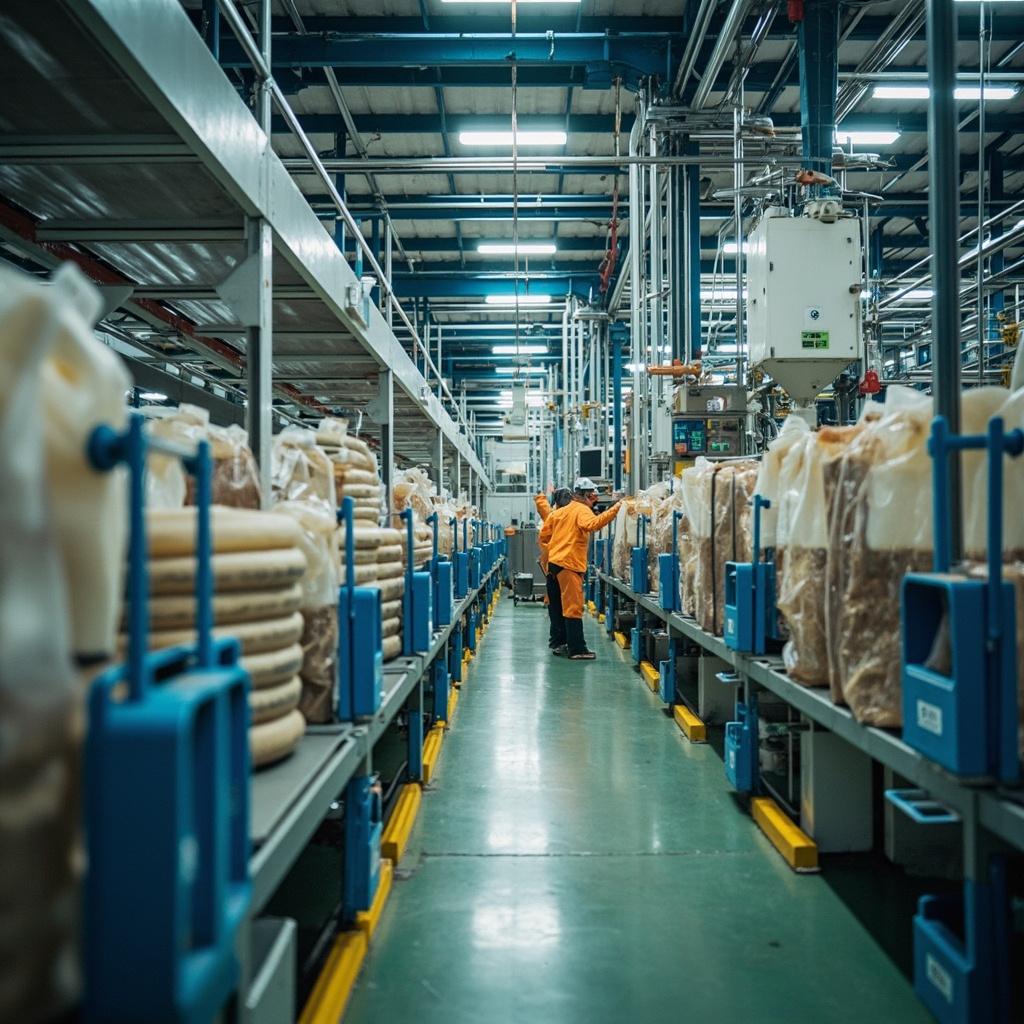
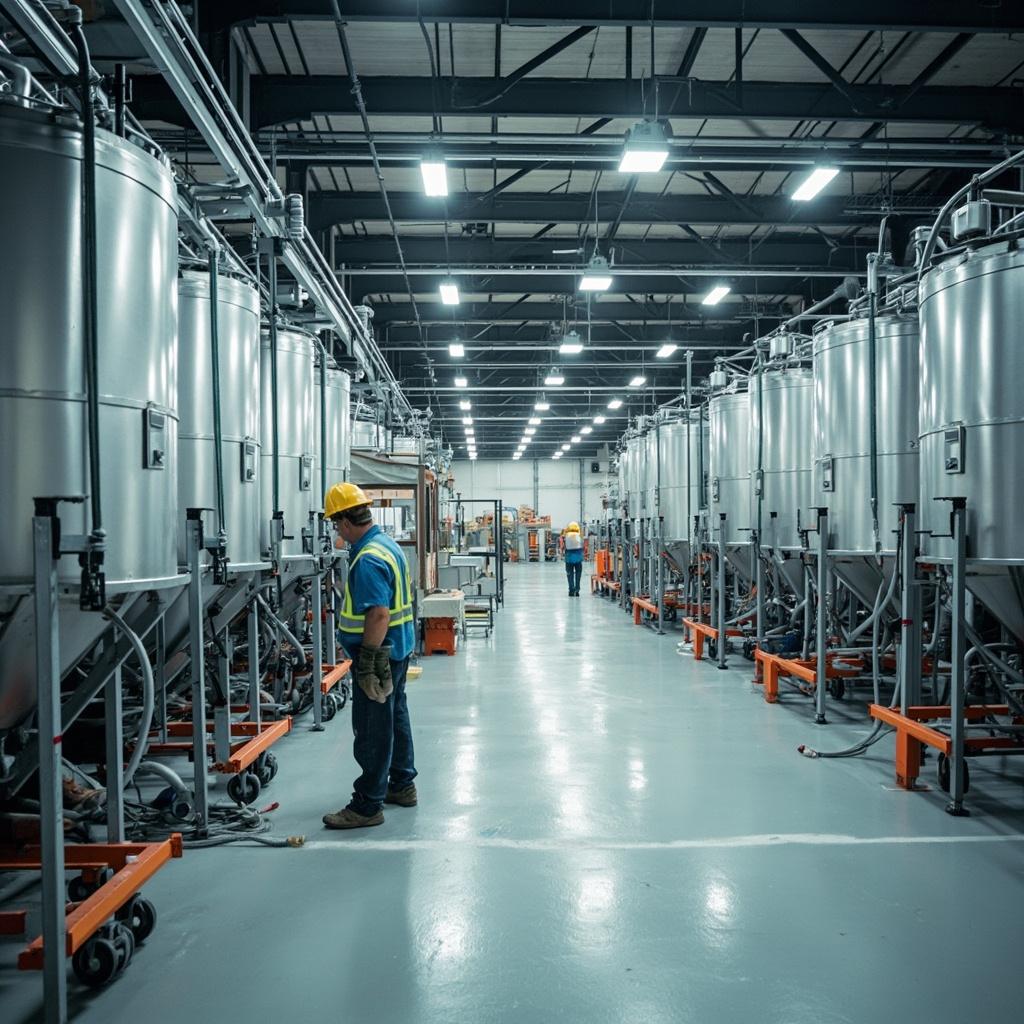
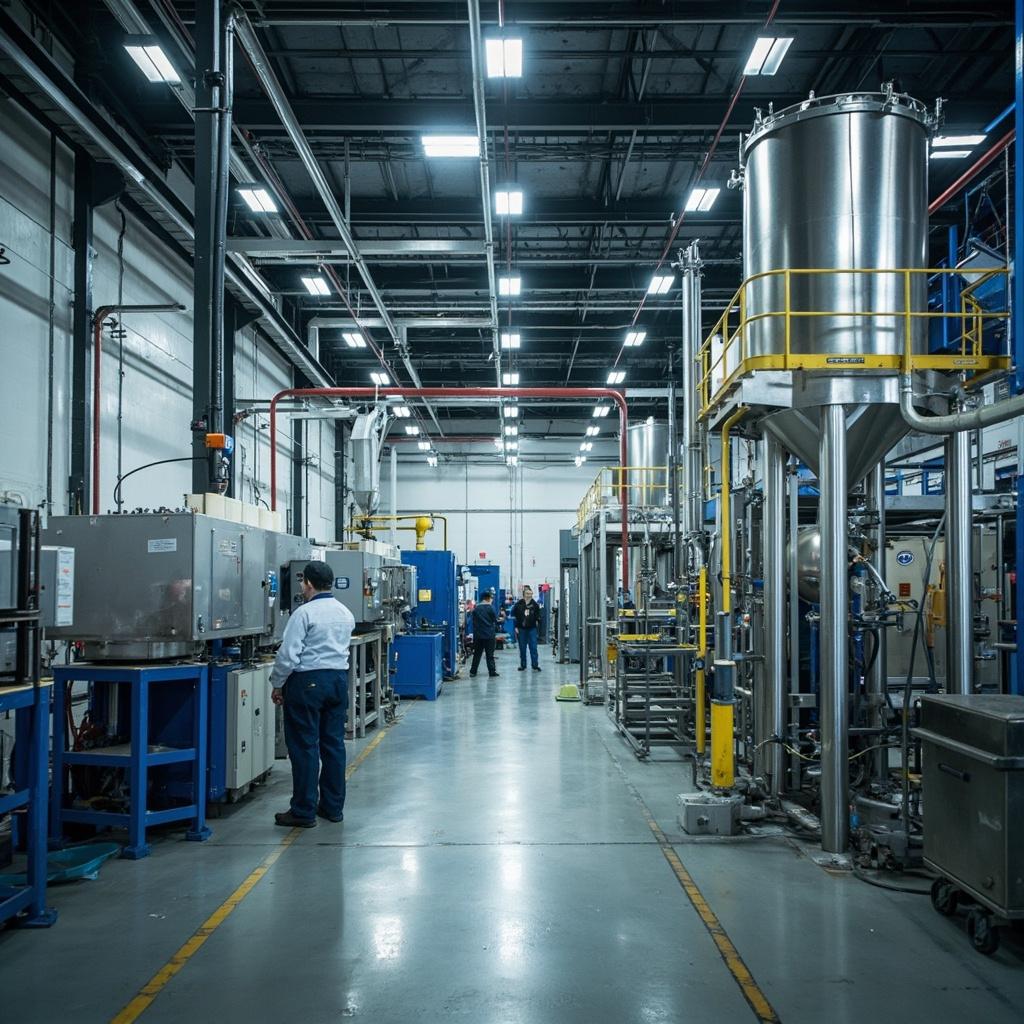
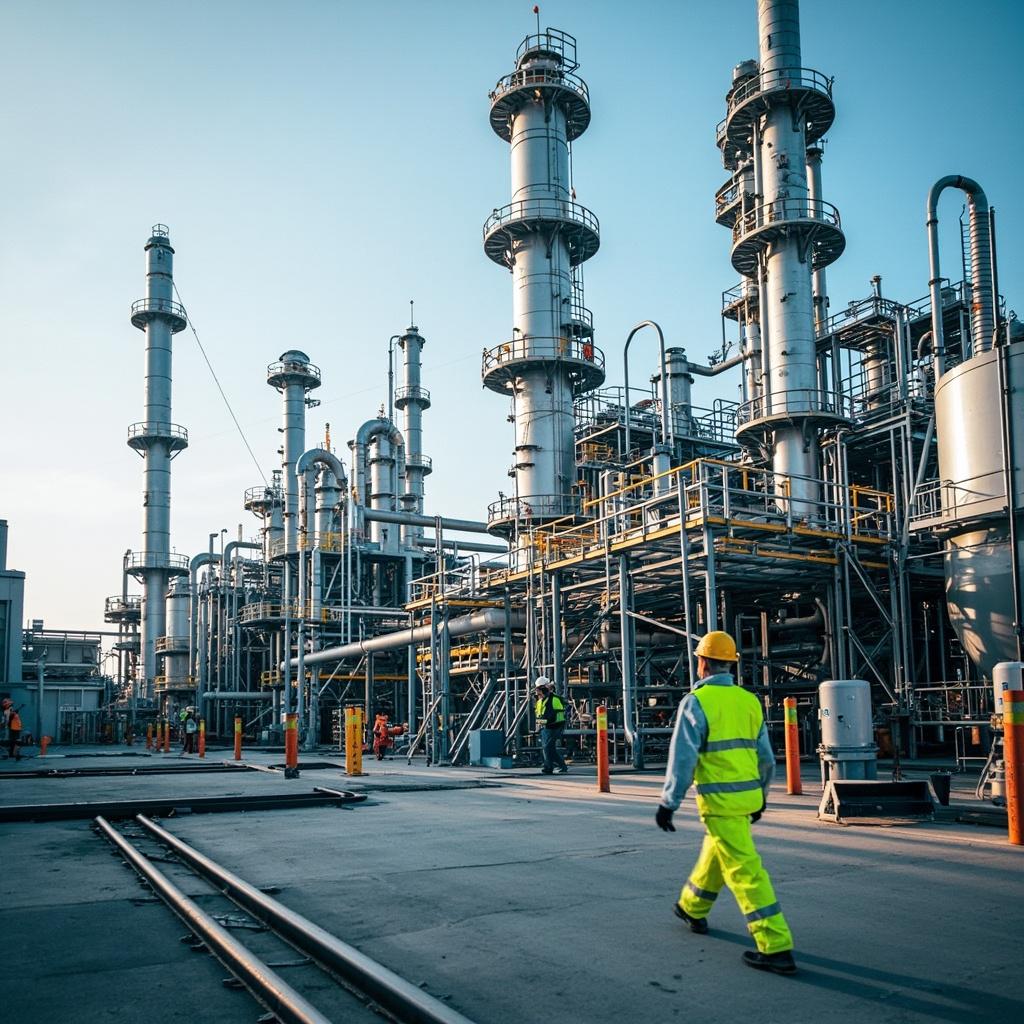
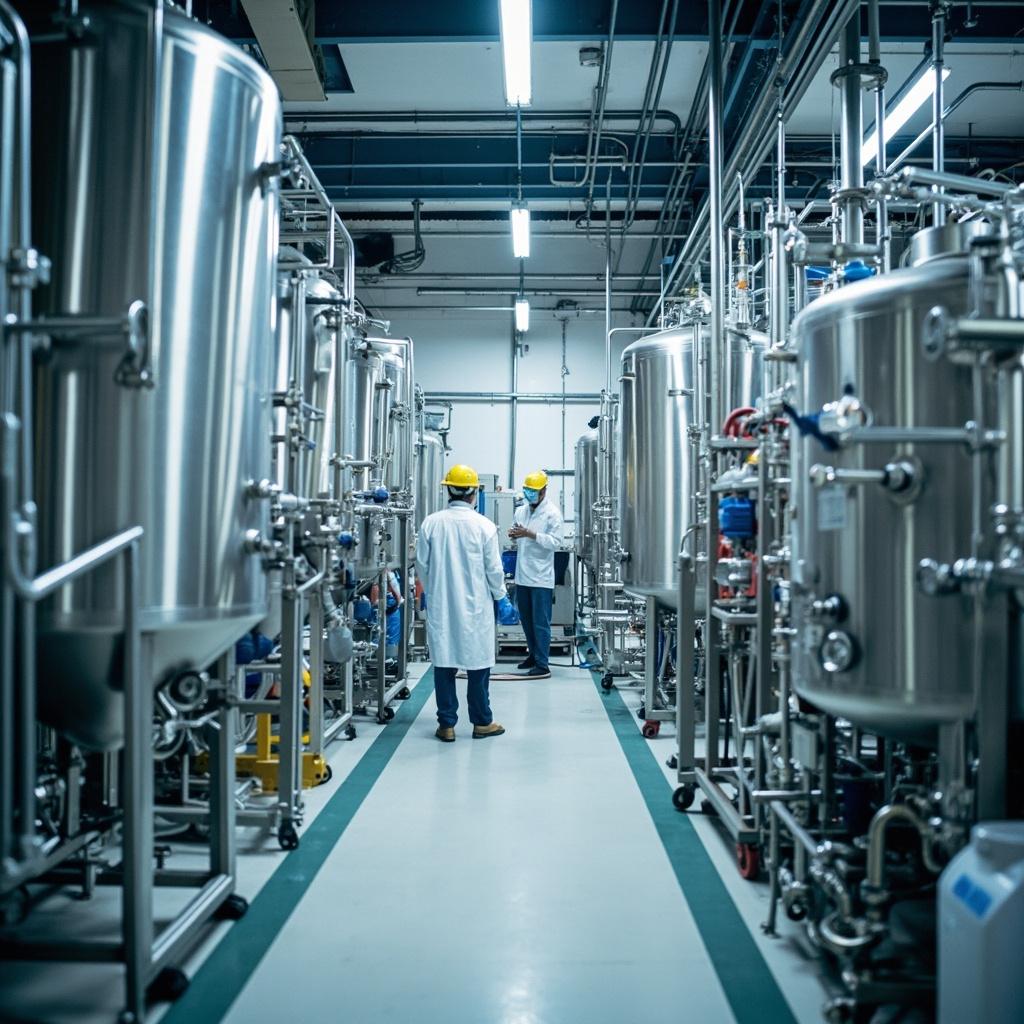
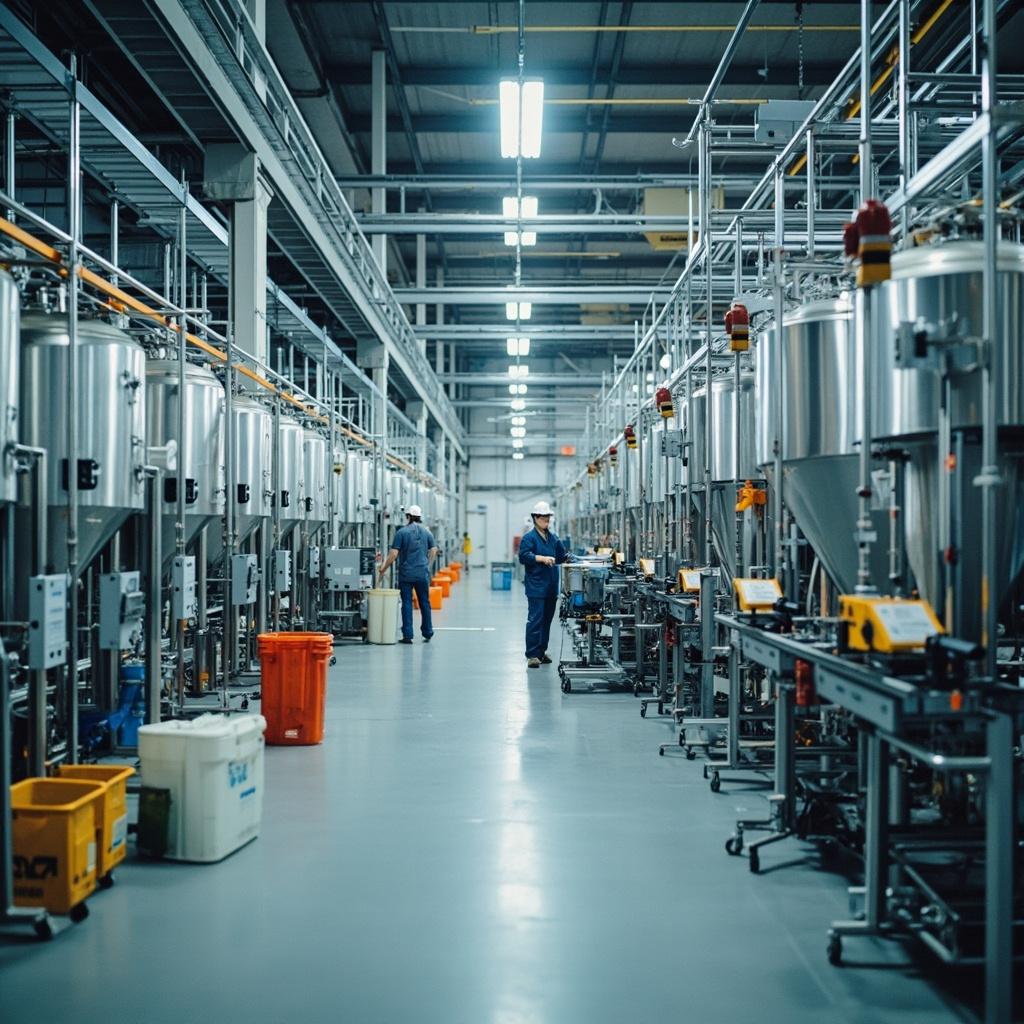
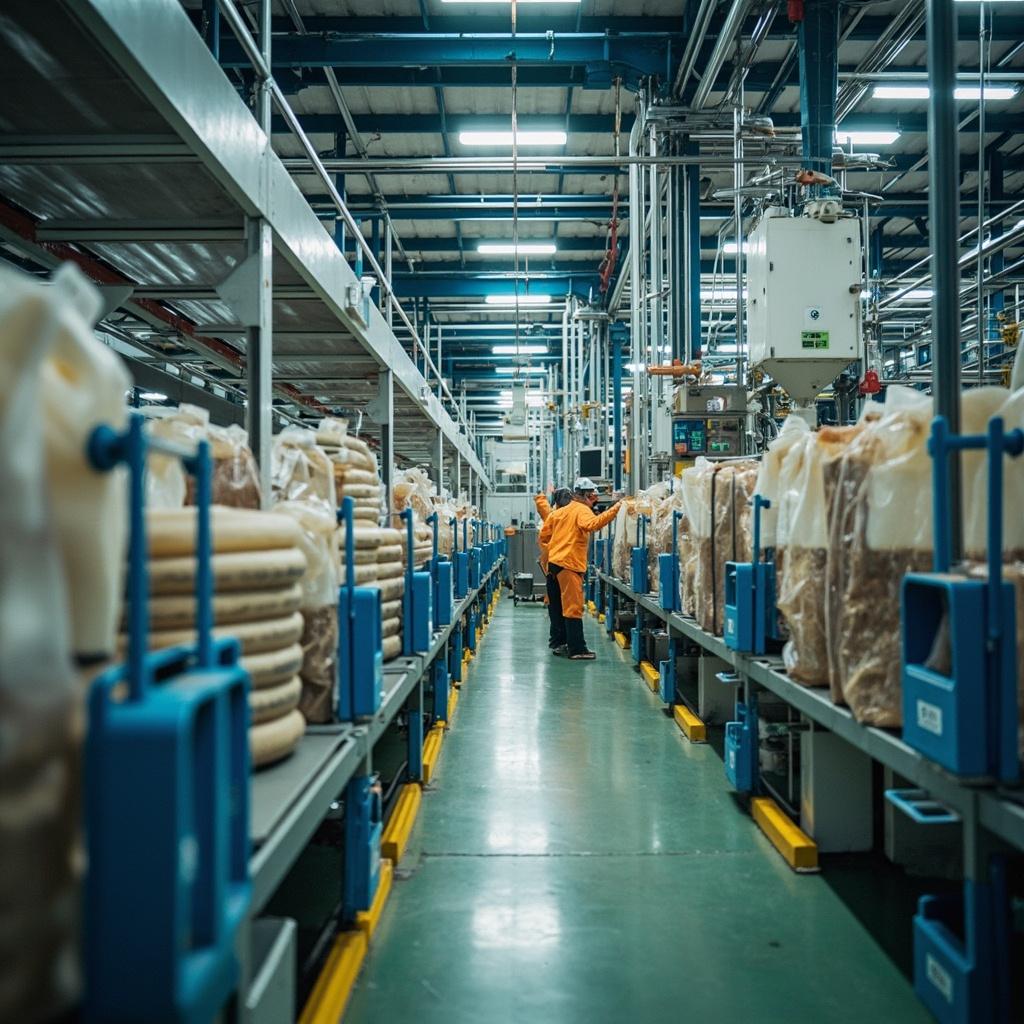
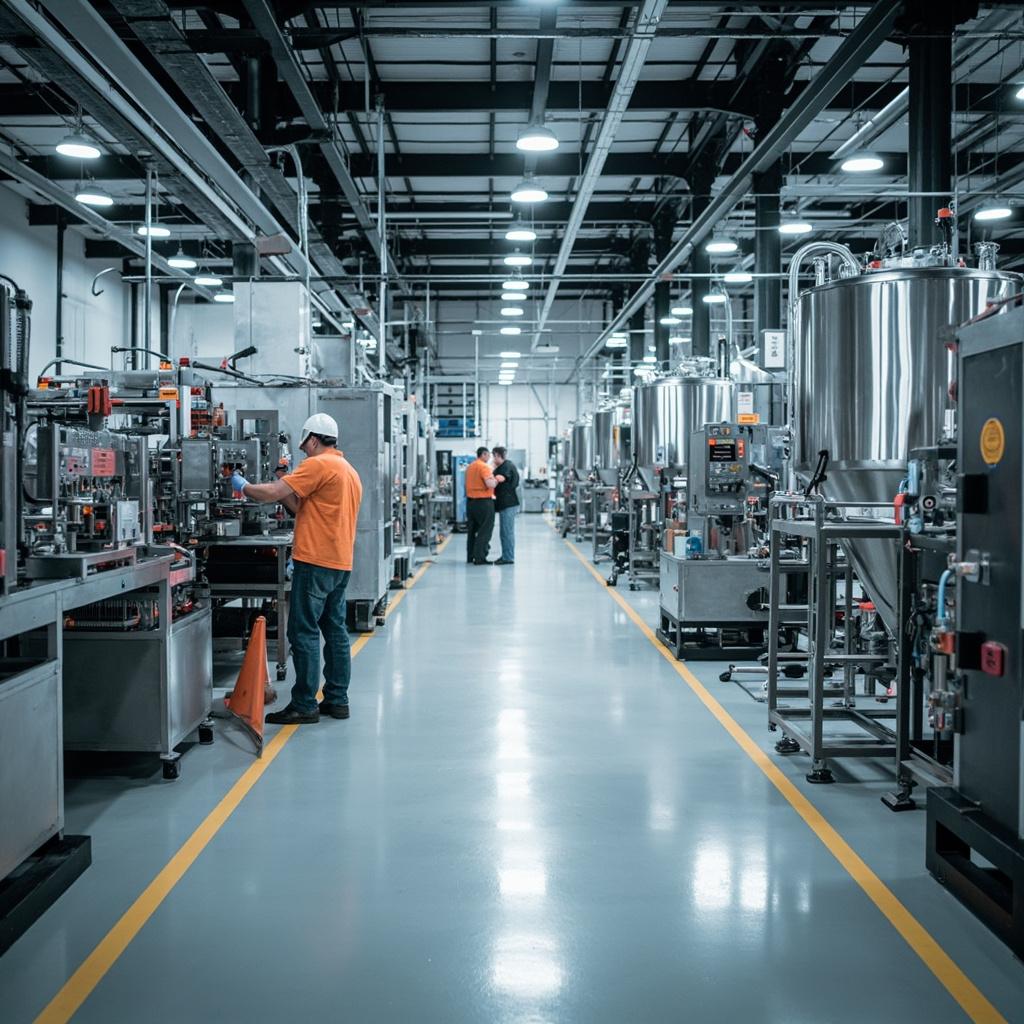
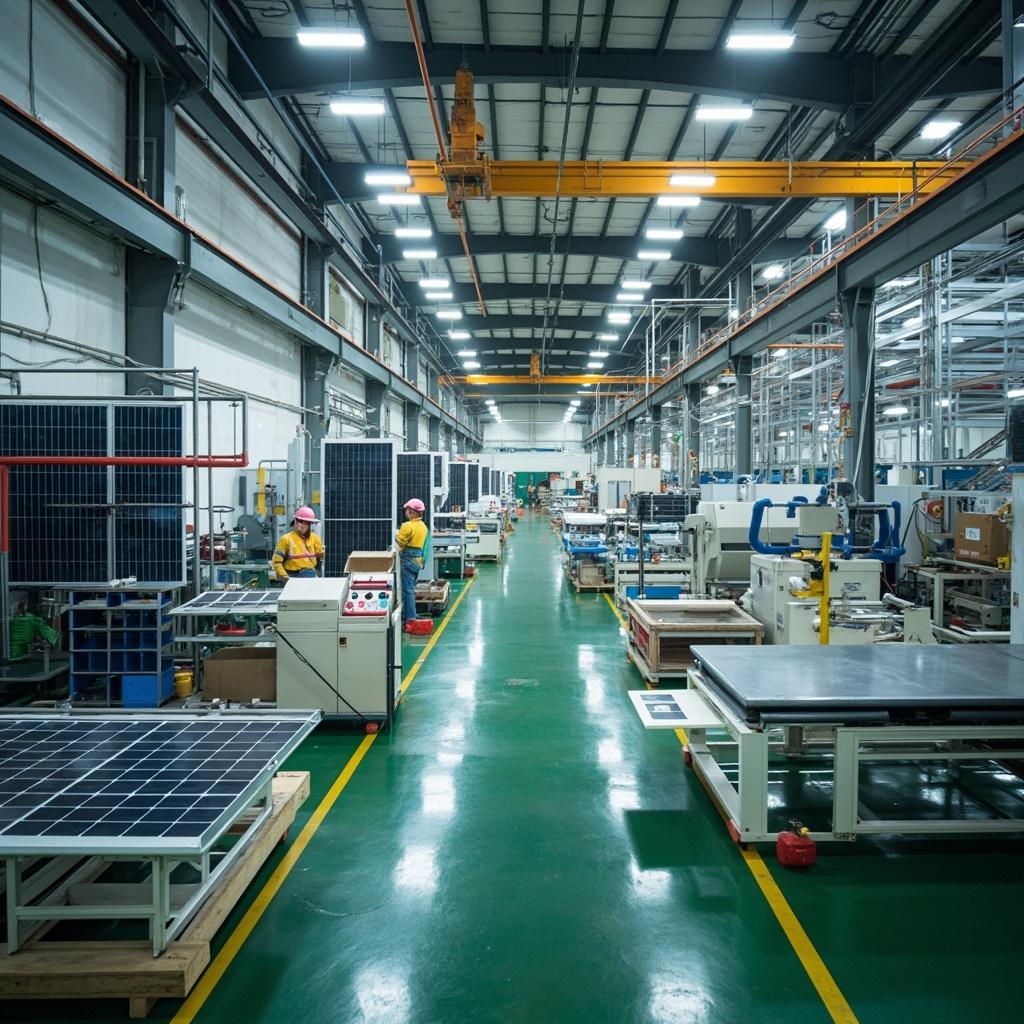
维瑞评级的制造商排名方法专为重资产、生产驱动型企业设计,采用专有的四维模型,强调制造能力而非品牌认知。我们的评估框架专门用于区分真正的制造商——即拥有并运营生产设施的公司——与品牌营销商、分销商以及依赖代工的企业。
维度一:生产规模(权重25%)
我们衡量的是实际制造产出,而非营销宣传。分析涵盖:关键化工基础原料(乙烯、丙烯、芳烃、甲醇、氯气)的年产量、所有生产装置的总铭牌产能、全球自有制造设施的数量及整合深度、原油加工能力(如适用,以桶/天计),以及公司原料成本相对于全球基准的位置。一家运营30多座世界级一体化炼化联合体的制造商,与仅运营单一基地的制造商相比,无论品牌知名度如何,得分都截然不同。数据来源包括公司年报(10-K、20-F文件)、运营数据披露、ICIS工厂产能数据库、IEA生产统计数据,以及基于卫星的设施活动实时监测。
维度二:研发(权重25%)
创新能力决定了制造商在商品周期中保持技术领先和利润率溢价的能力。我们评估:绝对和相对研发支出(总支出及占收入百分比)、关键技术领域(催化、聚合、工艺强化)的活跃专利和专利族数量、专有工艺技术组合及许可收入(技术领先的直接市场验证)、专职研发人员及设施数量,以及将新材料和工艺从实验室推向商业规模的记录。每年研发投入超过20亿美元、拥有1万多名研究人员和5万多项活跃专利的公司获得最高评分。数据来源包括WIPO PATENTSCOPE、USPTO、EPO数据库、公司投资者演示以及同行评审的化学工程期刊。
维度三:供应链覆盖(权重25%)
供应链韧性和地域多元化是能源和化工制造商的生存能力。我们评估:拥有自有制造业务的国家数量、原料采购多样性(多种原油等级、乙烷来源、生物基原料、回收废料)、物流基础设施所有权(专用管道、储运终端、港口设施、船队、铁路接入)、客户行业和地域多元化(降低单一行业或单一地区需求冲击的风险),以及在中断事件(飓风、地缘政治事件、疫情相关停工)中展现的供应链表现。在70多个国家运营、拥有数千公里专用管道网络和多源原料采购的制造商,得分显著高于单一地区运营商。
维度四:可持续发展与合规(权重25%)
能源和化工制造业面临所有工业部门中最严格的可持续发展审查。我们的评估涵盖:每吨产品的范围1、2和3温室气体排放强度(按行业基准衡量)、化学回收和循环原料整合率(来自回收或生物基原料占总原料的百分比)、废水处理和危险废物管理绩效(通过合规记录验证)、以总可记录事故率(TRIR)、损失工时事故率(LTIR)和工艺安全事件(PSE)统计衡量的工艺安全记录,以及低碳资本支出占总资本支出的百分比。责任关怀®、ISO 14001、ISO 45001和ISO 50001等认证获得正面权重。拥有运营中的碳捕集与封存(CCS)、净零范围1+2乙烯裂解装置以及行业领先安全记录的公司获得最高可持续发展得分。数据来源包括公司ESG报告、CDP气候披露、SBTi验证目标、EPA有毒物质释放清单、OSHA事故数据库以及独立非政府组织评估。
VerityRank's manufacturer ranking methodology is purpose-built for evaluating heavy-asset, production-driven enterprises, using a proprietary four-dimensional model that emphasizes manufacturing capability above brand perception. Our evaluation framework is designed specifically to distinguish true manufacturers—companies that own and operate their production facilities—from brand marketers, distributors, and OEM-dependent entities.
Dimension 1: Production Scale (25% Weight)
We measure actual manufacturing throughput, not marketing claims. Our analysis covers: annual production volume in key chemical building blocks (ethylene, propylene, aromatics, methanol, chlorine), total nameplate capacity across all production units, number and integration depth of self-owned manufacturing facilities worldwide, crude oil processing capacity (where applicable) measured in barrels per day, and the company's feedstock cost position relative to global benchmarks. A manufacturer operating 30+ world-scale integrated refining-petrochemical complexes receives a fundamentally different score from one operating a single site, regardless of brand recognition. Data sources include company annual reports (10-K, 20-F filings), operational data disclosures, ICIS plant capacity databases, IEA production statistics, and on-the-ground satellite monitoring of facility activity.
Dimension 2: Research & Development (25% Weight)
Innovation capability determines a manufacturer's ability to maintain technological leadership and margin premiums over commodity-cycle durations. We evaluate: absolute and relative R&D expenditure (both total spend and percentage of revenue), number of active patents and patent families in key technology areas (catalysis, polymerization, process intensification), proprietary process technology portfolio and licensing revenue (a direct market validation of technical leadership), number of dedicated R&D personnel and facilities, and track record of bringing new materials and processes from lab to commercial scale. Companies investing $2+ billion annually in R&D with 10,000+ researchers and 50,000+ active patents are scored at the highest tier. Sources include WIPO PATENTSCOPE, USPTO, EPO databases, company investor presentations, and peer-reviewed chemical engineering journals.
Dimension 3: Supply Chain Reach (25% Weight)
Supply chain resilience and geographic diversification are existential capabilities for energy and chemical manufacturers. We assess: number of countries with owned manufacturing operations, feedstock procurement diversity (multiple crude grades, ethane sources, bio-based feedstocks, recycled waste streams), logistics infrastructure ownership (dedicated pipelines, storage terminals, port facilities, shipping fleets, rail access), customer industry and geographic diversification (reducing exposure to single-sector or single-region demand shocks), and demonstrated supply chain performance during disruptions (hurricanes, geopolitical events, pandemic-related shutdowns). A manufacturer with operations in 70+ countries, dedicated pipeline networks spanning thousands of kilometers, and multi-sourced feedstock procurement scores significantly higher than a single-region operator.
Dimension 4: Sustainability & Compliance (25% Weight)
Energy and chemical manufacturing faces the most intense sustainability scrutiny of any industrial sector. Our evaluation covers: Scope 1, 2, and 3 greenhouse gas emissions intensity per ton of production (measured against sector benchmarks), chemical recycling and circular feedstock integration rate (percentage of total feedstock from recycled or bio-based sources), wastewater treatment and hazardous waste management performance (verified through regulatory compliance records), process safety record measured by Total Recordable Incident Rate (TRIR), Lost Time Incident Rate (LTIR), and Process Safety Event (PSE) statistics, and low-carbon capital expenditure as a percentage of total CapEx. Certifications including Responsible Care®, ISO 14001, ISO 45001, and ISO 50001 are weighted positively. Companies with operational CCS (carbon capture and storage), net-zero Scope 1+2 ethylene crackers, and industry-leading safety records achieve the highest sustainability scores. Data sources include company ESG reports, CDP Climate disclosures, SBTi validated targets, EPA Toxic Release Inventory, OSHA incident databases, and independent NGO assessments.
顶尖的能源和化工制造商并非靠营销预算或品牌知名度脱颖而出,而是凭借其生产资产的物理规模、技术复杂度和整合深度。区分行业领导者与追随者的最重要制造能力可��五个关键领域进行评估。
1. 原料灵活性与安全性
化工制造中最重要的结构性优势是获得优惠原料——由于地理邻近、长期合同或上游资源所有权而价格低于全球市场水平的碳氢化合物。领先制造商展现出跨多种原料类型的灵活性:沙特阿美利用低于3美元/桶的原油生产成本;陶氏和埃克森美孚受益于美国墨西哥湾沿岸乙烷价格150-250美元/吨,而石脑油为500-700美元/吨;中石化独特地将原油炼制、天然气加工和煤化工(MTO/MTP)整合在同一企业旗下。能够根据相对经济性在乙烷、丙烷、石脑油和柴油原料之间切换的制造商,拥有任何运营效率都无法复制的结构性利润率优势。
2. 工艺技术所有权与许可
化工厂内部使用的技术是决定收率、能效和产品质量的根本因素。领先制造商拥有提供持久竞争优势的专有工艺技术:巴斯夫的Verbund一体化通过副产品利用实现比独立生产节能60%以上;壳牌的OMEGA和SHOP技术已许可给全球100多家工厂,既产生收入又设定行业标准;埃克森美孚的茂金属催化剂能够生产出传统齐格勒-纳塔催化剂无法达到的性能特性的聚乙烯产品(Exceed、Enable)。全球使用某制造商许可技术的工厂数量是其技术领先地位的直接、市场验证的衡量标准。
3. 工厂规模与整合深度
在大宗化学品领域,规模是单位生产成本的主要决定因素。世界级乙烯裂解装置的年产能现已超过150万吨;像中石化镇海(54万桶/天炼油+乙烯、芳烃、聚合物)这样的一体化炼化联合体通过共享公用工程、物流和中间产品流实现成本协同,这是独立工厂无法比拟的。最先进的制造综合体是“原油直接制化学品”(COTC)设施,可将高达70%的原油直接转化为化学品——是传统15-25%转化率的两倍——沙特阿美的延布和中石化的恒力COTC综合体代表了制造整合的前沿。
4. 特种产品组合与应用专长
大宗化学品带来收入规模,而特种产品则带来持久利润。领先制造商的产品组合两者兼备:巴斯夫大规模生产乙烯(大宗),同时通过需要专有发酵和纯化技术的多步合成制造维生素A(特种)。陶氏的产品组合从大宗聚乙烯延伸到用于半导体封装的专用有机硅封装材料。与终端客户共同开发产品——为汽车座椅配制特定的聚氨酯泡沫,或为医疗器械配制特定的聚乙烯等级——创造了转换成本和利润保护,这是纯大宗商品生产商无法实现的。
5. 循环经济与低碳制造基础设施
化工行业的运营许可越来越依赖于展示循环性。领先制造商正在为后化石燃料时代建设实体基础设施:陶氏与Mura的化学回收合作(英国年产2万吨热解油)以及阿尔伯塔省的Path2Zero净零裂解装置(投资超100亿美元);壳牌在加拿大Quest(每年捕集超100万吨CO2)和挪威Northern Lights项目的运营CCS;巴斯夫通过质量平衡认证的产品组合,使客户能够实现范围3减排目标。循环或生物基原料的处理量——以吨/年计及占总原料百分比——正变得与乙烯产量一样重要的制造指标。随着碳定价、塑料税和客户可持续发展要求在全球范围内收紧,今天缺乏运营中的循环制造基础设施的公司将面临结构性竞争劣势。
Top-tier energy and chemical manufacturers are distinguished not by their marketing budgets or brand recognition, but by the physical scale, technological sophistication, and integration depth of their production assets. The most important manufacturing capabilities that separate industry leaders from followers can be evaluated across five critical domains.
1. Feedstock Flexibility and Security
The single most important structural advantage in chemical manufacturing is access to advantaged feedstock—hydrocarbons priced below global market rates due to geographic proximity, long-term contracts, or ownership of upstream resources. Leading manufacturers demonstrate feedstock flexibility across multiple input types: Saudi Aramco leverages sub-$3/barrel crude production costs; Dow and ExxonMobil benefit from USGC ethane at $150-250/ton versus naphtha at $500-700/ton; Sinopec uniquely combines crude oil refining, natural gas processing, and coal-to-chemicals (MTO/MTP) under one corporate umbrella. A manufacturer that can switch between ethane, propane, naphtha, and gas oil feedstocks based on relative economics has a structural margin advantage that no amount of operational efficiency can replicate.
2. Process Technology Ownership and Licensing
The technology used inside a chemical plant is the fundamental determinant of yield, energy efficiency, and product quality. Leading manufacturers own proprietary process technologies that provide durable competitive advantages: BASF's Verbund integration achieves 60%+ energy savings versus standalone production through by-product utilization; Shell's OMEGA and SHOP technologies are licensed to 100+ plants globally, simultaneously generating revenue and setting industry standards; ExxonMobil's metallocene catalysts enable polyethylene products (Exceed, Enable) with performance characteristics unattainable by conventional Ziegler-Natta catalysts. The number of plants globally using a manufacturer's licensed technology is a direct, market-validated measure of technical leadership.
3. Plant Scale and Integration Depth
In commodity chemicals, scale is the primary determinant of unit production cost. World-scale ethylene crackers now exceed 1.5 million tonnes of annual capacity; integrated refinery-petrochemical complexes like Sinopec's Zhenhai (540,000 bpd refining + ethylene, aromatics, polymers) achieve cost synergies through shared utilities, logistics, and intermediate product streams that standalone plants cannot match. The most sophisticated manufacturing complexes are "crude-oil-to-chemicals" (COTC) facilities that convert up to 70% of crude oil directly into chemicals—double the traditional 15-25% conversion rate—with Saudi Aramco's Yanbu and Sinopec's Hengli COTC complexes representing the frontier of manufacturing integration.
4. Specialty Product Portfolio and Application Expertise
While commodity chemicals generate revenue scale, specialty products generate durable margins. Leading manufacturers maintain portfolios spanning both: BASF produces ethylene (commodity) at massive scale while simultaneously manufacturing vitamin A (specialty) through multi-step synthesis requiring proprietary fermentation and purification technology. Dow's product portfolio extends from commodity polyethylene to specialized silicone encapsulants for semiconductor packaging. The ability to co-develop products with end customers—formulating a specific polyurethane foam for an automotive seat, or a specific polyethylene grade for a medical device—creates switching costs and margin protection that pure commodity producers cannot achieve.
5. Circular Economy and Low-Carbon Manufacturing Infrastructure
The chemical industry's license to operate increasingly depends on demonstrated circularity. Leading manufacturers are building physical infrastructure for the post-fossil-fuel era: Dow's chemical recycling partnership with Mura (20,000 tonnes/year pyrolysis oil production in the UK) and the Path2Zero net-zero cracker in Alberta ($10+ billion investment); Shell's operational CCS at Quest (Canada, 1+ million tonnes CO2/year) and Northern Lights development in Norway; BASF's mass balance-certified product portfolio enabling customers to meet Scope 3 reduction targets. The quantity of circular or bio-based feedstock processed—measured in tonnes per year and as a percentage of total feedstock—is becoming as important a manufacturing metric as ethylene production volume. Companies that today lack operational circular manufacturing infrastructure face a structural competitive disadvantage as carbon pricing, plastic taxes, and customer sustainability requirements tighten globally.
能源和化工行业的质量管理和工艺安全并非可有可无——它们是生存要求,因为一次重大事故就可能导致人员伤亡、环境灾难、数十亿美元的责任以及永久失去运营许可。该行业运营着地球上一些最危险的制造工艺:850°C的蒸汽裂解装置、2000巴以上的加氢处理装置、处理氰化氢、氯气和环氧乙烷的反应器——这些化合物��时��有毒性、易燃性和反应性。顶级制造商维护的质量和安全体系反映了这种极端操作环境。
工艺安全管理(PSM)
所有领先的能源和化工制造商都维护着符合OSHA PSM(29 CFR 1910.119)或同等国际标准(欧洲Seveso III指令、中国AQSIQ法规)的全面工艺安全管理体系。成熟的PSM计划包括14个强制性要素:工艺安全信息(准确的P&ID、物料平衡、泄压系统设计)、工艺危害分析(每5年进行一次HAZOP研究并跟踪行动项)、带有明确安全操作限值的操作规程、基于风险检验计划的机械完整性程序、变更管理(MOC)程序(要求在设备、工艺或操作修改前进行安全审查)、新设施或改造设施的启动前安全审查,以及通过定期演练测试的应急响应计划。顶级制造商跟踪领先指标(MOC关闭率、安全关键设备逾期检验)以及滞后指标(工艺安全事件率、一级 containment 损失频率)。
安全仪表系统(SIS)与保护层分析(LOPA)
化工厂安全通过多个独立保护层(IPL)实现。最关键的一层是安全仪表系统(SIS)——当操作参数偏离时自动将工厂置于安全状态的专用硬件和软件。SIS设计遵循IEC 61511标准,定义了安全完整性等级(SIL 1至SIL 4),每个SIL等级对应特定的需求失效概率。SIL 3系统(用于风险降低因子>1000的最关键保护)需要冗余传感器、逻辑解算器和最终元件,并配有严格的验证测试计划。保护层分析(LOPA)量化每个保护层提供的风险降低——基本过程控制系统报警、操作员响应、SIS、泄压装置、围堰和 containment、应急响应——确保残余风险低于公司的可接受风险标准。
质量管理体系与产品认证
制造一致性至关重要,因为下游客户——无论是模塑聚丙烯保险杠的汽车制造商还是合成活性成分的制药公司——都依赖每批货物具有相同的材料特性。顶级制造商维护ISO 9001认证的质量管理体系,并配备实验室信息管理系统(LIMS),跟踪从原料接收到中间测试再到成品认证的每个生产批次。分析证书(COA)记录关键特性的实际测量值:聚乙烯的熔融指数(MFI)和密度;多元醇的羟值和酸值;芳烃的纯度、异构体分布和颜色;润滑油基础油的粘度指数和倾点。统计过程控制(SPC)图表跟踪关键质量属性的过程能力指数(Cpk),对于高精度应用,Cpk ≥1.33(99.99%在规格范围内)被认为是最低可接受水平。产品认证扩展到行业特定标准:油田化学品的API(美国石油学会)标准、医药级化学品的USP/EP/JP药典、食品接触批准(FDA 21 CFR、EU 10/2011)以及REACH/TSCA化学品清单合规。
环境管理与可持续发展认证
环境许可证——空气排放(美国Title V、欧盟IED许可证)、NPDES废水排放许可证、RCRA危险废物管理——代表最低法律要求。领先制造商的运营水平远低于许可限值,并维护ISO 14001(环境管理)和ISO 50001(能源管理)认证。由各国化工行业协会(美国ACC、欧洲CEFIC、中国CPCIF)管理的化工行业责任关怀®倡议,要求参与公司公开报告EHS绩效指标并接受第三方审计。下游客户日益要求的可持续发展认证包括ISCC PLUS(循环和生物基原料的质量平衡认证)、REDcert²(化工市场可持续生物质认证)和EcoVadis可持续发展评级(评分0-100,分金/银/铜等级)。最佳制造商为其主要产品线发布按ISO 14067计算的产品碳足迹(PCF)和按ISO 14025计算的环境产品声明(EPD)。
持续改进与卓越运营计划
除了合规和认证,领先制造商将持续改进融入日常运营。诸如精益/六西格玛(DMAIC方法论)、整体设备效率(OEE)跟踪(连续流程目标>95%)以及数字化转型举措(用于工厂优化的数字孪生、AI驱动预测性维护、自动化控制回路性能监控)等项目,推动安全、质量、收率、能效和成本的系统性改进。运营卓越的行业基准是在所有方面同时实现改进——一个工厂在一年内将OEE提高3%,同时将能源强度降低5%,并将工艺安全事件率降低20%,这代表了世界级的运营能力。
Quality management and process safety in the energy and chemical industry are not optional—they are existential requirements, as a single major incident can result in fatalities, environmental catastrophe, multi-billion-dollar liabilities, and permanent loss of operating license. The industry operates some of the most hazardous manufacturing processes on Earth: steam crackers at 850°C, hydrotreaters at 2,000+ bar, reactors handling hydrogen cyanide, chlorine, and ethylene oxide—compounds that are simultaneously toxic, flammable, and reactive. The quality and safety systems maintained by top manufacturers reflect this extreme operating environment.
Process Safety Management (PSM)
All leading energy and chemical manufacturers maintain comprehensive Process Safety Management systems conforming to OSHA PSM (29 CFR 1910.119) or equivalent international standards (Seveso III Directive in Europe, AQSIQ regulations in China). A mature PSM program includes 14 mandatory elements: process safety information (accurate P&IDs, material balances, relief system designs), process hazard analysis (HAZOP studies conducted every 5 years with action item tracking), operating procedures with clear safe operating limits, mechanical integrity programs with risk-based inspection schedules, management of change (MOC) procedures requiring safety review before any equipment, process, or operational modification, pre-startup safety reviews for new or modified facilities, and emergency response plans tested through regular drills. Top-tier manufacturers track leading indicators (MOC closure rates, safety critical equipment overdue inspections) alongside lagging indicators (Process Safety Event rates, Loss of Primary Containment frequency).
Safety Instrumented Systems (SIS) and Layer of Protection Analysis (LOPA)
Chemical plant safety is achieved through multiple independent protection layers (IPLs). The most critical layer is the Safety Instrumented System (SIS)—dedicated hardware and software that automatically takes the plant to a safe state when operating parameters deviate. SIS design follows IEC 61511 standards with defined Safety Integrity Levels (SIL 1 through SIL 4), where each SIL level corresponds to a specific probability of failure on demand. SIL 3 systems (used for the most critical protections with risk reduction factor >1,000) require redundant sensors, logic solvers, and final elements with rigorous proof-testing schedules. Layer of Protection Analysis (LOPA) quantifies the risk reduction provided by each protection layer—basic process control system alarms, operator response, SIS, pressure relief devices, dikes and containment, and emergency response—ensuring that residual risk is below the company's tolerable risk criteria.
Quality Management Systems and Product Certification
Manufacturing consistency is critical because downstream customers—whether automakers molding polypropylene bumpers or pharmaceutical companies synthesizing active ingredients—depend on identical material properties in every shipment. Top manufacturers maintain ISO 9001-certified quality management systems with laboratory information management systems (LIMS) that track every production batch from raw material receipt through intermediate testing to finished product certification. Certificates of Analysis (COA) document actual measured values for key properties: Melt Flow Index (MFI) and density for polyethylene; hydroxyl number and acid value for polyols; purity, isomer distribution, and color for aromatics; viscosity index and pour point for lubricant base stocks. Statistical process control (SPC) charts track process capability indices (Cpk) for critical quality attributes, with Cpk ≥1.33 (99.99% within specification) considered minimum acceptable for high-precision applications. Product certifications extend to industry-specific standards: API (American Petroleum Institute) for oilfield chemicals, USP/EP/JP pharmacopoeia for pharmaceutical-grade chemicals, food contact approvals (FDA 21 CFR, EU 10/2011), and REACH/TSCA chemical inventory compliance.
Environmental Management and Sustainability Certification
Environmental permits—air emissions (Title V in the US, IED permits in the EU), NPDES wastewater discharge permits, RCRA hazardous waste management—represent the minimum legal requirement. Leading manufacturers operate substantially below permitted limits and maintain ISO 14001 (environmental management) and ISO 50001 (energy management) certifications. The chemical industry's Responsible Care® initiative, administered by national chemical industry associations (ACC in the US, CEFIC in Europe, CPCIF in China), requires participating companies to publicly report EHS performance metrics and undergo third-party audits. Sustainability certifications increasingly demanded by downstream customers include ISCC PLUS (mass balance certification for circular and bio-based feedstocks), REDcert² (sustainable biomass certification for chemical markets), and EcoVadis sustainability ratings (scored 0-100 with gold/silver/bronze classifications). The best manufacturers publish product carbon footprints (PCFs) calculated per ISO 14067 and Environmental Product Declarations (EPDs) per ISO 14025 for their major product lines.
Continuous Improvement and Operational Excellence Programs
Beyond compliance and certification, leading manufacturers embed continuous improvement into daily operations. Programs such as Lean/Six Sigma (DMAIC methodology), Overall Equipment Effectiveness (OEE) tracking targeting >95% for continuous processes, and digital transformation initiatives (digital twins for plant optimization, AI-driven predictive maintenance, automated control loop performance monitoring) drive systematic improvement in safety, quality, yield, energy efficiency, and cost. The industry benchmark for operational excellence is achieving simultaneous improvement across all vectors—a plant that improves OEE by 3% while reducing energy intensity by 5% and Process Safety Event rate by 20% in a single year represents world-class operational capability.
全球能源和化工制造业正经历自20世纪50年代石化革命以来最深刻的结构性转型,由五大同时发生的宏观趋势驱动,这些趋势从根本上重新定义了化工厂的外观、建设地点和生产内容。理解这些趋势对于评估制造合作伙伴的采购专业人士、投资者和行业战略家至关重要。
1. 原油直接制化学品(COTC)与炼化一体化
传统的炼油模式——70-85%燃料产出,15-25%化工原料——正在被颠覆。新的COTC联合体设计为将一桶原油的40-70%直接转化为化学品。沙特阿美的延布COTC联合体(开发中)、中石化大连恒力COTC联合体(运营中,年处理原油2000万吨)以及ADNOC在鲁韦斯的Ta'ziz工业联合体代表了这一范式转变中已宣布的超过1000亿美元投资。其影响深远:未来的一体化联合体将以化学品和聚合物为主要产品,燃料为副产品,从根本上改变运输燃料需求与化工原料供应之间的历史关系。拥有并运营COTC设施的公司将在化工生产经济性方面拥有独立石化厂无法比拟的结构性优势。
2. 化工制造电气化
化工制造历来依赖燃烧提供热量(加热炉、锅炉)和热化学反应——但这正在迅速改变。电加热蒸汽裂解装置(电裂解炉)正从中试转向商业规模:巴斯夫、SABIC和林德在路德维希港的联合示范装置于2024年达到1兆瓦规模,而陶氏在阿尔伯塔省的Path2Zero项目目标是在2030年前实现商业规模电裂解。电化学工艺也在取得进展:通过PEM电解生产的绿氢正在取代蒸汽甲烷重整(SMR)用于化工级氢气生产;环氧乙烷、过氧化氢和其他大宗化学品的电化学合成正从实验室推进到中试规模。这一转变对工厂选址具有重大影响——未来的化工厂将靠近廉价可再生电力而非廉价化石燃料——并对支持它们的电网基础设施产生影响。Power-to-X(将可再生电力转化为化学品和燃料)代表了一种制造范式,其中可再生电子而非碳氢化合物分子是主要输入。
3. 化学回收与循环原料革命
机械回收无法解决所有塑料废物——它每次循环都会降低聚合物性能,并且无法处理混合或受污染的废物流。化学回收技术正在创建一个平行的原料系统:热解将混合塑料废物转化为热解油,可直接送入蒸汽裂解装置,替代原生石脑油;解聚将缩聚物(PET、PMMA、聚酰胺)分解回其原始单体,用于重新聚合成原生质量产品;溶解使用选择性溶剂将聚合物与添加剂和污染物分离。陶氏与Mura的合作(英国年产2万吨,全球计划超过60万吨/年)以及利安德巴塞尔的MoReTec设施(在德国韦塞林建设)代表了这些技术的商业化。战略意义:将化学回收整合到现有裂解装置基础设施中的制造商将受益于更低的原料成本(在许多地区,废塑料比原生石脑油便宜)和溢价产品定价(循环认证聚合物在可持续发展承诺的品牌中享有30-50%的价格溢价)。
4. 区域制造再平衡
化工制造的地理中心正从大西洋盆地转移到亚太和中东。亚太地区现在占全球乙烯产能的55%以上和化工资本支出的60%以上。仅中国就在2023-2027年建设超过2000万吨的新乙烯产能——超过西欧的总装机容量。与此同时,欧洲化工生产已结构性下降:巴斯夫以77亿欧元将涂料业务出售给凯雷,SABIC以9.5亿美元出售欧洲资产,利安德巴塞尔永久关闭其休斯顿炼油厂——所��这些都标志着从高成本、低增长地区的撤退。以沙特阿美/SABIC和ADNOC为首的中东正在部署“原料+技术”战���——收购欧洲技术公司(ADNOC以147亿欧元收购科思创),同时在国内以低于2美元/百万英热单位的乙烷建设制造能力。对于全球采购专业人士来说,这意味着供应商生态系统正在经历根本性重组,随着生产能力在区域间迁移,既定的供应链可能被打乱。
5. 数字制造与AI驱动运营
化工厂是仪器仪表最密集的工业设施之一,一个典型的世界级乙烯厂每秒从监测温度、压力、流量、成分、振动和排放的传感器生成超过2万个数据点。将AI/ML应用于这些数据正在改变工厂运营:预测性维护算法分析设备振动频谱,在故障发生前数周识别轴承退化;先进过程控制(APC)系统实时优化反应器条件,以实现最大收率和最低能耗;数字孪生——反映物理工厂行为的计算模型——使操作员能够在实施工艺变更前进行模拟,大大降低了操作错误的风险。最先进的制造商正在实施自主运营,AI系统处理常规工艺调整,使人类操作员能够专注于异常管理和战略优化。陶氏与微软在AI驱动制造方面的合作、壳牌在80多个资产中部署AI,以及巴斯夫将量子计算整合到催化剂研究中,代表了化工行业数字化的前沿。未能投资数字基础设施的制造商将面临与数字化竞争对手相比日益增长的运营成本和可靠性劣势。
The global energy and chemical manufacturing industry is experiencing its most profound structural transformation since the petrochemical revolution of the 1950s, driven by five concurrent mega-trends that are fundamentally redefining what chemical plants look like, where they are built, and what they produce. Understanding these trends is essential for procurement professionals, investors, and industry strategists evaluating manufacturing partners.
1. Crude-Oil-to-Chemicals (COTC) and the Refining-Petrochemical Convergence
The traditional refinery model—70-85% fuels output, 15-25% chemical feedstock—is being inverted. New COTC complexes are designed to convert 40-70% of a barrel of crude oil directly into chemicals. Saudi Aramco's Yanbu COTC complex (in development), Sinopec's Hengli COTC complex in Dalian (operational, 20 million tonnes/year crude processing), and ADNOC's Ta'ziz industrial complex in Ruwais represent $100+ billion in announced investments in this paradigm shift. The implication is profound: future integrated complexes will produce chemicals and polymers as primary products and fuels as by-products, fundamentally altering the historical relationship between transportation fuel demand and chemical feedstock availability. Companies that own and operate COTC facilities will have a structural advantage in chemical production economics that standalone petrochemical plants cannot match.
2. Electrification of Chemical Manufacturing
Chemical manufacturing has historically relied on combustion for heat (fired heaters, boilers) and thermochemical reactions—but this is changing rapidly. Electrically heated steam crackers (e-crackers) are transitioning from pilot to commercial scale: BASF, SABIC, and Linde's joint demonstration plant at Ludwigshafen achieved 1 megawatt scale in 2024, while Dow's Path2Zero project in Alberta targets commercial-scale electric cracking by 2030. Electrochemical processes are also making inroads: green hydrogen via PEM electrolysis is displacing steam methane reforming (SMR) for chemical-grade hydrogen production; electrochemical synthesis of ethylene oxide, hydrogen peroxide, and other commodity chemicals is advancing from laboratory to pilot scale. The shift has massive implications for plant siting—future chemical plants will locate near cheap renewable electricity rather than cheap fossil fuels—and for the electrical grid infrastructure needed to support them. Power-to-X (converting renewable electricity into chemicals and fuels) represents a manufacturing paradigm where renewable electrons, not hydrocarbon molecules, are the primary input.
3. Chemical Recycling and the Circular Feedstock Revolution
Mechanical recycling cannot address all plastic waste—it degrades polymer properties with each cycle and cannot handle mixed or contaminated waste streams. Chemical recycling technologies are creating a parallel feedstock system: pyrolysis converts mixed plastic waste into pyrolysis oil that can be fed directly into steam crackers, displacing virgin naphtha; depolymerization breaks condensation polymers (PET, PMMA, polyamides) back into their original monomers for re-polymerization into virgin-quality products; dissolution separates polymers from additives and contaminants using selective solvents. Dow's partnership with Mura (20,000 tonnes/year in the UK, with plans for 600,000+ tonnes/year globally) and LyondellBasell's MoReTec facility (under construction at Wesseling, Germany) represent the commercialization of these technologies. The strategic implication: manufacturers that integrate chemical recycling into their existing cracker infrastructure will benefit from both lower feedstock costs (waste plastic is cheaper than virgin naphtha in many regions) and premium product pricing (circular-certified polymers command 30-50% price premiums from sustainability-committed brands).
4. Regional Manufacturing Rebalancing
The geographic center of chemical manufacturing is shifting from the Atlantic basin to the Asia-Pacific and the Middle East. Asia-Pacific now accounts for 55%+ of global ethylene capacity and 60%+ of chemical capital expenditure. China alone is building 20+ million tonnes of new ethylene capacity in 2023-2027—more than the total installed capacity of Western Europe. Meanwhile, European chemical production has structurally declined: BASF's €7.7 billion coatings divestiture to Carlyle, SABIC's $950 million European asset sales, and LyondellBasell's permanent closure of its Houston refinery all signal a retreat from high-cost, low-growth jurisdictions. The Middle East, led by Saudi Aramco/SABIC and ADNOC, is deploying the "feedstock + technology" strategy—acquiring European technology companies (ADNOC's €14.7 billion Covestro acquisition) while building manufacturing at home with sub-$2/MMBtu ethane. For global procurement professionals, this means supplier ecosystems are undergoing fundamental restructuring, with established supply chains potentially disrupted as production capacity migrates between regions.
5. Digital Manufacturing and AI-Driven Operations
Chemical plants are among the most instrumented industrial facilities, with a typical world-scale ethylene plant generating 20,000+ data points per second from sensors monitoring temperature, pressure, flow, composition, vibration, and emissions. The application of AI/ML to this data is transforming plant operations: predictive maintenance algorithms analyze equipment vibration spectra to identify bearing degradation weeks before failure; advanced process control (APC) systems optimize reactor conditions in real-time for maximum yield and minimum energy consumption; digital twins—computational models that mirror physical plant behavior—enable operators to simulate process changes before implementing them, dramatically reducing the risk of operational errors. The most advanced manufacturers are implementing autonomous operations where AI systems handle routine process adjustments, freeing human operators to focus on exception management and strategic optimization. Dow's partnership with Microsoft for AI-driven manufacturing, Shell's deployment of AI across 80+ assets, and BASF's integration of quantum computing into catalyst research represent the frontier of digitalization in the chemical industry. Manufacturers that fail to invest in digital infrastructure will face growing operational cost and reliability disadvantages versus digitally-enabled competitors.
维瑞评级的能源和化工制造商排名每季度更新一次——具体在1月、4月、7月和10月——以反映来自多个权威数据流的最新可用数据。这一季度节奏与行业信息披露节奏相校准:上市公司在季度结束后约30-45天报告季度收益,年报(10-K、20-F)在财年结束后60-90天提交,主要行业数据聚合商(IEA、ACC、CEFIC、ICIS)按月度到季度时间表更新其数据库。
数据更新周期
每次季度更新包含:所有上市排名公司的最新季度财务业绩(收入、净利润、运营现金流、资本支出、按业务板块划分的产量)、来自ICIS、标普全球大宗商品洞察和国家化工行业协会的最新产能数据库、修订后的IEA供需预测和区域生产统计、来自WIPO、USPTO和EPO的刷新专利数据库提取(用于研发活动)、新的ESG披露(包括CDP气候评分和更新的SBTi状态),以及自上一排名周期以来宣布的任何重大公司事件(合并、收购、剥离、主要工厂投产、永久性设施关闭)。当在预定更新之间发生重大公司事件时——例如重大合并(如ADNOC于2025年12月完成对科思创的收购)、工厂关闭(如利安德巴塞尔于2025年第一季度永久关闭休斯顿炼油厂)或变革性项目批准(如陶氏的Path2Zero最终投资决定)——受影响公司的排名将在30天内重新评估,并在排名页面上标注以反映评估日期。
为什么季度更新对采购决策很重要
能源和化工制造业经常发生高影响变化,可能影响供应商的可靠性和竞争力:飓风季节德克萨斯州主要裂解装置宣布不可抗力可能中断聚乙烯供应链3-6个月;中国新150万吨/年乙烯厂投产可能在单个季度内从根本上改变区域供需平衡;公司剥离(如巴斯夫77亿欧元涂料业务出售)可能改变负责特定产品线制造的实体。季度更新确保采购专业人士基于当前而非过时的制造数据做出供应商评估决策。对于每次更新,我们在排名页面上标注评估日期和重大变化摘要,使用户能够追踪单个制造商排名随时间的变化。
方法论的稳定性和透明度
虽然基础数据每季度刷新,但四维评估框架——生产规模(25%)、研发(25%)、供应链覆盖(25%)、可持续发展与合规(25%)——在多年期间有意保持稳定。这种稳定性使得能够对单个制造商的绩效进行有意义的同比和环比比较。方法论的变化(维度权重、评估标准、数据源)至少提前90天宣布,并在日历年初生效,从不中期变更,以确保排名用户——无论是构建多年供应协议的采购部门还是建立行业敞口的投资者——能够依赖一致的评估标准。自2024年第一季度起的历史排名已存档并可访问,支持对制造商竞争地位的长期趋势分析。用户可以通过维瑞评级平台订阅特定公司或行业板块的自动排名变更通知。
VerityRank's energy and chemical manufacturers ranking is updated on a quarterly basis—specifically in January, April, July, and October—to reflect the most current available data from multiple authoritative data streams. This quarterly cadence is calibrated to the information disclosure rhythm of the industry: publicly listed companies report quarterly earnings approximately 30-45 days after quarter-end, annual reports (10-K, 20-F) are filed 60-90 days after fiscal year-end, and major industry data aggregators (IEA, ACC, CEFIC, ICIS) update their databases on monthly to quarterly schedules.
Data Update Cycle
Each quarterly update incorporates: the latest quarterly financial results from all publicly listed ranked companies (revenue, net income, operating cash flow, CapEx, production volumes by segment), updated production capacity databases from ICIS, S&P Global Commodity Insights, and national chemical industry associations, revised IEA supply/demand forecasts and regional production statistics, refreshed patent database extractions from WIPO, USPTO, and EPO for R&D activity, new ESG disclosures including CDP Climate scores and updated SBTi status, and any material corporate events (mergers, acquisitions, divestitures, major plant startups, permanent facility closures) announced since the prior ranking cycle. When a significant corporate event occurs between scheduled updates—such as a major merger (e.g., ADNOC's acquisition of Covestro closed in December 2025), a plant closure (e.g., LyondellBasell's permanent shutdown of the Houston refinery in Q1 2025), or a transformative project sanction (e.g., Dow's Path2Zero FID)—the affected company's ranking is reassessed within 30 days and the ranking page annotated to reflect the assessment date.
Why Quarterly Updates Matter for Procurement Decisions
The energy and chemical manufacturing industry experiences frequent, high-impact changes that can affect a supplier's reliability and competitiveness: a force majeure declaration at a major Texas cracker during hurricane season can disrupt polyethylene supply chains for 3-6 months; a new 1.5 million tonne/year ethylene plant startup in China can fundamentally alter the regional supply-demand balance within a single quarter; a corporate divestiture (e.g., BASF's €7.7 billion coatings sale) can change which entity is responsible for manufacturing specific product lines. Quarterly updates ensure that procurement professionals are basing supplier evaluation decisions on current, not stale, manufacturing data. For each update, we annotate the ranking page with the assessment date and a summary of material changes, enabling users to trace the evolution of individual manufacturer positions over time.
Methodology Stability and Transparency
While the underlying data is refreshed quarterly, the four-dimensional evaluation framework—Production Scale (25%), Research & Development (25%), Supply Chain Reach (25%), Sustainability & Compliance (25%)—is intentionally stable over multi-year periods. This stability enables meaningful year-over-year and quarter-over-quarter comparisons of individual manufacturer performance. Changes to the methodology (dimension weights, evaluation criteria, data sources) are announced at least 90 days in advance and take effect at the beginning of a calendar year, never mid-cycle, to ensure that ranking users—whether procurement departments structuring multi-year supply agreements or investors building industry exposure—can rely on consistent evaluation standards. Historical rankings dating back to Q1 2024 are archived and accessible, enabling long-term trend analysis of manufacturer competitive positions. Users can subscribe to automated ranking change notifications for specific companies or industry segments through the VerityRank platform.