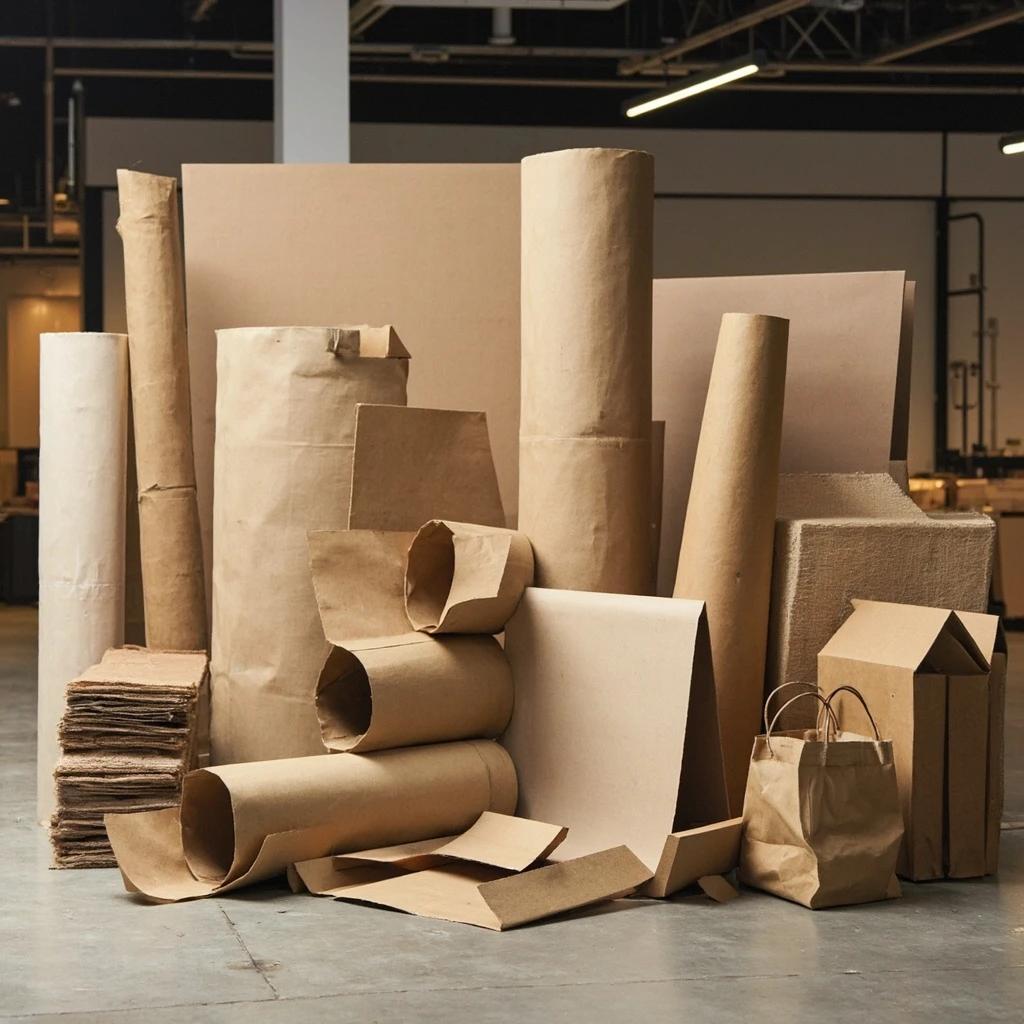
我们的品牌排行榜基于数据,而非观点。我们汇总并交叉验证来自多个权威来源的信息:行业销售报告、全球市场份额分析、消费者满意度调查和公司财务文件,以生成对全球文化纸和办公纸品牌最客观的评估。
我们的评估框架权衡四个关键维度:
• 品牌影响力与全球销售(45%):我们分析公司总收入、品牌在文化纸和办公纸类别中的特定销售额、关键区域(北美、欧洲、亚太)的市场份额,以及品牌在批发和零售渠道中的定价能力。财务数据来源于年度报告、SEC文件和经审计的财务报表。
• 品类收入集中度(30%):我们衡量直接归因于文化纸和办公纸产品(包括复印纸、胶版纸、笔记本纸和特种书写纸等级)的公司收入百分比。在这些类别中集中度更高的品牌获得更高的分数,因为这反映了真正的品类专业知识,而非企业集团的多元化。
• 供应链控制与制造实力(15%):我们评估自有森林面积、纸浆产能、制造设施数量、运营地理覆盖范围、年总产能以及支持全球品牌运营的员工规模。
• 市场情绪与ESG合规(10%):我们评估品牌搜索量和情绪、消费者和买家评级、行业奖项、环境认证(FSC、PEFC、EcoVadis)、碳减排承诺,以及与森林砍伐、非法采伐或劳工实践相关的任何重大争议。
每个品牌根据这四个维度的加权平均值获得一个综合品牌得分(0-100)。得分在文化纸和办公纸同行组内进行归一化处理,以确保不同规模和地理重点的公司之间进行公平比较。
免责声明:排名反映了我们基于截至发布日期的公开可用数据的评估。品牌得分在文化纸和办公纸行业内具有可比性,并可能随着新的财务数据、市场发展和公司行动的出现而变化。我们建议在做出采购决策前直接与品牌核实具体的产品规格、认证和商业条款。
Our brand rankings are built on data, not opinions. We aggregate and cross-validate information from multiple authoritative sources: industry sales reports, global market share analyses, consumer satisfaction surveys, and corporate financial filings to produce the most objective assessment of cultural and office paper brands worldwide.
Our evaluation framework weighs four critical dimensions:
• Brand Influence & Global Sales (45%): We analyze total corporate revenue, brand-specific sales in cultural and office paper categories, market share across key regions (North America, Europe, Asia-Pacific), and the brand's pricing power in wholesale and retail channels. Financial data is sourced from annual reports, SEC filings, and audited financial statements.
• Category Revenue Concentration (30%): We measure the percentage of corporate revenue directly attributable to cultural and office paper products — including copy paper, offset paper, notebook paper, and specialty writing grades. Brands with higher concentration in these categories receive stronger scores, as this reflects genuine category expertise rather than conglomerate diversification.
• Supply Chain Control & Manufacturing Strength (15%): We evaluate self-owned forest acreage, pulp production capacity, number of manufacturing facilities, geographic coverage of operations, total annual production capacity, and workforce scale supporting global brand operations.
• Market Sentiment & ESG Compliance (10%): We assess brand search volume and sentiment, consumer and buyer ratings, industry awards, environmental certifications (FSC, PEFC, EcoVadis), carbon reduction commitments, and any material controversies related to deforestation, illegal logging, or labor practices.
Each brand receives a Composite Brand Score (0-100) based on the weighted average of these four dimensions. Scores are normalized within the cultural and office paper peer group to ensure fair comparison across companies of different sizes and geographic focus.
Disclaimer: Rankings reflect our assessment based on publicly available data as of the publication date. Brand scores are comparative within the cultural and office paper sector and may change as new financial data, market developments, and corporate actions become available. We recommend verifying specific product specifications, certifications, and commercial terms directly with brands before making procurement decisions.
领先的文化纸和办公纸品牌通过五个核心竞争维度脱颖而出,这些维度共同在一个正在经历结构性转型的行业中创造了持久的市场力量。
1. 制造规模与纤维安全:世界顶级品牌控制其上游纤维供应。国际纸业运营着全球最大的纸浆产能,每年3300万公吨,全球拥有275多个设施。芬欧汇川在芬兰和乌拉圭的5个世界级工厂管理着580万吨的年纸浆产能。APRIL在印度尼西亚控制着140万公顷的种植园土地,提供成本优势的金合欢纤维,收获周期仅为5-6年——��北欧竞争对手快三到五倍。这种垂直整合创造了不可逾越的成本优势。
2. 品牌认知度与分销主导地位:标志性品牌名称占据货架空间和采购合同。Sylvamo的Hammermill几十年来一直是北美排名第一的办公纸品牌。APRIL的PaperOne是全球110多个国家最畅销的优质办公纸品牌。APP的Paperline和Enza品牌主导着亚洲、中东和非洲市场——这些是全球办公纸消费剩余的增长区域。
3. 产品组合广度:最强的品牌覆盖整个文化纸谱系——从经济型复印纸到优质涂布艺术纸。王子控股在全球100多个生产基地生产,拥有行业中最全面的产品范围之一,涵盖办公纸、笔记本纸、特种纸和先进纤维素材料。
4. 可持续发展资质:在碳关税和ESG导向采购的时代,环境领导力已成为竞争必需品。芬欧汇川拥有EcoVadis白金评级(全球前1%)。斯道拉恩索管理着260万公顷FSC认证的北欧森林。国际纸业每年回收600万吨纤维。没有可信可持续发展计划的品牌正日益被排除在政府和企业的采购招标之外。
5. 财务韧性:造纸行业的资本密集性——单台纸机成本超过5亿美元——要求财务实力。排名靠前的品牌保持投资级信用评级,产生正的自由现金流,并展示出在行业周期中投资于产能升级和收购的能力。Sylvamo在2025年14%的EBITDA利润率体现了即使在衰退市场中,��营专注也能带来溢价。
Leading cultural and office paper brands distinguish themselves through five core competitive dimensions that together create enduring market power in an industry undergoing structural transformation.
1. Manufacturing Scale and Fiber Security: The world's top brands control their upstream fiber supply. International Paper operates the world's largest pulp capacity at 33 million metric tonnes annually with 275+ facilities globally. UPM manages 5.8 million tonnes of annual pulp capacity across 5 world-class mills in Finland and Uruguay. APRIL controls 1.4 million hectares of plantation land in Indonesia, providing cost-advantaged acacia fiber at harvest cycles of just 5-6 years — three to five times faster than Nordic competitors. This vertical integration creates an insurmountable cost advantage.
2. Brand Recognition and Distribution Dominance: Iconic brand names command shelf space and procurement contracts. Sylvamo's Hammermill has been the #1 office paper brand in North America for decades. APRIL's PaperOne is the world's best-selling premium office paper brand across 110+ countries. APP's Paperline and Enza brands dominate Asian, Middle Eastern, and African markets — the world's remaining growth regions for office paper consumption.
3. Product Portfolio Breadth: The strongest brands cover the full cultural paper spectrum — from economy copy paper to premium coated art paper. Oji Holdings produces across 100+ manufacturing sites globally with one of the industry's most comprehensive product ranges spanning office paper, notebook paper, specialty papers, and advanced cellulose materials.
4. Sustainability Credentials: In an era of carbon tariffs and ESG-focused procurement, environmental leadership has become a competitive necessity. UPM holds an EcoVadis Platinum rating (top 1% globally). Stora Enso manages 2.6 million hectares of FSC-certified Nordic forests. International Paper recycles 6 million tons of fiber annually. Brands without credible sustainability programs face increasing exclusion from government and corporate procurement tenders.
5. Financial Resilience: The paper industry's capital intensity — with single paper machines costing $500+ million — demands financial strength. The top-ranked brands maintain investment-grade credit ratings, generate positive free cash flow, and demonstrate the ability to invest in capacity upgrades and acquisitions through industry cycles. Sylvamo's 14% EBITDA margin in 2025 exemplifies the premium that operational focus commands even in declining markets.
全球文化纸和办公纸市场正在经历其百年历史上最剧烈的结构性转型,由五个汇聚的大趋势驱动,这些趋势正在重塑竞争动态,并重新定义领先品牌的意义。
1. 加速的地理需求分化:虽然欧洲文化纸需求在2025年下降了7.2%(CEPI数据),但亚洲市场——特别是中国、印度和东南亚——继续显示增长。中国的纸及纸板产量在2025年增长了2.9%。这种分化正在推动制造能力的地理迁移,亚洲生产商如APP宣布在印度投资12亿美元建设120万吨的新建工厂,而欧洲生产商如芬欧汇川和Sappi则谈判合资企业以整合衰退的市场。
2. 并购驱动的行业整合:造纸行业正在经历前所未有的战略交易浪潮。芬欧汇川和Sappi在2025年底签署了一份不具约束力的意向书,将其文化纸业务合并为一家合资企业——这是一项旨在消除过剩产能并恢复欧洲市场定价权的里程碑式整合。国际纸业以72亿美元收购DS Smith,创建了一个跨大西洋的包装和纸业巨头。Sylvamo在2021年从国际纸业分拆出来,证明了纯业务聚焦可以产生卓越回报。
3. ESG要求重塑采购:碳边境税、无森林砍伐供应链法规(EUDR)和企业净零承诺正在将纸张采购从成本驱动转变为可持续发展驱动决策。拥有FSC/PEFC认证、经过验证的无森林砍伐供应链和透明碳报告的品牌正在获得溢价。相反,与森林砍伐争议相关的品牌——特别是APP和APRIL——尽管具有价格优势,但正日益被排除在西方企业和政府招标之外。
4. 数字替代与高端化:虽然发达市场的整体办公纸量每年下降4-7%,但高端细分市场正在增长。用于彩色激光打印的高亮度、多用途纸比经济型等级享有20-40%的价格溢价。特种文化纸——艺术纸、档案纸和高级文具——是一个超过150亿美元的市场,年增长率为3-5%。赢家是那些能够退出大宗商品等级同时在高端利基市场捕捉价值的品牌。
5. 生物基材料多元化:领先的文化纸品牌正在利用其纤维素专业知识进入相邻的高价值市场。斯道拉恩索向可再生包装(占销售额的46%)和生物材料(12%)的转型体现了这一转变。日本制纸的纤维素纳米纤维商业化打开了在汽车、电子和化妆品领域的应用。这种多元化为纯大宗商品纸生产商所缺乏的增长选择权创造了条件。
The global cultural and office paper market is undergoing the most dramatic structural transformation in its century-long history, driven by five converging megatrends that are reshaping competitive dynamics and redefining what it means to be a leading brand.
1. Accelerating Geographic Demand Divergence: While European graphic paper demand declined 7.2% in 2025 (CEPI data), Asian markets — particularly China, India, and Southeast Asia — continue to show growth. China's paper and paperboard production grew 2.9% in 2025. This divergence is driving a geographic migration of manufacturing capacity, with Asian producers like APP announcing a $1.2 billion, 1.2 million-tonne greenfield mill in India while European producers like UPM and Sappi negotiate joint ventures to consolidate declining markets.
2. M&A-Driven Industry Consolidation: The paper industry is experiencing an unprecedented wave of strategic transactions. UPM and Sappi signed a non-binding letter of intent in late 2025 to merge their graphic paper businesses into a joint venture — a landmark consolidation designed to eliminate excess capacity and restore pricing power in European markets. International Paper's $7.2 billion acquisition of DS Smith created a transatlantic packaging and paper powerhouse. Sylvamo's 2021 spin-off from IP demonstrated that pure-play focus can generate superior returns.
3. The ESG Imperative Reshaping Procurement: Carbon border taxes, deforestation-free supply chain regulations (EUDR), and corporate net-zero commitments are transforming paper procurement from a cost-driven to a sustainability-driven decision. Brands with FSC/PEFC certification, verified zero-deforestation supply chains, and transparent carbon reporting command growing premiums. Conversely, brands linked to deforestation controversies — notably APP and APRIL — face increasing exclusion from Western corporate and government tenders despite their price advantages.
4. Digital Substitution vs. Premiumization: While overall office paper volumes decline 4-7% annually in developed markets, premium segments are growing. High-brightness, multi-purpose papers for color laser printing command price premiums of 20-40% over economy grades. Specialty cultural papers — art paper, archival paper, and premium stationery — represent a $15+ billion market growing at 3-5% annually. The winners are brands that can exit commodity grades while capturing value in premium niches.
5. Bio-Based Material Diversification: Leading cultural paper brands are leveraging their cellulose expertise to enter adjacent high-value markets. Stora Enso's pivot to renewable packaging (46% of sales) and biomaterials (12%) exemplifies this transition. Nippon Paper's cellulose nanofiber commercialization opens applications in automotive, electronics, and cosmetics. This diversification creates growth optionality that pure commodity paper producers lack.
选择正确的文化纸和办公纸需要评估七个关键因素,这些因素直接影响打印质量、设备性能、成本效率和环境合规性。
1. 纸张白度和亮度(ISO 2470):亮度直接影响打印对比度和感知文档质量。PaperOne和Hammermill等优质办公纸达到92-96%的ISO亮度评级——这是专业文档的行业黄金标准。经济型纸张通常在80-88%亮度范围内。对于彩色激光打印和演示文稿,建议使用92%以上亮度的规格。根据ISO 2470测试标准验证亮度声明,而非营销描述。
2. 纸张克重和厚度(ISO 536):标准办公纸为80 gsm(克/平方米)。90-100 gsm的优质等级为双面打印提供卓越的不透明度,且透印极少。对于正式信函、报告和演示文稿,100-120 gsm提供接收者会注意到的触感质量差异。批量采购80 gsm用于日常打印,少量采购100 gsm用于面向客户的文档,可优化成本和质量。
3. 纸张平滑度和运行性能(ISO 8791-2):表面平滑度决定了激光打印机中的碳粉附着质量和喷墨打印机中的墨水吸收。Bekk平滑度值超过300秒的纸张提供最佳效果。更重要的是,纸张的“运行性能”——高速打印机中卡纸、双张进纸和进纸错误的频率——在不同品牌之间差异显著。主要品牌投资于测试与领先打印机厂商(HP、���能、理光、施乐)的兼容性,通常将卡纸率控制在0.1%以下。
4. 环境认证(FSC、PEFC、欧盟生态标签):对于有ESG采购政策的组织,纸张认证是不可协商的。FSC(森林管理委员会)认证确保纤维来自负责任管理的森林。PEFC在不同标准下提供等效保证。欧盟生态标签认证涵盖整个产品生命周期,包括制造排放。国际纸业、芬欧汇川、斯道拉恩索和Sappi保持100%认证纤维采购。通过FSC/PEFC公共数据库验证认证状态,而非仅依赖品牌声明。
5. 档案质量和耐老化性(ISO 9706 / ISO 11108):对于法律文件、政府记录和档案材料,符合ISO 9706(永久纸)或ISO 11108(档案纸)标准的无酸纸至关重要。这些纸张使用碱性施胶和碳酸钙缓冲剂,可抵抗泛黄和降解200年以上。斯道拉恩索和王子控股等品牌为政府和机构客户生产经认证的档案级纸张。标准办公纸通常在10-20年内保持可用性,之后会出现明显降解。
6. 区域可用性和物流:国际品牌维持区域分销网络,但当地库存水平差异显著。国际纸业和Sylvamo主导北美分销。芬欧汇川和斯道拉恩索引领欧洲市场。APP和APRIL控制亚洲和中东渠道。对于跨国组织,选择一个在总部区域有强大存在的主要品牌,再加上一个用于海外办事处的次要品牌,可确保供应连续性。
7. 性价比与总拥有成本:虽然经济型纸张每令可能便宜15-30%,但总拥有成本分析通常更青睐优质品牌。卓越的运行性能减少了打印机停机时间和维修成本。更高的不透明度减少了双面打印的纸张消耗。更好的亮度减少了对更高质量打印设置的需求。对于每月打印超过10,000页的组织,顶级品牌10%的溢价通常通过减少浪费、更少的维修电话和更低的碳粉消耗带来净成本节约。
Selecting the right cultural and office paper requires evaluating seven critical factors that directly impact print quality, equipment performance, cost efficiency, and environmental compliance.
1. Paper Brightness and Whiteness (ISO 2470): Brightness directly affects print contrast and perceived document quality. Premium office papers like PaperOne and Hammermill achieve ISO brightness ratings of 92-96% — the industry gold standard for professional documents. Economy papers typically range from 80-88% brightness. For color laser printing and presentations, specifications of 92%+ brightness are recommended. Verify brightness claims against ISO 2470 testing standards rather than marketing descriptions.
2. Paper Weight and Thickness (ISO 536): Standard office paper is 80 gsm (grams per square meter). Premium grades at 90-100 gsm provide superior opacity for double-sided printing with minimal show-through. For formal correspondence, reports, and presentations, 100-120 gsm provides a tactile quality difference that recipients notice. Bulk purchasing of 80 gsm for routine printing with smaller quantities of 100 gsm for client-facing documents optimizes cost and quality.
3. Paper Smoothness and Runnability (ISO 8791-2): Surface smoothness determines toner adhesion quality in laser printers and ink absorption in inkjet printers. Papers with Bekk smoothness values above 300 seconds provide optimal results. More importantly, paper "runnability" — the frequency of jams, double-feeds, and misfeeds in high-speed printers — varies significantly between brands. Major brands invest in testing compatibility with leading printer manufacturers (HP, Canon, Ricoh, Xerox) and typically achieve jam rates below 0.1%.
4. Environmental Certifications (FSC, PEFC, EU Ecolabel): For organizations with ESG procurement policies, paper certifications are non-negotiable. FSC (Forest Stewardship Council) certification ensures fiber originates from responsibly managed forests. PEFC provides equivalent assurance under a different standard. EU Ecolabel certification covers the full product lifecycle including manufacturing emissions. International Paper, UPM, Stora Enso, and Sappi maintain 100% certified fiber sourcing. Verify certification status through the FSC/PEFC public databases rather than relying solely on brand claims.
5. Archival Quality and Aging Resistance (ISO 9706 / ISO 11108): For legal documents, government records, and archival materials, acid-free paper meeting ISO 9706 (permanent paper) or ISO 11108 (archival paper) standards is essential. These papers use alkaline sizing and calcium carbonate buffering to resist yellowing and degradation for 200+ years. Brands like Stora Enso and Oji Holdings produce certified archival-grade papers for government and institutional customers. Standard office papers typically maintain usability for 10-20 years before noticeable degradation.
6. Regional Availability and Logistics: International brands maintain regional distribution networks, but local stock levels vary significantly. International Paper and Sylvamo dominate North American distribution. UPM and Stora Enso lead European markets. APP and APRIL control Asian and Middle Eastern channels. For multinational organizations, selecting a primary brand with strong presence in your headquarters region plus a secondary brand for overseas offices ensures supply continuity.
7. Price-Performance Ratio and Total Cost of Ownership: While economy papers may appear 15-30% cheaper per ream, total cost of ownership analysis often favors premium brands. Superior runnability reduces printer downtime and service costs. Higher opacity reduces paper consumption for double-sided printing. Better brightness reduces the need for higher-quality print settings. For organizations printing more than 10,000 pages per month, a 10% premium for a top-tier brand typically delivers net cost savings through reduced waste, fewer service calls, and lower toner consumption.
文化纸和办公纸的可持续发展领导力已从营销差异化因素演变为基本业务要求,表现最好的品牌现在在碳足迹透明度、循环纤维使用和经过验证的无森林砍伐承诺方面展开竞争。
芬欧汇川:芬欧汇川拥有行业最高的可持续发展认可,获得EcoVadis白金评级——使其跻身全球所有评估公司的前1%。该公司已实现化石二氧化碳排放量较2008年水平减少65%,并且100%的木材纤维来自认证或受控来源。芬欧汇川在德国洛伊纳的生物化学品精炼厂——世界上第一个工业规模的木质生物化学品设施——体现了公司用可再生替代品取代化石基材料的承诺。芬欧汇川的“零废物填埋”认证覆盖所有生产基地。
斯道拉恩索:斯道拉恩索在瑞典和芬兰管理着260万公顷FSC和PEFC认证的森林——这是欧洲造纸行业最大的认证森林组合。该公司已承诺到2050年实现100%可再生材料,并且已在大多数北欧生产基地实现无化石能源。斯道拉恩索70%的能源来自可再生生物质,其余30%来自认证的可再生电力。该公司用于储能的木质素基碳纤维代表了石油衍生碳材料的突破性生物基替代品。
Sappi Limited:Sappi在2025年获得了EcoVadis白金可持续发展评级,跻身全球评级公司的前1%。该公司管理着39万公顷FSC认证的森林种植园,所有运营均实现100%认证纤维采购。Sappi的溶解木浆是纺织行业石油衍生合成纤维的可再生替代品,与合成替代品相比,可将粘胶和莱赛尔生产的碳足迹减少40-60%。自2019年以来,Sappi已实现特定工艺用水量减少25%和特定二氧化碳排放量减少15%。
国际纸业:作为全球最大的纸张生产商,国际纸业的可持续发展规模无与伦比。该公司每年回收600万吨回收纤维——使其成为世界上最大的纸张回收商之一。国际纸业100%的纤维来自认证或受控来源,并已承诺到2030年将范围1和2温室气体排放量较2017年基线减少35%。该公司在循环经济基础设施(包括先进回收设施)上投资5000万美元,展示了超越合规的财务承诺。
ESG差距:欧洲/北美生产商(芬欧汇川、斯道拉恩索、Sappi、Sylvamo、国际纸业)与亚洲生产商(APP、APRIL)之间出现了明显分歧,后者尽管最近做出了改进承诺,但仍面临持续的森林砍伐争议。对于管理ESG合规供应链的采购专业人士来说,这种分歧日益决定供应商资格,无论价格竞争力如何。我们建议通过独立数据库(包括FSC证书搜索、PEFC数据库、EcoVadis评级和CDP气候变化评分)验证所有可持续发展声明。
Sustainability leadership in cultural and office paper has evolved from a marketing differentiator to a fundamental business imperative, with the top-performing brands now competing on carbon footprint transparency, circular fiber usage, and verified zero-deforestation commitments.
UPM-Kymmene: UPM holds the industry's highest sustainability recognition with an EcoVadis Platinum rating — placing it in the top 1% of all assessed companies globally. The company has achieved a 65% reduction in fossil CO2 emissions from 2008 levels and sources 100% of its wood fiber from certified or controlled sources. UPM's Leuna biochemicals refinery in Germany — the world's first industrial-scale wood-based biochemicals facility — exemplifies the company's commitment to replacing fossil-based materials with renewable alternatives. UPM's "Zero Waste to Landfill" certification covers all production sites.
Stora Enso: Stora Enso manages 2.6 million hectares of FSC and PEFC-certified forests across Sweden and Finland — the largest certified forest portfolio in the European paper industry. The company has committed to 100% regenerative materials by 2050 and has already achieved fossil-free energy at most Nordic production sites. Stora Enso generates 70% of its energy from renewable biomass, with the remaining 30% from certified renewable electricity. The company's lignin-based carbon fiber for energy storage represents a breakthrough bio-based alternative to petroleum-derived carbon materials.
Sappi Limited: Sappi earned an EcoVadis Platinum sustainability rating in 2025, joining the top 1% of rated companies globally. The company manages 390,000 hectares of FSC-certified forest plantations with 100% certified fiber sourcing across all operations. Sappi's dissolving wood pulp is a renewable alternative to petroleum-derived synthetic fibers for the textile industry, reducing the carbon footprint of viscose and lyocell production by 40-60% compared to synthetic alternatives. Sappi has achieved a 25% reduction in specific process water usage and a 15% reduction in specific CO2 emissions since 2019.
International Paper: As the world's largest paper producer, IP's sustainability scale is unmatched. The company recycles 6 million tons of recovered fiber annually — making it one of the world's largest paper recyclers. IP sources 100% of its fiber from certified or controlled sources and has committed to a 35% reduction in Scope 1 and 2 GHG emissions by 2030 from a 2017 baseline. The company's $50 million investment in circular economy infrastructure, including advanced recycling facilities, demonstrates financial commitment beyond compliance.
The ESG Gap: A clear divide has emerged between European/North American producers (UPM, Stora Enso, Sappi, Sylvamo, International Paper) with comprehensive sustainability programs and Asian producers (APP, APRIL) facing persistent deforestation controversies despite recent improvement commitments. For procurement professionals managing ESG-compliant supply chains, this divide increasingly determines vendor eligibility, regardless of price competitiveness. We recommend verifying all sustainability claims through independent databases including FSC Certificate Search, PEFC Database, EcoVadis Ratings, and CDP Climate Change Scores.