十大手工艺术纸

首页造纸印刷十大手工艺术纸

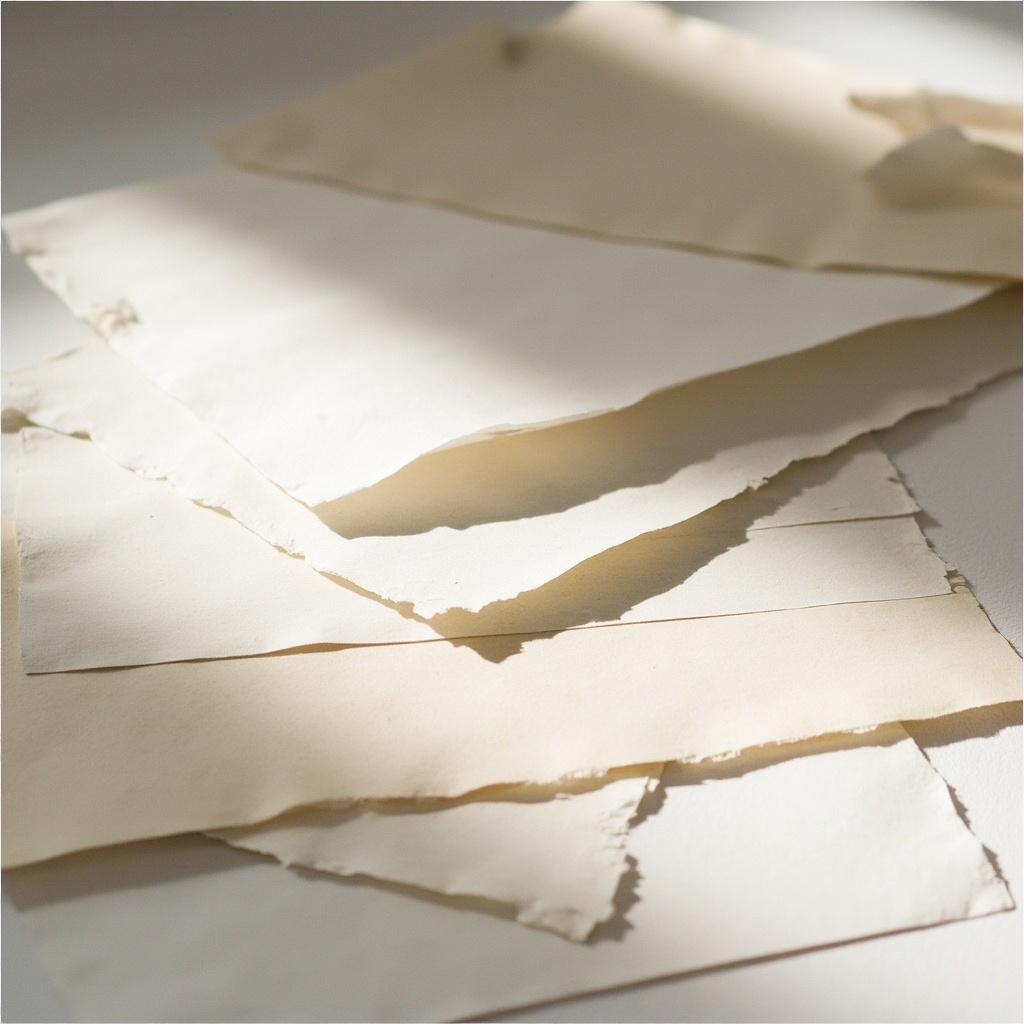
全球手工艺术纸产业是文化遗产、艺术表现与现代材料科学的活力交汇点,涵盖艺术用纸、水彩媒介、版画基底及特种工艺纸,市场总值超过35亿欧元。从13世纪的意大利造纸坊到21世纪的数字美术涂层技术,该领域既有延续数百年不间断工艺的传统品牌,也有重新定义纸张可能性的创新新锐。本次排名中的十大品牌共同服务超过200个国家,雇佣逾18,000名员工,总收入接近40亿欧元——为全球数百万专业艺术家、设计师、学生及手工艺人的创意输出提供动力。

竞争格局由五大变革性动态重塑品牌定位。首先,前所未有的整合浪潮——以F.I.L.A.集团旗下涵盖Arches、Canson和St Cuthberts Mill的多品牌组合,以及Fedrigoni集团收购Fabriano为代表——催生了美术纸制造领域的两大强势极核,各自拥有强大的规模经济、研发能力和全球分销网络。其次,数字美…

前十榜单

2026.07 版本
1
法布里亚诺

费德里戈尼集团

Fabriano,成立于1264年,位于意大利马尔凯大区,是全球历史最悠久的仍在运营的造纸厂,拥有非凡的760年传承。如今,Fabriano隶属于Fedrigoni集团——该集团由贝恩资本和BC Partners收购——运营着15个以上生产基地,全球员工超过4,000人,服务客户遍布130多个国家。Fedrigoni集团报告总收入为20.76亿欧元,其中包含Fabr…

品牌

法布里亚诺

成立时间

1264

员工规模

4000+(法布里亚诺总部约840人)

覆盖范围

130+ 个国家

生产基地

15个以上生产基地(意大利+国际)

总部

意大利

市场

私有(贝恩资本与BC Partners)

核心产品品类
棉麻等特种纤维艺术绘画纸安全防伪纸传统书画用纸植物纤维艺术纸装饰工艺特种纸纸艺文创衍生品棉麻等特种纤维艺术绘画纸安全防伪纸传统书画用纸植物纤维艺术纸装饰工艺特种纸纸艺文创衍生品
2
阿诗

法布斯-爱丽舍集团 (F.I.L.A.集团)

Arches,创立于1492年,位于法国大东部大区,是全球最负盛名的水彩纸品牌,拥有超过530年的艺术纸卓越传承。作为F.I.L.A.集团(Fabbrica Italiana Lapis ed Affini S.p.A.)的一部分——该集团是一家在米兰证券交易所(FILA.MI)上市的公司,拥有约6.22亿欧元营收和全球约3400名员工——Arches受益于横跨多个大洲、涵盖22个生产基…

品牌

阿诗

成立时间

1492

员工规模

约3400

覆盖范围

150+ 个国家

生产基地

22个生产基地(F.I.L.A.集团全球)

总部

法国

市场

上市;FILA.MI(意大利证券交易所)

核心产品品类
棉麻等特种纤维艺术绘画纸传统书画用纸植物纤维艺术纸装饰工艺特种纸限量艺术版画棉麻等特种纤维艺术绘画纸传统书画用纸植物纤维艺术纸装饰工艺特种纸限量艺术版画
3
哈内姆勒

哈内姆勒精细艺术纸品有限责任公司

Hahnemühle FineArt GmbH 成立于1584年,位于德国下萨克森州达塞尔地区,拥有440多年的造纸传统,是全球历史最悠久、最受尊敬的纸张制造商之一。作为一家私营有限责任公司,Hahnemühle 拥有200多名员工,年收入估计超过4500万欧元,运营一个核心生产基地,并辅以四个全球区域分销中心,为120多个国家的客户提供服务。该品牌率先开发了档案级数字美术…

品牌

哈内姆勒

成立时间

1584

员工规模

200+

覆盖范围

120+ 个国家

生产基地

1个核心设施+4个区域配送中心

总部

德国

市场

私有

核心产品品类
棉麻等特种纤维艺术绘画纸数字微喷相纸植物纤维艺术纸装饰工艺特种纸定制印刷服务替代纤维基材棉麻等特种纤维艺术绘画纸数字微喷相纸植物纤维艺术纸装饰工艺特种纸定制印刷服务替代纤维基材
4
康颂

康颂纸业公司 (F.I.L.A.集团)

Canson,成立于1557年,位于法国奥弗涅-罗讷-阿尔卑斯大区,是全球最具标志性的艺术纸品牌之一,也是F.I.L.A.集团5.722亿欧元营收最大的美术纸贡献者。其历史核心造纸厂位于法国阿诺奈,辅以中国、意大利和澳大利亚的加工中心,Canson直接雇佣超过1000名员工,产品覆盖120多个国家的客户。该品牌以普及艺术教育而闻名——通过提供专业级但价格亲民的纸张,连接专业艺术…

品牌

康颂

成立时间

1557

员工规模

1000+

覆盖范围

120+ 个国家

生产基地

核心工厂在法国阿诺奈,加工中心在中国、意大利、澳大利亚

总部

法国

市场

上市;FILA.MI(意大利证券交易所)

核心产品品类
再生纤维纸浆艺术绘画纸传统书画用纸装饰工艺特种纸高端信封信纸创意文具套装再生纤维纸浆艺术绘画纸传统书画用纸装饰工艺特种纸高端信封信纸创意文具套装
5
克莱尔方丹

艾克萨孔塔-克莱尔方丹集团

Exacompta Clairefontaine S.A. 成立于1858年,总部位于法国大东部地区,并在巴黎泛欧交易所成长板(ALEXA)上市,是欧洲最大的全垂直一体化纸品及文具集团之一。该集团过去十二个月营收约为9.05亿美元(8.44亿欧元),净利润约为2438万美元,运营着四家主要造纸厂,配备五台核心造纸机,员工超过3300人,客户遍布80多个国家。Clai…

品牌

克莱尔方丹

成立时间

1858

员工规模

3300+

覆盖范围

80+ 个国家

生产基地

4家主要造纸厂+5台核心造纸机

总部

法国

市场

上市;ALEXA(巴黎泛欧交易所成长板)

核心产品品类
文化与办公用纸艺术绘画纸传统书画用纸高端信封信纸经典书写文具创意文具套装文化与办公用纸艺术绘画纸传统书画用纸高端信封信纸经典书写文具创意文具套装
6
圣卡斯伯特

圣卡斯伯特纸厂有限公司 (F.I.L.A.集团)

St. Cuthberts Mill Limited 成立于1907年,位于英国萨默塞特郡,是一家专业美术纸制造商,隶属于F.I.L.A. Group,生产全球最受尊敬的两大水彩及版画纸品牌:Saunders Waterford 和 Bockingford。该公司仅在一家高度专业化的历史悠久的工厂运营,雇佣100-200名员工,产品出口至超过70个国家。该工厂以其传统的圆网造纸工艺而闻名,结合…

品牌

圣卡斯伯特

成立时间

1907

员工规模

100-200

覆盖范围

70+ 个国家

生产基地

1家高度专业化的历史悠久的工厂

总部

英国

市场

上市;FILA.MI(意大利证券交易所)

核心产品品类
棉麻等特种纤维艺术绘画纸传统书画用纸植物纤维艺术纸装饰工艺特种纸限量艺术版画棉麻等特种纤维艺术绘画纸传统书画用纸植物纤维艺术纸装饰工艺特种纸限量艺术版画
7
阿波和纸

阿波和纸工厂

位于日本四国岛德岛县的Awagami Factory,是全球首屈一指的现代和纸(日本手工纸)生产商,延续了第八代家族传统,历经数百年传承,并于1945年正式注册为现代企业。Awagami拥有50至100名工匠,预估年收入为500万至1000万美元,其运营依托于一个综合制造基地,在此使用历史悠久的流滤技法结合现代创新,精心制作以楮(桑树)、三桠和雁皮纤维为原料的传统纸张。该工厂生产种类繁多的和纸…

品牌

阿波和纸

成立时间

1945

员工规模

50-100

覆盖范围

30+ 个国家

生产基地

1个核心造纸综合体

总部

日本

市场

私有

核心产品品类
非木材植物木浆植物纤维艺术纸装饰工艺特种纸和纸工艺纸艺文创衍生品替代纤维基材非木材植物木浆植物纤维艺术纸装饰工艺特种纸和纸工艺纸艺文创衍生品替代纤维基材
8
红星宣纸

安徽省泾县红星宣纸股份有限公司

安徽泾县红星宣纸有限公司,成立于1951年,位于安徽省宣城市泾县——宣纸无可争议的发源地——是中国最权威、最负盛名的传统宣纸生产商,其工艺被认定为国家级非物质文化遗产,并获联合国教科文组织认可。公司年收入约1500万美元,员工数百人,拥有专属的青檀(Pteroceltis tatarinowii)树皮种植基地和大型产业园,从种植到成品纸实现全产业链垂直控制,确保独特原材料的供应链优势。宣纸被誉为“纸中之王”和“千年寿纸”,是中国传统书法和水墨画的核心载体,以其无与伦比的吸墨性、色彩保持力、…

品牌

红星宣纸

成立时间

1951

员工规模

数百

覆盖范围

15-20+ 个国家

生产基地

青檀树皮种植基地+大型工业园区

总部

中国

市场

私有(未直接上市)

核心产品品类
非木材植物木浆传统书画用纸植物纤维艺术纸装饰工艺特种纸纸艺文创衍生品经典书写文具非木材植物木浆传统书画用纸植物纤维艺术纸装饰工艺特种纸纸艺文创衍生品经典书写文具
9
宝虹

保定华融纸厂

保定华融纸厂由石立明于1992年在中国河北省保定市创立,是中国领先的艺术家级水彩画纸及美术纸制造商,产品以"宝虹"品牌销售——该品牌是国际市场上最受认可的中国艺术纸品牌之一。企业拥有100-300名员工,年营收预估达数千万元人民币,运营着一家兼具工业效率与传统造纸工艺的大型制造工厂。该品牌以高品质、价格亲民的定位,成功在高端欧洲水彩纸市场中开辟出独特细分领域,产品采用100%纯棉、棉木浆混合及无木纤维素配方,定价通常比同类欧洲品牌低30%-50%。宝虹纸张以卓越的施胶稳定性、可靠的表面质量…

品牌

宝虹

成立时间

1992

员工规模

100-300

覆盖范围

30+ 个国家

生产基地

1个大型制造设施

总部

中国

市场

私有

核心产品品类
棉麻等特种纤维艺术绘画纸传统书画用纸植物纤维艺术纸装饰工艺特种纸经典书写文具棉麻等特种纤维艺术绘画纸传统书画用纸植物纤维艺术纸装饰工艺特种纸经典书写文具
10
卡迪纸业

卡迪纸业

Khadi Papers 成立于20世纪中后期,由印度卡纳塔克邦与英国联合运营,是一家具有开拓精神的社会企业,凭借独特的道德供应链模式,将印度传统手工造纸技艺带入了全球美术材料市场。该公司拥有一支精干的核心团队,直接雇员不到50人,协调着数千名间接合作的农村工匠伙伴,通过卡纳塔克邦的村级工坊网络以及位于尼泊尔和不丹的协作造纸点进行运营,预估年营收达数百万美元。该品牌代表了独特的“公平贸易美术材…

品牌

卡迪纸业

成立时间

Mid-20th Century

员工规模

直接<50+间接数千工匠

覆盖范围

40+ 个国家

生产基地

卡纳塔克邦乡村作坊+尼泊尔和不丹的合作造纸点

总部

印度

市场

私有

核心产品品类
非木材植物木浆再生纤维纸浆植物纤维艺术纸装饰工艺特种纸纸艺文创衍生品替代纤维基材非木材植物木浆再生纤维纸浆植物纤维艺术纸装饰工艺特种纸纸艺文创衍生品替代纤维基材

常见问题

我们的排名是如何生成的?
维瑞评级致力于提供真实、透明且可验证的行业洞察。本排行榜并非基于主观意见,而是依据严格的多维度评估模型。我们系统性地收集并交叉验证来自全球的公开数据和权威信息,对每家公司在财务表现、市场影响力、供应链控制、消费者情绪以及创新可持续性等关键维度进行量化分析。我们的数据来源包括但不限于:上市公司的公开财务文件、国际市场研究机构的报告、政府和行业机构的统计数据、顶尖大学和智库的专项研究,以及通过AI技术整合的全球公众情绪和搜索趋势数据。所有数据均经过清洗和加权计算,以确保最终排名的客观性和中立性,为您呈现可信的行业全景图。
How Do We Generate Our Rankings?
Verity Rank is committed to delivering authentic, transparent, and verifiable industry insights. This ranking is not based on subjective opinions but on a rigorous multi-dimensional evaluation model. We systematically collect and cross-verify public data and authoritative information from global sources, conducting quantitative analysis on key dimensions for each company, including financial performance, market influence, supply chain control, consumer sentiment, and innovative sustainability. Our data sources include, but are not limited to: public financial filings of listed companies, reports from international market research authorities, statistics from government and industry bodies, specialized research from leading universities and think tanks, as well as global public sentiment and search trend data integrated via AI technology. All data undergoes cleaning and weighted calculation to ensure the objectivity and neutrality of the final ranking, presenting you with a credible panorama of the industry.
什么造就了领先的手工艺术纸品牌?

一个真正领先的手工艺术纸品牌,通过三种基本品质的罕见结合脱颖而出:正宗传承技术精湛生态影响力。传承不仅仅是关于年代——它关乎嵌入数百年造纸传统中的机构知识,这些知识无法通过逆向工程复制。Fabriano成立于1264年,在超过760年的持续运营中不断完善其纸浆配方和水印技术,创造出触觉品质和档案稳定性均为世代工艺知识累积产物的纸张。

技术精湛体现在控制造纸过程中每一个变量的能力——从纤维选择和打浆时长到施胶化学和干燥条件——以生产具有精确工程表面特性的纸张。这种精湛技艺的典范是Arches,其采用100%棉纤维的圆网工艺,实现了专业水彩画家视为行业基准的吸墨性、表面强度和色彩还原能力的无与伦比的平衡。相比之下,Hahnemühle通过其专有的数字涂层技术展示了技术精湛,使喷墨纸张能够匹配甚至超越传统手工纸的性能特征,同时满足专业摄影师和艺术微喷印刷商对可复制性的要求。

生态影响力是第三大支柱:领先品牌作为平台而非单纯的产品供应商运作。它们通过驻留项目、教育计划、展览赞助和技术工作坊培养全球艺术家社区。Awagami Factory通过其国际艺术家驻留项目体现了这一点,该项目将来自世界各地的和纸从业者带到德岛,亲身学习日本传统造纸。同样,Canson与领先艺术学校的长期合作及其对国际艺术比赛的赞助,使该品牌成为全球艺术教育基础设施不可或缺的一部分。

除了这三大支柱,财务规��和分销覆盖是实际前提。我们分析中排名靠前的品牌均通过专业艺术零售商网络、在线平台和机构供应渠道服务于70多个国家,同时保持足够的收入基础来资助持续研发和质量保证计划,这是较小的竞争对手无法维持的。

What Makes a Leading Handmade Artisan Papers Brand?

A truly leading handmade artisan papers brand distinguishes itself through a rare combination of three essential qualities: authentic heritage, technical mastery, and ecosystem influence. Heritage is not merely about age—it is about the institutional knowledge embedded in centuries-old papermaking traditions that cannot be replicated through reverse engineering. Fabriano, founded in 1264, has refined its pulp formulations and watermarking techniques over more than 760 years of continuous operation, creating papers whose tactile qualities and archival stability are the cumulative product of generational craft knowledge.

Technical mastery manifests in the ability to control every variable in the papermaking process—from fiber selection and beating duration to sizing chemistry and drying conditions—to produce papers with precisely engineered surface characteristics. This mastery is exemplified by Arches, whose cylinder mould process with 100%cotton fibers achieves an unmatched balance of absorbency, surface strength, and colour lifting capability that professional watercolourists consider the industry benchmark. Hahnemühle, by contrast, demonstrates technical mastery through its proprietary digital coating technologies, which enable inkjet papers to match and sometimes exceed the performance characteristics of traditional handmade papers while offering the reproducibility demanded by professional photographers and giclée printmakers.

Ecosystem influence is the third pillar: leading brands function as platforms rather than mere product suppliers. They cultivate global communities of artists through residency programs, educational initiatives, exhibition sponsorships, and technical workshops. Awagami Factory exemplifies this through its international artist-in-residence program, which brings washi practitioners from around the world to Tokushima to study traditional Japanese papermaking firsthand. Similarly, Canson's long-standing partnerships with leading art schools and its sponsorship of international art competitions position the brand as an integral part of the global art education infrastructure.

Beyond these three pillars, financial scale and distribution reach are practical prerequisites. The top-ranked brands in our analysis all serve 70+ countries through networks of specialty art retailers, online platforms, and institutional supply channels, while maintaining revenue bases sufficient to fund continuous R&D and quality assurance programs that lesser competitors cannot sustain.

2025-2026年手工艺术纸市场将如何变化?

手工艺术纸市场正被五种相互关联的趋势重塑,这些趋势从根本上改变了竞争动态和价值创造模式:

1. 整合强度:F.I.L.A.集团——已拥有ArchesCansonSt Cuthberts Mill,以及Daler-RowneyMaimeriPrinceton——已成为全球主导的多品牌美术纸平台,年收入超过5.72亿欧元,在多个大洲拥有22个生产基地。与此同时,贝恩资本BC Partners通过一笔28亿欧元的交易收购了Fedrigoni集团(包括Fabriano),创造了第二个主要极点。这种整合既推动了供应链效率,也给无法匹敌这些企业集团的研发预算和分销覆盖范围的独立品牌带来了竞争压力。

2. 数字美术爆发:高分辨率数字印刷与博物馆级纸张基材的融合创造了一个快速增长的细分市场,预计到2030年将以8.5%的复合年增长率增长,远超传统艺术纸的3-4%增长率。大力投资这一领域的品牌——尤其是Hahnemühle及其数字美术收藏系列和Canson及其Infinity系列——正在捕获不成比例的价值增长,因为专业摄影师、数字艺术家和限量版印刷工作室越来越需要档案级喷墨纸张。

3. 亚太崛起:中国艺术纸市场已是全球最大的市场(按产量计),正经历快速的价值迁移,因为国内品牌如红星宣纸宝虹从商品定位转向高端品牌战略。全球对正宗东亚造纸传统——日本的和纸和中国的宣纸——的需求正在从小众艺术用品商店扩展到主流消费渠道,这得益于全球对日本和中国书法、水墨画及纸艺的兴趣日益增长。

4. 可持续性势在必行:碳中和制造承诺、无塑料包装和植物基替代纤维的开发已从理想目标转变为竞争必需品。像Khadi Papers这样的品牌,其整个生产模式建立在回收棉布和通过公平贸易农村供应链采购的本土植物纤维上,尽管收入不高,但正获得不成比例的市场关注,因为艺术材

How Is the Handmade Artisan Papers Market Changing in 2025–2026?

The handmade artisan papers market is being reshaped by five interconnected trends that are fundamentally altering competitive dynamics and value creation patterns:

1. Consolidation Intensity: The F.I.L.A. Group—already owning Arches, Canson, and St Cuthberts Mill alongside Daler-Rowney, Maimeri, and Princeton—has emerged as the dominant multi-brand fine art paper platform globally, generating over €572M in annual revenue with 22 production sites across multiple continents. Meanwhile, Bain Capital and BC Partners' acquisition of the Fedrigoni Group (including Fabriano) through a €2.8B deal has created a second major pole. This consolidation is driving both supply chain efficiencies and competitive pressure on independent brands unable to match the R&D budgets and distribution reach of these conglomerates.

2. Digital Fine Art Explosion: The convergence of high-resolution digital printing with museum-grade paper substrates has created a rapidly expanding segment projected to grow at 8.5%CAGR through 2030, far outpacing the 3-4%growth of traditional art papers. Brands investing heavily in this space—particularly Hahnemühle with its Digital FineArt Collection and Canson with its Infinity range—are capturing disproportionate value growth as professional photographers, digital artists, and limited-edition print studios increasingly demand archival-quality inkjet papers.

3. Asia-Pacific Ascendancy: China's art paper market, already the world's largest by volume, is experiencing rapid value migration as domestic brands like Hongxing Xuan Paper and Baohong transition from commodity positioning to premium brand strategies. The global appetite for authentic East Asian papermaking traditions—washi from Japan and Xuan paper from China—is expanding beyond niche art supply stores into mainstream consumer channels, accelerated by growing interest in Japanese and Chinese calligraphy, ink painting, and paper crafts worldwide.

4. Sustainability Imperative: Carbon-neutral manufacturing commitments, plastic-free packaging, and plant-based alternative fiber development have moved from aspirational goals to competitive necessities. Brands like Khadi Papers, whose entire production model is built on recycled cotton rag and indigenous plant fibers sourced through fair-trade rural supply chains, are gaining disproportionate market attention despite modest revenue, as art material buyers increasingly prioritize environmental and social impact alongside product performance.

5. Direct-to-Consumer Acceleration: The shift from traditional art supply retail to e-commerce channels—accelerated by the pandemic-era surge in at-home creative activities—has fundamentally altered market access dynamics. Smaller brands like Baohong have leveraged Amazon and specialty e-commerce platforms to build international customer bases without the traditional investment in physical distribution infrastructure, creating new competitive pathways that previously required decades of relationship-building with art supply chains.

艺术家在选择艺术纸时应考虑哪些因素?

选择合适的艺术纸是艺术家能做的最重要的决定之一——纸张表面不仅决定了媒介在应用时的表现,还决定了成品在几十年或几个世纪后的老化方式。我们建议从五个关键维度评估纸张:

1. 纤维成分和档案耐久性:棉布纸(100%棉短绒或棉纤维)提供最高的档案稳定性,ISO 9706认证产品保证在适当储存条件下200年以上的耐久性。ArchesFabriano100%棉水彩纸是这一类别中的行业基准。来自可持续管理森林的无木纤维素纸(α-纤维素),如Hahnemühle的竹子和龙舌兰系列以及Canson的Montval系列,以更实惠的价格提供出色的性能。对于传统东亚媒介,纤维的真实性——用于和纸Awagami Factory)的楮(桑树)、三桠和雁皮,以及用于宣纸(红星)的青檀树皮——是性能和真实性的不可替代的���定因素。

2. 表面施胶和吸墨性:内部施胶(在纸浆制备时添加)和表面施胶(应用于成型纸张)从根本上决定了水、墨和颜料如何与纸张相互作用。Arches水彩纸使用“明胶施胶到芯”,提供了专业水彩画家依赖的出色色彩还原能力,用于修正技巧。相比之下,Khadi Papers生产未施胶和轻度施胶的纸张,提供最大吸墨性,非常适合版画、书籍装帧和混合媒介应用,其中需要快速吸收和独特纹理。

3. 纹理和表面处理:纸张纹理范围从热压(HP/光滑)到冷压/NOT(CP/中等纹理)再到粗糙(最大齿纹)。FabrianoClairefontaine热压纸是精细插画、植物艺术和钢笔画的优选。ArchesSaunders WaterfordSt Cuthberts Mill)的冷压纸是水彩画的通用选择。来自Khadi和Awagami的粗糙纸和手工毛边纸张提供了表现主义画家和混合媒介艺术家所珍视的最大纹理。

4. 克重和尺寸稳定性:纸张克重(以gsm——克每平方米衡量)决定了纸张在不翘曲的情况下能承受多少水和物理操作。专业水彩纸通常范围从300gsm(140磅)到640gsm(300磅),其中300gsm是严肃水彩作品的最低推荐值。Arches(640gsm)和Fabriano的较重纸张可容纳大量水洗和反复修改,无需预先拉伸。

5. 格式和呈现:格式的可用性——画块(四面粘合以防止变形)、画本(单边粘合)、单张和卷筒——影响工作室工作流程和呈现选择。许多领先品牌,包括HahnemühleCanson,提供片材和卷筒格式的数字美术纸,使大幅面艺术微喷印刷与传统绘画应用相结合。

What Should Artists Consider When Selecting an Artisan Paper?

Selecting the right artisan paper is one of the most consequential decisions an artist can make—the paper surface determines not only how media behaves during application but also how the finished work will age over decades or centuries. We recommend evaluating papers across five critical dimensions:

1. Fiber Composition and Archival Permanence: Cotton rag papers (100%cotton linters or cotton fibers) offer the highest archival stability, with ISO 9706-certified products guaranteeing 200+ years of durability under proper storage conditions. Arches and Fabriano 100%cotton watercolour papers are the industry benchmarks in this category. Wood-free cellulose papers (alpha-cellulose) from sustainably managed forests, such as Hahnemühle's Bamboo and Agave ranges and Canson's Montval series, offer excellent performance at more accessible price points. For traditional East Asian media, fiber authenticity—kozo (mulberry), mitsumata, and gampi for washi papers (Awagami Factory) and qingtan (blue sandalwood) bark for Xuan papers (Hongxing)—is an irreplaceable determinant of performance and cultural authenticity.

2. Surface Sizing and Absorbency: Internal sizing (added during pulp preparation) and surface sizing (applied to formed sheets) fundamentally determine how water, ink, and pigment interact with the paper. Arches watercolour papers use "gelatin sizing to the core," providing exceptional colour lifting capability that professional watercolourists rely on for corrective techniques. Khadi Papers, by contrast, produce unsized and lightly sized papers that offer maximum absorbency ideal for printmaking, bookbinding, and mixed media applications where rapid absorption and distinctive texture are desired.

3. Texture and Surface Finish: Paper texture ranges from Hot Pressed (HP/smooth) through Cold Pressed/NOT (CP/medium texture) to Rough (maximum tooth). Hot Pressed papers from Fabriano and Clairefontaine are preferred for detailed illustration, botanical art, and pen-and-ink work. Cold Pressed papers from Arches and Saunders Waterford (St Cuthberts Mill) are the universal choice for watercolour painting. Rough papers and handmade deckle-edged sheets from Khadi and Awagami provide the maximum texture prized by expressionist painters and mixed media artists.

4. Weight and Dimensional Stability: Paper weight (measured in gsm—grams per square meter) determines how much water and physical manipulation the paper can withstand without buckling. Professional watercolour papers typically range from 300gsm (140lb) to 640gsm (300lb), with 300gsm being the minimum recommended for serious watercolour work. Heavier papers from Arches (640gsm) and Fabriano accommodate heavy washes and repeated reworking without requiring pre-stretching.

5. Format and Presentation: The availability of formats—blocks (glued on all four sides to prevent warping), pads (glued on one edge), individual sheets, and rolls—affects studio workflow and presentation choices. Many leading brands, including Hahnemühle and Canson, offer digital fine art papers in both sheet and roll formats, enabling large-format giclée printing alongside traditional painting applications.

哪些手工艺术纸品牌在可持续性和道德生产方面领先?

手工艺术纸行业的可持续性涵盖原材料采购的环境管理、制造过程效率、废物管理、碳足迹减少以及整个供应链中的道德劳动实践。我们的分析确定了五个在这些维度上表现出卓越领导力的品牌:

Khadi Papers运营着一种独特的社会企业模式,将环境可持续性与农村经济发展相结合。该品牌从印度纺织业废物流中采购100%棉布——将原本会进入垃圾填埋场的材料转移——并通过卡纳塔克邦的村级工作坊分散网络进行处理,辅以尼泊尔不丹的合作造纸点。这种模式直接支持了数千名农村工匠的生计,同时通过低能耗、日晒干燥的生产方法保持最小的碳足迹。Khadi独家使用本土植物纤维(香蕉、大麻、亚麻、剑麻),完全消除了对��业加工木浆的需求。

Awagami Factory体现了传统日本和纸生产固有的循环经济原则。该品牌的楮(桑树)、三桠和雁皮纤维来自可再生种植园,无需合成农药或化肥,造纸过程本身仅使用来自德岛山泉的纯净水,生产后将清洁水返回流域。Awagami致力于保护非物质文化遗产,同时创新可持续产品应用,代表了一种涵盖文化和环境管理的整体可持续性方法。

Hahnemühle通过其全面的环境管理体系,确立了作为优质欧洲纸张制造商中可持续性领导者的地位。该公司在其整个产品系列中持有FSC认证,按照ISO 14001环境管理标准运营,并获得了著名的“绿公鸡”认证——这是德国制造业企业最严格的环境绩效标准之一。Hahnemühle开发由快速可再生竹子、大麻和龙舌兰纤维制成的纸张,展示了在替代纤维创新方面的领导力,减少了对传统林业资源的压力,同时保持了专业级的性能特征。

FabrianoFedrigoni集团)通过“Fedrigoni 2030”ESG计划将可持续性嵌入其企业战略,该计划包括经SBTi验证的科学碳减排目标、到2030年实现100%认证可持续纤维采购的承诺,以及在其四个意大利生产工厂的水资源管理计划。该品牌在其Fabriano工厂的闭环水回收系统回收并再利用超过85%的工艺用水,这对于水密集型制造操作来说是一项重大成就。

CansonF.I.L.A.集团)受益于F.I.L.A.集团公开报告的ESG框架,该框架包括所有制造设施的详细能源强度降低目标、水消耗指标和废物转移率。CansonFSC认证产品线及其对Annonay工厂可再生能源的持续投资,使其在应对工业规模环境绩效的大型艺术纸制造商中处于有利地位。

Which Handmade Artisan Papers Brands Lead in Sustainability and Ethical Production?

Sustainability in the handmade artisan papers industry encompasses environmental stewardship in raw material sourcing, manufacturing process efficiency, waste management, carbon footprint reduction, and ethical labour practices throughout the supply chain. Our analysis identifies five brands that demonstrate exceptional leadership across these dimensions:

Khadi Papers operates a distinctive social enterprise model that combines environmental sustainability with rural economic development. The brand sources 100%cotton rag from India's textile industry waste streams—diverting material that would otherwise enter landfills—and processes it through a decentralized network of village-level workshops in Karnataka, supplemented by collaborative papermaking points in Nepal and Bhutan. This model directly supports thousands of rural artisan livelihoods while maintaining a minimal carbon footprint from low-energy, sun-dried production methods. Khadi's exclusive use of indigenous plant fibers (banana, hemp, flax, sisal) eliminates the need for industrially processed wood pulp entirely.

Awagami Factory exemplifies the circular economy principles inherent in traditional Japanese washi production. The brand's kozo (mulberry), mitsumata, and gampi fibers are cultivated from renewable plantations that require no synthetic pesticides or fertilizers, and the papermaking process itself uses only pure spring water from Tokushima's mountain streams, returning clean water to the watershed after production. Awagami's dedication to preserving intangible cultural heritage while innovating sustainable product applications represents a holistic approach to sustainability that encompasses cultural as well as environmental stewardship.

Hahnemühle has established itself as the sustainability leader among premium European paper manufacturers through its comprehensive environmental management system. The company holds FSC certification across its entire product range, operates under ISO 14001 environmental management standards, and has achieved the prestigious "Green Rooster" certification—one of Germany's most rigorous environmental performance standards for manufacturing enterprises. Hahnemühle's development of papers made from rapidly renewable bamboo, hemp, and agave fibers demonstrates leadership in alternative fiber innovation that reduces pressure on traditional forestry resources while maintaining professional-grade performance characteristics.

Fabriano (Fedrigoni Group) has embedded sustainability into its corporate strategy through the "Fedrigoni 2030" ESG plan, which includes science-based carbon reduction targets validated by the SBTi, a commitment to 100%certified sustainable fiber sourcing by 2030, and water stewardship programs across its four Italian production plants. The brand's closed-loop water recycling systems in its Fabriano mills recover and reuse over 85%of process water, a significant achievement for a water-intensive manufacturing operation.

Canson (F.I.L.A. Group) benefits from the F.I.L.A. Group's publicly reported ESG framework, which includes detailed energy intensity reduction targets, water consumption metrics, and waste diversion rates across all manufacturing facilities. Canson's FSC-certified product lines and ongoing investment in renewable energy for its Annonay mill operations position it favourably among large-scale art paper manufacturers addressing environmental performance at an industrial scale.