全球餐厅家具市场参与者多样,主要按商业模式分类:1. 垂直整合巨头:掌控从设计、采购到制造、分销全链条的行业巨头,如Ashley Furniture、KUKA Home、QuanU。它们拥有大型工厂,产品线广泛,以有竞争力的价格和可靠供应主导量驱动市场。2. 设计驱动品牌与零售商:凭借强大品牌标识、设计创新和直接消费者关系竞争,可能拥有或不拥有工厂,常利用专业制造商网络。IKEA(民主设计)、Williams-Sonoma(高端零售)、Roche Bobois(高端设计)属此类,聚焦生活方式营销和精心策划的美学。3. 高端专业制造商:多位于意大利等欧洲传统工艺丰富地区,如B&B Italia、Flexform,是奢华、卓越工艺、优质材料和设计权威的代名词,通常自持生产设施,引领行业美学与质量趋势。4. 合同制造商(OEM/ODM):众多品牌背后的“隐形巨头”,专注生产卓越、工程和高效履约,对供应链至关重要,为其他公司制造产品,尤其用于商业项目和大型零售连锁。
The global dining furniture market features a diverse mix of players, primarily categorized by their business models: 1. Vertically Integrated Giants These are industry powerhouses that control the entire chain from design and sourcing to manufacturing and distribution. Examples include Ashley Furniture, KUKA Home, and QuanU. They operate large-scale factories, offer wide product ranges, and dominate the volume-driven market with competitive pricing and reliable supply. 2. Design-Driven Brands & Retailers These companies compete on strong brand identity, design innovation, and direct consumer relationships. They may or may not own factories, often utilizing a network of specialized manufacturers. IKEA (democratic design), Williams-Sonoma (premium retail), and Roche Bobois (high-end design) fall into this category. Their focus is on lifestyle marketing and curated aesthetics. 3. High-End Specialist Manufacturers Often based in European tradition-rich regions like Italy, these firms (e.g., B&B Italia, Flexform) are synonymous with luxury, exceptional craftsmanship, premium materials, and design authority. They typically maintain their own production facilities and set trends in aesthetics and quality for the industry. 4. Contract Manufacturers (OEM\/ODM) The “hidden giants” behind many brands. These specialized factories focus on production excellence, engineering, and efficient fulfillment for other companies. They are crucial to the supply chain, manufacturing products that are sold under various brand names, especially for commercial projects and large retail chains.
餐厅家具行业是全球经济的重要组成部分,涵盖设计、生产和分销服务于全球不同终端市场的基本产品。
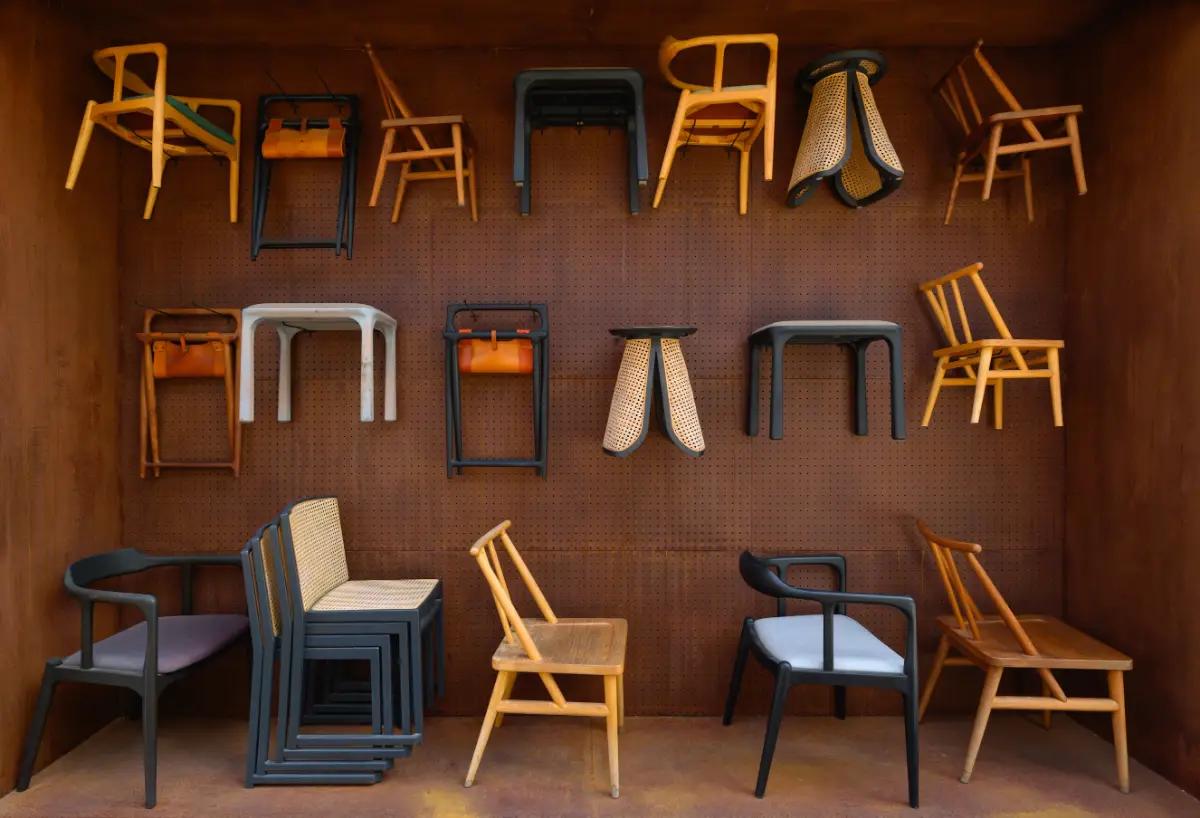
主要类别:餐桌(长方形、圆形、伸缩式、吧台高度)、餐椅(侧椅、扶手椅、长凳)、边柜和餐边柜、吧台车和家庭吧台家具、瓷器柜和展示柜、以及早餐角家具。全球餐厅家具市场规模超过250亿美元。
风格类别:传统、现代/当代、农舍/乡村、中世纪现代、工业风和斯堪的纳维亚风格。餐厅家具通常作为配套套装购买,但混搭风格(“折衷主义餐厅”)正成为趋势。材料组合——木桌配软垫椅、玻璃桌配金属底座——定义了风格细分市场。
行业动态:餐厅家具行业的特点是持续创新、不断变化的消费者需求以及对可持续性的日益重视。投资于技术、质量体系和供应链韧性的公司最有可能在竞争激烈的全球市场中取得长期成功。
The dining room furniture industry is a vital segment of the global economy, encompassing the design, production, and distribution of essential products that serve diverse end markets worldwide.
Major Categories: Dining tables (rectangular, round, extendable, counter-height), dining chairs (side chairs, armchairs, benches), sideboards and buffets, bar carts and home bar furniture, china cabinets and display hutches, and breakfast nook furniture. The global dining furniture market exceeds $25 billion.
Style Categories: Traditional, modern/contemporary, farmhouse/rustic, mid-century modern, industrial, and Scandinavian. Dining furniture is often purchased as coordinated sets, though mixing styles ("eclectic dining") is a growing trend. Material combinations — wood table with upholstered chairs, glass table with metal base — define stylistic segments.
Industry Dynamics: The dining room furniture sector is characterized by continuous innovation, evolving consumer demands, and increasing emphasis on sustainability. Companies that invest in technology, quality systems, and supply chain resilience are best positioned for long-term success in competitive global markets.
餐厅家具行业受几个关键因素影响,这些因素决定了竞争成功与否——从原材料质量和制造技术到法规合规性和市场定位。
1. 桌子构造:实木(橡木、胡桃木、枫木、金合欢木)、工程芯材贴木皮、玻璃桌面(钢化,最小8毫米)、陶瓷/烧结石、金属(不锈钢、粉末涂层)。伸缩机构(蝴蝶板、翻板、齿轮驱动)应操作顺畅并牢固锁定。
2. 椅子构造:框架材料(实木、金属)、接合方式(榫卯、木榫、角块)、座面构造(软垫泡沫——最小密度1.8磅/立方英尺、编织、实木)以及饰面耐久性。
3. 饰面质量:多道工序——染色、封闭、面漆(催化漆或转换清漆以增加耐久性)。桌面饰面需进行耐热、耐水和耐化学性测试。
4. 人体工学:标准餐桌高度28-30英寸,吧台高度34-36英寸。椅子座面��度��常距地面18英寸。足够的膝部空间和舒适的座深至关重要。
质量标准:餐厅家具行业的领先公司通常以ISO 9001认证为基准,许多公司还持有行业特定认证。产品测试、材料可追溯性和第三方检验是基本的质量保证实践。可持续性认证正日益受到全球主要买家和监管机构的要求。
The dining room furniture industry is shaped by several critical factors that determine competitive success — from raw material quality and manufacturing technology to regulatory compliance and market positioning.
1. Table Construction: Solid wood (oak, walnut, maple, acacia), wood veneer on engineered core, glass tops (tempered, minimum 8mm), ceramic/sintered stone, and metal (stainless steel, powder-coated). Extendable mechanisms (butterfly leaf, drop-leaf, gear-driven) should operate smoothly and lock securely.
2. Chair Construction: Frame materials (solid wood, metal), joinery (mortise and tenon, dowel, corner blocks), seat construction (upholstered foam — minimum density 1.8 lbs/ft³, webbed, solid wood), and finish durability.
3. Finish Quality: Multi-step finishing — stain, sealer, topcoat (catalyzed lacquer or conversion varnish for durability). Heat, water, and chemical resistance testing for tabletop finishes.
4. Ergonomics: Standard dining table height 28-30 inches, counter height 34-36 inches. Chair seat height typically 18 inches from floor. Adequate knee clearance and comfortable seating depth are critical.
Quality Standards: Leading companies in the dining room furniture sector typically hold ISO 9001 certification as a baseline, with many also maintaining industry-specific certifications. Product testing, material traceability, and third-party inspection are essential quality assurance practices. Sustainability certifications are increasingly required by major buyers and regulators worldwide.
采购餐厅家具产品需要全面评估供应商能力、质量体系、成本结构和合规资质。
1. 材料验证:核实实木与贴皮声明。检查木材种类、含水率以及可持续来源木材的FSC认证。
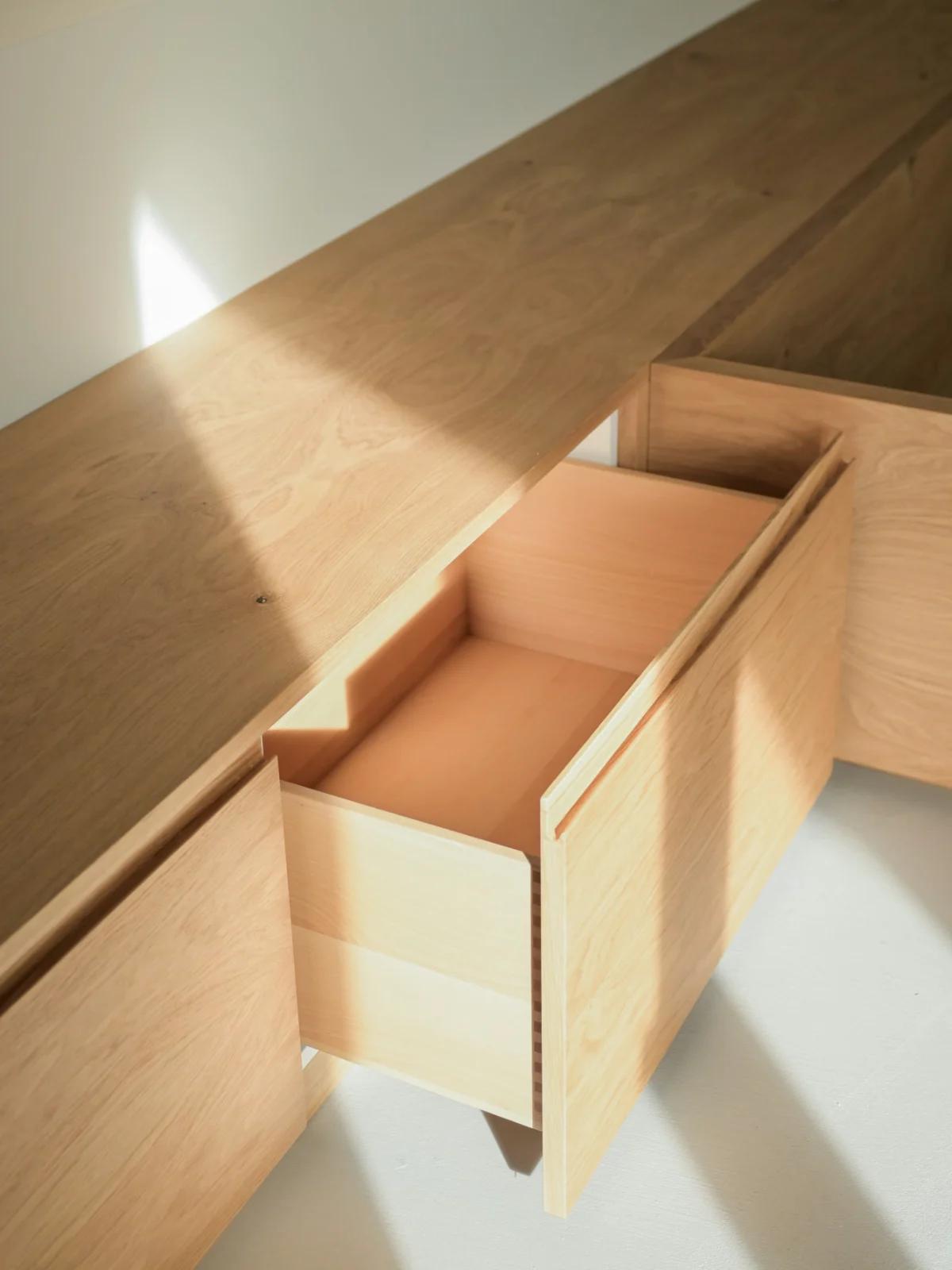
2. 构造质量:检查接合方式——优先选择榫卯或木榫构造,而非仅用钉子和胶水。检查抽屉操作(顺滑滑轨,高端产品采用燕尾榫接合)。
3. 饰面检查:检查颜色是否一致、表面是否光滑、无流挂、橘皮或光泽不均。验证耐热和耐水性——热盘和泼溅是餐桌的常见情况。
4. 组装与交付:餐厅家具又重又大——需验证包装保护、组装要求和配送物流。送货上门并组装(“白手套服务”)是一项竞争优势。
5. 保修:评估保修范围——框架/构造(5-10年以上)、饰面(1-3年)、面料/皮革(1-2年)。延长保修表明制造商信心。
关键建议:尽可能参观供应商工厂,要求并核实第三方认证,在承诺大批量订单前先下试订单,与多个合格供应商建立关系以降低集中风险。在采购协议中明确质量规格和检验规程。
Sourcing dining room furniture products requires thorough evaluation of supplier capabilities, quality systems, cost structures, and compliance credentials.
1. Material Verification: Verify solid wood vs. veneer claims. Check wood species, moisture content, and FSC certification for sustainably sourced timber.
2. Construction Quality: Inspect joinery — mortise and tenon or dowel construction preferred over staples and glue alone. Check drawer operation (smooth slides, dovetail joinery on premium pieces).
3. Finish Inspection: Check for consistent color, smooth surface, and absence of drips, orange peel, or uneven sheen. Verify heat and water resistance — hot plates and spills are dining table realities.
4. Assembly & Delivery: Dining furniture is heavy and bulky — verify packaging protection, assembly requirements, and delivery logistics. In-home delivery with assembly ("white glove") is a competitive advantage.
5. Warranty: Evaluate warranty coverage — frame/construction (5-10+ years), finish (1-3 years), fabric/leather (1-2 years). Extended warranties signal manufacturer confidence.
Key Recommendations: Visit supplier facilities when possible, request and verify third-party certifications, start with trial orders before committing to large volumes, and build relationships with multiple qualified suppliers to reduce concentration risk. Establish clear quality specifications and inspection protocols in purchase agreements.
全球餐厅家具行业具有独特的地理分布格局,受原材料获取、制造传统、劳动力成本和市场邻近性等因素影响。
1. 中国:全球最大生产国——广东(佛山、东莞)和福建是主要的餐厅家具制造中心。
2. 越南:增长最快的实木餐厅家具出口国——在金合欢木和橡胶木产品方面实力强劲。
3. 意大利:高端设计餐厅家具——Calligaris、Bonaldo、Cattelan Italia——定义了当代餐厅美学。
4. 马来西亚和印度尼西亚:主要的实木餐厅家具生产国——橡胶木、桃花心木、柚木。
5. 美国:国内生产商在实木硬木餐厅家具方面实力雄厚——阿米什工艺、北卡罗来纳州家具带。
战略意义:在餐厅家具行业成功采购需要了解区域专业化,并维持多元化的采购策略,以平衡成本、质量、交货时间和地缘政治风险。可持续性认证和供应链透明度正日益成为进入高端市场的先决条件。
The global dining room furniture industry has a distinctive geographic footprint shaped by raw material access, manufacturing heritage, labor costs, and market proximity.
1. China: World''s largest producer — Guangdong (Foshan, Dongguan) and Fujian are key dining furniture manufacturing hubs.
2. Vietnam: Fastest-growing solid wood dining furniture exporter — strong in acacia and rubberwood products.
3. Italy: Premium design dining furniture — Calligaris, Bonaldo, Cattelan Italia — defining contemporary dining aesthetics.
4. Malaysia & Indonesia: Major solid wood dining furniture producers — rubberwood, mahogany, teak.
5. United States: Domestic producers strong in solid hardwood dining furniture — Amish craftsmanship, North Carolina furniture belt.
Strategic Implications: Successful procurement in the dining room furniture industry requires understanding regional specialization and maintaining diversified sourcing strategies that balance cost, quality, lead time, and geopolitical risk. Sustainability certifications and supply chain transparency are increasingly becoming prerequisites for market access in premium segments.