不,厨房家具行业远不止橱柜。它是一个综合性行业,涵盖厨房空间内所有系统化的固定装置、家具、电器和工具。1. 核心:固定安装与储物 其核心确实是橱柜(如定制柜、吊柜)和台面。它们决定了厨房的布局、储物能力和风格基础,常被视为“基础设施”。2. 功能延伸:电器与设备 现代厨房依赖嵌入式或独立式电器,如集成灶、洗碗机、蒸烤箱和智能冰箱。这些电器设计为与橱柜整合,对烹饪功能至关重要,现已成为该行业不可分割的一部分。3. 关键组成部分:餐具与配件 该行业还包括日常使用的餐具、炊具、小型台面电器(如咖啡机、空气炸锅),以及大量储物收纳件和厨房工具。这些物品直接影响烹饪便利性和生活品质。4. 未来:智能与集成解决方案 目前,该行业正快速向智能厨房发展,融入感应水龙头、互联智能电器和升降插座,旨在通过技术提升体验。因此,这是一个融合了家具制造、电器工程、家居装饰和数字技术的集成行业。
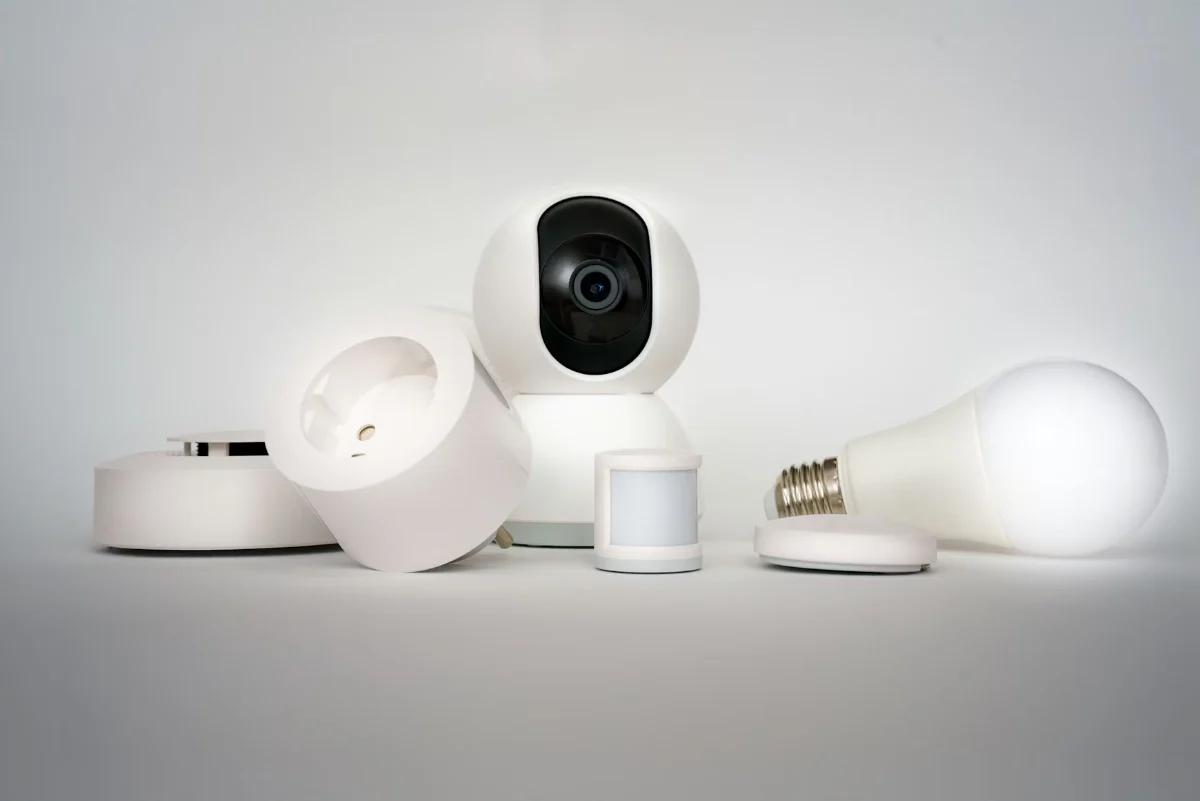
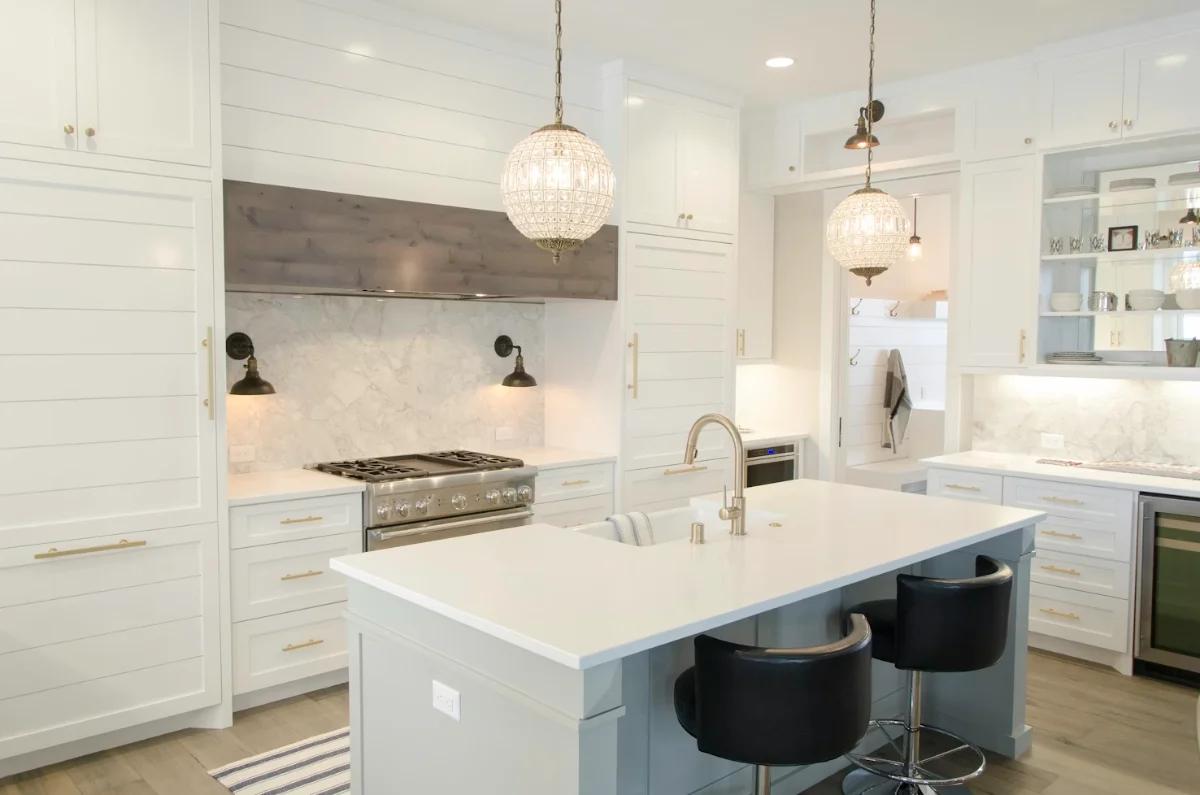
No, the kitchen furniture industry extends far beyond cabinets. It is a comprehensive sector encompassing all systematic fixtures, furniture, appliances, and tools within a kitchen space. 1. The Core: Fixed Installations & Storage At its heart are indeed the cabinetry (like built-in cabinets, wall cabinets) and countertops. They define the kitchen’s layout, storage capacity, and stylistic foundation, often considered the “infrastructure.” 2. Functional Extension: Appliances & Equipment Modern kitchens rely on built-in or freestanding appliances such as integrated cooktops, dishwashers, steam ovens, and smart refrigerators. Designed to integrate with cabinetry, they are essential for cooking functionality and are now an inseparable part of the industry. 3. Key Components: Utensils & Accessories The industry also includes daily-use dinnerware, cookware, small countertop appliances (like coffee makers, air fryers), and a vast array of storage organizers and kitchen tools. These items directly impact cooking convenience and lifestyle quality. 4. The Future: Smart & Integrated Solutions Currently, the industry is rapidly evolving towards the smart kitchen, incorporating touchless faucets, interconnected smart appliances, and pop-up outlets, aiming to enhance experience through technology. Thus, it is an integrated industry merging furniture manufacturing, appliance engineering, home decor, and digital technology.
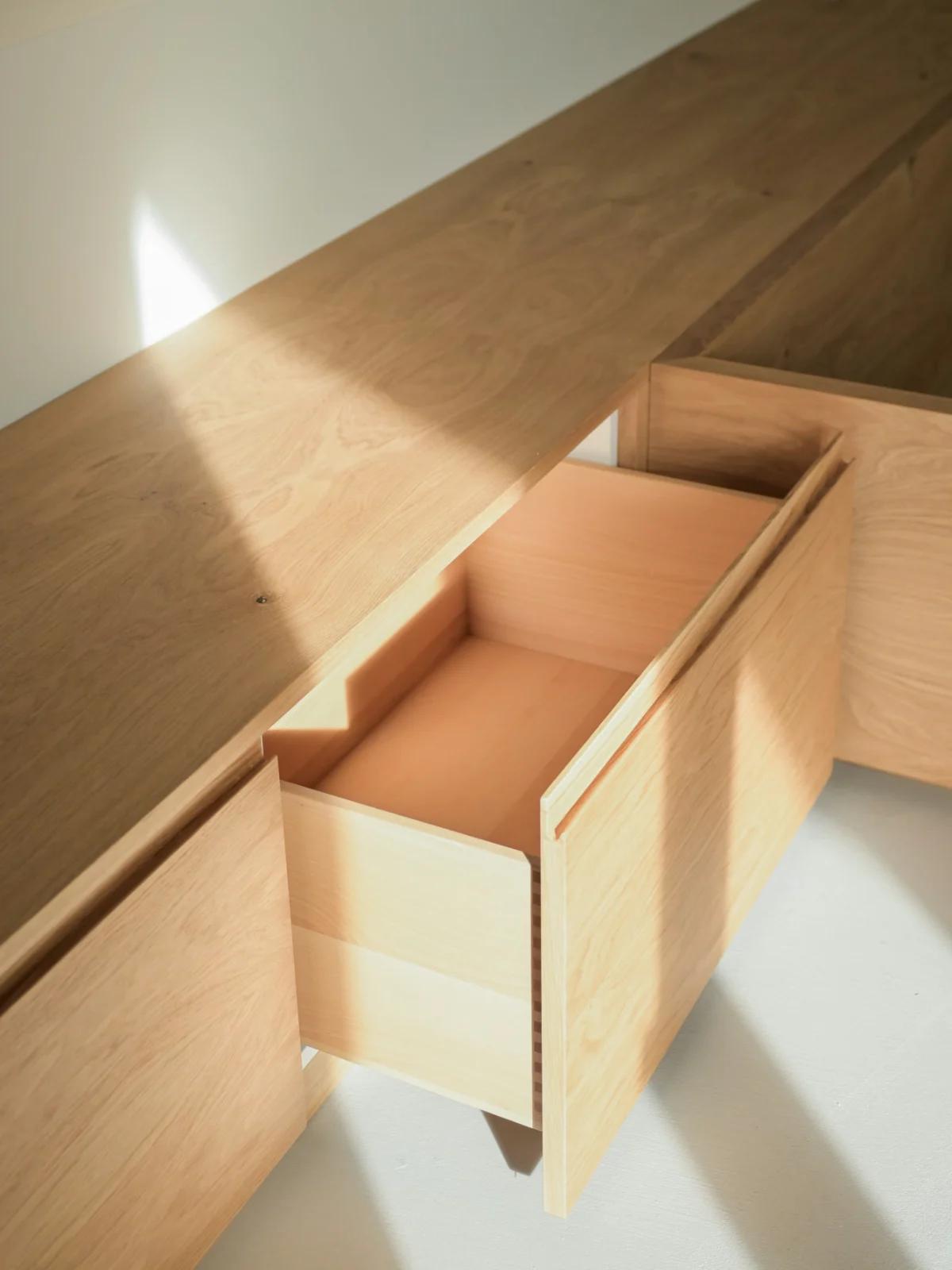
现代厨房家具产品体系庞大,可按功能分为以下几类:1. 结构与储物:橱柜与台面 橱柜是最大的组成部分,提供基本储物功能(地柜、吊柜、高柜及拉篮等收纳件)。台面构成主要工作表面,采用石英石、花岗岩或复合材料等,兼顾美观与耐用。2. 功能核心:大家电 这是厨房的“动力中心”。包括大型嵌入式电器(烤箱、洗碗机)、烹饪电器(灶具、油烟机)和实用电器(净水器、垃圾处理器)。它们正变得越来越智能和集成化。3. 日常用品:餐具与小家电 包括餐具(盘、刀叉)、炊具(锅、砧板)和台面电器(水壶、搅拌机)。这些物品更换周期较快,注重设计、材质和使用体验。4. 空间优化:收纳与工具 各种收纳件(调料架、抽屉分隔盒、收纳筐)和实用工具(沥水架、厨房秤)有助于最大化利用每一寸空间,保持厨房整洁高效。5. 前沿趋势:智能厨房组件 包括智能电器、智能配件(感应水龙头、智能插座)和管理系统,利用物联网实现远程控制、自动烹饪和库存管理。
The modern kitchen furniture product system is extensive and can be categorized into several functional groups: 1. Structure & Storage: Cabinetry & Countertops Kitchen cabinets are the largest components, providing essential storage (base cabinets, wall cabinets, tall units, and organizers like pull-out shelves). Countertops form the primary work surface, made from materials like quartz, granite, or composite, balancing aesthetics with durability. 2. Function Core: Major Appliances This is the kitchen’s “power center.” It includes large built-in appliances (ovens, dishwashers), cooking appliances (cooktops, range hoods), and utility appliances (water filters, garbage disposals). They are becoming increasingly smart and integrated. 3. Daily-Use Items: Ware & Small Appliances This encompasses dinnerware (plates, cutlery), cookware (pots, pans, cutting boards), and countertop appliances (kettles, blenders). These items have faster replacement cycles and focus on design, material, and user experience. 4. Space Optimization: Storage & Tools A variety of organizers (spice racks, drawer dividers, bins) and practical tools (dish drainers, kitchen scales) help maximize every inch of space, maintaining kitchen order and efficiency. 5. Frontier Trend: Smart Kitchen Components This includes smart appliances, smart accessories (touchless faucets, smart outlets), and management systems, using IoT for remote control, automated cooking, and inventory management.
厨房家具行业正经历重大变革,四大趋势驱动:1. 集成与嵌入式设计:橱柜、电器和照明追求无缝融合,打造统一简约的外观。电器设计不显突兀,融入整体厨房美学,形成干净连续的线条。2. 智能技术与互联:厨房正成为智能家居的核心枢纽。智能冰箱可追踪食材并推荐食谱;语音控制和基于应用的远程操作已很普遍。基于智能传感器的设备(水龙头、照明)提升了便利性和卫生性。设备间的互联互通日益增强。3. 个性化与情感表达:消费者寻求独特解决方案。定制化已成为主流,涵盖颜色(如流行的柔和色调或海军蓝)、材料和布局。厨房设计越来越注重反映房主的个性并促进社交互动,中岛作为多功能枢纽。4. 健康意识与可持续性:关注点从厨房扩展到居住者健康。对抗菌材料(台面、砧板)、健康烹饪电器(蒸汽烤箱、空气炸锅)和环境改善设备(高级水过滤器、通风系统)的需求上升。可持续、可回收材料和节能电器也越来越重要。
The kitchen furniture industry is undergoing significant transformation, driven by four key trends: 1. Integration & Flush Embedding There is a strong pursuit of seamless integration between cabinets, appliances, and lighting for a unified, minimalist look. Appliances are designed to be unobtrusive, blending into the overall kitchen aesthetic to create clean, continuous lines. 2. Smart Technology & Connectivity The kitchen is becoming a central hub for smart homes. Smart refrigerators can track groceries and suggest recipes; voice control and app-based remote operation are commonplace. Smart sensor-based devices (faucets, lighting) enhance convenience and hygiene. Interconnectivity between devices is growing. 3. Personalization & Emotional Expression Consumers seek unique solutions. Customization is now mainstream, covering colors (like popular muted tones or navy blue), materials, and layouts. Kitchen design increasingly focuses on reflecting the homeowner’s personality and facilitating social interaction, with islands serving as multi-functional hubs. 4. Health-Consciousness & Sustainability The focus extends beyond the kitchen to occupant well-being. Demand is rising for antibacterial materials (countertops, cutting boards), healthy-cooking appliances (steam ovens, air fryers), and environment-enhancing devices (advanced water filters, ventilation systems). Sustainable, recyclable materials and energy-efficient appliances are also gaining importance.
选购厨房家具需要系统方法。考虑以下关键方面:1. 明确需求与设定预算:根据烹饪习惯、用餐需求和储物要求,先规划厨房布局(L型、U型、带中岛)。然后确定总预算,并合理分配到橱柜、台面、电器等,避免超支。2. 关注核心:橱柜与台面:对于橱柜,检查板材环保等级(如E0级或更高)、五金质量(铰链/抽屉滑轨品牌、阻尼功能)、封边质量(无缝紧密)和内部布局效率。对于台面,考虑材料特性(石英石耐用性、天然石材维护)、厚度、边缘造型和耐污性。3. 谨慎选择电器:对于嵌入式电器,在橱柜制作前确定型号和精确尺寸。注意能效等级、核心技术(如烟机吸力、烤箱温控)和安全认证。考虑未来智能家居兼容性。4. 注重细节:配件与工艺:功能配件(拉篮、铰链)的质量和安装工艺(接缝对齐、水平度)对长期满意度影响很大。检查实物样品,感受材料和机构的手感,选择提供专业测量、安装和可靠售后服务的知名品牌或零售商。
Selecting kitchen furniture requires a systematic approach. Consider these key aspects: 1. Define Needs & Set a Budget Start by planning the kitchen layout (L-shaped, U-shaped, with an island) based on your cooking habits, dining needs, and storage requirements. Then, establish a total budget and allocate it wisely across cabinets, countertops, appliances, etc., to avoid overspending. 2. Focus on the Core: Cabinets & Countertops For cabinets, examine the environmental standard of panels (like E0 grade or higher), quality of hardware (brand of hinges\/drawer slides, soft-closing function), edge banding quality (seamless and tight), and internal layout efficiency. For countertops, consider material properties (quartz durability, natural stone maintenance), thickness, edge profiles, and stain resistance. 3. Choose Appliances Carefully For built-in appliances, finalize models and exact dimensions before cabinet fabrication. Pay attention to the energy efficiency rating, core technologies (e.g., hood suction power, oven temperature control), and safety certifications. Consider future smart home compatibility. 4. Attention to Detail: Accessories & Craftsmanship The quality of functional accessories (pull-outs, hinges) and installation craftsmanship (seam alignment, leveling) significantly impacts long-term satisfaction. Inspect physical samples, test the feel of materials and mechanisms, and choose reputable brands or retailers that offer professional measurement, installation, and reliable after-sales service.
购买厨房家具有多种渠道,各有特点。你可以根据需要选择一种或组合使用。1. 大型家居卖场与品牌专卖店 这是最传统的渠道,如专业家居建材市场或品牌旗舰店。优点是能亲身体验产品质量、颜色和功能,获得专业的设计咨询,服务和售后相对有保障。缺点是价格通常较高,且选择限于店内品牌。2. 全屋/厨房定制品牌 专业品牌提供从测量、设计、生产到安装的一站式服务。优点是能实现高度个性化的方案,空间利用率最优,风格统一。缺点是周期较长、成本较高,且高度依赖品牌的设计能力、安装质量和诚信度。3. 综合电商平台 包括各大平台的品牌官方店或授权经销商。优点是价格透明,选择极其丰富,便于比价,且常有促销折扣。适合标准化产品,如电器、小工具、餐具和配件。缺点是无法实物查看;大件物品的物流和安装可能复杂。需仔细核实卖家信誉和评价。4. 装修公司/设计师渠道 通过室内设计师或装修公司打包购买。优点是能与整体室内设计风格无缝协调,省去业主单独采购的麻烦。缺点是价格可能不透明。务必在合同中详细列明产品品牌、型号和价格,以确保价值并避免劣质替代。
Multiple channels exist for purchasing kitchen furniture, each with distinct features. You can choose one or combine them based on your needs. 1. Large Home Retailers & Brand Boutiques This is the most traditional channel, like specialized home improvement malls or brand flagship stores. The advantage is the ability to physically experience product quality, color, and function, receive professional in-person design consultation, with relatively assured service and after-sales. The drawback is typically higher prices and a selection limited to brands present in the store. 2. Whole-Home\/Kitchen Customization Brands Professional brands offer one-stop service from measurement, design, production to installation. The advantage is achieving highly personalized solutions with optimal space utilization and a unified style. The drawback includes longer lead times, higher costs, and heavy reliance on the brand’s design capability, installation quality, and integrity. 3. Comprehensive E-commerce Platforms This includes official brand stores or authorized sellers on major platforms. The advantage is transparent pricing, an extremely wide selection, easy price comparison, and frequent promotional discounts. Ideal for standardized items like appliances, small gadgets, dinnerware, and accessories. The drawback is the inability to inspect items physically; logistics and installation for large items can be complex. Careful verification of seller credibility and reviews is essential. 4. Contractor\/Interior Designer Channel Purchasing is bundled through your interior designer or renovation contractor. The advantage is seamless coordination with the overall interior design style, saving the homeowner from the hassle of individual sourcing. The drawback can be a lack of price transparency. It’s crucial to detail product brands, models, and prices in the contract to ensure value and avoid substandard substitutions.