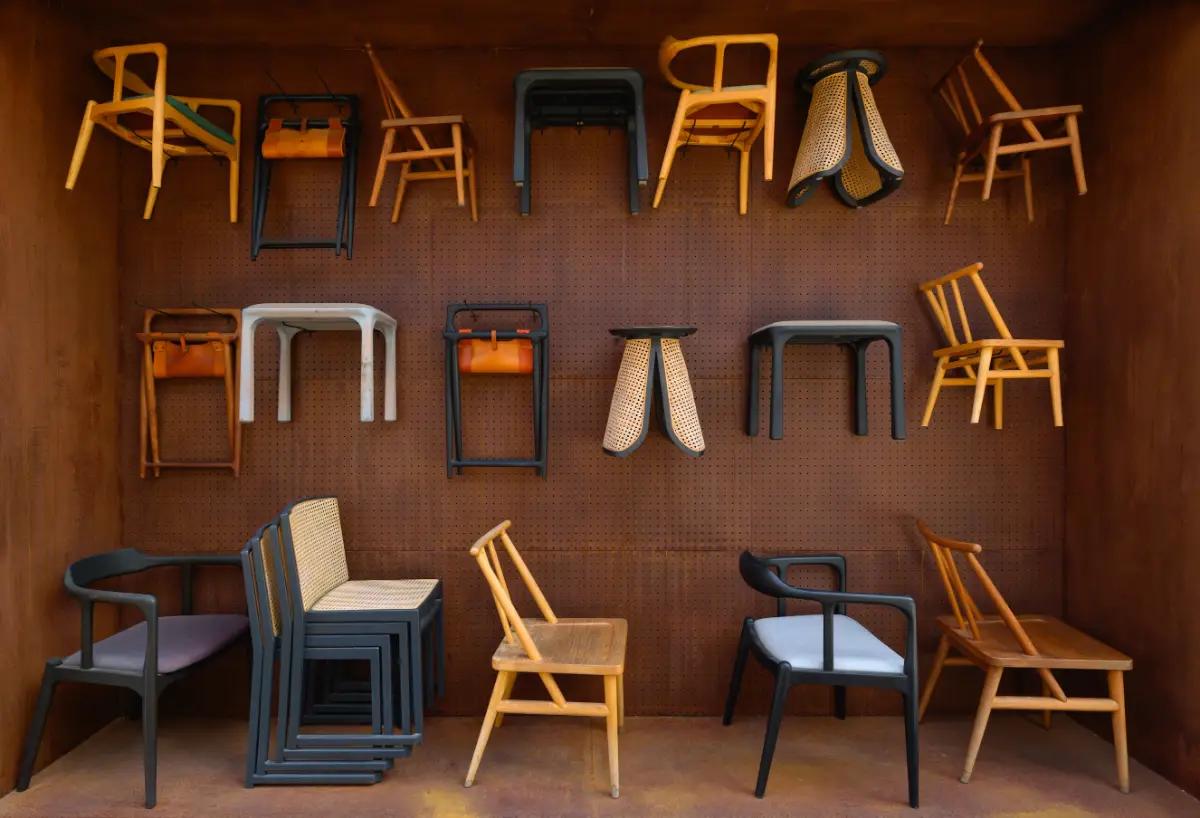
客厅家具行业远不止沙发那么简单。它包括所有用于装备客厅主要功能区的家具产品。主流分类通常将其分为五个关键部分:1. 核心座椅:客厅的核心。包括沙发(布艺、皮革、躺椅、组合沙发)、扶手椅、躺椅、长凳等,提供主要就座和休闲功能。2. 电视与媒体家具:围绕娱乐中心演变。例如电视柜、媒体控制台、音响柜和投影仪支架,用于支撑和整理视听设备。3. 桌子:主要是咖啡桌、边桌/茶几和嵌套桌,提供方便的展示和日常使用表面。4. 储物与展示:包括餐边柜、书柜、展示柜和玄关柜。它们满足储物需求和装饰展示,保持空间整洁。5. 功能性与模块化家具:如模块化储物单元、房间隔断和按摩椅。这些满足现代对个性化、多功能性和空间优化的需求。
The living room furniture industry encompasses far more than just a sofa. It includes all furniture products designed to equip the main functional zone of a living room. Mainstream categorization typically divides it into five key segments: 1. Core Seating: The heart of the living room. This includes sofas (fabric, leather, recliner, sectional), armchairs, recliners, benches, etc., providing primary seating and lounging functions. 2. TV & Media Furniture: Evolves around the entertainment hub. Examples are TV stands, media consoles, audio cabinets, and projector mounts, designed to support and organize audiovisual equipment. 3. Tables: Primarily coffee tables, side\/end tables, and nesting tables, offering convenient surfaces for display and everyday use. 4. Storage & Display: Includes sideboards, bookcases, display cabinets, and entryway cabinets. They address storage needs and display decor, maintaining space organization. 5. Functional & Modular Furniture: Such as modular storage units, room dividers, and massage chairs. These meet modern demands for personalization, multifunctionality, and space optimization.
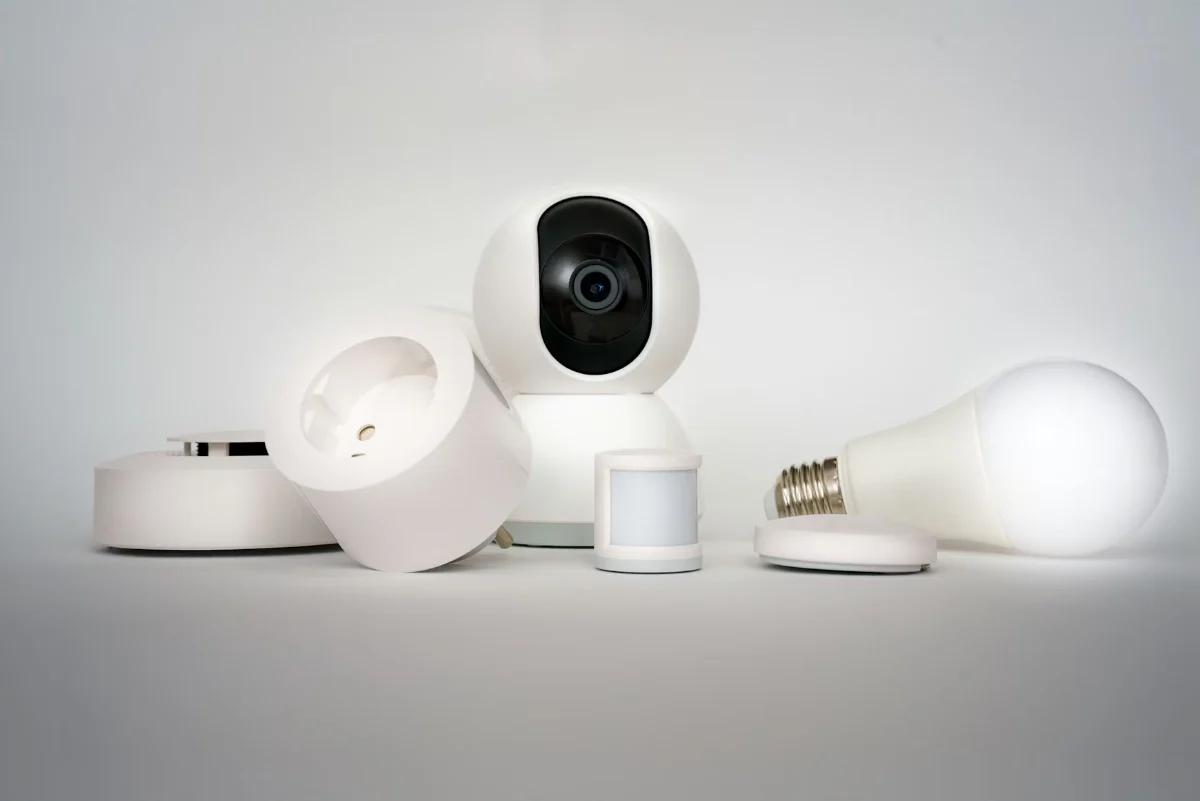
客厅家具行业正被几大趋势重塑:1. 小空间的功能性设计:城市化和紧凑型住宅的普及推动了对模块化、可扩展和节省空间的家具的需求,这些家具带有隐藏储物空间(如储物凳床、升降咖啡桌),以最大化实用性。2. 可持续性与环保意识:消费者意识的提高推动了对使用可再生材料(如竹子、再生木材)、环保饰面以及来自可持续管理森林的家具的需求。3. 智能家居集成:家具越来越多地与技术融合。例如带有内置USB端口、无线充电板、智能调节(电动躺椅、集成照明)以及与全屋智能系统连接的沙发。4. 电子商务与体验创新:在线渠道至关重要。品牌通过AR“查看房间效果”工具、360度视图和详细视频指南来增强数字购买体验,以克服在线购买大件商品的障碍。
The living room furniture industry is being reshaped by several powerful trends: 1. Functional Design for Smaller Spaces: Urbanization and the prevalence of compact homes drive demand for modular, expandable, and space-saving furniture with hidden storage (e.g., ottoman beds, lift-top coffee tables) to maximize utility. 2. Sustainability & Eco-Consciousness: Increased consumer awareness fuels demand for furniture made with renewable materials (like bamboo, reclaimed wood), eco-friendly finishes, and from sustainably managed forests. 3. Smart Home Integration: Furniture is increasingly merging with technology. Examples include sofas with built-in USB ports, wireless charging pads, smart adjustments (power recliners, integrated lighting), and connectivity with whole-home smart systems. 4. E-commerce & Experience Innovation: Online channels are crucial. Brands are enhancing the digital buying experience through AR “see-in-your-room” tools, 360-degree views, and detailed video guides to overcome the hurdle of purchasing large items online.
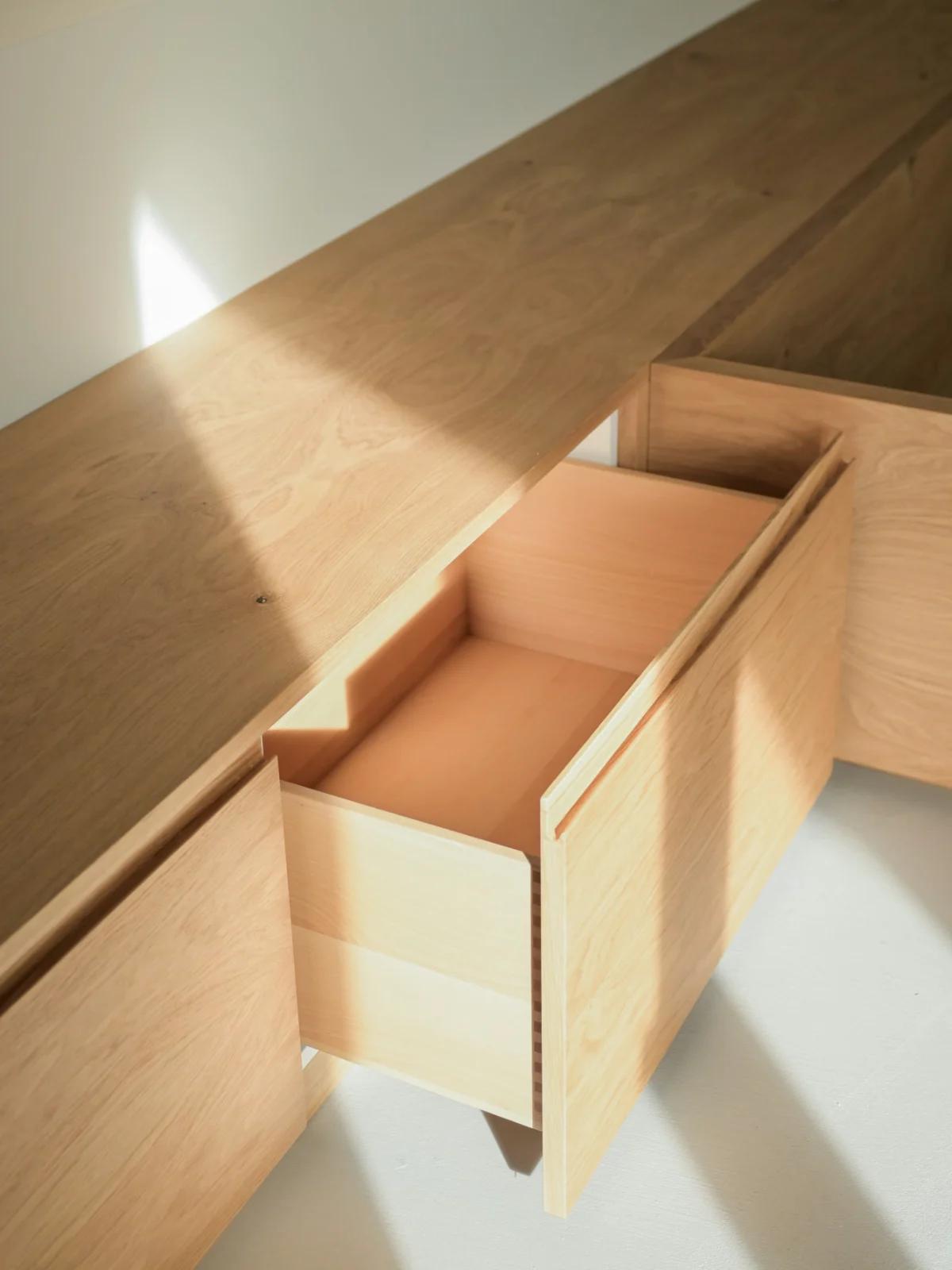
客厅家具最常用的材料分为三大类,各有特点:1. 木材:用途最广、最经典的材料,占据市场主导。实木(如橡木、胡桃木、白蜡木)带来自然的温暖感、耐用且环保,但通常价格较高且易受湿度影响。人造板(如刨花板、中密度纤维板)性价比高、稳定且易塑形,是许多平价家具的核心。注意封边质量和甲醛释放等级(如E0/E1)。2. 金属:常用于框架、支腿以及现代/工业风格设计。钢材极其坚固且支撑性好;铝材更轻且耐腐蚀,适合户外或现代风格。金属常与玻璃或木材搭配。3. 软包材料:* 布料:选择丰富(棉、亚麻、天鹅绒、高性能面料),提供多样的颜色和质感,触感舒适且透气性好。部分布料可能易脏或起球。* 皮革:分为真皮和合成革。真皮(常见全粒面或头层牛皮)高端、耐用、易清洁且会形成包浆,但需要保养且价格昂贵。合成革(仿皮)价格实惠且易打理,但通常透气性和耐用性较差。
The most common materials for living room furniture fall into three main categories, each with distinct traits: 1. Wood: The most versatile and classic material, dominating the market. Solid wood (e.g., oak, walnut, ash) offers natural warmth, durability, and eco-friendliness but is often more expensive and can react to humidity. Engineered wood (like particleboard, MDF) is cost-effective, stable, and easily shaped, forming the core of many affordable pieces. Pay attention to edge banding quality and formaldehyde emission ratings (like E0\/E1). 2. Metal: Commonly used for frames, legs, and in modern\/industrial designs. Steel is extremely strong and supportive; aluminum is lighter and corrosion-resistant, popular for outdoor or contemporary styles. Metal is often combined with glass or wood. 3. Upholstery Materials: * Fabric (Cloth): Vast options (cotton, linen, velvet, performance fabrics) offering diverse colors\/textures, cozy feel, and good breathability. Some may be prone to staining or pilling. * Leather: Split into genuine and synthetic. Genuine leather (full-grain or top-grain cowhide is common) is premium, durable, easy to clean, and develops a patina, but requires care and is costly. Synthetic leather (faux leather) is affordable and easy to maintain but generally less breathable and durable.
这些术语蕴含着深刻的设计理念和传统,远非简单的产地标签可比。1. “意大利制造”(例如:Flexform、Poltrona Frau):是奢华、卓越工艺和设计领导力的代名词。它意味着:1. 优质材料:采用顶级头层皮革、珍贵大理石、高品质实木。2. 工匠技艺:许多工序依赖熟练的手工打磨和对细节的关注。3. 标志性设计:作品常兼具雕塑美感与人体工学舒适,成为永恒经典。4. 文化遗产:承载了意大利在艺术、皮革加工和设计领域数百年的专业积淀,产品被视为可传承的珍品。2. “北欧设计”(例如:宜家核心系列、Ligne Roset):以民主设计、功能主义和自然美学为核心。它强调:1. 简洁纯净:极简线条和利落造型。2. 实用功能:设计服务于日常生活——智能收纳、灵活性和易用性是关键。3. 亲近自然:大量使用木材、羊毛、亚麻等天然材料,营造温暖明亮的空间。4. 亲民普及:理念是让好设计惠及大众,常通过模块化、平板包装和亲民价格实现。
These terms signify deep design philosophies and heritage, far beyond mere origin labels. 1. “Made in Italy” (e.g., Flexform, Poltrona Frau): Synonymous with luxury, exceptional craftsmanship, and design leadership. It implies: 1. Premium Materials: Use of top-grain leathers, precious marbles, high-quality solid woods. 2. Artisan Craftsmanship: Many processes involve skilled hand-finishing and attention to detail. 3. Iconic Design: Pieces often balance sculptural beauty with ergonomic comfort, creating timeless classics. 4. Cultural Heritage: Embodies centuries of Italian expertise in art, leatherworking, and design, with products viewed as investable heirlooms. 2. “Nordic Design” (e.g., IKEA’s core range, Ligne Roset): Centers on democratic design, functionalism, and natural aesthetics. It emphasizes: 1. Clean Simplicity: Minimalist lines and uncluttered forms. 2. Practical Functionality: Design serves practical life—smart storage, flexibility, and usability are key. 3. Connection to Nature: Prominent use of natural materials like wood, wool, and linen to create warm, light-filled spaces. 4. Accessibility: The ethos is to make good design available to the many, often realized through modularity, flat-packaging, and approachable pricing.
全球客厅家具产业的地理分布格局独特,受原材料获取、制造传统、劳动力成本和市场距离等因素影响。
1. 中国:全球最大的生产国——佛山(广东)是全球软体家具中心。
2. 越南:对美出口增长最快的国家——在软体座椅和木制家具方面具有优势。
3. 意大利:高端设计之都——Poltrona Frau、B&B Italia、Minotti定义了豪华客厅家具。
4. 波兰:欧盟第二大家具出口国——在面向西欧市场的软体家具方面实力强劲。
5. 美国:国内软体家具制造仍具规模(北卡罗来纳州、密西西比州)。
战略启示:在客厅家具行业,成功的采购需要了解区域专业化,并维持多元化的采购策略,以平衡成本、质量、交货时间和地缘政治风险。可持续认证和供应链透明度正日益成为进入高端市场的先决条件。
The global living room furniture industry has a distinctive geographic footprint shaped by raw material access, manufacturing heritage, labor costs, and market proximity.
1. China: World''s largest producer — Foshan (Guangdong) is the global upholstered furniture hub.
2. Vietnam: Fastest-growing exporter to US — strengths in upholstered seating and case goods.
3. Italy: Premium design capital — Poltrona Frau, B&B Italia, Minotti define luxury living room furniture.
4. Poland: EU''s second-largest furniture exporter — strong in upholstered furniture for Western European markets.
5. United States: Domestic manufacturing of upholstered furniture remains significant (North Carolina, Mississippi).
Strategic Implications: Successful procurement in the living room furniture industry requires understanding regional specialization and maintaining diversified sourcing strategies that balance cost, quality, lead time, and geopolitical risk. Sustainability certifications and supply chain transparency are increasingly becoming prerequisites for market access in premium segments.