维瑞评级致力于提供真实、透明、可验证的行业洞察。本排行榜并非基于主观意见,而是基于严谨的多维度评估模型。我们系统性地收集并交叉验证来自全球的公开数据和权威信息,对每家公司在财务表现、市场影响力、供应链掌控力、消费者情绪以及创新可持续性等关键维度进行量化分析。我们的数据来源包括但不限于:上市公司的公开财务文件、国际市场研究机构的报告、政府和行业机构的统计数据、顶尖大学和智库的专项研究,以及通过AI技术整合的全球公众情绪和搜索趋势数据。所有数据均经过清洗和加权计算,以确保最终排名的客观性和中立性,为您呈现可信的行业全貌。
Verity Rank is committed to delivering authentic, transparent, and verifiable industry insights. This ranking is not based on subjective opinions but on a rigorous multi-dimensional evaluation model. We systematically collect and cross-verify public data and authoritative information from global sources, conducting quantitative analysis on key dimensions for each company, including financial performance, market influence, supply chain control, consumer sentiment, and innovative sustainability. Our data sources include, but are not limited to: public financial filings of listed companies, reports from international market research authorities, statistics from government and industry bodies, specialized research from leading universities and think tanks, as well as global public sentiment and search trend data integrated via AI technology. All data undergoes cleaning and weighted calculation to ensure the objectivity and neutrality of the final ranking, presenting you with a credible panorama of the industry.
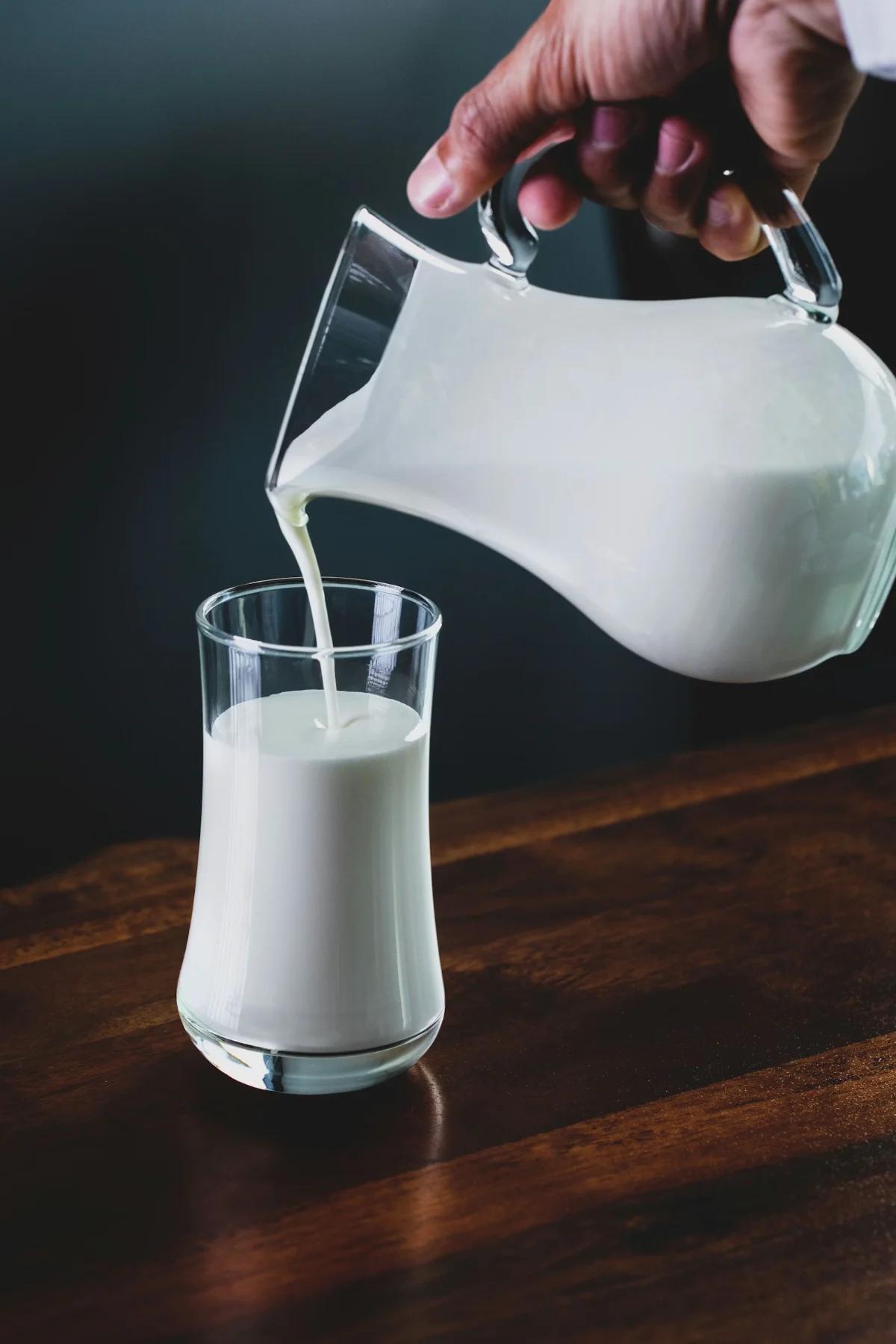
液态奶行业涵盖可直接饮用的液态乳制品的生产、加工和分销。
主要类别包括:
1. 巴氏杀菌奶:在72-75°C下热处理15秒,保留更多天然营养,但需要冷藏,保质期5-7天。
2. UHT奶(超高温瞬时灭菌):加热至135-150°C持续2-5秒,可在常温下储存6-12个月,无需防腐剂。在中国等市场占主导地位(份额超过70%)。
3. ESL奶(延长保质期):介于巴氏杀菌奶和UHT奶之间,冷藏条件下保质期15-30天。
4. 调味奶:添加了巧克力、草莓、香草等风味的牛奶。
5. 功能性/强化奶:添加了维生素、矿物质、益生菌或植物甾醇,具有特定健康益处。
The liquid milk industry encompasses the production, processing, and distribution of fluid dairy products ready for direct consumption.
Main categories include:
1. Pasteurized Milk: Heat-treated at 72-75 degree C for 15 seconds, retaining more natural nutrients but requiring refrigeration and with a 5-7 day shelf life.
2. UHT Milk (Ultra-High Temperature): Heated to 135-150 degree C for 2-5 seconds, enabling ambient storage for 6-12 months without preservatives. Dominates markets like China (70 percent plus share).
3. ESL Milk (Extended Shelf Life): A middle ground between pasteurized and UHT, offering 15-30 day shelf life under refrigeration.
4. Flavored Milk: Milk with added flavors such as chocolate, strawberry, and vanilla.
5. Functional/ Fortified Milk: Enriched with vitamins, minerals, probiotics, or plant sterols for specific health benefits.
液态奶质量由整个供应链中多个相互关联的因素决定:
1. 原料奶质量:体细胞数(SCC)和总细菌数(TBC)是最关键的两个指标。优质牛奶通常SCC低于200,000个/mL,TBC低于10,000 CFU/mL。
2. 加工技术:先进的巴氏杀菌或UHT系统,具有精确的温度控制;无菌灌装技术对UHT奶的货架稳定性至关重要。
3. 冷链管理:从农场冷却罐到零售展示,保持0-4°C无间断对巴氏杀菌奶至关重要。
4. 包装:多层无菌纸盒提供光、氧和微生物屏障。
5. 可追溯性:领先生产商使用二维码和区块链技术实施从农场到餐桌的可追溯系统。
Liquid milk quality is determined by multiple interconnected factors throughout the supply chain:
1. Raw Milk Quality: Somatic cell count (SCC) and total bacterial count (TBC) are the two most critical indicators. Premium milk typically has SCC below 200,000 cells/ mL and TBC below 10,000 CFU/ mL.
2. Processing Technology: Advanced pasteurization or UHT systems with precise temperature control; aseptic filling technology is critical for UHT milk shelf stability.
3. Cold Chain Management: From farm cooling tank to retail display, maintaining 0-4 degree C without breaks is essential for pasteurized milk.
4. Packaging: Multi-layer aseptic cartons provide light, oxygen, and microbial barriers.
5. Traceability: Leading producers implement farm-to-table traceability systems using QR codes and blockchain technology.
全球液态奶产量集中在几个关键地区:
1. 印度:全球最大的牛奶生产国,年产量超过2.2亿吨,以Amul等合作社模式为主导。然而,大部分产量用于国内消费。
2. 欧盟:每年约1.6亿吨,由德国、法国和波兰领先。欧盟既是主要生产国也是出口国,在共同农业政策下有严格的质量法规。
3. 美国:每年约1亿吨,加利福尼亚州和威斯康星州的大型工业化奶牛场引领生产。
4. 中国:快速增长,产量超过4000万吨,由伊利和蒙牛引领。中国在二十年内从缺奶国家转变为世界第四大生产国。
5. 新西兰:虽然仅生产2200万吨,但出口超过产量的95%,使其成为全球最大的乳制品出口国,由恒天然主导。
Global liquid milk production is concentrated in several key regions:
1. India: The world's largest milk producer with over 220 million metric tons annually, dominated by cooperative models like Amul. However, most production serves domestic consumption.
2. European Union: Approximately 160 million tons per year, led by Germany, France, and Poland. The EU is both a major producer and exporter, with strict quality regulations under the Common Agricultural Policy.
3. United States: Around 100 million tons annually, with large-scale industrial dairy farms in California and Wisconsin leading production.
4. China: Rapidly growing production exceeding 40 million tons, led by Yili and Mengniu. China has transitioned from a milk-deficient nation to the world's fourth-largest producer in two decades.
5. New Zealand: Though producing only 22 million tons, it exports over 95 percent of production, making it the world's largest dairy exporter, dominated by Fonterra.
液态奶行业正经历深刻变革,主要趋势包括:
1. 高端化:消费者越来越青睐有机、草饲、A2蛋白和高蛋白牛奶,这些产品比普通牛奶溢价30%至50%。
2. 植物基竞争:燕麦奶、杏仁奶和豆奶等替代品在发达经济体已占据超过15%的牛奶市场份额,迫使传统乳企创新。
3. 可持续性:碳中和奶牛养殖正成为关键差异化因素,领先企业承诺到2050年实现净零排放。通过饲料添加剂和粪污管理减少甲烷排放是优先领域。
4. 数字化:利用物联网传感器、人工智能驱动的牛群管理和机器人挤奶系统的智慧牧场提高了效率和动物福利。
5. 功能性乳品:富含益生菌、无乳糖和增强免疫力的牛奶产品是增长最快的子品类,年复合增长率达8%至12%。
The liquid milk industry is undergoing significant transformation driven by several trends:
1. Premiumization: Consumers increasingly seek organic, grass-fed, A2 protein, and high-protein milk varieties, commanding 30-50 percent price premiums over conventional milk.
2. Plant-Based Competition: Oat, almond, and soy milk alternatives now represent over 15 percent of the milk market in developed economies, pressuring traditional dairy to innovate.
3. Sustainability: Carbon-neutral dairy farming is emerging as a key differentiator, with leading companies committing to net-zero emissions by 2050. Methane reduction through feed additives and manure management are priority areas.
4. Digitalization: Smart farming using IoT sensors, AI-driven herd management, and robotic milking systems improve efficiency and animal welfare.
5. Functional Dairy: Probiotic-enriched, lactose-free, and immunity-boosting milk products are the fastest-growing sub-categories, growing at 8-12 percent CAGR.