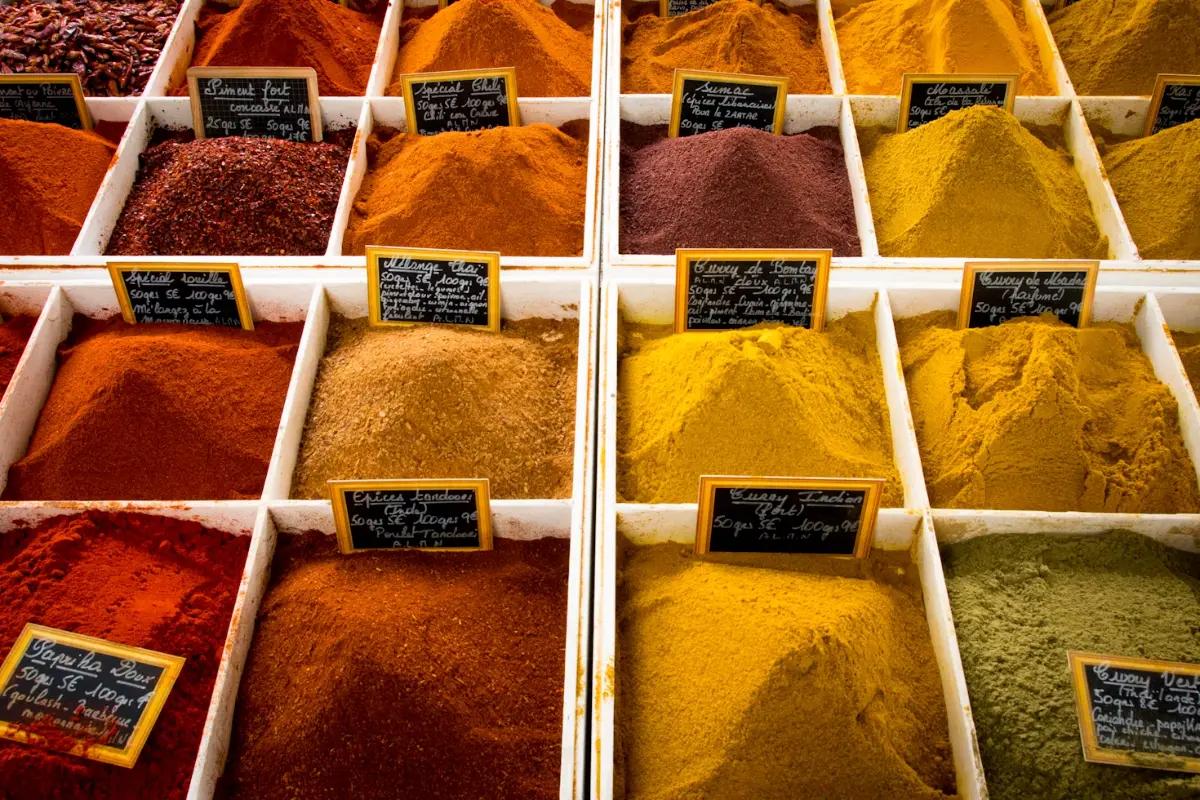
香料行业涵盖全球范围内种植、加工、贸易和销售芳香或辛辣植物物质(主要用于调味、增香和保存食品)的商业活动。它是全球食品供应链的基石,连接着农业生产者与消费者及全球主要食品制造商。该行业的产品种类繁多,可按形态和用途分类:1. 整粒香料:指干燥的种子、浆果、根、树皮或叶子,处于天然未加工状态。例如肉桂棒、八角、丁香和孜然粒。它们保质期最长,新鲜研磨时风味最浓郁。2. 研磨/粉状香料:将整粒香料干燥后研磨成细粉,如辣椒粉、姜黄粉和蒜粉。这种形式提供最大便利性,因其易于混合和分散,在家庭和工业使用中占主导地位。3. 调味料混合物:为特定菜系或菜肴预混合的各种研磨香料和香草组合,如五香粉、咖喱粉或烧烤调味料。它们简化烹饪并确保风味一致。4. 加工香料产品:包括增值产品,如腌料、酱料、酱汁和装饰配料(如脆炸蒜、烤芝麻),将香料整合成即用形式,供消费者和餐饮服务业使用。
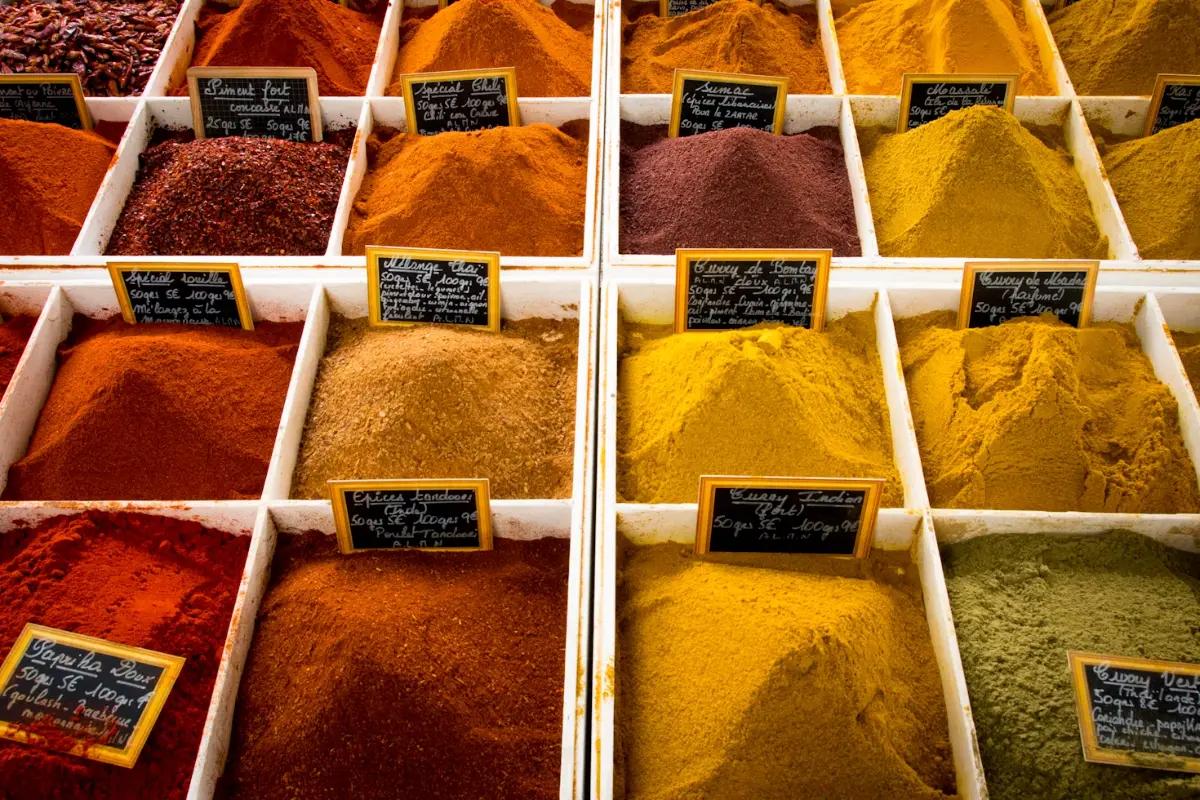
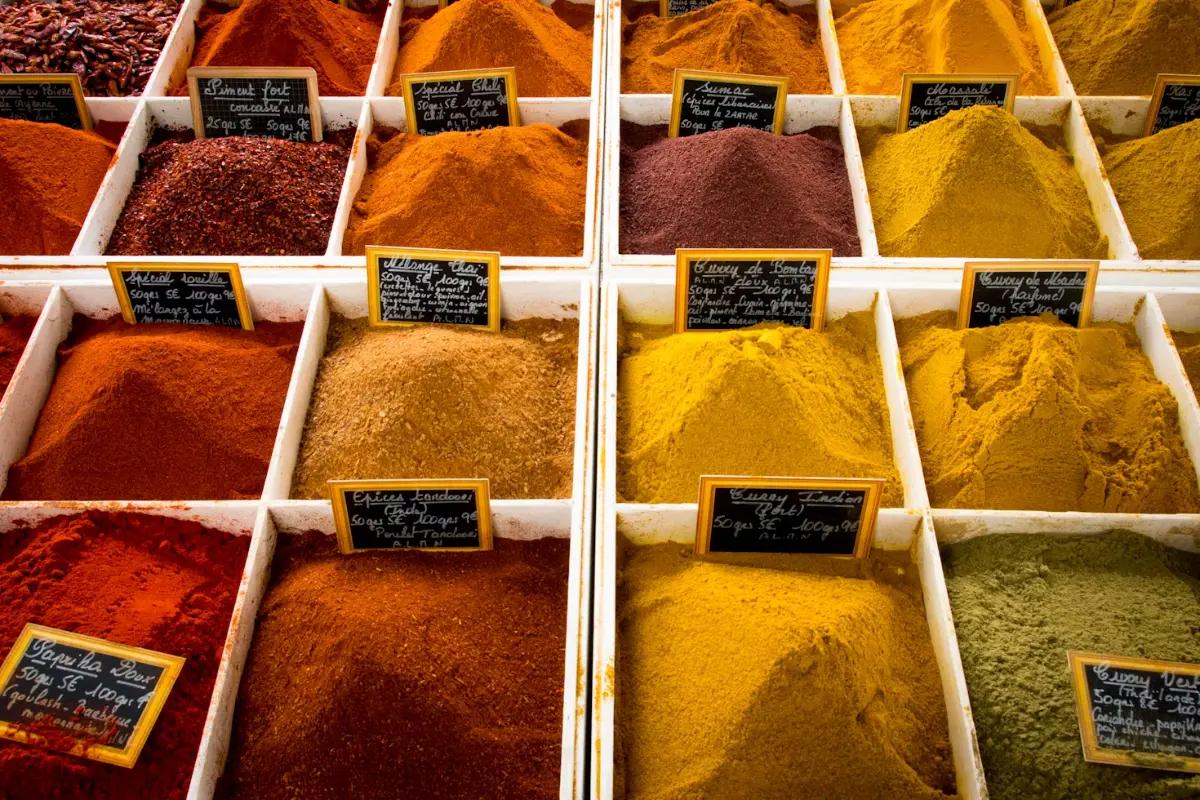
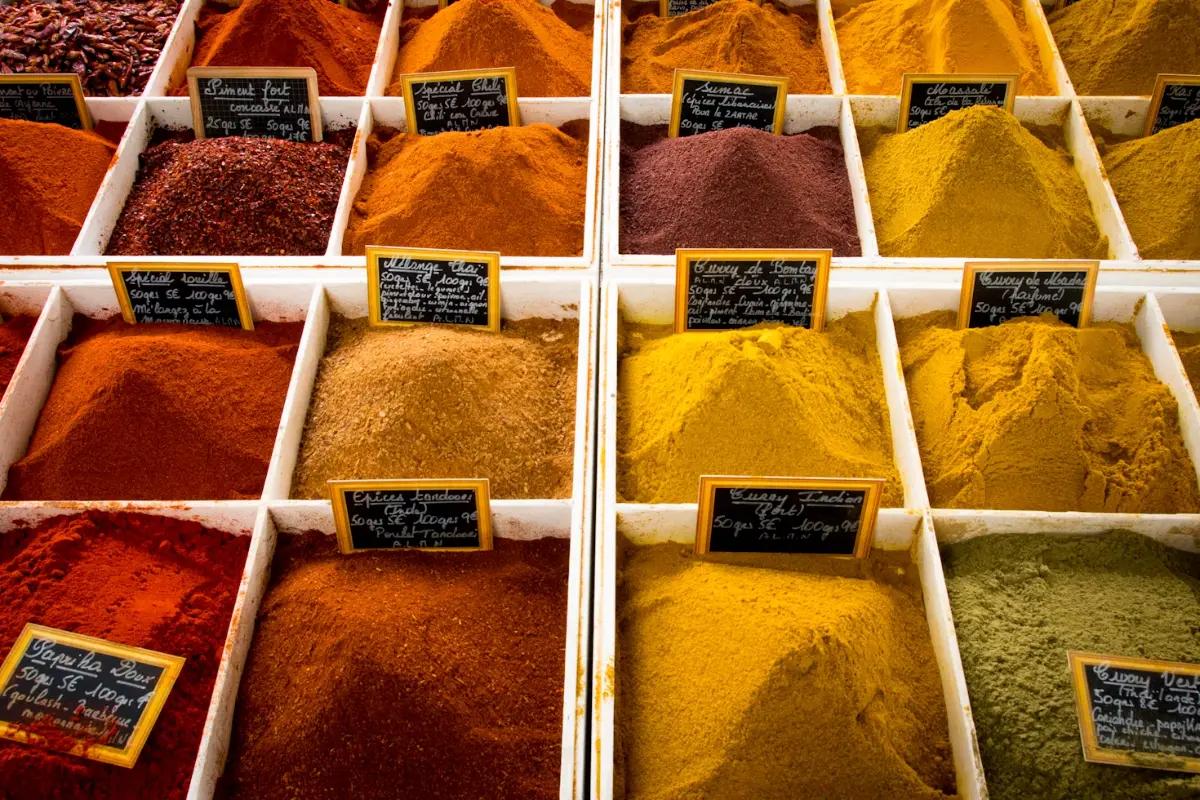
The spices industry encompasses the global business of cultivating, processing, trading, and selling aromatic or pungent plant substances primarily used to season, flavor, and preserve food. It’s a cornerstone of the global food supply chain, connecting agricultural producers with consumers and major food manufacturers worldwide. The industry’s products are diverse and can be categorized by their form and use: 1. Whole Spices: These are dried seeds, berries, roots, barks, or leaves in their natural, unprocessed state. Examples include cinnamon sticks, star anise, cloves, and cumin seeds. They offer the longest shelf life and most potent flavor when freshly ground. 2. Ground\/ Powdered Spices: These are whole spices that have been dried and milled into fine powders, such as chili powder, turmeric powder, and garlic powder. This form offers maximum convenience and is dominant in both household and industrial use for its ease of blending and dispersion. 3. Seasoning Mixes & Blends: These are pre-mixed combinations of various ground spices and herbs designed for specific cuisines or dishes, like Five-Spice Powder, Curry Powder, or barbecue seasoning. They simplify cooking and ensure flavor consistency. 4. Processed Spice Products: This category includes value-added items like marinades, paste, sauces, and garnishes (e.g., crispy fried garlic, toasted sesame seeds), which integrate spices into ready-to-use formats for consumers and the food service industry.
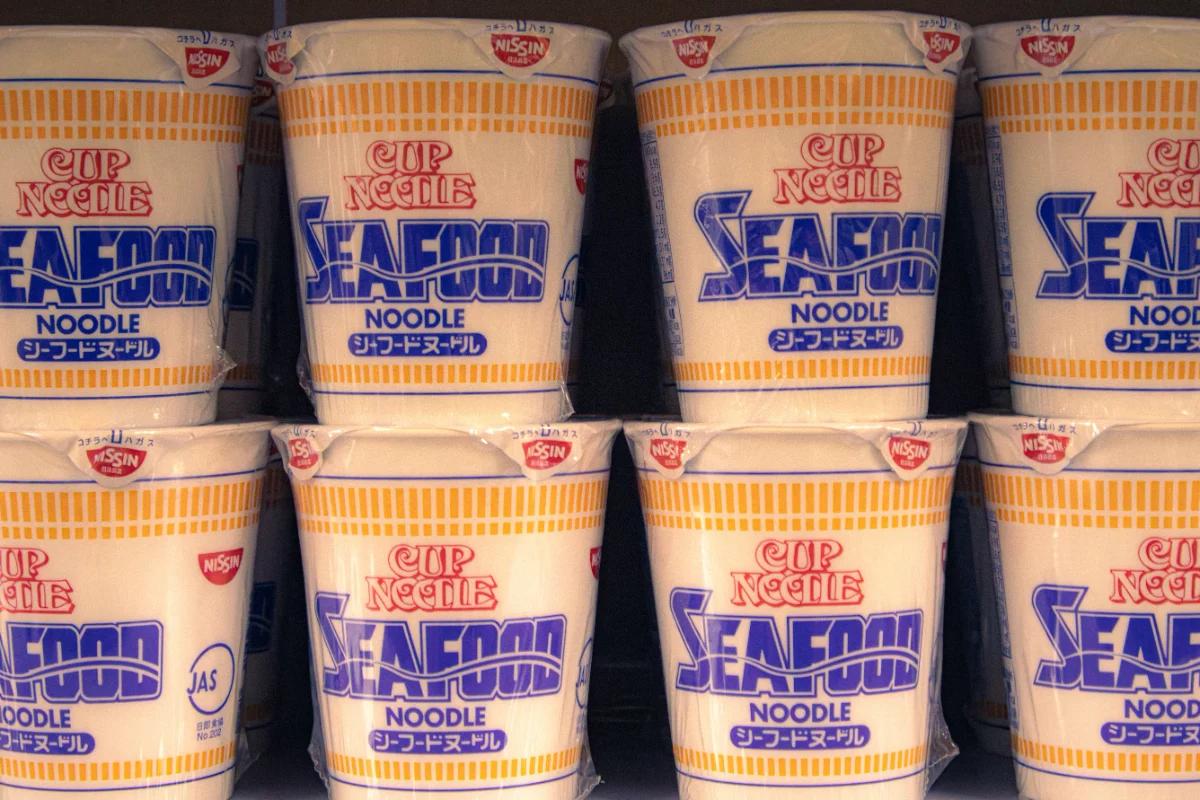
香料在全球食品领域无处不在,在多个行业中发挥着关键作用:1. 食品加工与制造业:这是最大的应用领域。香料及其提取物是各种包装食品的基本成分,包括咸味零食(薯片、饼干)、加工肉类(香肠、熟食肉)、方便面、汤、酱料、即食餐和烘焙产品。它们在大规模生产中提供一致的风味、颜色和防腐特性。2. 餐饮服务业:酒店业严重依赖香料进行菜单开发。从快餐连锁店(如汉堡调味料、炸鸡面糊)到高级餐厅,香料是创造招牌菜和保持各分店标准食谱的基础。3. 家庭/零售消费:这是消费者最熟悉的领域。零售货架上摆满了包装好的整粒香料、研磨香料和家庭烹饪用的调味料混合物。这一趋势偏向于优质、有机、单一产地和便捷的混合香料。4. 食品以外的其他行业:由于香料提取物和精油具有潜在的抗氧化、抗炎或芳香特性的生物活性化合物,它们也被用于制药、化妆品(香水、护肤品)和保健品行业。
Spices are ubiquitous in the global food landscape, serving critical functions across multiple sectors: 1. Food Processing & Manufacturing: This is the largest application segment. Spices and their extracts are essential ingredients in a vast array of packaged foods, including savory snacks (chips, crackers), processed meats (sausages, deli meats), instant noodles, soups, sauces, ready-to-eat meals, and bakery products. They provide consistent flavor, color, and preservation qualities at an industrial scale. 2. Food Service & Restaurants: The hospitality industry relies heavily on spices for menu development. From fast-food chains (e.g., burger seasoning, fried chicken batter) to fine dining establishments, spices are fundamental in creating signature dishes and maintaining standard recipes across locations. 3. Household\/ Retail Consumption: This is the most visible segment for consumers. Retail shelves are stocked with packaged whole spices, ground spices, and seasoning blends for home cooking. The trend here is towards premium, organic, single-origin, and convenient blends. 4. Beyond Food – Other Industries: Spice extracts and essential oils are also used in the pharmaceutical, cosmetics (perfumery, skincare), and nutraceutical industries due to their bioactive compounds with potential antioxidant, anti-inflammatory, or aromatic properties.
香料市场以其波动性著称。几个关键因素可能导致价格大幅波动和供应中断:1. 气候条件与天气事件:香料是农产品。主要产区(如印度、越南、巴西)的干旱、洪水、非季节性降雨或风暴可能严重损害作物,导致收成减少和价格飙升。2. 地缘政治与贸易动态:生产国或过境国的出口限制、关税、政治不稳定或物流瓶颈可能扰乱全球供应链。主要经济体之间贸易政策的变化直接影响香料贸易流量和成本。3. 季节性与收获周期:大多数香料有特定的年度收获期。价格通常在收获后最低,随着库存减少,在下一个收获前全年可能上涨。4. 质量分级与掺假风险:价格因质量(如颜色、辛辣度、精油含量)、产地和纯度而差异巨大。在复杂的供应链中,掺假风险(混入劣质产品或填充物)也影响市场信任和经过验证的高质量产品的定价。5. 全球需求变化:消费者对民族美食、天然风味和功能性食品的兴趣上升可能增加对特定香料的需求,给价格带来上行压力。相反,经济衰退可能使需求疲软。
The spice market is known for its volatility. Several key factors can cause significant price fluctuations and supply disruptions: 1. Climatic Conditions & Weather Events: Spices are agricultural commodities. Droughts, floods, unseasonal rains, or storms in major producing regions (e.g., India, Vietnam, Brazil) can severely damage crops, leading to reduced harvests and price spikes. 2. Geopolitical & Trade Dynamics: Export restrictions, tariffs, political instability, or logistical bottlenecks in producing or transit countries can disrupt global supply chains. Changes in trade policies between major economies directly impact spice trade flows and costs. 3. Seasonality & Harvest Cycles: Most spices have specific annual harvest periods. Prices are typically lowest just after harvest and may rise as stocks diminish throughout the year until the next harvest. 4. Quality Grading & Adulteration Risks: Prices vary drastically based on quality (e.g., color, pungency, essential oil content), origin, and purity. The risk of adulteration (mixing with inferior products or fillers) in complex supply chains also affects market trust and pricing for verified, high-quality products. 5. Global Demand Shifts: Rising consumer interest in ethnic cuisines, natural flavors, and functional foods can increase demand for specific spices, putting upward pressure on prices. Conversely, economic downturns may soften demand.
该行业正在快速发展,受消费者偏好变化和技术进步的推动:1. 健康与保健关注:对已知具有潜在健康益处的香料(如姜黄中的姜黄素具有抗炎特性,生姜有助于消化)的需求日益增长。这推动了它们在保健品和功能性食品中的应用。有机和清洁标签香料(不含合成添加剂)正经历强劲增长。2. 便利性与产品创新:消费者和食品制造商寻求更易使用的形式。研磨香料和预制混合香料仍占主导地位,而香料酱、腌料套装和单份包装等新形式因其便利性和份量控制而越来越受欢迎。3. 可持续性与可追溯性:消费者和企业买家越来越关注道德采购、公平贸易实践和环境影响。区块链等技术正在试点,以增强供应链透明度,实现从农场到货架的追踪,确保真实性和可持续实践。4. 风味探索与融合:全球化拓宽了人们的味蕾。对正宗区域香料混合物(如日本的七味唐辛子、埃塞俄比亚的Berbere)以及将传统香料与现代烹饪趋势相结合的创新融合风味的兴趣日益浓厚。
The industry is evolving rapidly, driven by changing consumer preferences and technological advancements: 1. Health & Wellness Focus: There is growing demand for spices known for their potential health benefits, such as turmeric (curcumin) for anti-inflammatory properties and ginger for digestion. This drives their use in nutraceuticals and functional foods. Organic and clean-label spices (free from synthetic additives) are experiencing strong growth. 2. Convenience & Product Innovation: Consumers and food manufacturers seek easier-to-use formats. Ground spices and ready-made blends continue to dominate, while new formats like spice pastes, marinade kits, and single-serve packets are gaining popularity for their convenience and portion control. 3. Sustainability & Traceability: Consumers and B2B buyers increasingly care about ethical sourcing, fair trade practices, and environmental impact. Technologies like blockchain are being piloted to enhance supply chain transparency, allowing tracking from farm to shelf to ensure authenticity and sustainable practices. 4. Flavor Exploration & Fusion: Globalization has expanded palates. There is rising interest in authentic regional spice blends (e.g., Shichimi Togarashi from Japan, Berbere from Ethiopia) and innovative fusion flavors that combine traditional spices with modern culinary trends.
全球香料产业的地理分布格局独特,受原材料获取、制造传统、劳动力成本和市场距离等因素影响。
1. 印度:全球最大的生产国和出口国,被誉为“香料之国”。主要中心在喀拉拉邦(胡椒、小豆蔻)和拉贾斯坦邦(孜然、香菜)。
2. 越南:全球最大的黑胡椒出口国,也是肉桂/桂皮的主要生产国。
3. 中国:生姜、大蒜、辣椒、花椒的主要生产国。
4. 印度尼西亚:肉豆蔻/肉豆蔻皮、丁香和白胡椒的主要生产国。
5. 斯里兰卡与马达加斯加:分别以锡兰肉桂和香草闻名——优质香料的原产地。
战略启示:在香料行业,成功的采购需要了解区域专业化,并维持多元化的采购策略,以平衡成本、质量、交货时间和地缘政治风险。可持续认证和供应链透明度正日益成为进入高端市场的先决条件。
The global spices industry has a distinctive geographic footprint shaped by raw material access, manufacturing heritage, labor costs, and market proximity.
1. India: World''s largest producer and exporter — known as the "Land of Spices." Major hub in Kerala (pepper, cardamom), Rajasthan (cumin, coriander).
2. Vietnam: #1 black pepper exporter globally, major cassia/cinnamon producer.
3. China: Major producer of ginger, garlic, chili, Sichuan pepper.
4. Indonesia: Leading nutmeg/mace, cloves, and white pepper producer.
5. Sri Lanka & Madagascar: Ceylon cinnamon and vanilla respectively — premium spice origins.
Strategic Implications: Successful procurement in the spices industry requires understanding regional specialization and maintaining diversified sourcing strategies that balance cost, quality, lead time, and geopolitical risk. Sustainability certifications and supply chain transparency are increasingly becoming prerequisites for market access in premium segments.