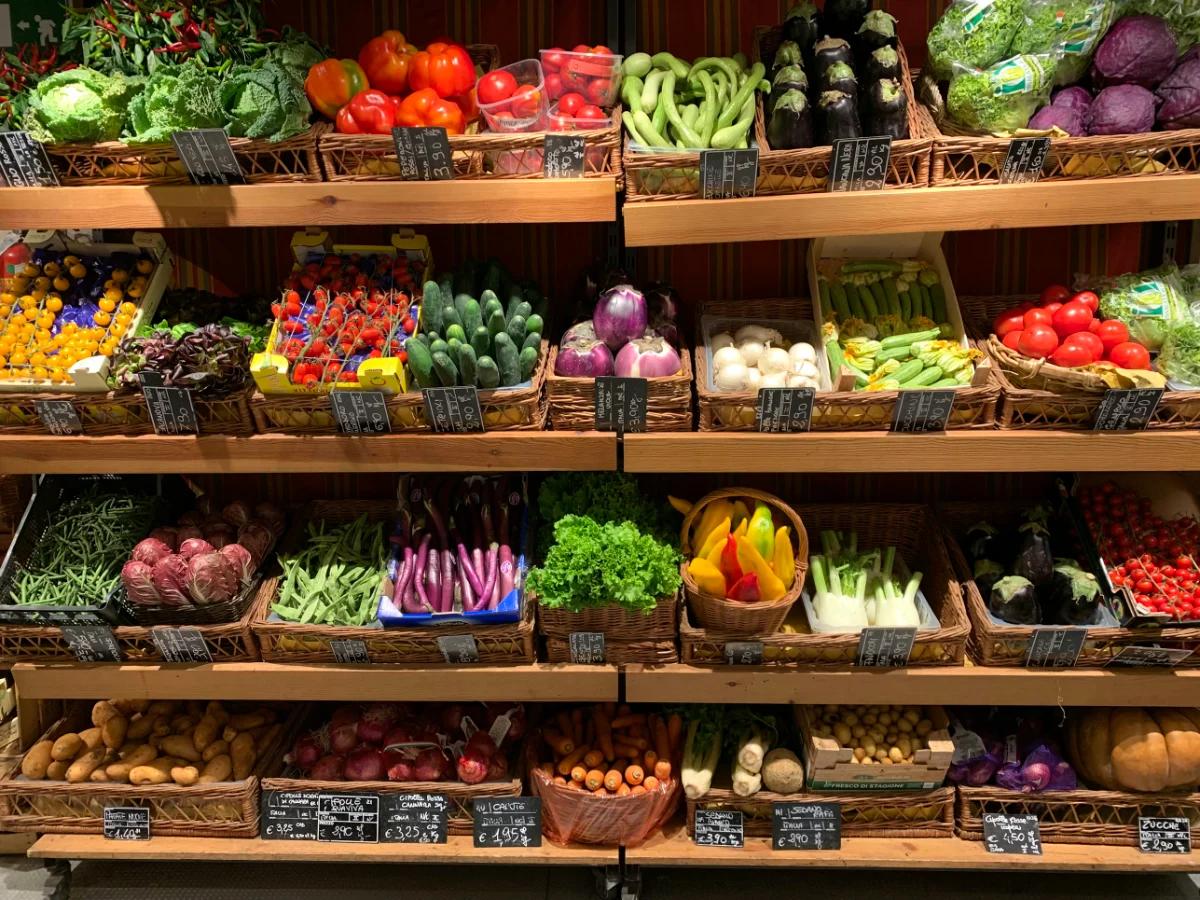
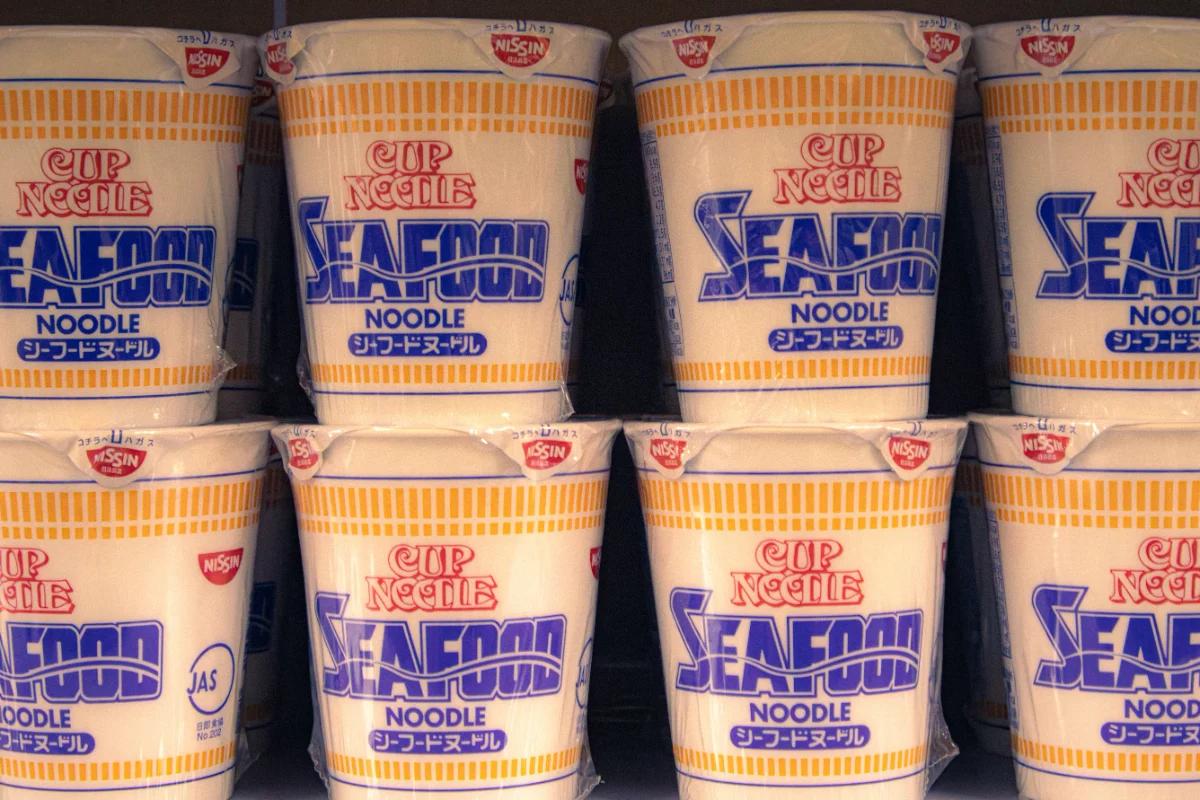
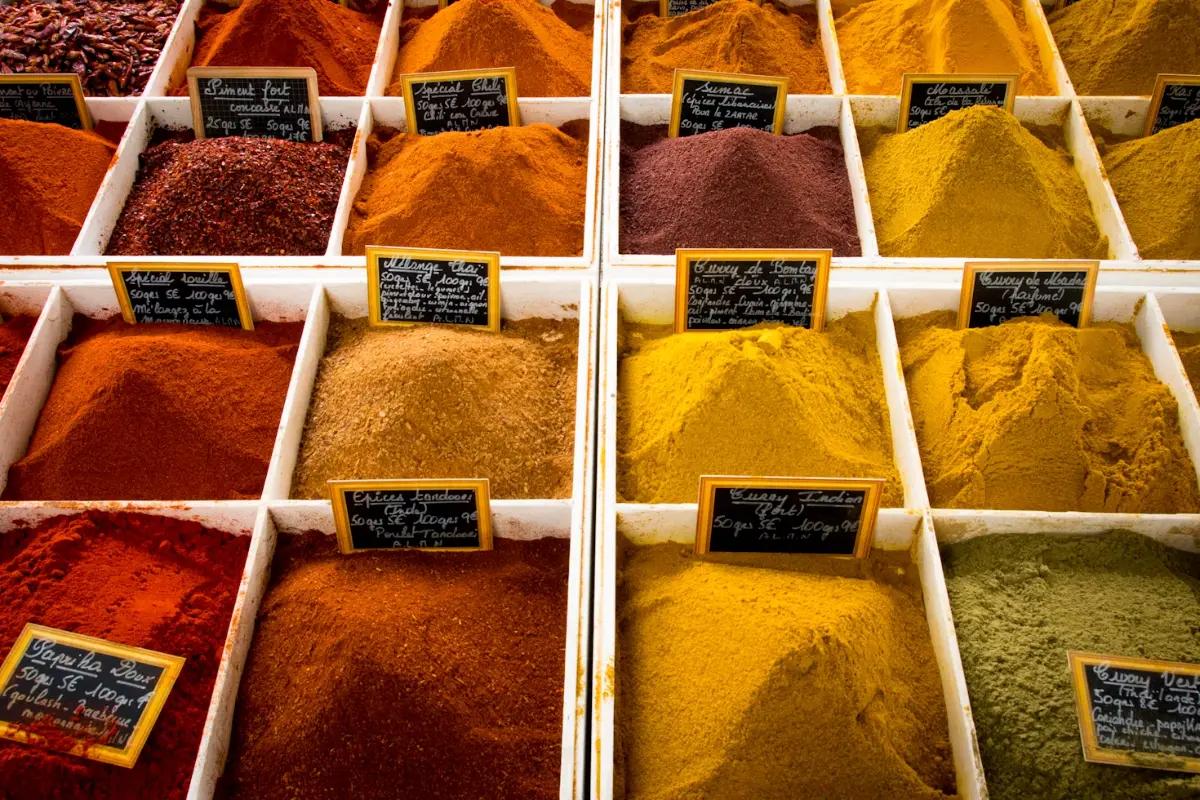
方便食品行业是一个庞大的生态系统,远不止简单的杯面。它涵盖了各种只需极少准备时间的产品。主要类别包括即食餐(如自热火锅和冷冻水饺)、调味料(如酱料和咖喱套装)、罐头食品(从午餐肉到汤品)、各种形式的方便面和意面,甚至还有细分领域如早餐解决方案、甜味即食甜品和代餐奶昔。这种多样性几乎满足了所有饮食需求和烹饪偏好,提供了无与伦比的便利性。
The instant food industry is a vast ecosystem far beyond simple cup noodles. It encompasses a wide range of products designed for minimal preparation time. Key categories include ready-to-eat meals like self-heating hot pots and frozen dumplings; meal bases such as sauce and curry kits; canned goods from luncheon meat to soups; instant noodles and pasta in various forms; and even specialized segments like breakfast solutions, sweet instant desserts, and meal replacement shakes. This diversity caters to nearly every dietary need and culinary preference, offering unparalleled convenience.
技术是提升方便食品质量的关键驱动力。创新涵盖生产和包装两方面。在生产中,非油炸面条技术和单体速冻(IQF)能更好地保留营养和口感。先进的调味技术,如将副产品转化为营养配料,增加了产品价值。包装突破包括无需外部工具的自热包装,以及易撕调味包等用户友好设计。这些技术进步共同提升了最终产品的营养价值、口感、新鲜度和整体便利性,缩小了与新鲜烹饪食品的差距。
Technology is a key driver in elevating instant food quality. Innovations span production and packaging. In production, Non-fried noodle technology and Individual Quick Freezing (IQF) better preserve nutrients and texture. Advanced seasoning techniques, like turning by-products into nutritious ingredients, add value. Packaging breakthroughs include self-heating packages that require no external tools, and user-friendly designs like easy-tear seasoning sachets. These technological advancements collectively enhance the nutritional value, taste, freshness, and overall convenience of the final product, closing the gap with freshly prepared meals.
方便食品行业受多个关键因素影响,这些因素决定了竞争成败——从原材料质量和制造技术,到法规合规性和市场定位。
1. 产品创新:低钠、清洁标签和功能性配料(益生菌、蛋白质强化)的更健康配方正在推动品类增长。
2. 制造技术:先进的脱水技术(冻干、真空油炸)、蒸煮袋技术和充氮包装在保持品质的同时延长保质期。
3. 供应链效率:快速生产周期、高效分销网络和电商整合对以便利为导向的市场至关重要。
4. 食品安全:HACCP、ISO 22000认证和严格的微生物控制对于即食和方便产品是不可妥协的。
质量标准:方便食品行业的领先公司通常以ISO 9001认证为基准,许多公司还持有行业特定认证。产品检测、材料可追溯性和第三方检验是重要的质量保证实践。全球主要买家和监管机构越来越要求可持续性认证。
The instant food industry is shaped by several critical factors that determine competitive success — from raw material quality and manufacturing technology to regulatory compliance and market positioning.
1. Product Innovation: Healthier formulations with reduced sodium, cleaner labels, and functional ingredients (probiotics, protein enrichment) are driving category growth.
2. Manufacturing Technology: Advanced dehydration (freeze-drying, vacuum frying), retort pouch technology, and nitrogen-flushed packaging extend shelf life while preserving quality.
3. Supply Chain Efficiency: Rapid production cycles, efficient distribution networks, and e-commerce integration are critical for the convenience-driven market.
4. Food Safety: HACCP, ISO 22000 certification, and strict microbiological controls are non-negotiable for ready-to-eat and instant products.
Quality Standards: Leading companies in the instant food sector typically hold ISO 9001 certification as a baseline, with many also maintaining industry-specific certifications. Product testing, material traceability, and third-party inspection are essential quality assurance practices. Sustainability certifications are increasingly required by major buyers and regulators worldwide.
采购方便食品需要对供应商能力、质量体系、成本结构和合规资质进行全面评估。
1. 产品范围与创新:评估供应商的研发能力——他们能否开发定制配方?是否紧跟食品趋势(植物基、功能性、清洁标签)?
2. 制造标准:验证HACCP、ISO 22000、BRC认证。检查生产设施的卫生状况、自动化水平和质量控制流程。
3. 包装与保质期:评估包装质量(密封完整性、阻隔性能)、保质期声明和储存要求。要求提供加速保质期测试数据。
4. 供应可靠性:评估生产能力、交货时间、最小起订量和备用生产能力。
5. 法规合规性:验证供应商能否满足目标市场的标签、营养和食品安全要求。
关键建议:尽可能参观供应商工厂,要求并验证第三方认证,在承诺大批量之前先进行试订单,与多个合格供应商建立关系以降低集中风险。在采购协议中明确质量规格和检验规程。
Sourcing instant food products requires thorough evaluation of supplier capabilities, quality systems, cost structures, and compliance credentials.
1. Product Range & Innovation: Evaluate the supplier''s R&D capability — can they develop customized formulations? Do they follow food trends (plant-based, functional, clean label)?
2. Manufacturing Standards: Verify HACCP, ISO 22000, BRC certification. Inspect production facilities for hygiene, automation level, and quality control processes.
3. Packaging & Shelf Life: Assess packaging quality (seal integrity, barrier properties), shelf life claims, and storage requirements. Request accelerated shelf life testing data.
4. Supply Reliability: Evaluate production capacity, lead times, minimum order quantities, and backup production capabilities.
5. Regulatory Compliance: Verify the supplier can meet labeling, nutritional, and food safety requirements for your target markets.
Key Recommendations: Visit supplier facilities when possible, request and verify third-party certifications, start with trial orders before committing to large volumes, and build relationships with multiple qualified suppliers to reduce concentration risk. Establish clear quality specifications and inspection protocols in purchase agreements.
全球方便食品产业的地理分布格局独特,受原材料获取、制造传统、劳动力成本和市场 proximity 等因素影响。
1. 中国:全球最大的方便食品市场——顶新/康师傅、统一、今麦郎、白象。
2. 日本和韩国:先驱和创新者——日清、东洋水产(Maruchan)、农心、三养、Ottogi。
3. 东南亚:印多福(印度尼西亚)、Mama(泰国)、Acecook(越南)——强大的区域品牌。
4. 印度:雀巢印度(美极)、ITC(Yippee!)、CG Foods(Wai Wai)——快速增长的市场。
5. 美国:金宝汤、卡夫亨氏、康尼格拉——冷冻餐和速食汤品类。
战略启示:在方便食品行业成功采购需要了解区域专业化,并维持多元化的采购策略,以平衡成本、质量、交货时间和地缘政治风险。可持续性认证和供应链透明度正日益成为进入高端市场的先决条件。
The global instant food industry has a distinctive geographic footprint shaped by raw material access, manufacturing heritage, labor costs, and market proximity.
1. China: World''s largest instant food market — Tingyi/Master Kong, Uni-President, Jinmailang, Baixiang.
2. Japan & South Korea: Pioneers and innovators — Nissin, Toyo Suisan (Maruchan), Nongshim, Samyang, Ottogi.
3. Southeast Asia: Indofood (Indonesia), Mama (Thailand), Acecook (Vietnam) — strong regional brands.
4. India: Nestlé India (Maggi), ITC (Yippee!), CG Foods (Wai Wai) — rapidly growing market.
5. United States: Campbell Soup, Kraft Heinz, Conagra — frozen meals and instant soup segments.
Strategic Implications: Successful procurement in the instant food industry requires understanding regional specialization and maintaining diversified sourcing strategies that balance cost, quality, lead time, and geopolitical risk. Sustainability certifications and supply chain transparency are increasingly becoming prerequisites for market access in premium segments.