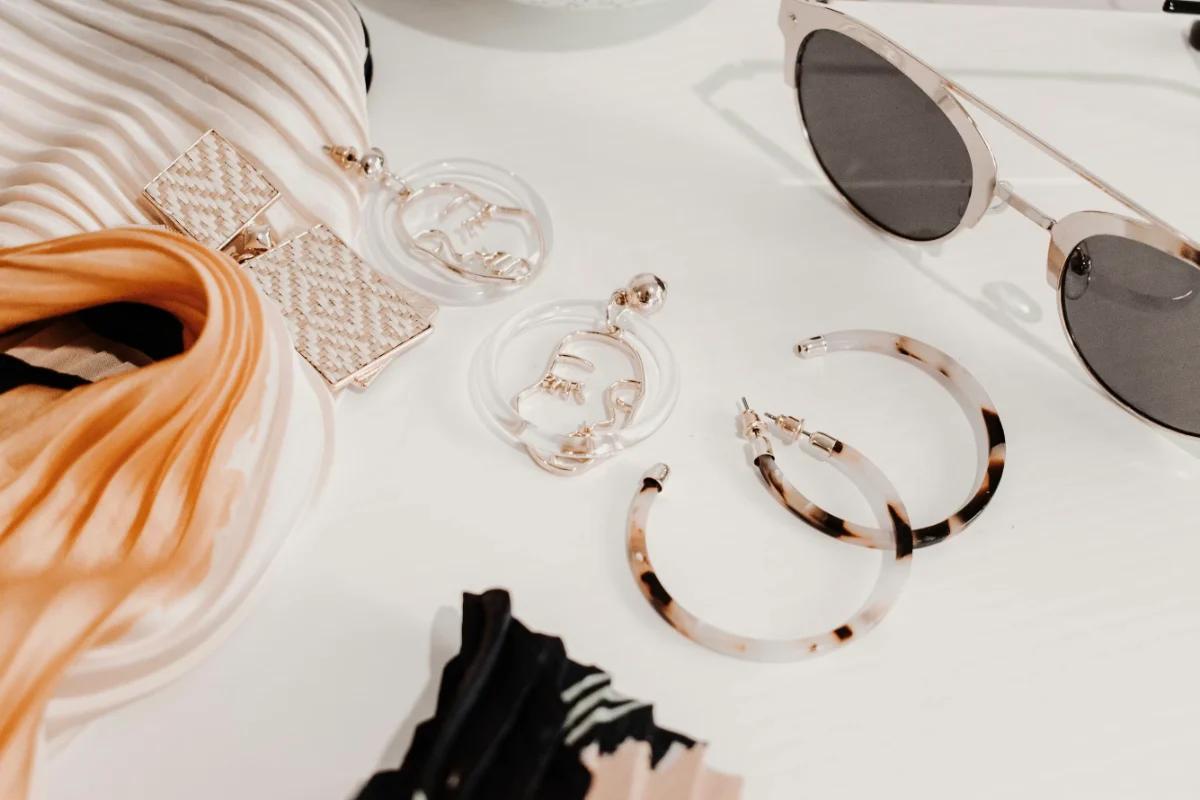
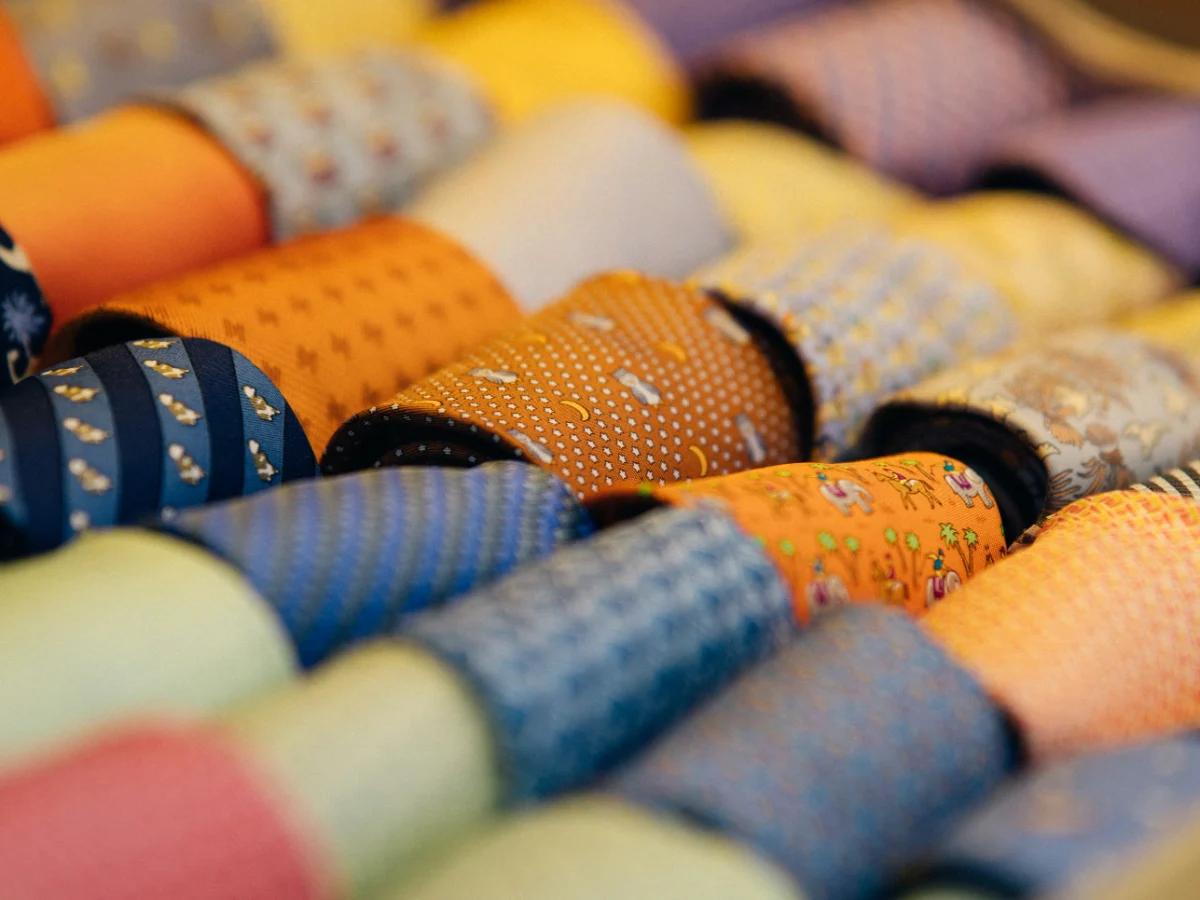
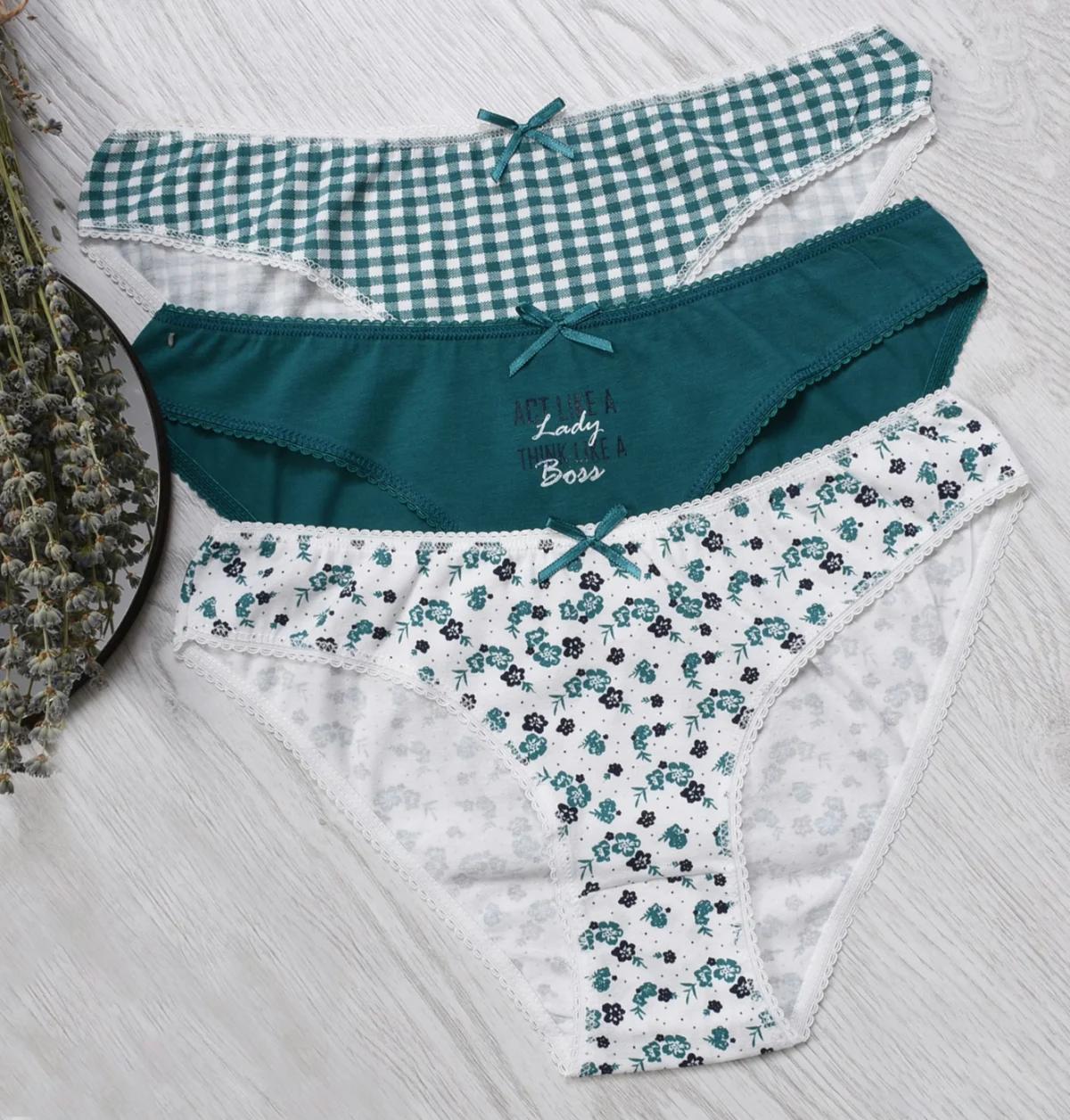
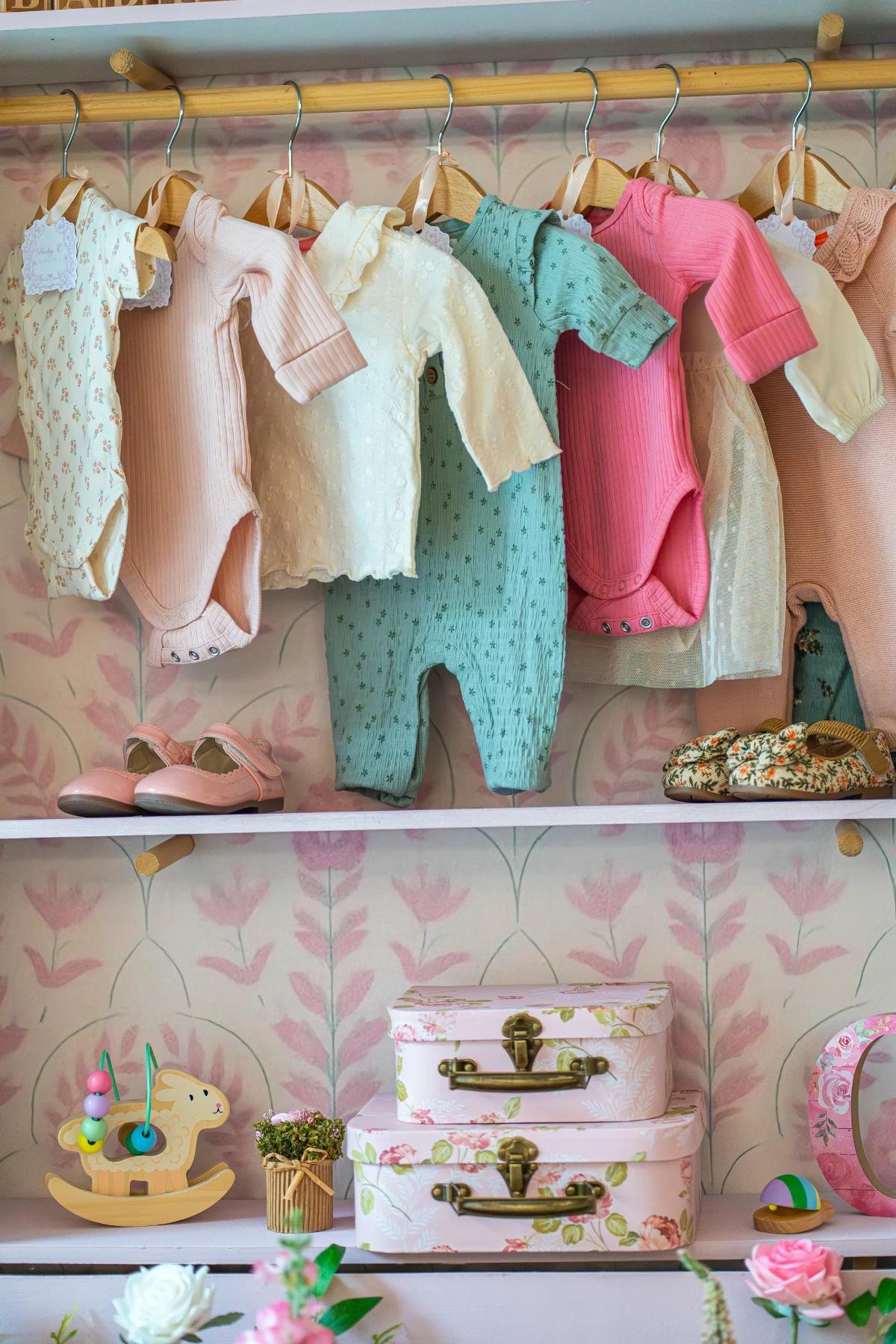
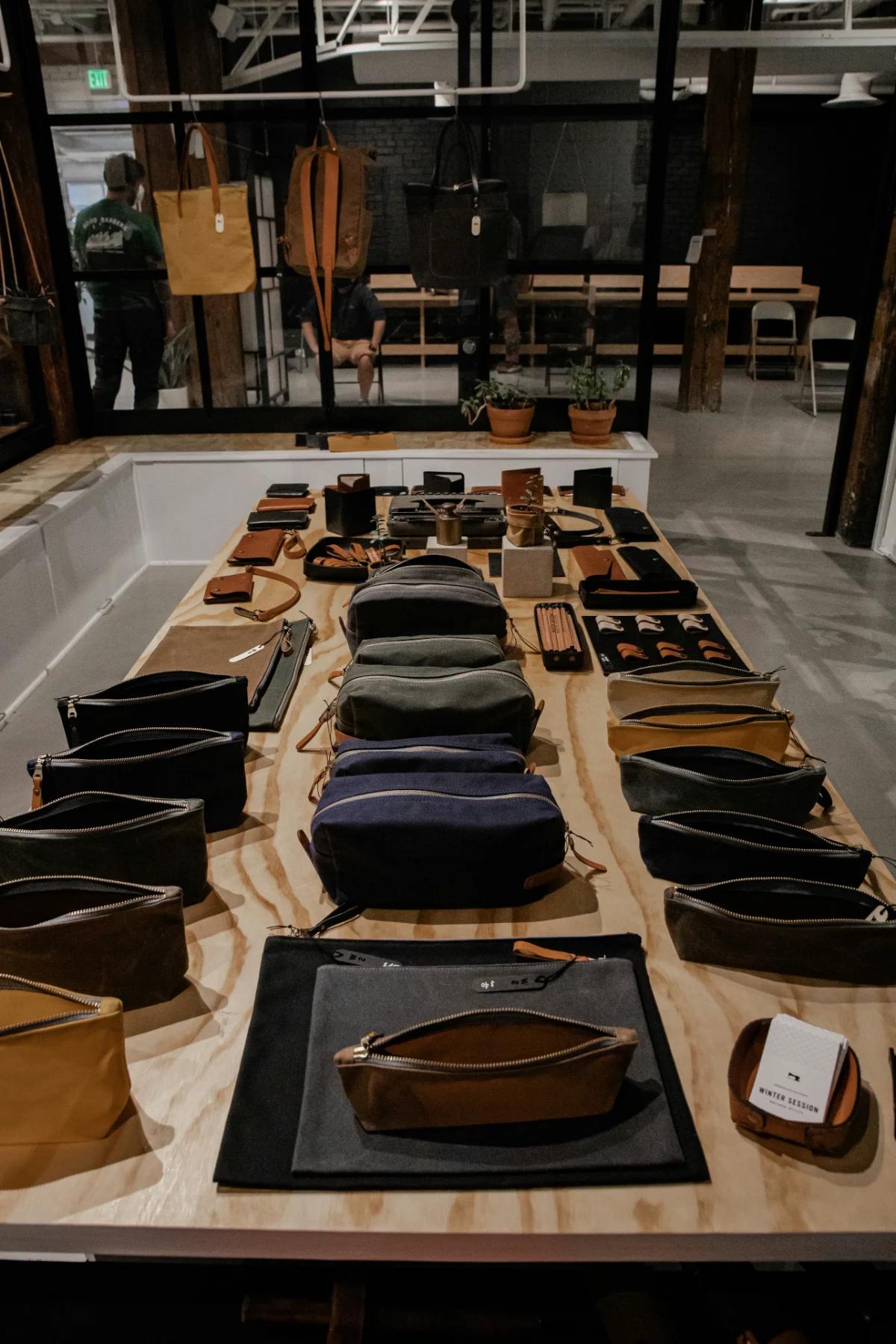
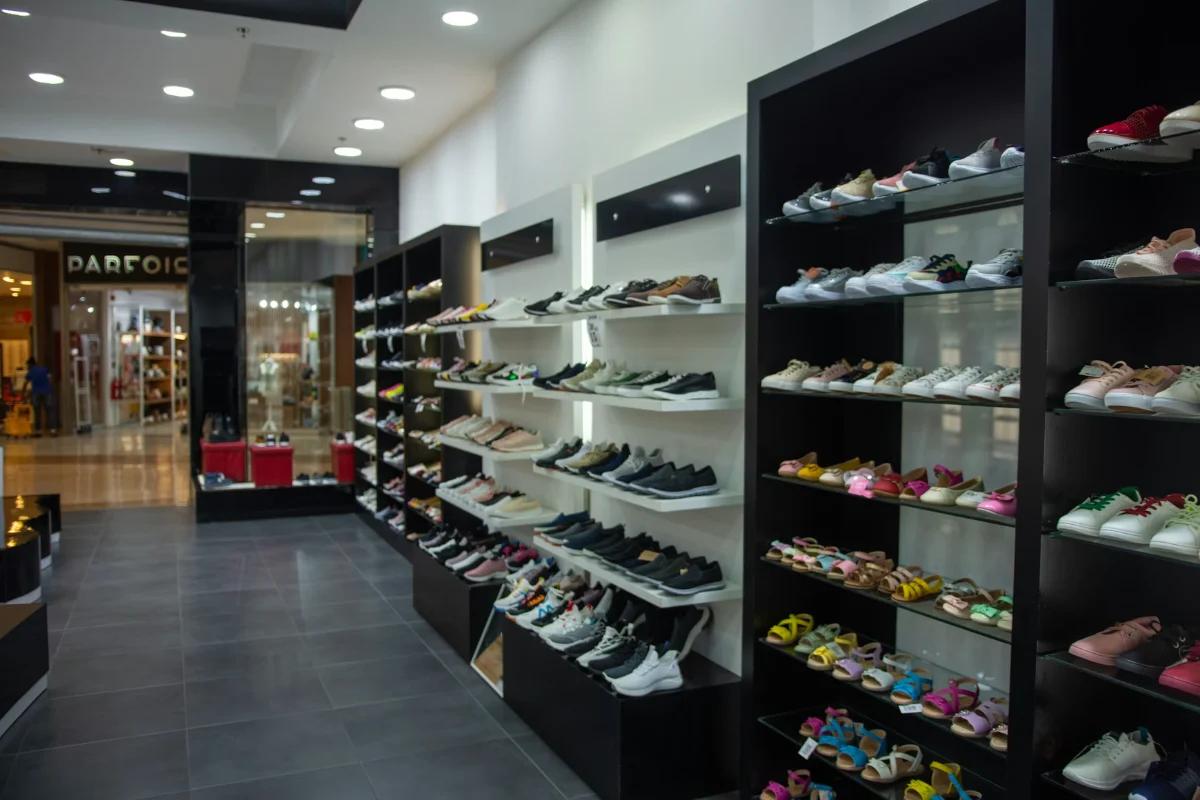
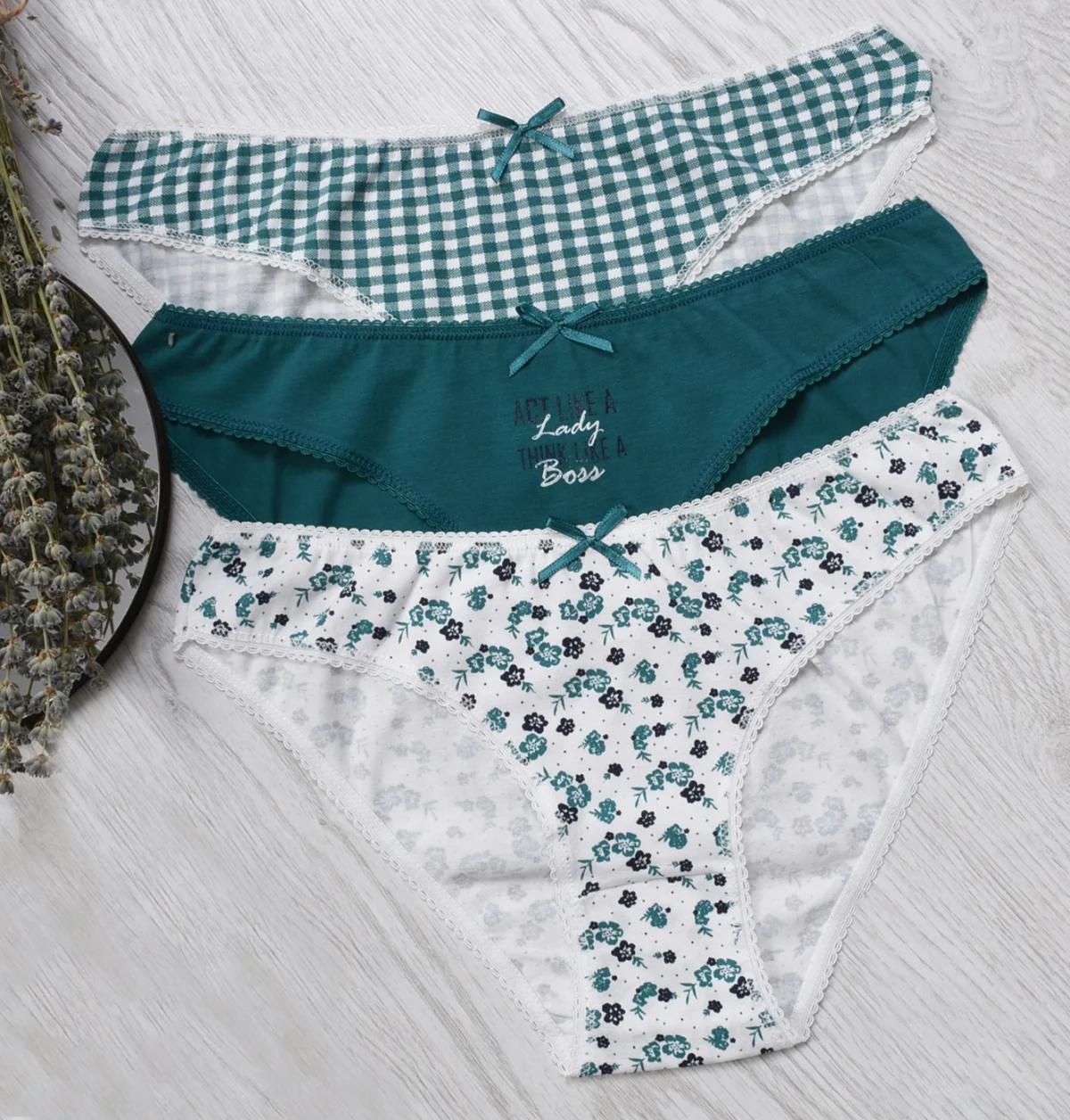
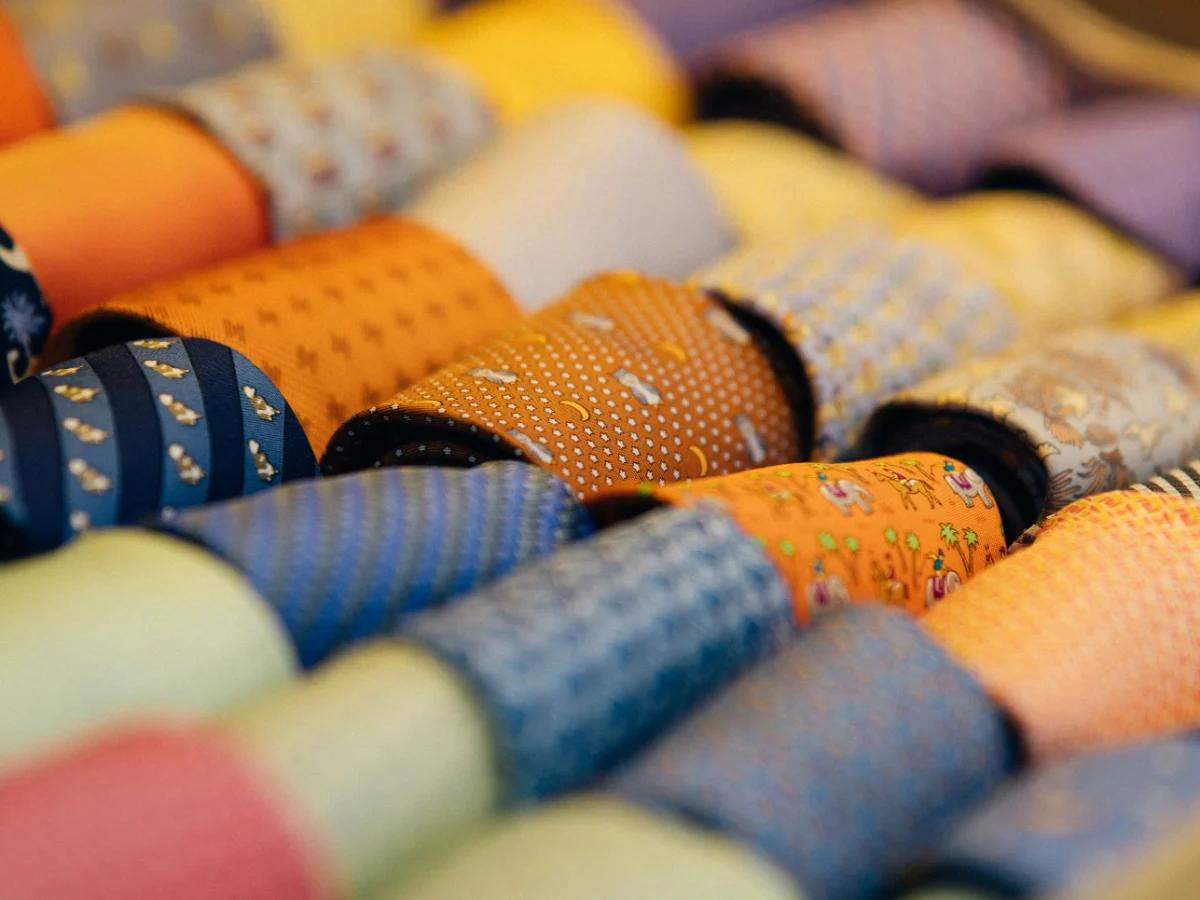
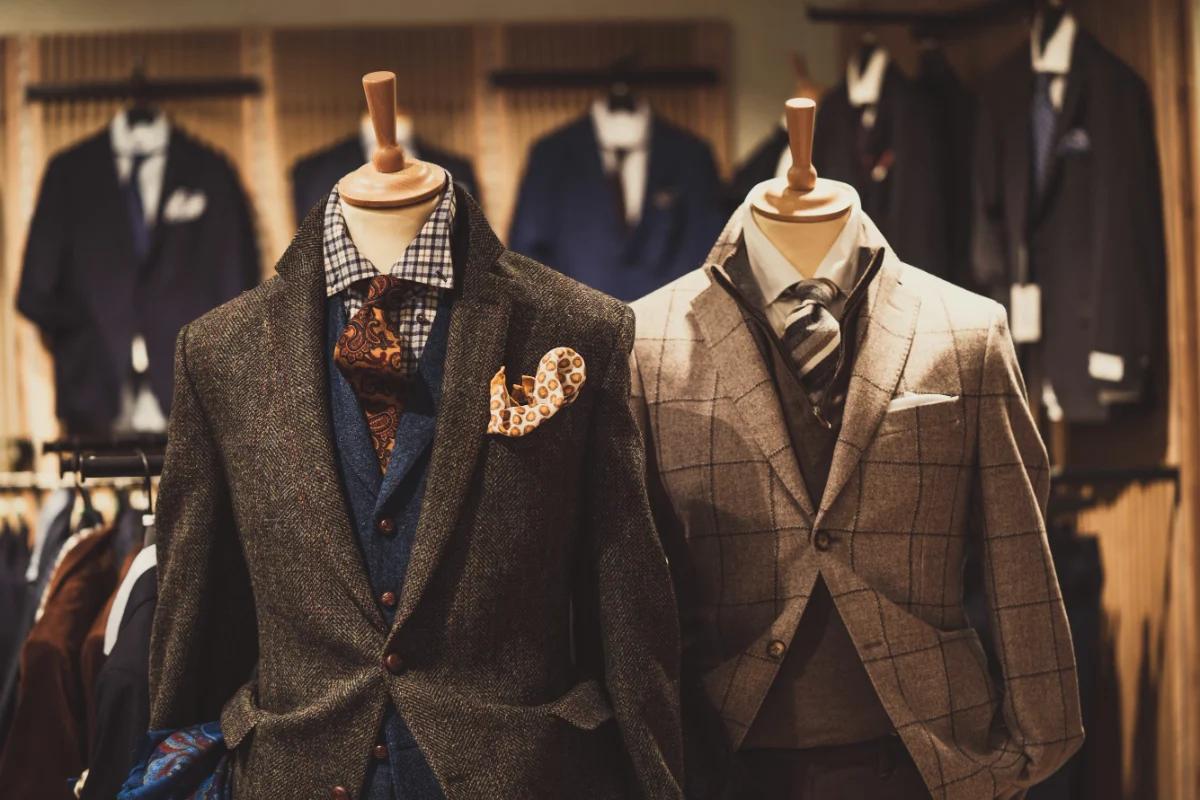
时尚配饰行业涵盖设计、制造和营销用于搭配服装(除核心服装和鞋类外)的物品。这是一个庞大的生态系统,专注于装饰、风格增强和附加功能。产品范围覆盖全身:从帽子、发饰等头饰,到围巾、领带等颈饰,到腰带等腰部物品,再到手套、手链等腕手配件。还包括功能性物品(如胸针、袖扣)和高端合作系列。该行业处于创意、工艺、材料创新和消费趋势的交汇点,代表全球时尚领域一个动态且高价值的细分市场。
The Fashion Accessories Industry encompasses the design, manufacturing, and marketing of items that complement an outfit beyond core apparel and footwear. It’s a vast ecosystem focused on adornment, style enhancement, and added functionality. Products range across the body: from headwear like caps and hair accessories, to neckwear like scarves and ties, to waist items like belts, and wrist\/hand accessories like gloves and bracelets. It also includes functional items (e.g., brooches, cufflinks) and high-end collaborative collections. This industry sits at the intersection of creativity, craftsmanship, material innovation, and consumer trends, representing a dynamic and high-value segment of the global fashion landscape.
时尚配饰市场是一个价值数十亿美元的全球性行业,增长强劲。其重要性是多方面的:对消费者而言,配饰提供了一种经济实惠的方式来更新外观和表达个性。对品牌而言,配饰线(如皮具、围巾)通常是高利润的“入门”产品,显著推动收入。对更广泛的时尚生态系统而言,配饰充当趋势的“测试者”和“放大器”,常常引入新的颜色、图案或廓形。此外,该行业推动供应链创新,从奢侈品皮革工艺和精密金属铸造到可持续材料的开发,使其成为全球时尚经济的重要引擎。
The fashion accessories market is a multi-billion-dollar global sector with robust growth. Its significance is multi-faceted: For consumers, accessories offer a cost-effective way to refresh looks and express individuality. For brands, accessory lines (e.g., leather goods, scarves) are often high-margin “entry-point” products that significantly drive revenue. For the broader fashion ecosystem, accessories act as trend “testers” and “amplifiers,” often introducing new colors, patterns, or silhouettes. Furthermore, the industry fuels innovation across supply chains, from luxury leatherworking and precision metal casting to the development of sustainable materials, making it a vital engine of the global fashion economy.
该行业的增长由几个相互关联的力量推动。首先,社交媒体影响(如Instagram、小红书)使时尚民主化,推动了对趋势驱动配饰的快节奏需求。其次,自我表达和个性化至关重要,消费者尤其是年轻一代将配饰作为关键身份标识。第三,品类模糊和功能整合正在扩大市场,因为配饰与科技(智能可穿戴设备)和性能装备融合。最后,商业模式创新——从快时尚的快速周期到奢侈品的“配饰化”策略以及DTC品牌的兴起——从各个角度持续刺激消费和市场扩张。
The industry’s growth is propelled by several interconnected forces. Primarily, social media influence (e.g., Instagram, Xiaohongshu) has democratized fashion, fueling fast-paced demand for trend-driven accessories. Secondly, self-expression and personalization are paramount, with consumers, especially younger generations, using accessories as key identity markers. Thirdly, category blurring and functional integration are expanding the market, as accessories merge with technology (smart wearables) and performance gear. Finally, business model innovation—from fast fashion’s rapid cycles to luxury’s “accessorizing” strategies and the rise of DTC brands—continuously stimulates consumption and market expansion from various angles.
品牌和制造商代表了供应链中两个不同但相互依存的两端。时尚品牌(如路易威登、古驰)专注于创造需求。其核心竞争力在于市场洞察、品牌故事、设计、营销和销售。其价值主要是无形的(品牌资产、创意方向)。相反,制造商(如申洲国际、SAB)擅长满足需求。他们专门将设计转化为实体产品,掌握材料采购、工艺工程、精密制造、质量控制和供应链物流。其价值植根于有形资产(专利、设施、规模)和运营卓越。值得注意的是,许多顶级品牌的产品通常由幕后精选的精英制造商生产。
Brands and manufacturers represent two distinct yet interdependent ends of the supply chain. Fashion Brands (e.g., Louis Vuitton, Gucci) focus on creating demand. Their core competencies lie in market insight, brand storytelling, design, marketing, and sales. Their value is largely intangible (brand equity, creative direction). Conversely, Manufacturers (e.g., Shenzhou International, SAB) excel at fulfilling demand. They specialize in translating designs into physical products, mastering material sourcing, process engineering, precision manufacturing, quality control, and supply chain logistics. Their value is rooted in tangible assets (patents, facilities, scale) and operational excellence. Notably, products from many top brands are often produced by a select group of elite manufacturers behind the scenes.
三个主要趋势将定义该行业的未来。首先,深度技术整合:配饰将从装饰品演变为智能可穿戴设备,监测健康、实现支付并与环境互动。其次,可持续性作为基本要求:使用可追溯的环保材料(如回收尼龙)、清洁生产和循环模式(维修、租赁)正从营销转向核心运营和消费者期望。第三,超个性化和微趋势:数据分析和灵活制造将推动针对小众社区或个人的定制,而互联网诞生的“微趋势”将要求超响应供应链。在未来取得成功需要以新的方式平衡创意、技术和责任。
Three major trends will define the industry’s future. First, deep technological integration: Accessories will evolve beyond ornamentation into smart wearables that monitor health, enable payments, and interact with environments. Second, sustainability as a baseline requirement: The use of traceable eco-materials (e.g., recycled nylon), cleaner production, and circular models (repair, rental) is transitioning from marketing to a core operational and consumer expectation. Third, hyper-personalization and micro-trends: Data analytics and flexible manufacturing will fuel customization for niche communities or individuals, while internet-born “micro-trends” will demand ultra-responsive supply chains. Succeeding in this future requires balancing creativity, technology, and responsibility in new ways.