内衣与袜类行业涵盖所有贴身穿着衣物,主要包括内衣和腿部服饰。它远不止“内衣”这么简单——这是一个集功能、时尚与科技于一体的精密生态系统。
1. 核心品类
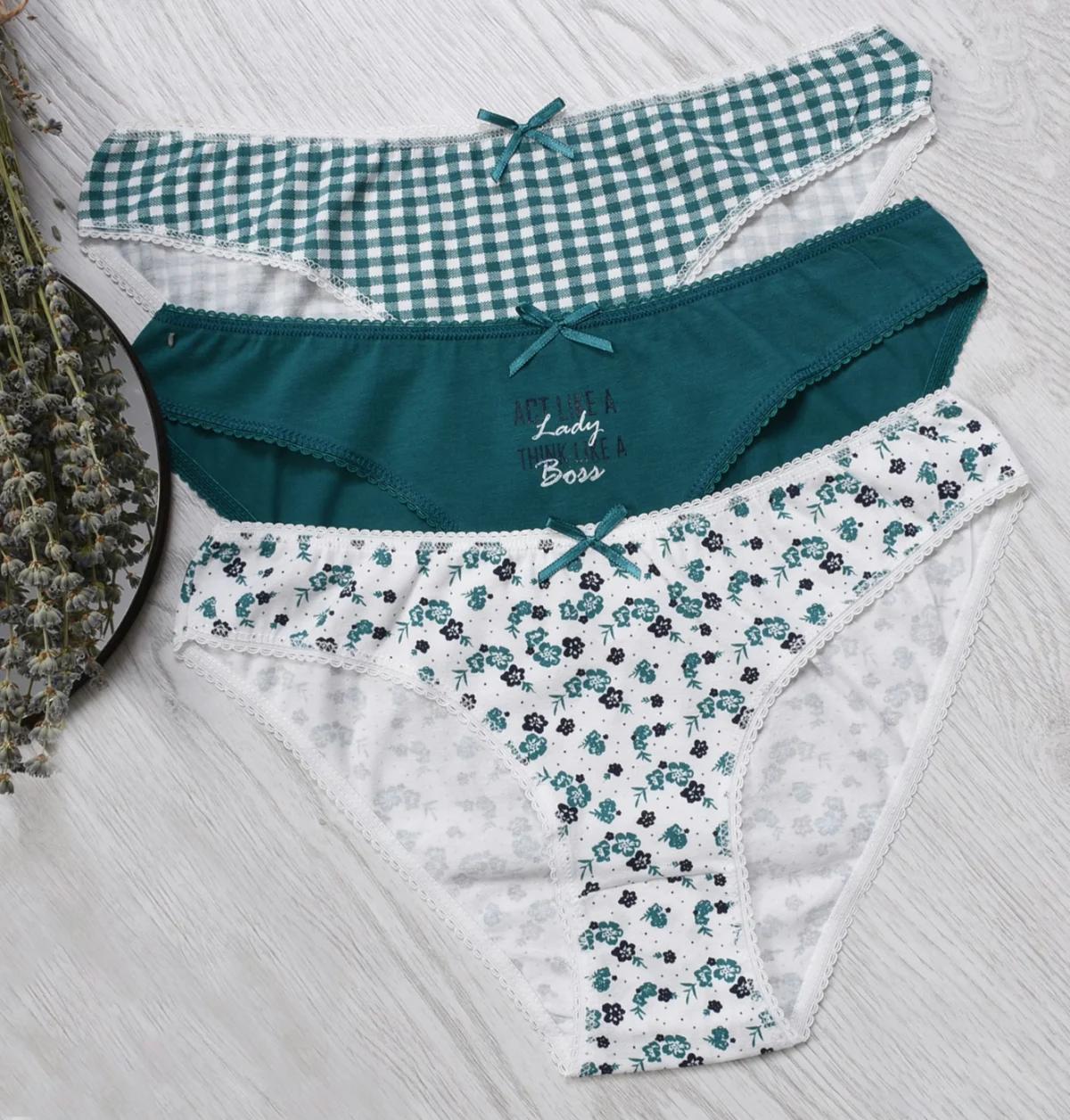
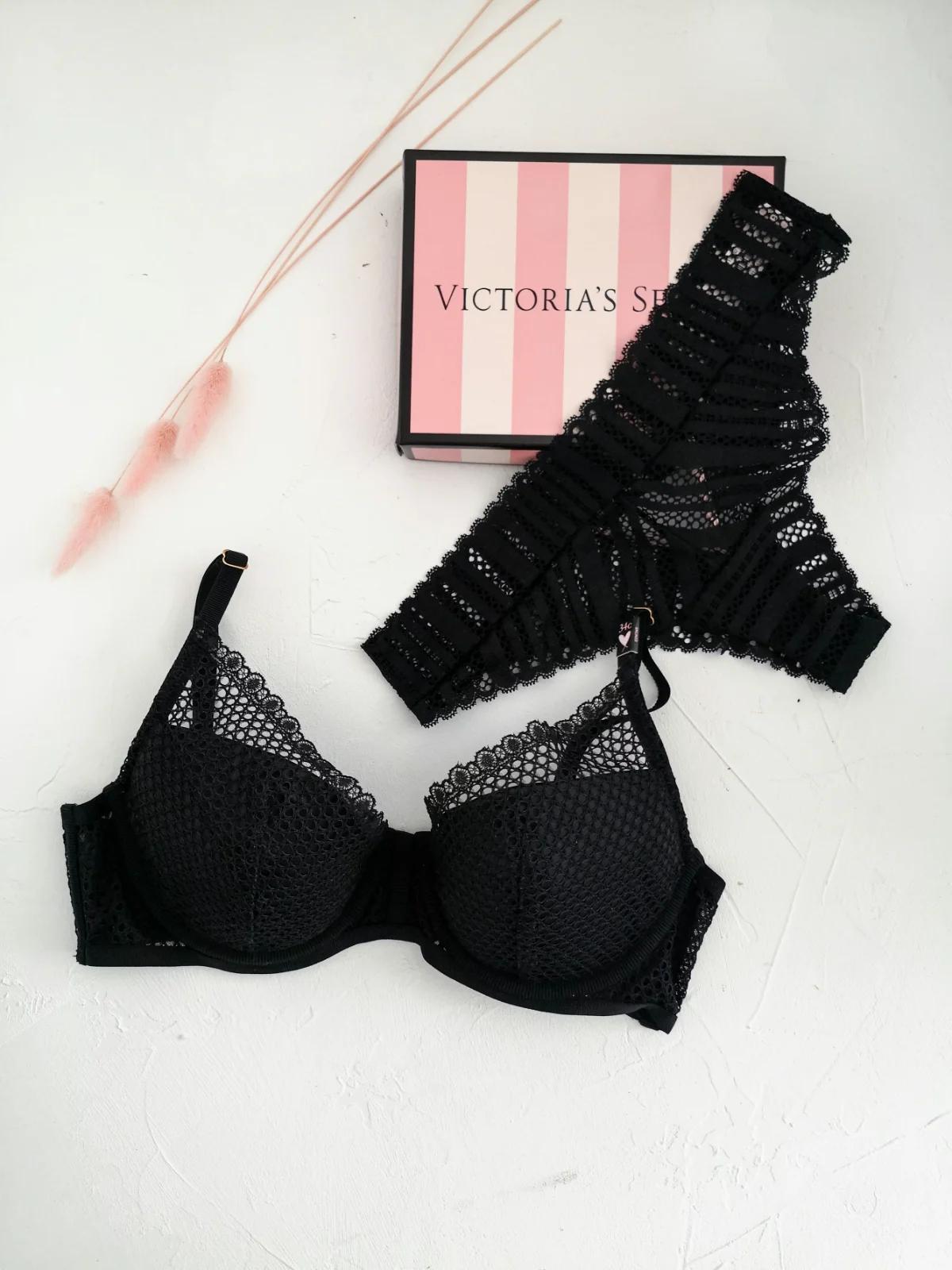
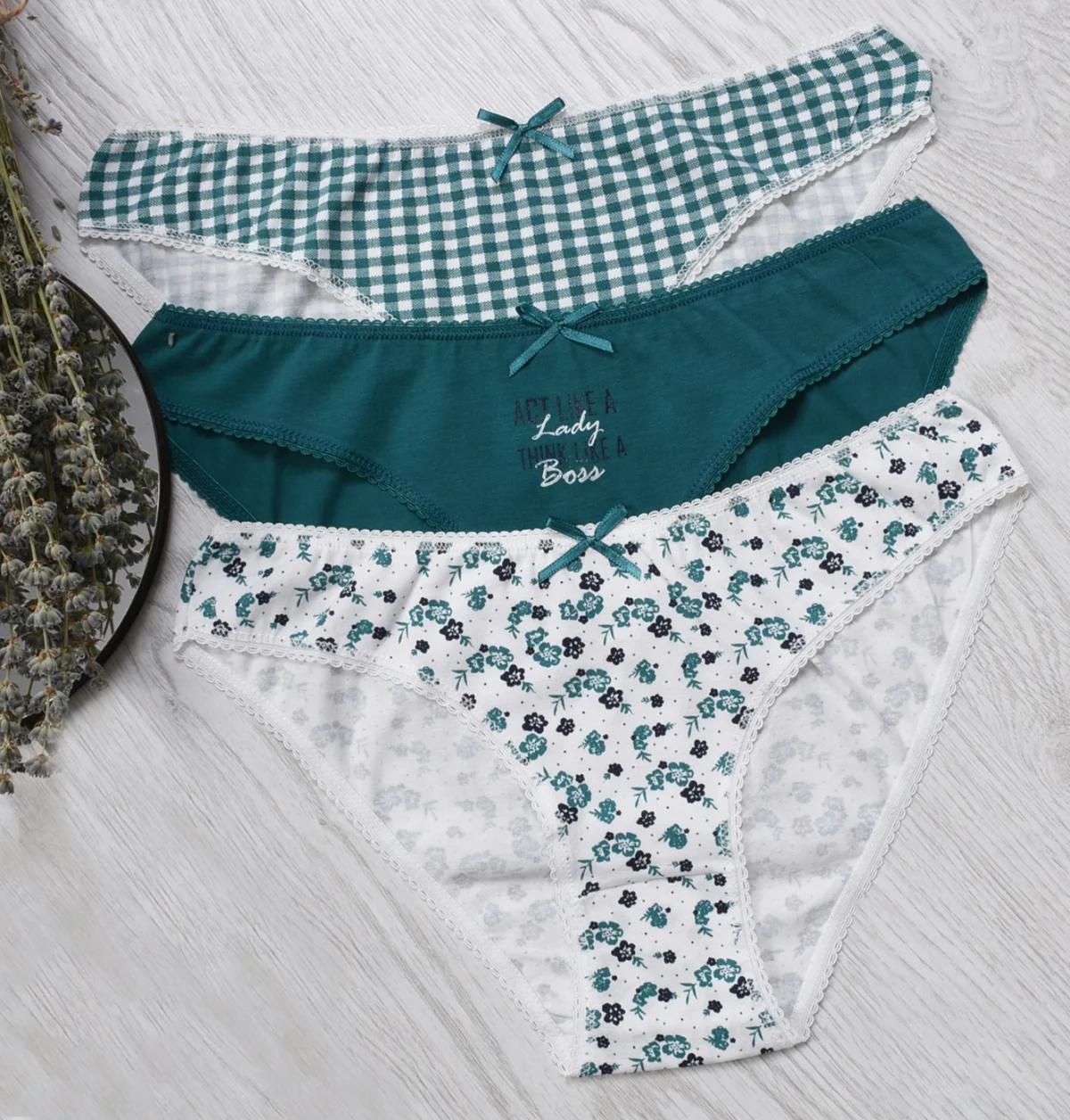
• 女士内衣:文胸(无钢圈、聚拢、无痕、哺乳、运动型)、内裤(丁字裤、平角裤、经期内裤)及配套套装。
• 男士内衣:平角紧身内裤、四角裤、三角裤、保暖内衣及压缩短裤。
• 功能服饰:塑身衣、束腰、产后恢复服、防紫外线打底衫。
• 家居服:睡衣套装、睡袍、睡眠文胸——模糊了睡眠与日常穿着的界限。
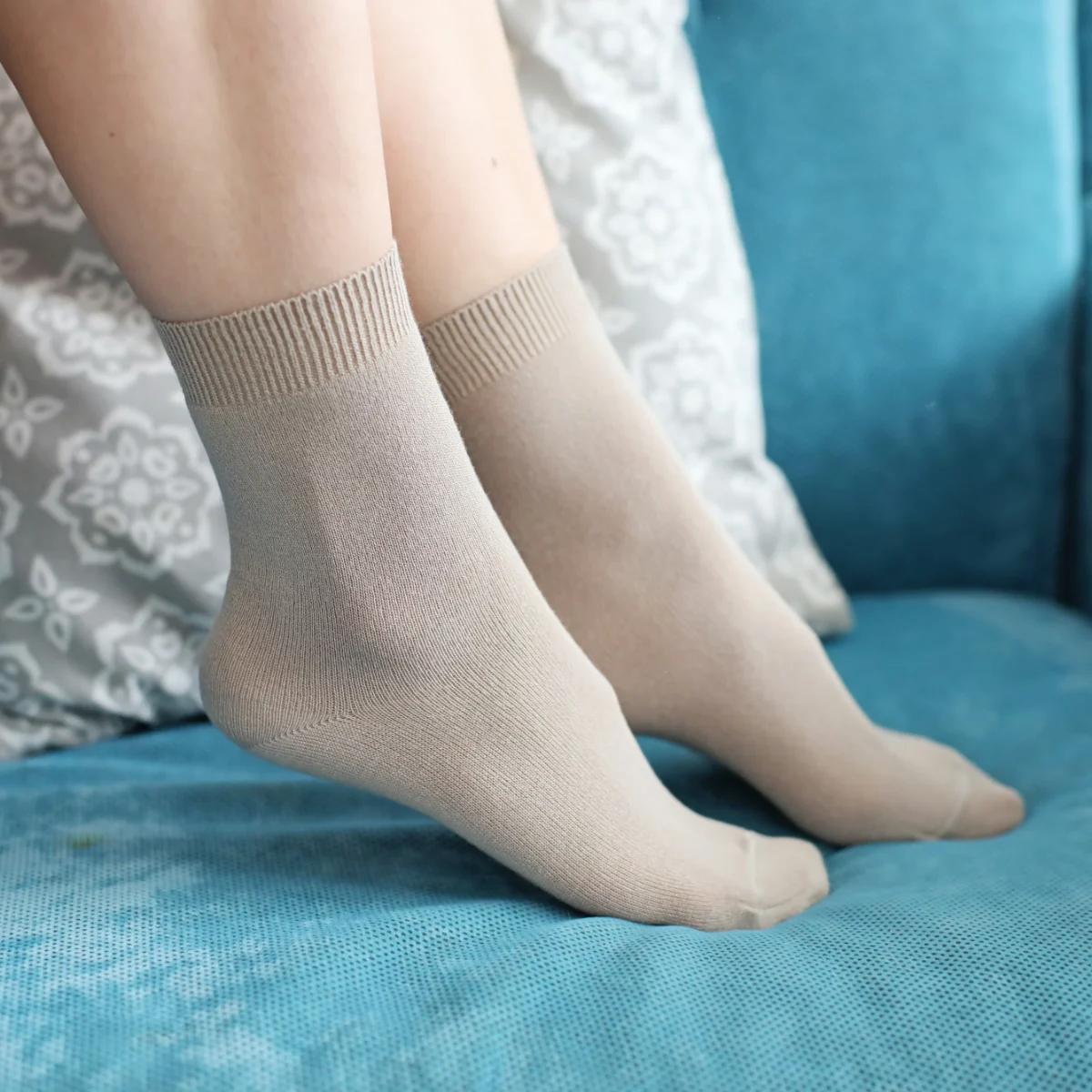
• 基础袜类:短袜、隐形袜、中筒袜、正装袜、图案袜。
• 功能袜:压力袜、糖尿病袜、抗菌袜、防滑袜。
2. 独特之处
内衣需要特殊材料(高弹蕾丝、超细纤维、无缝针织)和精确的合身标准。与外衣不同,一毫米的差异就能决定舒适还是痛苦。该行业还引领着纺织创新:3D针织、带传感器的智能面料和可持续纤维通常最先在这里测试。
3. 市场规模与增长
2025年,内衣与袜类合并市场规模超过1100亿美元(因定义不同有所差异)。受运动休闲风、男士护理需求及老龄化人口对医疗袜需求推动,该市场以每年5-6%的速度稳步增长。
4. 主要参与者
维多利亚的秘密、卡尔文·克莱恩和华歌尔等品牌占据消费者心智,而维珍妮、晶苑集团和佳森集团等制造商则在幕后生产数十亿件产品。
The Intimates & Hosiery industry covers all clothing worn next to the skin, primarily undergarments and legwear. It’s far more than “underwear” — it’s a sophisticated ecosystem of function, fashion, and technology.
1. Core Categories
• Women’s Underwear: Bras (wirefree, push-up, seamless, nursing, sports), panties (thongs, boyshorts, period underwear), and matching sets.
• Men’s Underwear: Boxer briefs, trunks, briefs, thermals, and compression shorts.
• Functional Wear: Shapewear, waist trainers, postpartum recovery garments, UV-protective base layers.
• Loungewear: Pajama sets, robes, sleep bras — the blurring line between sleep and street.
• Basic Hosiery: Ankle socks, no-show socks, crew socks, dress socks, patterned socks.
• Functional Socks: Compression socks, diabetic socks, anti-bacterial socks, non-slip gripper socks.
2. What Sets It Apart
Intimates require specialized materials (high‑elasticity lace, microfiber, seamless knitting) and precise fit standards. Unlike outerwear, a single millimeter can determine comfort or pain. The industry also leads in textile innovation: 3D knitting, smart fabrics with sensors, and sustainable fibers are often first tested here.
3. Market Size & Growth
In 2025, the combined intimates & hosiery market is valued at over $110 billion (varying by definition). It grows steadily at 5–6% annually, driven by athleisure, men’s grooming, and aging populations needing medical hosiery.
4. Key Players
Brands like Victoria’s Secret, Calvin Klein, and Wacoal dominate consumer mindshare, while manufacturers such as Regina Miracle, Crystal Group, and Jasan Group move billions of units behind the scenes.
是的——当采用适当的生物力学和材料设计时,塑身衣和运动文胸确实能带来实实在在的功能性益处。但并非所有产品都生而平等。
1. 塑身衣:压缩 vs. “瘦身”
优质塑身衣采用分级压缩来重新分布软组织,打造更平滑的轮廓。它不能永久燃烧脂肪,但高端产品(如华歌尔、Spanx)采用吸湿排汗面料和防卷边技术,使穿着舒适度可持续8小时以上。医用级压力袜(15-30 mmHg)经临床证明可改善血液循环并预防深静脉血栓。
2. 运动文胸:冲击等级至关重要
运动文胸按冲击等级分类:
• 低冲击:瑜伽、普拉提、步行——轻度支撑,常为无钢圈款式。
• 中冲击:骑行、力量训练、徒步——压缩型。
• 高冲击:跑步、高强度间歇训练、马术——包裹+压缩型,宽肩带,加厚罩杯。
CW-X(华歌尔旗下)和露露乐蒙等品牌使用专利面料和动作捕捉研究,可将乳房运动减少高达80%。
3. 常见误区
• “塑身衣能减肥。”→ 不能,它只是暂时重新分布;长期改变需要饮食/运动。
• “一件运动文胸适合所有活动。”→ 错误——穿着低冲击文胸跑步会损伤库珀韧带。
• “贵的就是好的。”→ 价格往往反映品牌营销;应检查压力等级(塑身衣看mmHg,文胸看冲击标签)。
4. 如何选择
• 塑身衣:寻找硅胶防滑边、透气面料,以及“贴身但不窒息”的合身度。
• 运动文胸:使用“两指法则”——底围应紧实,但你能将两根手指伸入下方;肩带不应勒入皮肤。
Yes — when designed with proper biomechanics and materials, shapewear and sports bras deliver real functional benefits. But not all products are created equal.
1. Shapewear: Compression vs. “Slimming”
Quality shapewear uses graded compression to redistribute soft tissue, creating a smoother silhouette. It does not burn fat permanently, but high‑end garments (e.g., Wacoal, Spanx) incorporate moisture‑wicking fabrics and anti‑roll technology to make wear comfortable for 8+ hours. Medical‑grade compression stockings (15–30 mmHg) are clinically proven to improve blood circulation and prevent DVT.
2. Sports Bras: Impact Level Is Everything
Sports bras are rated by impact:
• Low impact: Yoga, Pilates, walking — light support, often bralettes.
• Medium impact: Cycling, weight training, hiking — compression style.
• High impact: Running, HIIT, equestrian — encapsulation + compression, wide straps, reinforced cups.
Brands like CW-X (Wacoal) and Lululemon use proprietary fabrics and motion‑capture studies to minimize breast movement by up to 80%.
3. Common Myths
• “Shapewear makes you lose weight.” → No, it temporarily redistributes; long‑term change requires diet/exercise.
• “One sports bra fits all activities.” → Wrong — wearing a low‑impact bra for running can damage Cooper’s ligaments.
• “Expensive = better.” → Price often reflects brand marketing; check the pressure rating (mmHg for shapewear, impact label for bras).
4. How to Choose
• For shapewear: Look for silicone grip edges, breathable panels, and a “snug but not suffocating” fit.
• For sports bras: Use the “two‑finger rule” — band should be firm but you can slip two fingers underneath; straps shouldn’t dig.
男士内衣曾是一种无需多想、直接购买六条装的日用品。如今,它已成为一个快速增长的品类,呈现出高端化、科技面料和直面消费者品牌的特点。
1. 市场增长数据
根据我们的制造商数据,男士内衣市场以6.87%的年复合增长率扩张——在某些地区甚至超过了女性内衣。仅Jockey的男士产品线年收入就达数十亿美元;Calvin Klein的标志性腰带仍是PVH集团最具价值的授权资产之一。
2. 关键驱动因素
• 运动休闲风外溢:男士穿压缩短裤不仅为了运动,更作为日常打底。
• 健康与卫生意识:抗菌、凉感、吸湿排汗面料不再是“锦上添花”,而是基本要求。
• 身材形象与护理:年轻男性越来越在意衣服下的形象;“提臀平角内裤”已成为真实搜索词。
• DTC品牌颠覆:Mack Weldon、Tommy John等品牌,甚至传统巨头(Hanes、Jockey)都推出了订阅模式和个性化尺码。
3. 产品创新
• 凉感面料:相变材料、冰感触感技术。
• 抑菌除臭:银离子或锌处理技术,可耐50次以上洗涤。
• 囊袋设计:符合人体工学的独立立体囊袋,提升舒适度——这是高端男士内衣的核心卖点。
• 无缝针织:消除侧缝,减少摩擦。
4. 区域差异
• 北美:以舒适优先品牌(Hanes、Fruit of Loom)和高端品牌(CK、Tommy John)为主导。
• 欧洲:功能性内裤和可持续理念品牌渗透率高。
• 亚太地区:增长最快;日本品牌如华歌尔旗下BROSS引领无缝技术;中国消费者正迅速从批量购买转向品牌单品。
Men’s underwear was once a commodity bought in six‑packs without a second thought. Today, it’s a fast‑growing category with premiumization, tech fabrics, and direct‑to‑consumer brands.
1. Market Growth Numbers
According to our manufacturer data, the men’s segment in intimates is growing at a CAGR of 6.87% — outpacing women’s in certain regions. Jockey’s men’s line alone generates billions in annual revenue; Calvin Klein’s logo waistband remains one of PVH’s most licensed assets.
2. Key Drivers
• Athleisure spillover: Men wear compression shorts not just for sports, but as everyday layering.
• Health & hygiene awareness: Anti‑bacterial, cooling, and moisture‑wicking fabrics are no longer “nice to have” — they’re expected.
• Body image & grooming: Younger men care about how they look even under clothes; “boxer briefs that lift” are a real search term.
• DTC disruption: Brands like Mack Weldon, Tommy John, and even legacy players (Hanes, Jockey) now offer subscription models and personalized fits.
3. Product Innovations
• Cooling fabrics: Phase‑change materials, ice‑touch finishes.
• Odor control: Silver‑ion or zinc treatments that last 50+ washes.
• Pouch design: Anatomical pouches (separate, contoured) for comfort — a major selling point in premium men’s underwear.
• Seamless knitting: Eliminates side seams, reduces chafing.
4. Regional Differences
• North America: Dominated by comfort‑first brands (Hanes, Fruit of Loom) and premium players (CK, Tommy John).
• Europe: High penetration of functional briefs and sustainability‑focused labels.
• Asia‑Pacific: Fastest growth; Japanese brands like Wacoal’s BROSS lead in seamless technology; Chinese consumers are rapidly upgrading from bulk packs to branded separates.
当你购买维多利亚的秘密文胸时,它并非由维多利亚的秘密制造,而是由合同制造商——很可能是越南或中国的维珍妮——生产的。理解品牌与制造商之间的分工,是把握内衣行业真实运作方式的关键。
1. 品牌做什么?
品牌拥有客户关系。它们设计(或至少设定美学方向)、营销和分销产品。有些品牌根本不拥有工厂——这被称为轻资产或品牌授权模式。
例子:Calvin Klein(PVH)、维多利亚的秘密、Oysho。
2. 制造商做什么?
制造商拥有机器、劳动力,并且通常拥有特定生产技术的研发能力。它们将纱线变成成品文胸、袜子或塑身衣。它们很少与消费者交流;它们的客户是品牌。
有两种类型:
• 纯OEM/ODM:没有自有品牌,只为客户服务(晶苑集团、佳迅集团、申洲国际)。
• 垂直整合企业:既拥有工厂又拥有品牌(Hanesbrands、华歌尔、爱慕、黛安芬)。它们有时会接受竞争对手的订单。
3. 为什么这很重要?
• 成本结构:一件60美元的文胸制造成本可能只有12美元。其余的是品牌溢价——营销、物流、利润。
• 创新来源:许多“品牌专利”实际上是与制造商共同开发的。例如,Lululemon著名的紧身裤面料是与台湾和中国的工厂共同完善的。
• 供应链风险:当品牌面临丑闻(如强迫劳动指控)时,真正被调查的是工厂的合规体系。
4. 谁掌握权力?
传统上,品牌说了算。如今,像维珍妮(占全球无缝文胸市场35%份额)或Gildan(98%垂直整合)这样的顶级制造商已成为不可或缺的合作伙伴。有些甚至推出了自己的DTC品牌,模糊了界限。
When you buy a Victoria’s Secret bra, it wasn’t made by Victoria’s Secret. It was made by a contract manufacturer — likely Regina Miracle in Vietnam or China. Understanding the brand‑manufacturer divide is key to grasping how the intimates industry really works.
1. What Do Brands Do?
Brands own the customer relationship. They design (or at least set the aesthetic direction), market, and distribute products. Some own no factories at all — this is called asset‑light or brand‑licensing model.
Examples: Calvin Klein (PVH), Victoria’s Secret, Oysho.
2. What Do Manufacturers Do?
Manufacturers own the machines, the labor, and often the R&D for specific production technologies. They turn yarn into finished bras, socks, or shapewear. They rarely talk to consumers; their clients are the brands.
There are two types:
• Pure OEM/ODM: No own brands, only serve clients (Crystal Group, Jasan Group, Shenzhou International).
• Vertical integrators: Own both factories AND brands (Hanesbrands, Wacoal, Aimer, Triumph). They sometimes take orders from competitors.
3. Why Does This Matter?
• Cost structure: A $60 bra may only cost $12 to manufacture. The rest is brand tax — marketing, logistics, profit margin.
• Innovation origin: Many “brand patents” are actually co‑developed with manufacturers. For example, Lululemon’s famous leggings fabric was perfected with Taiwanese and Chinese mills.
• Supply chain risk: When a brand faces a scandal (e.g., forced labor allegations), the factory’s compliance systems are what really get investigated.
4. Who Holds the Power?
Traditionally, brands called the shots. Today, top manufacturers like Regina Miracle (35% global seamless bra market share) or Gildan (98% vertical integration) have become indispensable partners. Some are even launching their own DTC brands, blurring the line.
“可持续”是时尚界最被滥用的词,但在内衣领域,它有具体且可验证的含义——只要你知道该找哪些标签。
1. 材料很重要
• 有机棉:不使用合成农药种植;需要GOTS或OCS等认证。
• 再生尼龙/聚酯:由工业废料或回收瓶制成(例如Econyl、Repreve)。
• 竹纤维/莱赛尔:源自木浆,但“竹纤维”声称往往是绿色洗白,除非获得闭环加工认证。
2. 你应该知道的关键认证
• OEKO-TEX Standard 100:测试有害物质——每根纤维、纽扣和松紧带都必须通过。
• bluesign®:覆盖整个供应链,从化学投入到工人安全。
• BCI(良好棉花倡议):旨在减少水和农药使用,但在纯粹主义者中仍有争议。
• Cradle to Cradle:循环经济认证;在内衣领域仍很少见。
3. 制造影响
可持续性不仅仅关乎原材料。
• 用水量:传统染色耗水量大。像晶苑集团这样的领先企业引入了数码印花,将用水量减少了85%。
• 能源:Hanesbrands部分使用可再生能源运营其洪都拉斯工厂;Gildan因在这方面落后而受到批评。
• 废物:与裁剪缝制相比,3D针织和无缝技术可减少高达30%的面料浪费。
4. 欧洲领导力与监管推动
欧盟将在2026年前推出数字产品护照,要求品牌通过二维码披露碳足迹、可修复性和回收成分。这将重塑全球内衣的设计和销售方式。
5. 你能做什么
• 寻找第三方认证——而不仅仅是“环保”声明。
• 选择公布供应商名单的品牌(透明度是第一步)。
• 护理你的衣物:冷水洗涤,风干。最环保的衣物是你已经拥有的那件。
“Sustainable” is the most overused word in fashion, but in intimates it has specific, verifiable meanings — if you know which labels to look for.
1. Materials Matter
• Organic cotton: Grown without synthetic pesticides; requires certifications like GOTS or OCS.
• Recycled nylon/polyester: Made from post‑industrial waste or recycled bottles (e.g., Econyl, Repreve).
• Bamboo/lyocell: Derived from wood pulp, but “bamboo” claims are often greenwashing unless certified for closed‑loop processing.
2. Key Certifications You Should Know
• OEKO‑TEX Standard 100: Tests for harmful substances — every fiber, button, and elastic must pass.
• bluesign®: Covers the entire supply chain, from chemical inputs to worker safety.
• BCI (Better Cotton Initiative): Aims to reduce water and pesticide use, but still controversial among purists.
• Cradle to Cradle: Circular economy certification; still rare in intimates.
3. Manufacturing Impact
Sustainability isn’t just about raw materials.
• Water usage: Conventional dyeing is water‑intensive. Leaders like Crystal Group have introduced digital printing that cuts water use by 85%.
• Energy: Hanesbrands runs its Honduras plants partly on renewable energy; Gildan faces criticism for lagging on this.
• Waste: 3D knitting and seamless technologies reduce fabric waste by up to 30% compared to cut‑and‑sew.
4. European Leadership & Regulatory Push
The EU is introducing a Digital Product Passport by 2026, requiring brands to disclose carbon footprint, repairability, and recycled content via QR codes. This will reshape how intimates are designed and sold globally.
5. What You Can Do
• Look for third‑party certifications — not just “eco” claims.
• Choose brands that publish supplier lists (transparency is the first step).
• Care for your garments: wash cold, air dry. The greenest garment is the one you already own.






















%20Holdings%20Company%20Limited.webp&w=256&q=75)