在维瑞评级,我们的排名方法建立在数据之上,而非观点。我们汇总并交叉验证来自多个权威第三方来源的信息,以生成尽可能客观的行业排名。
1. 数据来源——多源交叉验证
我们的主要数据来自四大支柱:
• 国家统计机构:我们收集主要经济体政府统计局的宏观行业数据。
• 大学附属研究机构:我们纳入全球顶尖学术机构的同行评审研究和行业报告。
• AI 驱动的全球消费者情绪分析:我们部署 NLP 算法,分析超过 40 种语言的数百万条消费者评论、社交媒体帖子和专业买家反馈。
• 上市公司财务报告:我们分析 SEC 文件、年报、财报电话会议记录和 ESG 披露。
2. 四维评分模型
每家公司从四个等权重维度进行评估:
• 市场影响力 (25%):全球市场份额、营收规模、分销网络广度、服务国家和增长率。
• 品牌声誉 (25%):消费者满意度、买家评分、行业奖项、媒体情绪和品牌认知度。
• 创新与研发 (25%):有效专利、研发投入比例、产品发布频率、技术合作伙伴关系。
• 可持续性与道德 (25%):环境认证、碳减排目标、劳工实践、供应链透明度。
3. 我们对独立性的承诺
我们不接受付费排名。我们的研究团队独立运作。排名每季度更新一次。
免责声明:本排名中的数据来自第三方权威来源,仅供参考和市场决策支持,不构成直接投资建议或品牌背书。
At Verity Rank, our ranking methodology is built on data, not opinions. We aggregate and cross-validate information from multiple authoritative third-party sources to produce the most objective industry ranking possible.
1. Data Sources — Multi-Source Cross-Verification
Our primary data comes from four pillars:
• National Statistical Agencies: We collect macro-level industry data from government statistical bureaus across major economies.
• University-Affiliated Research Institutions: We incorporate peer-reviewed studies and industry reports from leading academic institutions worldwide.
• AI-Driven Global Consumer Sentiment Analysis: We deploy NLP algorithms to analyze millions of consumer reviews, social media posts, and professional buyer feedback across 40+ languages.
• Publicly Listed Company Financial Reports: We analyze SEC filings, annual reports, earnings transcripts, and ESG disclosures.
2. The Four-Dimensional Scoring Model
Each company is evaluated across four equally weighted dimensions:
• Market Influence (25%): Global market share, revenue scale, distribution network breadth, countries served, and growth rate.
• Brand Reputation (25%): Consumer satisfaction, buyer ratings, industry awards, media sentiment, and brand recognition.
• Innovation & R&D (25%): Active patents, R&D investment ratio, product launch frequency, technology partnerships.
• Sustainability & Ethics (25%): Environmental certifications, carbon reduction targets, labor practices, supply chain transparency.
3. Our Commitment to Independence
We do not accept payment for rankings. Our research team operates independently. Rankings are updated quarterly.
Disclaimer: The data in this ranking is compiled from third-party authoritative sources and is intended for reference and market decision support only. It does not constitute direct investment advice or brand endorsement.
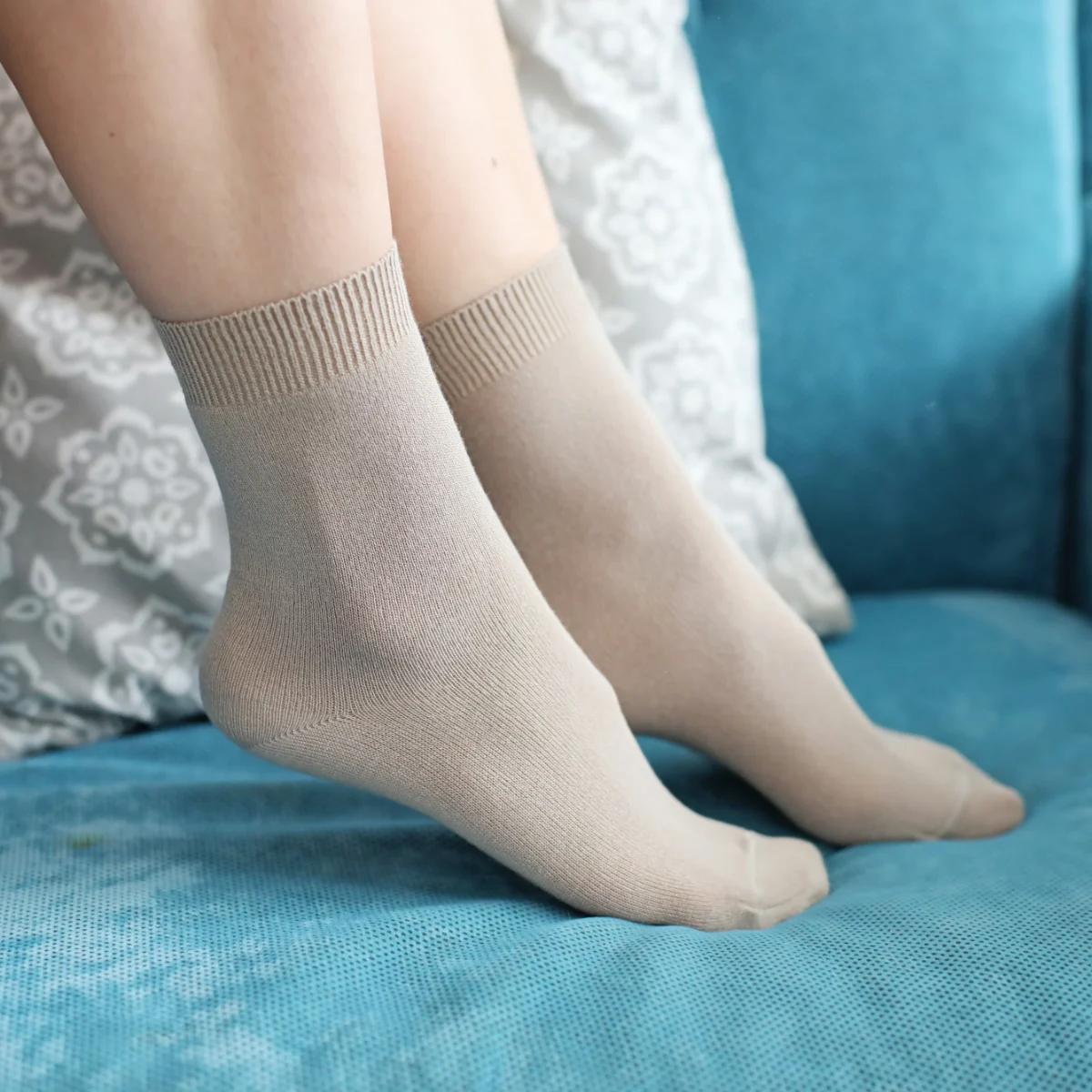
袜子/针织袜类行业涵盖足部及脚踝配饰的设计、制造与分销,是全球最大的服装配饰品类之一,每年生产超过250亿双,涵盖运动袜、休闲袜、正装袜、压力袜、糖尿病袜及特殊功能袜等细分领域。
主要产品类别:袜子/针织袜类产品覆盖从大众基础款到奢华高端款的价格区间。关键细分市场包括基础/必备产品、时尚设计款、季节性系列(夏季轻薄款与冬季保暖款)、功能性/性能型产品,以及针对特定需求的特殊产品(医疗用袜、孕妇袜、适应性服装)。材料、工艺质量与设计是区分市场层级的关键,高端产品强调天然纤维、优质缝制工艺及设计细节。
行业特征:袜子/针织袜类行业具有时尚季节性、高SKU复杂度(多尺码、颜色、图案)、劳动密集型制造以及通过大型零售商广泛布局自有品牌的特点。电子商务已重塑分销模式,直接面向消费者(DTC)品牌通过数字营销和订阅模式获得显著市场份额。可持续发展趋势——有机棉、再生纤维、道德制造——正成为日益重要的差异化因素。
The socks/hosiery industry encompasses the design, manufacturing, and distribution of footwear accessories that cover the foot and ankle — one of the largest apparel accessory categories globally, with over 25 billion pairs produced annually across athletic, casual, dress, compression, diabetic, and specialty segments.
Major Product Categories: The socks/hosiery category spans a range of price points from mass-market basics to luxury/premium offerings. Key segments include basic/essential products, fashion-forward designs, seasonal collections (summer weight vs. winter weight), functional/performance varieties, and specialty products for specific needs (medical, maternity, adaptive clothing). Materials, construction quality, and design differentiate market segments, with premium products emphasizing natural fibers, superior stitching, and design details.
Industry Characteristics: The socks/hosiery industry is characterized by fashion seasonality, high SKU complexity (multiple sizes, colors, patterns), labor-intensive manufacturing, and strong private label presence through major retailers. E-commerce has transformed distribution, with direct-to-consumer brands (DTC) gaining significant market share through digital marketing and subscription models. Sustainability trends — organic cotton, recycled fibers, ethical manufacturing — are increasingly important differentiators.
袜子/针织袜类制造融合了纺织工程、服装制作工艺和专用机械,生产出兼顾舒适性、耐用性和美观性的产品。
1. 主要材料:专用圆型针织机(如Lonati、Busi Giovanni、Santoni)以极高速度生产无缝袜筒。材料包括棉(精梳、丝光)、美利奴羊毛、竹纤维、莫代尔、尼龙(增加耐用性)、氨纶/弹性纤维(提供弹性),以及用于吸湿排汗的Coolmax/涤纶。压力袜需根据既定标准具备梯度压力(医用级15-20、20-30、30-40 mmHg)。
2. 制造技术:• 无缝针织技术——以最少接缝生产服装,实现最大舒适度。• 数码印花——实现复杂图案和无最低起订量的按需生产。• 自动裁剪系统——激光和电脑控制刀片裁剪,确保精度和面料优化。• 粘合/无缝结构——超声波焊接和胶粘剂粘合,打造光滑、无摩擦的服装。• 3D针织——直接从纱线生产完整服装,消除裁剪废料。
3. 质量标准:• 色牢度——耐水洗、耐光、耐汗渍(AATCC、ISO测试方法)。• 尺寸稳定性——通过预缩和树脂处理控制缩水率。• 抗起球性(马丁代尔法或随机翻滚法)。• 接缝强度和耐用性。• OEKO-TEX® Standard 100化学品安全认证。• 阻燃标准——尤其对儿童睡衣至关重要(美国16 CFR 1615/1616,欧盟EN 14878)。
Socks/Hosiery manufacturing combines textile engineering, garment construction expertise, and specialized machinery to produce products that balance comfort, durability, and aesthetics.
1. Primary Materials: specialized circular knitting machines (Lonati, Busi Giovanni, Santoni) producing seamless tubes at extremely high speeds. Materials include cotton (combed, mercerized), merino wool, bamboo, modal, nylon (for durability), spandex/elastane (for stretch), and Coolmax/polyester for moisture management. Compression socks require graduated pressure profiles (medical-grade 15-20, 20-30, 30-40 mmHg) per established standards.
2. Manufacturing Technologies: • Seamless knitting technology — producing garments with minimal seams for maximum comfort. • Digital printing — enables complex patterns and on-demand production without minimum order quantities. • Automated cutting systems — laser and computer-controlled blade cutting for precision and fabric optimization. • Bonded/seamless construction — ultrasonic welding and adhesive bonding for smooth, chafe-free garments. • 3D knitting — producing complete garments directly from yarn, eliminating cutting waste.
3. Quality Standards: • Colorfastness to washing, light, and perspiration (AATCC, ISO test methods). • Dimensional stability — shrinkage control through pre-shrinking and resin treatments. • Pilling resistance (Martindale or random tumble methods). • Seam strength and durability. • OEKO-TEX® Standard 100 certification for chemical safety. • Flammability standards — particularly critical for children''s sleepwear (16 CFR 1615/1616 in US, EN 14878 in EU).
采购袜子/针织袜类产品——无论是面向零售连锁、电商品牌、酒店集团还是企业制服项目——都需要关注材料质量、尺码一致性、合规性和总成本。
1. 材料质量与手感:评估面料样品的柔软度、悬垂性、透气性和抗起球性。天然纤维(棉、莫代尔、竹纤维、丝绸、羊毛)占据高端定位,但护理要求与合成纤维不同。混纺面料提供平衡性能——例如棉莫代尔混纺兼具柔软和耐用性。
2. 尺码与合身一致性:尺码不一致是服装退货的首要原因。针对每个目标市场核实尺码表、试穿模型和档差规则。生产前要求提供全套尺码样品(每个尺码一件)。规定可接受的测量公差(关键尺寸±0.5英寸)。
3. 合规与标签:• 纤维成分标签——遵循美国FTC、欧盟纺织品法规或当地要求。• 护理标签——洗涤、干燥、熨烫和干洗说明。• 原产地标记。• 儿童产品安全——美国CPSIA合规、欧盟EN 71,包括铅、邻苯二甲酸盐、小部件和抽绳要求。
4. 生产与质量控制:• 产前样品——在裁剪前批准材料、结构和标签。• 在线检验——在生产过程中及早发现问题。• 最终随机检验——按AQL 2.5或更严格标准(针对高端产品)。• 包装要求——零售包装、吊牌、条码标签和塑料袋规格(必要时包含窒息警告)。
5. 可持续性与道德制造:核实认证——GOTS(有机纺织品)、OEKO-TEX®、BCI(良好棉花倡议)、公平贸易、WRAP、BSCI或SMETA。消费者和监管机构日益要求供应链透明度和道德劳工实践证明。
Sourcing socks/hosiery products — whether for a retail chain, e-commerce brand, hospitality group, or corporate uniform program — requires attention to material quality, sizing consistency, compliance, and total cost.
1. Material Quality & Hand Feel: Evaluate fabric samples for softness, drape, breathability, and pilling resistance. Natural fibers (cotton, modal, bamboo, silk, wool) command premium positioning but have different care requirements than synthetics. Blended fabrics offer balanced properties — e.g., cotton-modal blends for softness and durability.
2. Sizing & Fit Consistency: Inconsistent sizing is the #1 cause of returns in apparel. Verify size charts, fit models, and grade rules for each target market. Request size set samples (one garment in each size) before production. Specify acceptable measurement tolerances (±0.5 inch for key measurements).
3. Compliance & Labeling: • Fiber content labeling per FTC (US), EU Textile Regulation, or local requirements. • Care labeling — washing, drying, ironing, and dry cleaning instructions. • Country of origin marking. • Children''s product safety — CPSIA compliance (US), EN 71 (EU), including lead, phthalates, small parts, and drawstring requirements.
4. Production & Quality Control: • Pre-production samples — approve materials, construction, and labeling before cutting. • In-line inspection during production catches issues early. • Final random inspection (FRI) per AQL 2.5 or tighter for premium products. • Packaging requirements — retail-ready packaging, hang tags, barcode labels, and polybag specifications (with suffocation warning where required).
5. Sustainability & Ethical Manufacturing: Verify certifications — GOTS (organic textiles), OEKO-TEX®, BCI (Better Cotton Initiative), Fair Trade, WRAP, BSCI, or SMETA. Consumers and regulators increasingly demand supply chain transparency and proof of ethical labor practices.
全球袜子/针织袜业具有鲜明的地理分布特征,生产集中在兼具原材料获取、制造技术、劳动力成本优势及靠近终端市场的区域。
1. 中国(大唐、诸暨): 生产全球约35%的袜子——仅浙江省大唐袜业集群就有数千家工厂,年产数十亿双袜子。产品覆盖从基础棉袜到专业运动袜及压力袜的全品类。
2. 土耳其: 全球第二大生产国——擅长高端棉袜和有机棉袜,能为欧洲快时尚品牌提供快速周转服务。
3. 意大利(布雷西亚): 高端及奢侈袜类——主打高档正装袜和设计师品牌。同时是卫生及医用压力袜制造中心(Medi、Sigvaris、Jobst等品牌)。
4. 巴基斯坦与印度: 主要棉袜生产国,成本竞争力强且质量持续提升,越来越多地服务于全球品牌供应链。
5. 越南: 新兴袜子生产中心——尤其为大型运动品牌生产运动袜及高性能袜。
战略启示: 随着供应链多元化发展,袜子/针织袜业持续演变。采购方应维持多国采购策略,平衡成本、质量、交货周期与地缘政治风险。了解区域专业化分工——各国在哪些产品细分领域具有优势——对于做出明智采购决策至关重要。可持续发展认证(OEKO-TEX、GOTS、bluesign、GRS)及透明供应链的趋势正在重塑竞争格局,投资合规与可追溯性的制造商将优先获得高端市场准入。
The global Socks/Hosiery industry has a distinct geographic footprint, with production concentrated in regions that combine raw material access, manufacturing expertise, labor cost advantages, and proximity to end-use markets.
1. China (Datang, Zhuji): Produces approximately 35% of the world''s socks — the Datang sock cluster in Zhejiang Province alone has thousands of factories producing billions of pairs annually. Specializes in all categories from basic cotton socks to technical athletic and compression socks.
2. Turkey: Second-largest global producer — strength in premium cotton and organic socks, with quick-turnaround for European fast fashion brands.
3. Italy (Brescia): Premium and luxury hosiery — high-end dress socks and designer brands. Sanitary and medical compression hosiery manufacturing center (Medi, Sigvaris, Jobst).
4. Pakistan & India: Major cotton sock producers with competitive costs and improving quality, increasingly serving global brand supply chains.
5. Vietnam: Growing sock production hub — particularly for athletic and performance socks for major sportswear brands.
Strategic Implications: The Socks/Hosiery industry continues to evolve as supply chains diversify. Buyers should maintain multi-country sourcing strategies that balance cost, quality, lead time, and geopolitical risk. Understanding regional specialization — which countries excel at which product segments — is essential for making informed procurement decisions. The trend toward sustainability certifications (OEKO-TEX, GOTS, bluesign, GRS) and transparent supply chains is reshaping competitive dynamics, with manufacturers who invest in compliance and traceability gaining preferential access to premium markets.