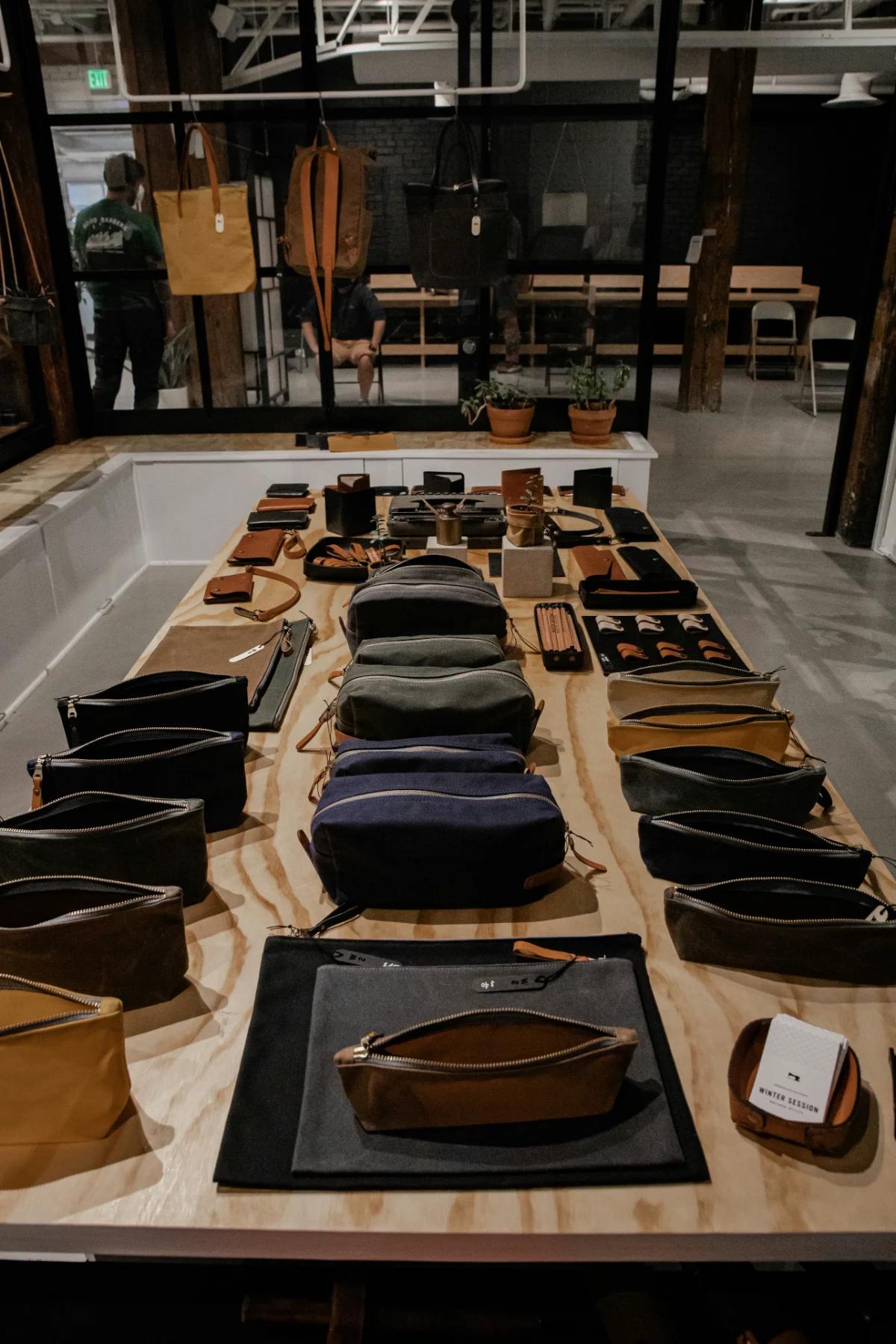
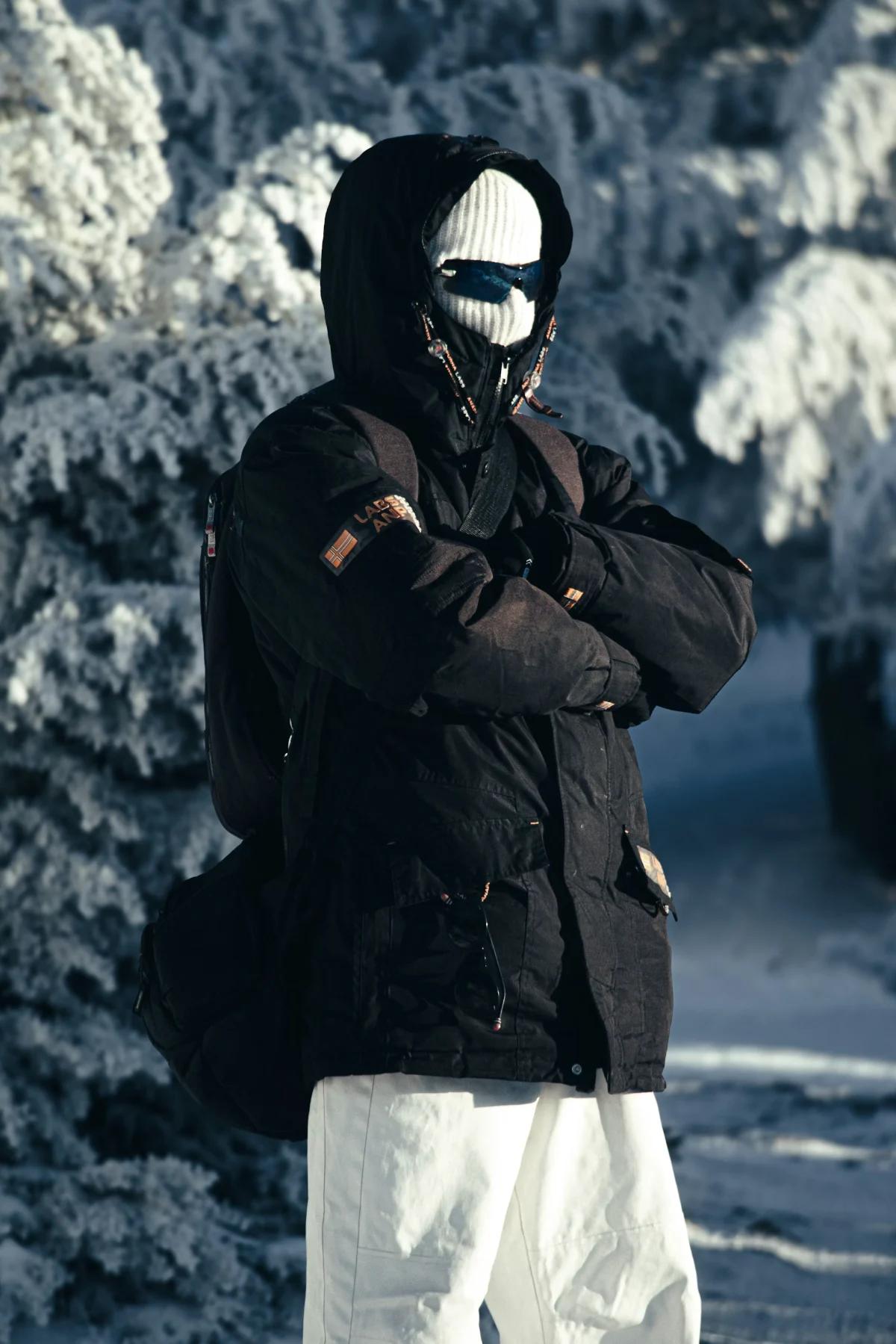
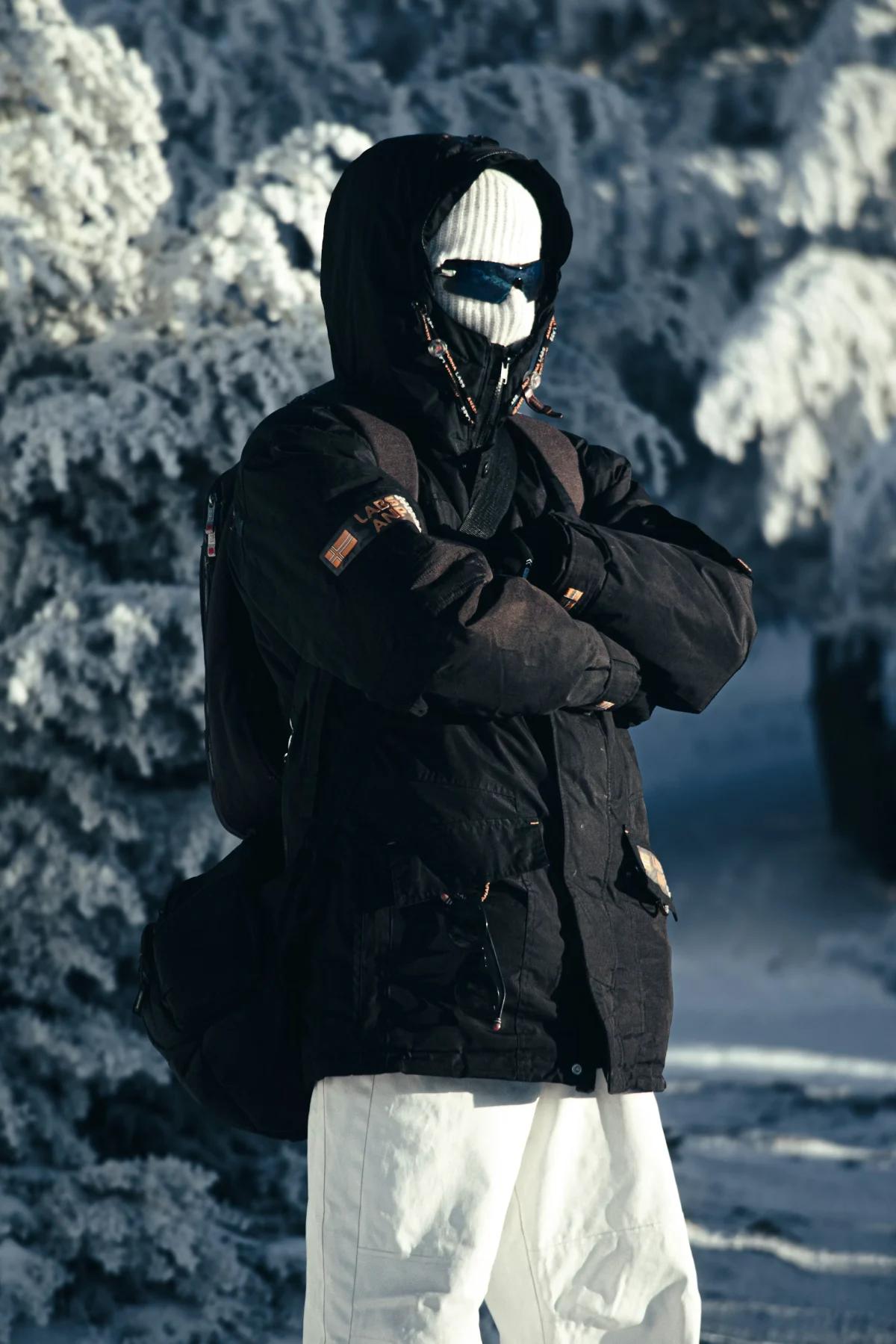
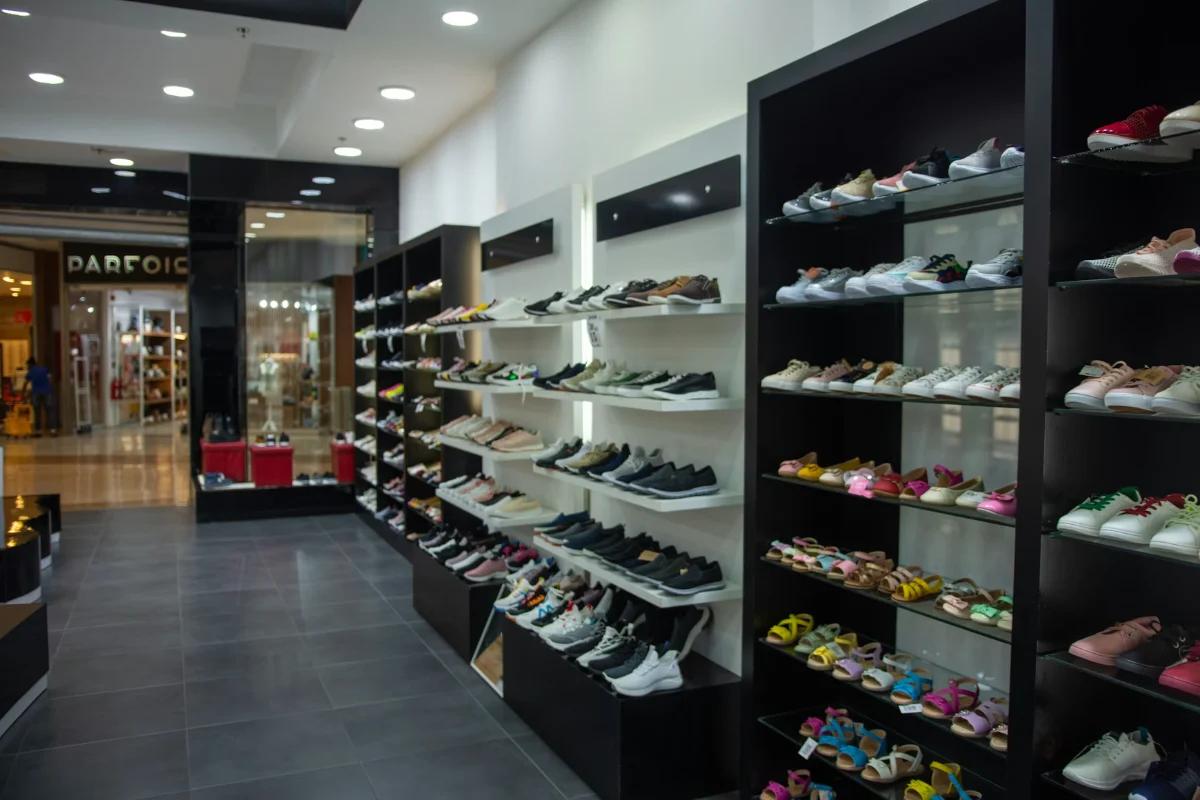
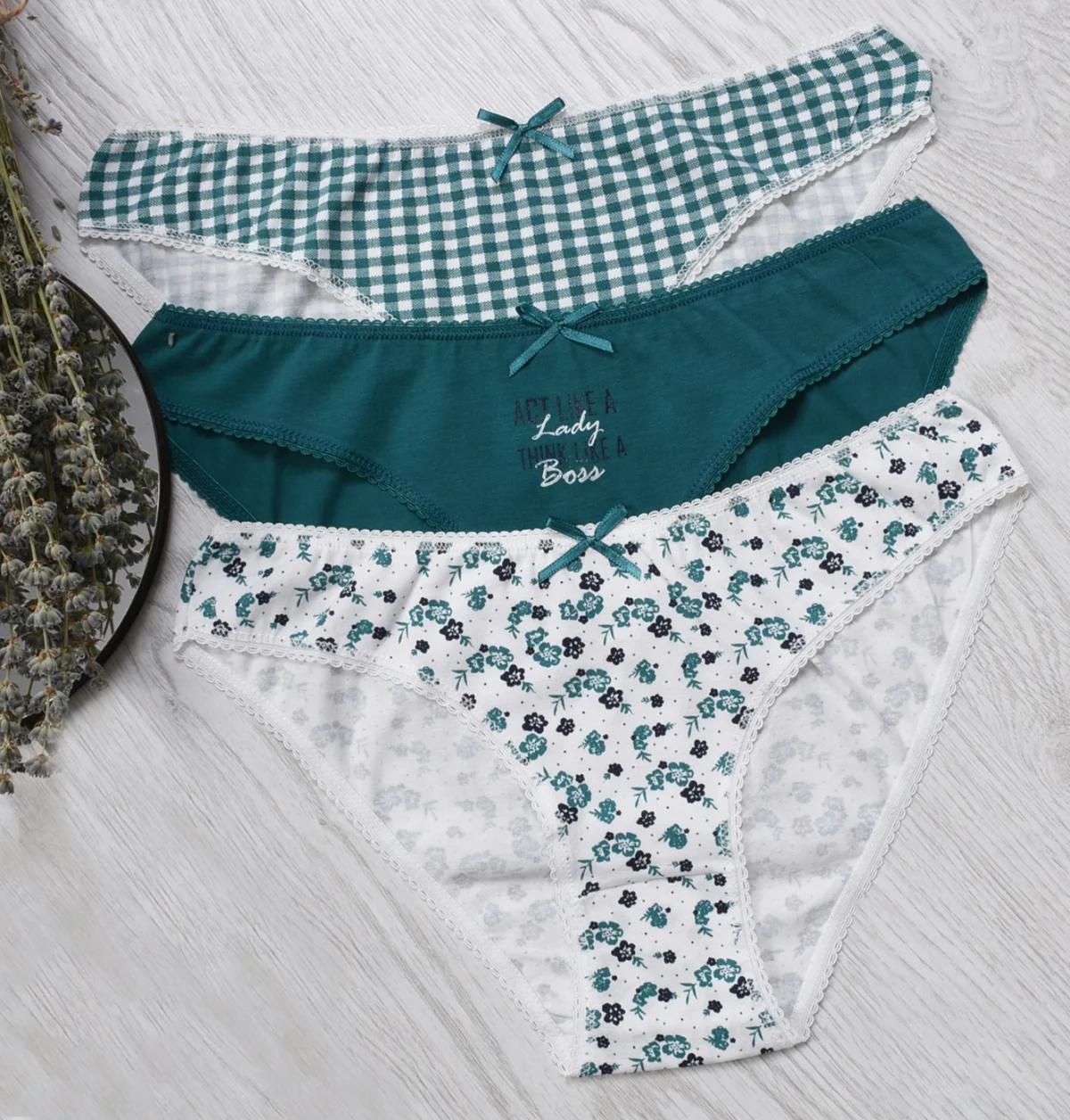
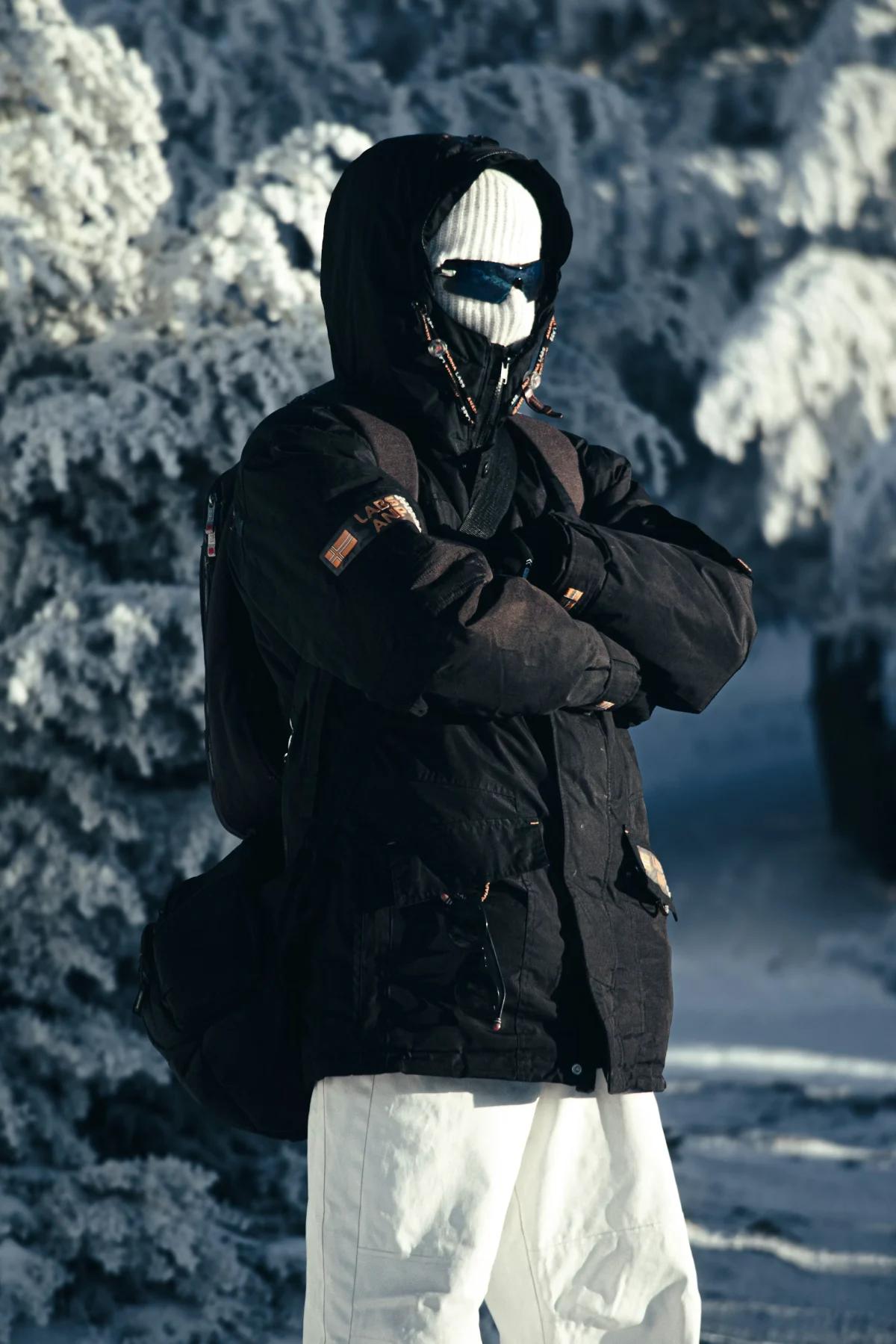
运动与户外装备行业是一个综合性领域,为徒步、滑雪、攀岩、露营、瑜伽等各类体育活动和户外探险提供专业服装、鞋类、装备和器材。它超越基础运动服,融合材料科学、人体工学和环境技术。大致分为六大核心品类:性能服装(如吸湿排汗衫、瑜伽裤)、性能外套(如防水夹克、保暖派克大衣)、运动鞋类(如登山靴、越野跑鞋)、性能配件(如背包、登山杖)、露营装备(如帐篷、睡袋)以及专项运动器材(如滑雪板、攀岩绳)。其核心使命是为人类探索和运动追求提供安全、舒适和专业支持。
The Sports & Outdoor Gear Industry is a comprehensive sector that provides specialized apparel, footwear, gear, and equipment for various athletic activities and outdoor adventures, such as hiking, skiing, climbing, camping, and yoga. It goes beyond basic sportswear, integrating material science, ergonomics, and environmental technology. It is broadly categorized into six core segments: Performance Apparel (e.g., moisture-wicking shirts, yoga pants), Performance Outerwear (e.g., waterproof jackets, insulated parkas), Sports Footwear (e.g., hiking boots, trail-running shoes), Performance Accessories (e.g., backpacks, trekking poles), Camping Gear (e.g., tents, sleeping bags), and Specialized Sports Equipment (e.g., snowboards, climbing ropes). Its core mission is to offer safety, comfort, and professional support for human exploration and athletic pursuit.
这种选择反映了“移动效率”与“自给自足生存能力”之间的权衡。对于轻量化徒步(一日游或简单过夜),目标是速度和敏捷。装备优先考虑最小重量和体积:轻量越野跑鞋或徒步鞋、小背包、多功能简化物品(例如软壳代替全硬壳)。对于背包旅行/长途徒步(多日、偏远路线),优先考虑可靠性和自给自足。装备必须应对不可预测的天气和地形:坚固的背包靴提供支撑和保护、大容量背包、四季帐篷、保暖睡袋和完整炊具系统。轻量化是减法;背包旅行是加法,增加必要的安全保障。
The choice reflects a trade-off between “mobility efficiency” and “self-sufficient survival capability.” For lightweight hiking (day trips or simple overnights), the goal is speed and agility. Gear prioritizes minimal weight and bulk: lightweight trail shoes or hiking boots, a small backpack, and versatile, simplified items (e.g., a softshell instead of a full hardshell). For backpacking\/trekking (multi-day, remote routes), the priority is reliability and self-sufficiency. Gear must handle unpredictable weather and terrain: sturdy backpacking boots for support and protection, a large-capacity pack, a four-season tent, a warm sleeping bag, and a complete cooking system. Lightweight is about subtracting; backpacking is about adding essential security.
在户外行业中,“可持续性”是一个可操作的框架,而不仅仅是一个营销术语。它包含:1. 材料创新:使用回收材料(例如,来自塑料瓶的聚酯纤维、巴塔哥尼亚的NetPlus®渔网回收材料)、可生物降解面料或可追溯的天然材料(例如,负责任羽绒标准认证的羽绒)。2. 耐用性与维修:制造更耐用的产品,并提供维修服务(如始祖鸟或巴塔哥尼亚的项目)以延长产品寿命。3. 清洁生产:减少生产过程中的水、能源和化学品使用。4. 循环模式:实施回收、转售或再利用计划(例如,巴塔哥尼亚的Worn Wear)。核心理念是尊重并尽量减少对该行业所依赖并赞美的自然环境的伤害。
In the outdoor industry, “sustainability” is an actionable framework, not just a marketing term. It encompasses: 1. Material Innovation: Using recycled materials (e.g., polyester from plastic bottles, Patagonia’s NetPlus® from fishing nets), biodegradable fabrics, or traceable natural materials (e.g., Responsible Down Standard certified down). 2. Durability & Repair: Manufacturing longer-lasting products and offering repair services (like Arc’teryx’s or Patagonia’s programs) to extend product life. 3. Cleaner Manufacturing: Reducing water, energy, and chemical use in production. 4. Circular Models: Implementing take-back, resale, or recycling programs (e.g., Patagonia’s Worn Wear). The core philosophy is to respect and minimize harm to the natural environment that the industry depends on and celebrates.
采购运动与户外装备需要评估性能、耐用性、安全认证和品牌真实性。
1. 性能规格:明确特定活动的要求——防水性、透气性、保暖性、重量、可打包性和耐用性。
2. 安全标准:核实是否符合UIAA/CE(攀岩设备)、ASTM(头盔和防护装备)、EN标准(欧盟市场准入)。
3. 真实性:核实授权经销商身份、RFID/NFC认证和供应链来源,以避免假冒产品。
4. 保修与耐用性:领先的户外品牌提供终身或有限终身保修。评估维修计划和备件可用性。
5. 可持续性:回收材料、无PFAS的DWR处理、公平贸易认证和供应链透明度正逐渐成为高端户外品牌的基本期望。
Sourcing sports and outdoor gear requires evaluating performance, durability, safety certifications, and brand authenticity.
1. Performance Specifications: Define activity-specific requirements - waterproofing, breathability, insulation, weight, packability, and durability.
2. Safety Standards: Verify compliance with UIAA/CE for climbing equipment, ASTM for helmets and protective gear, EN standards for EU market access.
3. Authenticity: Verify authorized distributor status, RFID/NFC authentication, and supply chain provenance to avoid counterfeits.
4. Warranty & Durability: Leading outdoor brands offer lifetime or limited lifetime warranties. Evaluate repair programs and spare parts availability.
5. Sustainability: Recycled materials, PFAS-free DWR treatments, Fair Trade certification, and supply chain transparency are increasingly baseline expectations for premium outdoor brands.
全球运动户外装备产业的地理分布格局独特,受原材料获取、制造传统、劳动力成本和市场 proximity 等因素影响。
1. 中国:全球最大生产国——耐克、阿迪达斯等主要品牌在此制造;本土品牌(安踏、李宁、特步)快速崛起。
2. 越南和印度尼西亚:全球运动品牌的主要制造中心。
3. 美国:耐克(俄勒冈)、安德玛、哥伦比亚运动服饰、北面、巴塔哥尼亚——品牌和创新领导力。
4. 德国:阿迪达斯、彪马——赫佐根奥拉赫;狼爪、沃德——户外专家。
5. 台湾:运动鞋类的主要OEM/ODM制造商(宝成、丰泰)。
战略启示:在运动户外装备行业成功采购需要了解区域专业化,并维持多元化的采购策略,以平衡成本、质量、交货时间和地缘政治风险。可持续性认证和供应链透明度正日益成为进入高端市场的先决条件。
The global sports & outdoor gear industry has a distinctive geographic footprint shaped by raw material access, manufacturing heritage, labor costs, and market proximity.
1. China: World''s largest producer — Nike, Adidas, and major brands manufacture here; domestic brands (Anta, Li-Ning, Xtep) growing rapidly.
2. Vietnam & Indonesia: Major manufacturing hubs for global athletic brands.
3. United States: Nike (Oregon), Under Armour, Columbia Sportswear, The North Face, Patagonia — brand and innovation leadership.
4. Germany: Adidas, Puma — Herzogenaurach; Jack Wolfskin, Vaude — outdoor specialists.
5. Taiwan: Major OEM/ODM manufacturer for athletic footwear (Pou Chen, Feng Tay).
Strategic Implications: Successful procurement in the sports & outdoor gear industry requires understanding regional specialization and maintaining diversified sourcing strategies that balance cost, quality, lead time, and geopolitical risk. Sustainability certifications and supply chain transparency are increasingly becoming prerequisites for market access in premium segments.