防腐剂是一类食品添加剂,旨在防止由细菌、酵母和霉菌等微生物引起的腐败,以及氧化(导致脂肪变质)。它们通过不同机制发挥作用:有些如山梨酸钾和乳酸链球菌素,破坏微生物的细胞膜或代谢过程,抑制其生长。抗氧化剂如维生素C(抗坏血酸)和混合生育酚(维生素E),通过自身与氧气反应来减缓氧化,从而保护食品。通过显著延长食品保质期,防腐剂减少了食品浪费并预防食源性疾病,在食品安全和保障中发挥关键作用,尤其对于易腐食品。
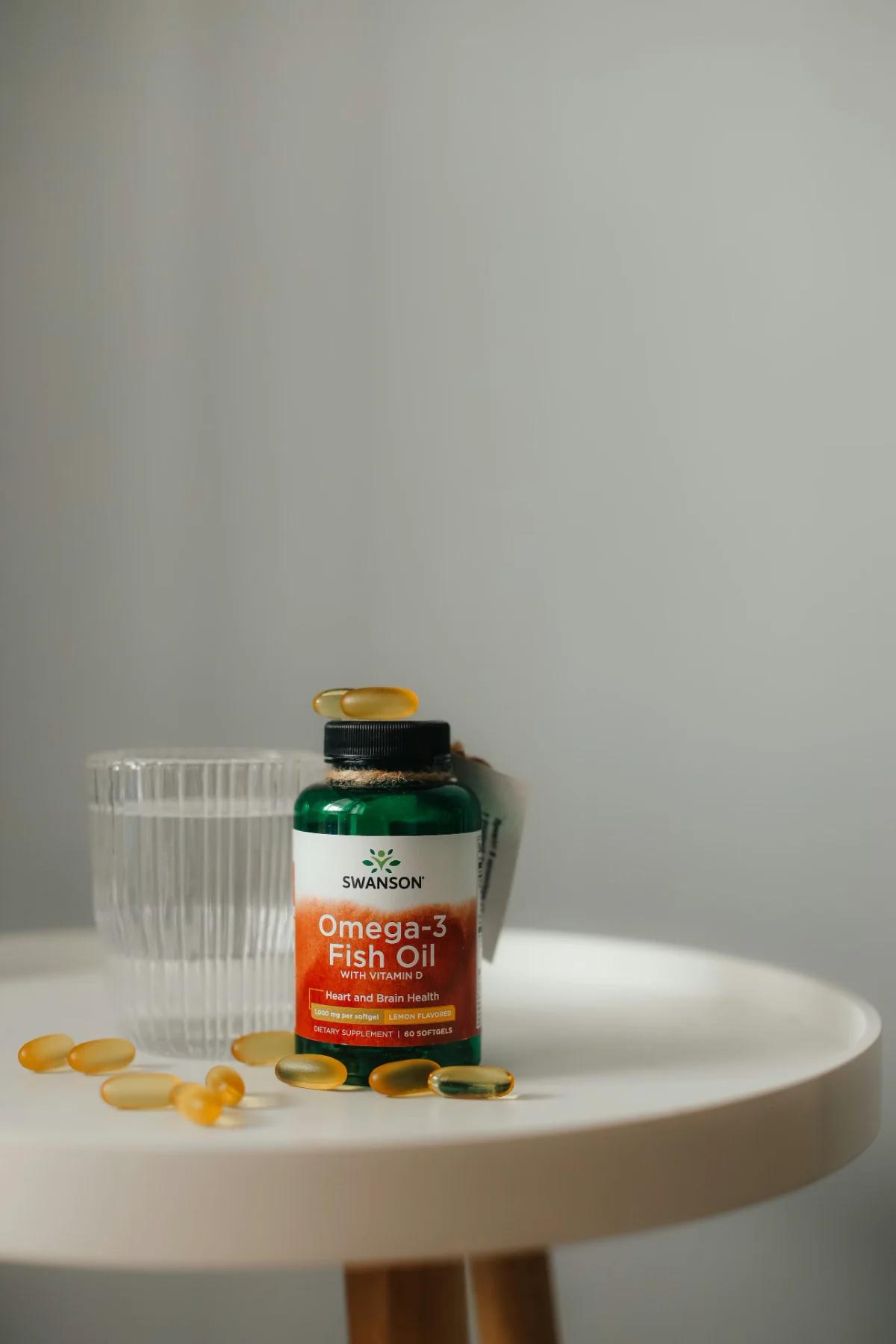
Preservatives are a class of food additives designed to prevent spoilage caused by microorganisms like bacteria, yeast, and mold, as well as oxidation (which causes fats to go rancid). They work through different mechanisms: some, like potassium sorbate and nisin, disrupt the cell membranes or metabolic processes of microbes, inhibiting their growth. Antioxidants, like Vitamin C (ascorbic acid) and mixed tocopherols (Vitamin E), slow down oxidation by reacting with oxygen themselves, thereby protecting the food. By significantly extending the shelf life of food, preservatives reduce food waste and prevent foodborne illnesses, playing a critical role in food safety and security, especially for perishable goods.
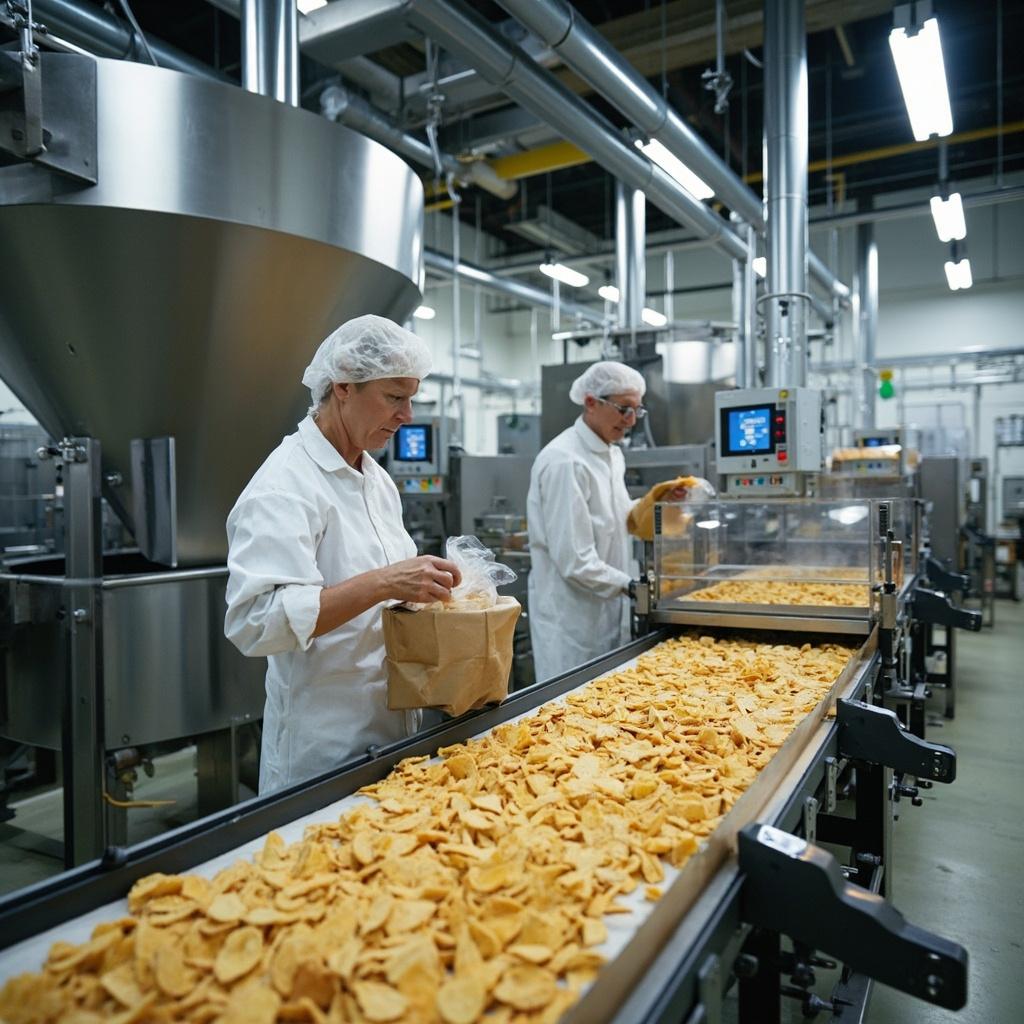
食品添加剂行业是全球经济的重要组成部分,涵盖服务于全球多样化终端市场的关键产品的设计、生产和分销。
主要类别:防腐剂、乳化剂、稳定剂、增稠剂、甜味剂、色素、香精、酶制剂和营养强化剂。全球食品添加剂市场超过500亿美元。
关键功能:延长保质期、改善质构和口感、增强风味和外观、维持营养价值,并通过抗菌作用确保食品安全。监管机构(FDA、EFSA、JECFA)在批准前会严格评估安全性。
行业动态:食品添加剂行业以持续创新、不断变化的消费者需求以及对可持续性的日益重视为特征。投资于技术、质量体系和供应链韧性的公司,在全球竞争激烈的市场中更有可能取得长期成功。
The food additives industry is a vital segment of the global economy, encompassing the design, production, and distribution of essential products that serve diverse end markets worldwide.
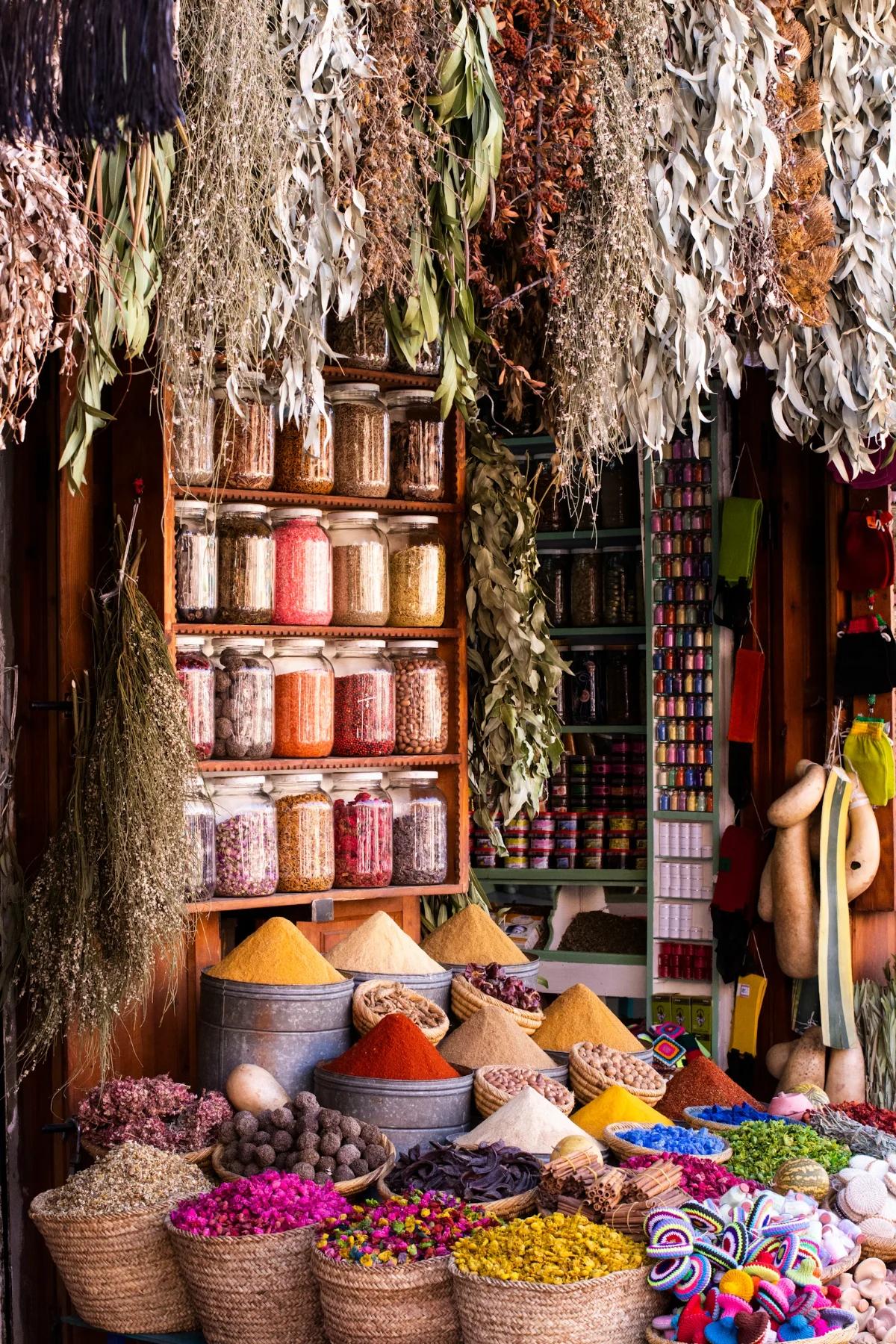
Major Categories: Preservatives, emulsifiers, stabilizers, thickeners, sweeteners, colors, flavors, enzymes, and nutritional fortifiers. The global food additives market exceeds $50 billion.
Key Functions: Extending shelf life, improving texture and mouthfeel, enhancing flavor and appearance, maintaining nutritional value, and ensuring food safety through antimicrobial action. Regulatory frameworks (FDA, EFSA, JECFA) rigorously evaluate safety before approval.
Industry Dynamics: The food additives sector is characterized by continuous innovation, evolving consumer demands, and increasing emphasis on sustainability. Companies that invest in technology, quality systems, and supply chain resilience are best positioned for long-term success in competitive global markets.
食品添加剂行业的竞争成功取决于多个关键因素——从原材料质量和制造技术到法规合规性和市场定位。
1. 安全与法规:所有食品添加剂必须获得监管机构(FDA GRAS、EFSA、食品法典委员会)的批准,并通过毒理学研究确定可接受的每日摄入量(ADI)。
2. 清洁标签趋势:消费者对天然替代品的需求推动创新——植物基色素(甜菜根、螺旋藻、姜黄)、天然防腐剂(迷迭香提取物、培养葡萄糖)以及清洁标签淀粉替代改性食品淀粉。
3. 功能性表现:添加剂的效果取决于pH值、温度、加工条件以及与其他成分的相互作用——需要复杂的配方专业知识。
4. 供应链:许多天然添加剂是农产品衍生物,受作物周期、天气和价格波动影响。合成添加剂提供更稳定的定价和供应。
质量标准:食品添加剂行业的领先公司通常以ISO 9001认证为基础,许多公司还持有行业特定认证。产品检测、材料可追溯性和第三方检验是基本的质量保证实践。可持续性认证正日益被全球主要买家和监管机构所要求。
The food additives industry is shaped by several critical factors that determine competitive success — from raw material quality and manufacturing technology to regulatory compliance and market positioning.
1. Safety & Regulation: All food additives must be approved by regulatory authorities (FDA GRAS, EFSA, Codex Alimentarius) with acceptable daily intake (ADI) levels established through toxicological studies.
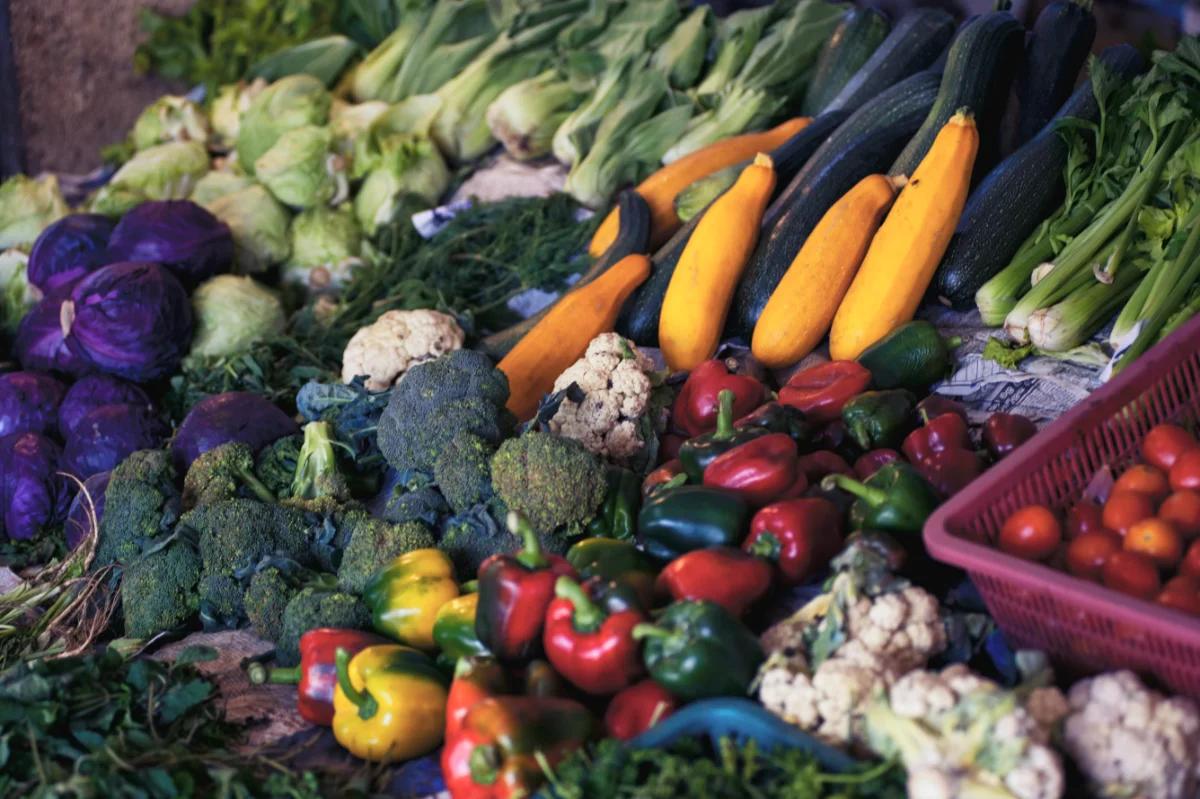
2. Clean Label Trend: Consumer demand for natural alternatives is driving innovation — plant-based colors (beetroot, spirulina, turmeric), natural preservatives (rosemary extract, cultured dextrose), and clean-label starches replacing modified food starch.
3. Functional Performance: Additive effectiveness depends on pH, temperature, processing conditions, and interactions with other ingredients — requiring sophisticated formulation expertise.
4. Supply Chain: Many natural additives are agricultural derivatives subject to crop cycles, weather, and price volatility. Synthetic additives offer more stable pricing and supply.
Quality Standards: Leading companies in the food additives sector typically hold ISO 9001 certification as a baseline, with many also maintaining industry-specific certifications. Product testing, material traceability, and third-party inspection are essential quality assurance practices. Sustainability certifications are increasingly required by major buyers and regulators worldwide.
采购食品添加剂产品需要全面评估供应商能力、质量体系、成本结构和合规资质。
1. 法规状态:确认该添加剂在目标市场和产品类别中获准使用——批准状态因国家而异。
2. 质量与纯度:要求符合FCC(食品化学品法典)、USP/NF或JECFA标准的材料。每批次需提供分析证书,包括纯度、重金属、微生物限量和过敏原声明。
3. 应用支持:评估供应商的技术支持——他们能否提供配方指导、稳定性数据以及与您产品基质的兼容性测试?
4. 供应可靠性:评估交货期、最小起订量、包装选项和备用供应安排。单一来源的特种添加剂会带来重大供应风险。
5. 认证:根据产品定位和目标市场,可能需要犹太洁食、清真、非转基因、有机和无过敏原认证。
关键建议:尽可能参观供应商工厂,索取并核实第三方认证,先进行试订单再承诺大批量采购,并与多个合格供应商建立关系以降低集中风险。在采购协议中明确质量规格和检验规程。
Sourcing food additives products requires thorough evaluation of supplier capabilities, quality systems, cost structures, and compliance credentials.
1. Regulatory Status: Verify the additive is approved for use in your target market and product category — approval status varies by country.
2. Quality & Purity: Require FCC (Food Chemicals Codex), USP/NF, or JECFA grade material. Request Certificates of Analysis for each batch including purity, heavy metals, microbial limits, and allergen statements.
3. Application Support: Evaluate the supplier''s technical support — can they provide formulation guidance, stability data, and compatibility testing with your product matrix?
4. Supply Reliability: Assess lead times, minimum order quantities, packaging options, and backup supply arrangements. Single-sourced specialty additives create significant supply risk.
5. Certifications: Kosher, Halal, Non-GMO, Organic, and allergen-free certifications may be required depending on your product positioning and target market.
Key Recommendations: Visit supplier facilities when possible, request and verify third-party certifications, start with trial orders before committing to large volumes, and build relationships with multiple qualified suppliers to reduce concentration risk. Establish clear quality specifications and inspection protocols in purchase agreements.
全球食品添加剂行业的地理分布独具特色,受原材料获取、制造业传统、劳动力成本及市场邻近性等因素影响。
1. 中国:全球最大生产国——柠檬酸、味精、人工甜味剂、维生素(新和成、BBCA、梅花集团)。
2. 欧洲:帝斯曼、凯瑞集团、奇华顿、科汉森、德之馨——香精、酶制剂、发酵剂、天然色素。
3. 美国:IFF(杜邦营养与生物科技)、ADM、嘉吉、宜瑞安、泰莱——特种淀粉、甜味剂、质构剂。
4. 日本:味之素(氨基酸、甜味剂��、高砂、长谷川香料(香精)。
5. 印度与东南亚:天然色素、香料油树脂和水胶体的新兴生产国。
战略启示:在食品添加剂行业成功采购需要了解区域专业化,并维持多元化的采购策略,以平衡成本、质量、交货期和地缘政治风险。可持续性认证和供应链透明度正日益成为进入高端市场的先决条件。
The global food additives industry has a distinctive geographic footprint shaped by raw material access, manufacturing heritage, labor costs, and market proximity.
1. China: World''s largest producer — citric acid, MSG, artificial sweeteners, vitamins (NHU, BBCA, Meihua Group).
2. Europe: DSM, Kerry Group, Givaudan, Chr. Hansen, Symrise — flavors, enzymes, cultures, natural colors.
3. United States: IFF (DuPont N&B), ADM, Cargill, Ingredion, Tate & Lyle — specialty starches, sweeteners, texturants.
4. Japan: Ajinomoto (amino acids, sweeteners), Takasago, T. Hasegawa (flavors).
5. India & Southeast Asia: Growing producers of natural colors, spice oleoresins, and hydrocolloids.
Strategic Implications: Successful procurement in the food additives industry requires understanding regional specialization and maintaining diversified sourcing strategies that balance cost, quality, lead time, and geopolitical risk. Sustainability certifications and supply chain transparency are increasingly becoming prerequisites for market access in premium segments.