关于有机食品营养优势的研究结论不一,但仍在发展。虽然一些研究表明维生素含量相当,但多项荟萃分析一致发现,有机作物的农药残留和有毒重金属镉的含量显著较低。更重要的是,某些有机农产品可能含有更高浓度的抗氧化剂。其主要健康益处在于大幅减少接触合成化学物质。许多消费者选择有机食品还因为其在动物福利和环境保护方面有更严格的标准,这属于间接的长期健康投资。
Research on the nutritional superiority of organic food is mixed but evolving. While some studies show comparable vitamin levels, multiple meta-analyses have consistently found that organic crops have significantly lower levels of pesticide residues and cadmium, a toxic heavy metal. More importantly, certain organic produce may have higher concentrations of antioxidants. The primary health benefit is the drastic reduction in exposure to synthetic chemicals. Many consumers also choose organic for its stricter standards on animal welfare and environmental protection, which are indirect long-term health investments.
有机与健康食品行业是全球经济的重要部分,涵盖基本产品的设计、生产和分销,服务于全球多样化的终端市场。
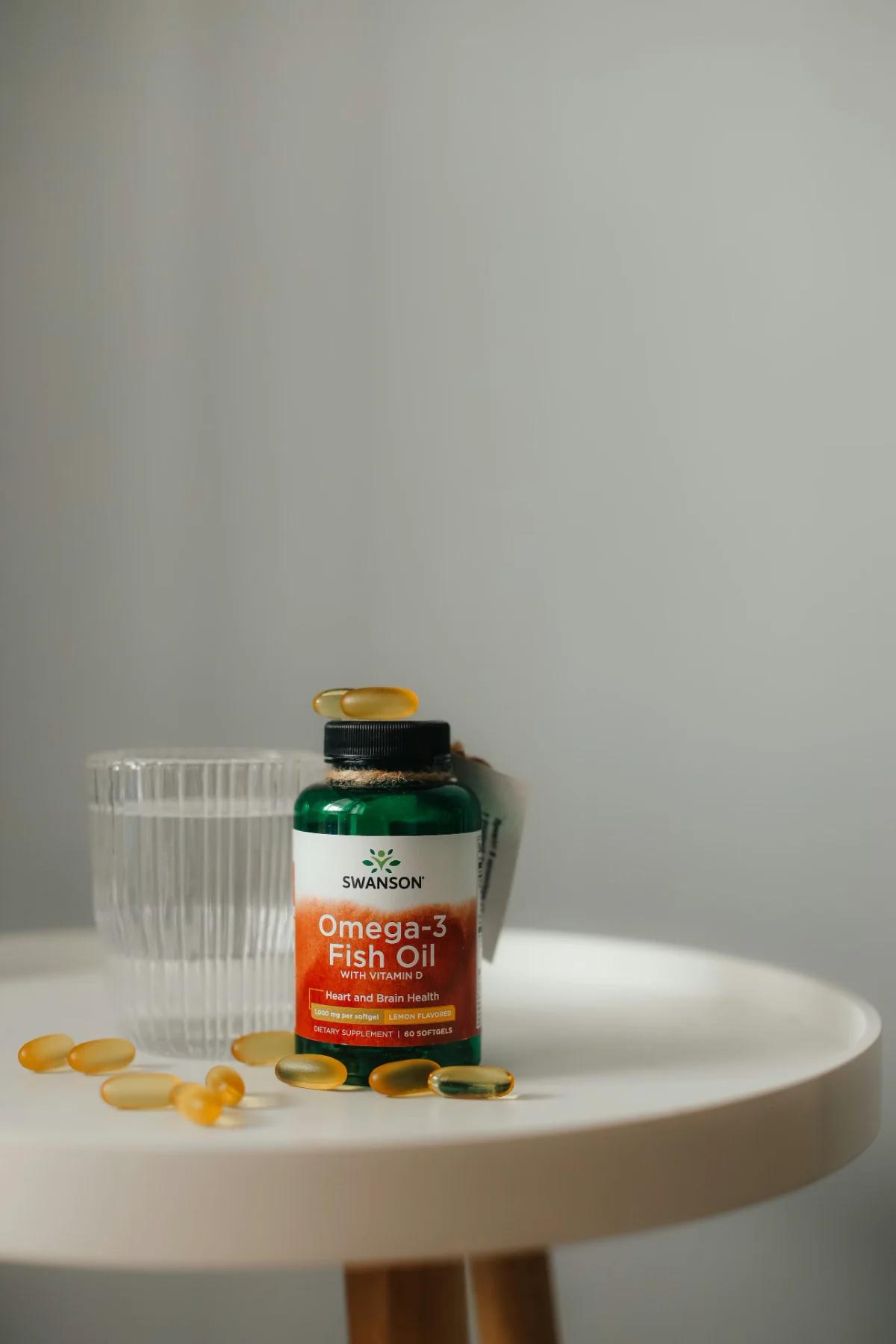
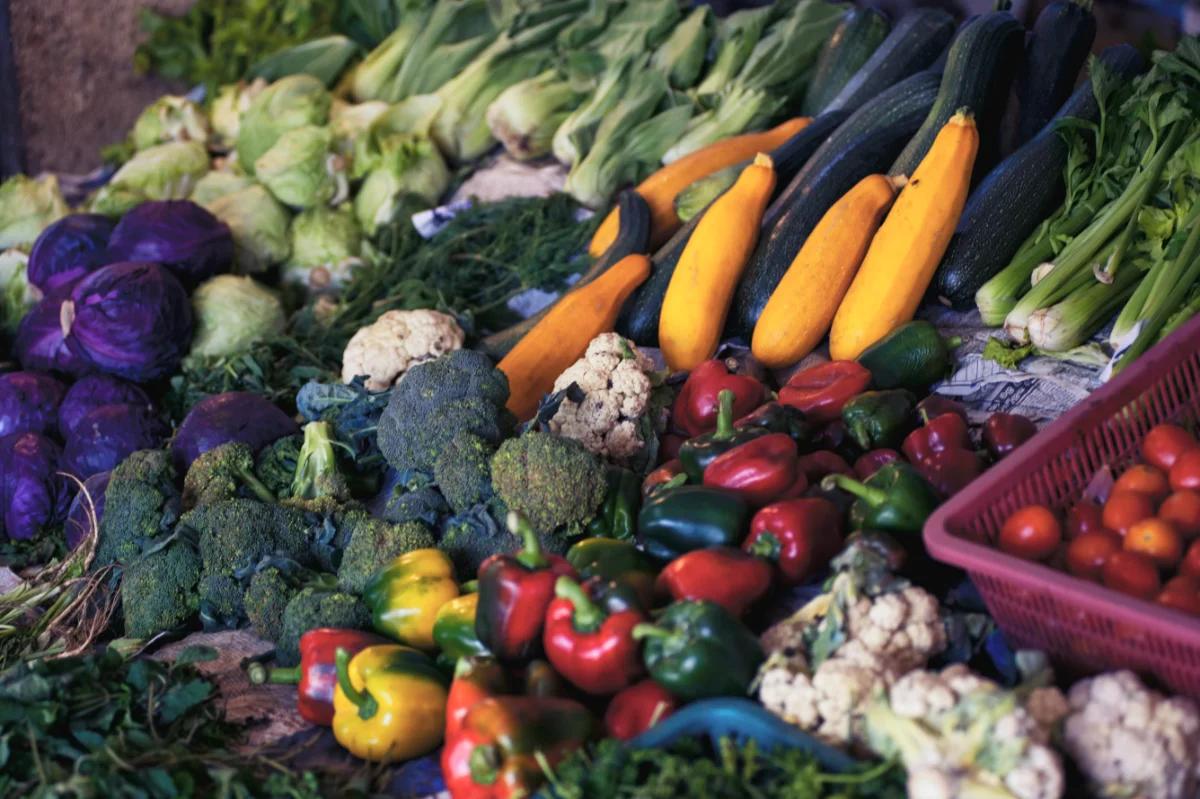
主要类别:认证有机新鲜农产品、有机包装食品(零食、饮料、乳制品、烘焙食品)、天然健康产品、具有附加健康益处的功能性食品以及膳食补充剂。
认证体系:美国农业部有机认证、欧盟有机绿叶标志、日本有机标准以及各国有机标准均要求第三方认证。全球有机食品市场超过2000亿美元,年增长率8-12%。
行业动态:有机与健康食品行业以持续创新、不断变化的消费者需求以及对可持续性的日益重视为特征。投资于技术、质量体系和供应链韧性的公司最有可能在竞争激烈的全球市场中取得长期成功。
The organic & health foods industry is a vital segment of the global economy, encompassing the design, production, and distribution of essential products that serve diverse end markets worldwide.
Major Categories: Certified organic fresh produce, organic packaged foods (snacks, beverages, dairy, baked goods), natural health products, functional foods with added health benefits, and dietary supplements.
Certification Systems: USDA Organic, EU Organic Leaf, JAS (Japan), and various national organic standards require third-party certification. The organic food market exceeds $200 billion globally, growing at 8-12% annually.
Industry Dynamics: The organic & health foods sector is characterized by continuous innovation, evolving consumer demands, and increasing emphasis on sustainability. Companies that invest in technology, quality systems, and supply chain resilience are best positioned for long-term success in competitive global markets.
有机与健康食品行业受多个关键因素影响,这些因素决定了竞争成败——从原材料质量和制造技术,到法规合规性和市场定位。
1. 认证完整性:有机认证需要严格的文档记录、年度检查以及从农场到成品的可追溯性。
2. 供应链管理:有机原料供应有限且具有季节性——有效采购需要长期的种植者关系和跨区域采购策略。
3. 产品开发:在不使用合成防腐剂、香料和加工助剂的情况下配制有机产品,需要天然替代品和专业知识。
4. 消费者信任:透明度、清洁标签和第三方验证至关重要,因为消费者越来越严格地审视健康和可持续性声明。
质量标准:有机与健康食品行业的领先公司通常以ISO 9001认证为基准,许多公司还持有行业特定认证。产品测试、材料可追溯性和第三方检验是基本的质量保证实践。可持续认证正日益成为全球主要买家和监管机构的要求。
The organic & health foods industry is shaped by several critical factors that determine competitive success — from raw material quality and manufacturing technology to regulatory compliance and market positioning.
1. Certification Integrity: Organic certification requires rigorous documentation, annual inspections, and traceability from farm to finished product.
2. Supply Chain Management: Organic ingredients have limited and seasonal supply — effective sourcing requires long-term grower relationships and multi-region procurement strategies.
3. Product Development: Formulating organic products without synthetic preservatives, flavors, and processing aids requires natural alternatives and specialized expertise.
4. Consumer Trust: Transparency, clean labels, and third-party verification are essential as consumers increasingly scrutinize health and sustainability claims.
Quality Standards: Leading companies in the organic & health foods sector typically hold ISO 9001 certification as a baseline, with many also maintaining industry-specific certifications. Product testing, material traceability, and third-party inspection are essential quality assurance practices. Sustainability certifications are increasingly required by major buyers and regulators worldwide.
采购有机与健康食品需要对供应商能力、质量体系、成本结构和合规资质进行全面评估。
1. 核实认证:确认有机认证有效、最新且由认可的认证机构颁发。核实认证范围涵盖所采购的具体产品。
2. 供应可靠性:有机原料面临供应限制——了解收获周期、产量变异性以及供应商的种植者网络和应急计划。
3. 质量规格:定义有机含量(100%有机、有机——95%以上、使用有机原料制成——70%以上)、非转基因验证以及禁用物质检测。
4. 价格溢价:有机产品通常比常规产品溢价20-100%。了解成本结构,并根据批量��诺和长期合同进行谈判。
5. 法规合规性:不同市场有不同的有机标准——美国国家有机计划、欧盟有机、日本有机标准并非自动等同。验证每个目标市场的合规性。
关键建议:尽可能访问供应商工厂,索取并核实第三方认证,在承诺大批量之前先进行试单,并与多个合格供应商建立关系以降低集中风险。在采购协议中明确质量规格和检验规程。
Sourcing organic & health foods products requires thorough evaluation of supplier capabilities, quality systems, cost structures, and compliance credentials.
1. Verify Certification: Confirm organic certification is valid, current, and issued by an accredited certifier. Verify the scope covers the specific products being sourced.
2. Supply Reliability: Organic ingredients face supply constraints — understand harvest cycles, yield variability, and the supplier''s grower network and contingency plans.
3. Quality Specifications: Define organic content (100% organic, organic — 95%+, made with organic — 70%+), non-GMO verification, and prohibited substance testing.
4. Price Premiums: Organic products typically command 20-100% price premiums over conventional. Understand the cost structure and negotiate based on volume commitments and long-term contracts.
5. Regulatory Compliance: Different markets have different organic standards — USDA NOP, EU Organic, JAS are not automatically equivalent. Verify compliance for each target market.
Key Recommendations: Visit supplier facilities when possible, request and verify third-party certifications, start with trial orders before committing to large volumes, and build relationships with multiple qualified suppliers to reduce concentration risk. Establish clear quality specifications and inspection protocols in purchase agreements.
全球有机与健康食品产业的地理分布独具特色,受原材料获取、制造传统、劳动力成本和市场邻近性等因素影响。
1. 美国:全球最大的有机市场(约600亿美元)——全食超市、通用磨坊(安妮牌)、达能、海恩时富、斯普劳特。
2. 欧洲:德国领先(约160亿欧元)——阿尔纳图拉、丹瑞、喜宝;法国、意大利、瑞士——有机传统深厚。
3. 澳大利亚:最大的认证有机农业面积——有机牛肉、谷物、乳制品的主要出口国。
4. 中国与印度:增长最快的市场——食品安全担忧推动有机需求;印度拥有最多的有机农户。
5. 拉丁美洲:主要的有机大宗商品出口地——咖啡、可可、糖、香蕉、藜麦。
战略启示:在有机与健康食品行业成功采购需要了解区域专业化,并维持多元化的采购策略,以平衡成本、质量、交货时间和地缘政治风险。可持续认证和供应链透明度正日益成为进入高端市场的先决条件。
The global organic & health foods industry has a distinctive geographic footprint shaped by raw material access, manufacturing heritage, labor costs, and market proximity.
1. United States: World''s largest organic market (~$60B) — Whole Foods, General Mills (Annie''s), Danone, Hain Celestial, Sprouts.
2. Europe: Germany leads (~€16B) — Alnatura, Dennree, Hipp; France, Italy, Switzerland — strong organic traditions.
3. Australia: Largest certified organic agricultural area — major exporter of organic beef, grains, dairy.
4. China & India: Fastest-growing markets — food safety concerns driving organic demand; India has largest number of organic farmers.
5. Latin America: Major organic commodity exporter — coffee, cocoa, sugar, bananas, quinoa.
Strategic Implications: Successful procurement in the organic & health foods industry requires understanding regional specialization and maintaining diversified sourcing strategies that balance cost, quality, lead time, and geopolitical risk. Sustainability certifications and supply chain transparency are increasingly becoming prerequisites for market access in premium segments.