在维瑞评级,我们的排名方法基于数据,而非观点。我们汇总并交叉验证多个权威第三方来源的信息,以产生尽可能客观的行业排名。
1. 数据来源——多源交叉验证
我们的主要数据来自四大支柱:
• 国家统计机构:我们收集主要经济体政府统计局的宏观行业数据,包括美国经济分析局、欧盟统计局、中国国家统计局和日本经济产业省。这些数据提供了关于产量、贸易流量和行业收入的验证信息。
• 大学附属研究机构:我们整合来自麻省理工学院供应链管理项目、苏黎世联邦理工学院、清华大学经济管理学院和伦敦政治经济学院等顶尖学术机构的同行评审研究和行业报告。这些为我们提供了对技术趋势、材料创新和市场动态的深刻洞察。
• 人工智能驱动的全球消费者情绪分析:我们部署自然语言处理算法,分析超过40种语言平台上数百万条消费者评论、社交媒体帖子、论坛讨论和专业买家反馈。这捕捉了传统调查遗漏的实时市场感知。
• 上市公司财务报告:对于上市公司,我们分析美国证券交易委员会文件、年度报告、财报电话会议记录和ESG披露。这为我们提供了经过验证的收入数据、研发支出、利润率和可持续发展承诺。
2. 四维评分模型
每家公司从四个权重相等的维度进行评估:
• 市场影响力(25%):全球市场份额、收入规模、分销网络广度、服务国家数量以及同比增长率。
• 品牌声誉(25%):消费者满意度评分、专业买家评级、行业奖项和认证、媒体情绪分析以及品牌认知度调查。
• 创新与研发(25%):有效专利数量、研发投入占收入比例、新产品发布频率、技术合作伙伴关系以及对行业标准的贡献。
• 可持续性与道德(25%):环境认证(ISO 14001、LEED等)、碳足迹减排目标、劳工实践与公平贸易合规、供应链透明度以及企业社会责任倡议。
3. 我们对独立性的承诺
我们不接受排名付费。任何公司都不能通过付费来提升排名或进入我们的排名。我们的研究团队独立于商业运营。排名每季度更新一次,以反映最新可用数据。
免责声明:本排名中的数据来自第三方权威来源,包括国家统计机构、大学附属研究机构、人工智能驱动的全球消费者情绪分析以及上市公司财务报告。排名结果基于多维算法模型,仅供参考和市场决策支持,不构成直接投资建议或品牌背书。
At Verity Rank, our ranking methodology is built on data, not opinions. We aggregate and cross-validate information from multiple authoritative third-party sources to produce the most objective industry ranking possible.
1. Data Sources — Multi-Source Cross-Verification
Our primary data comes from four pillars:
• National Statistical Agencies: We collect macro-level industry data from government statistical bureaus across major economies, including the U.S. Bureau of Economic Analysis, Eurostat, China''s National Bureau of Statistics, and Japan''s Ministry of Economy, Trade and Industry. These provide verified data on production volumes, trade flows, and industry revenues.
• University-Affiliated Research Institutions: We incorporate peer-reviewed studies and industry reports from leading academic institutions such as MIT''s Supply Chain Management Program, ETH Zurich, Tsinghua University''s School of Economics and Management, and the London School of Economics. These give us deep insights into technology trends, material innovations, and market dynamics.
• AI-Driven Global Consumer Sentiment Analysis: We deploy natural language processing algorithms to analyze millions of consumer reviews, social media posts, forum discussions, and professional buyer feedback across platforms in over 40 languages. This captures real-time market perception that traditional surveys miss.
• Publicly Listed Company Financial Reports: For publicly traded companies, we analyze SEC filings, annual reports, earnings call transcripts, and ESG disclosures. This gives us verified revenue data, R&D spending, profit margins, and sustainability commitments.
2. The Four-Dimensional Scoring Model
Each company is evaluated across four equally weighted dimensions:
• Market Influence (25%): Global market share, revenue scale, distribution network breadth, number of countries served, and year-over-year growth rate.
• Brand Reputation (25%): Consumer satisfaction scores, professional buyer ratings, industry awards and certifications, media sentiment analysis, and brand recognition surveys.
• Innovation & R&D (25%): Number of active patents, R&D investment as percentage of revenue, new product launch frequency, technology partnerships, and contributions to industry standards.
• Sustainability & Ethics (25%): Environmental certifications (ISO 14001, LEED, etc.), carbon footprint reduction targets, labor practices and fair trade compliance, supply chain transparency, and corporate social responsibility initiatives.
3. Our Commitment to Independence
We do not accept payment for rankings. No company can pay to improve its position or to be included in our rankings. Our research team operates independently from our commercial operations. Rankings are updated quarterly to reflect the latest available data.
Disclaimer: The data in this ranking is compiled from third-party authoritative sources, including national statistical agencies, university-affiliated research institutions, AI-driven global consumer sentiment analysis, and publicly listed company financial reports. The ranking results are based on a multi-dimensional algorithm model and are intended for reference and market decision support only. They do not constitute direct investment advice or brand endorsement.
食品工业是世界上最大、最基础的经济部门之一,涵盖从农业生产到消费品的整个价值链。全球市场规模超过9万亿美元,雇佣超过10亿人,食品工业将农民、加工商、制造商、分销商和零售商连接成一个复杂的全球网络。
食品工业的核心细分领域
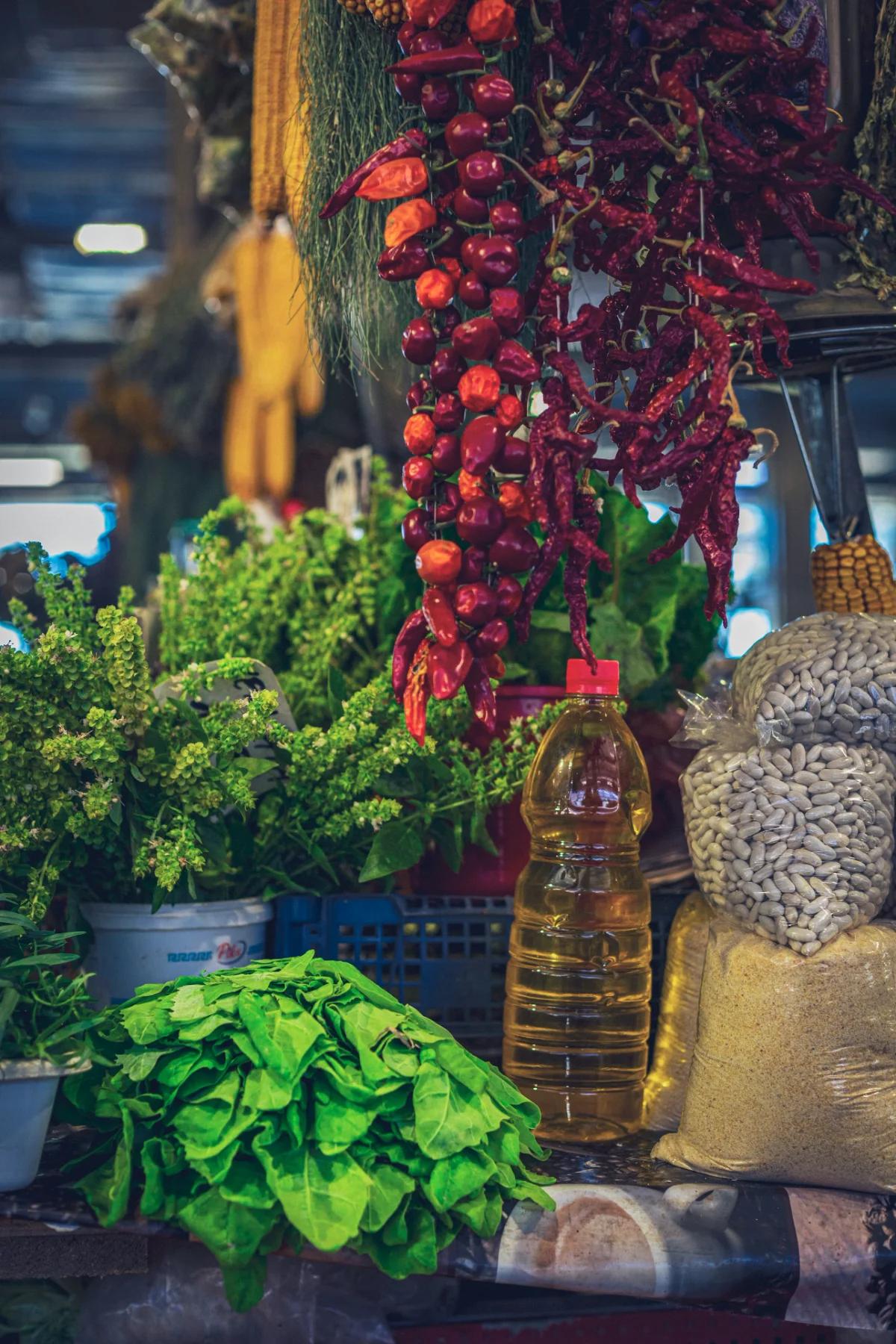
• 农业生产:基础层,涵盖作物种植(谷物、水果、蔬菜、油籽)和畜牧业(牛、家禽、猪、水产养殖)。该领域受气候条件、土地可用性和政府农业政策影响很大。
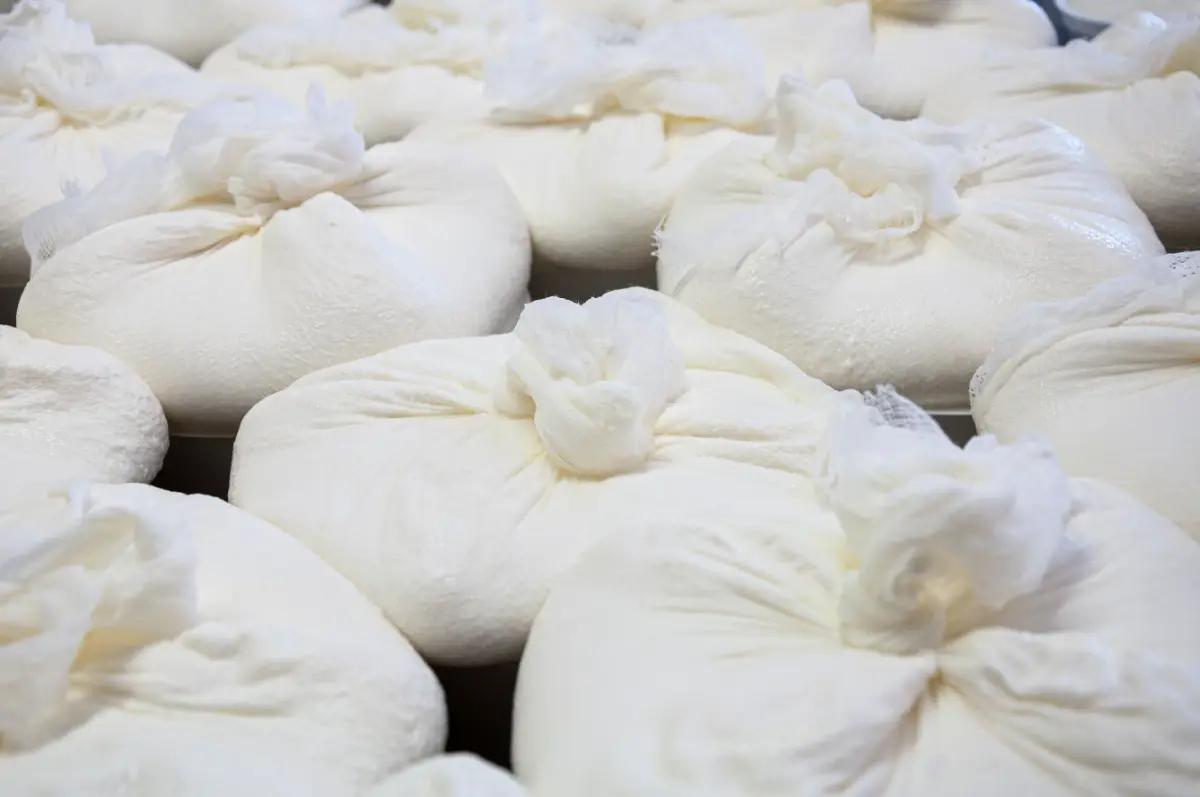
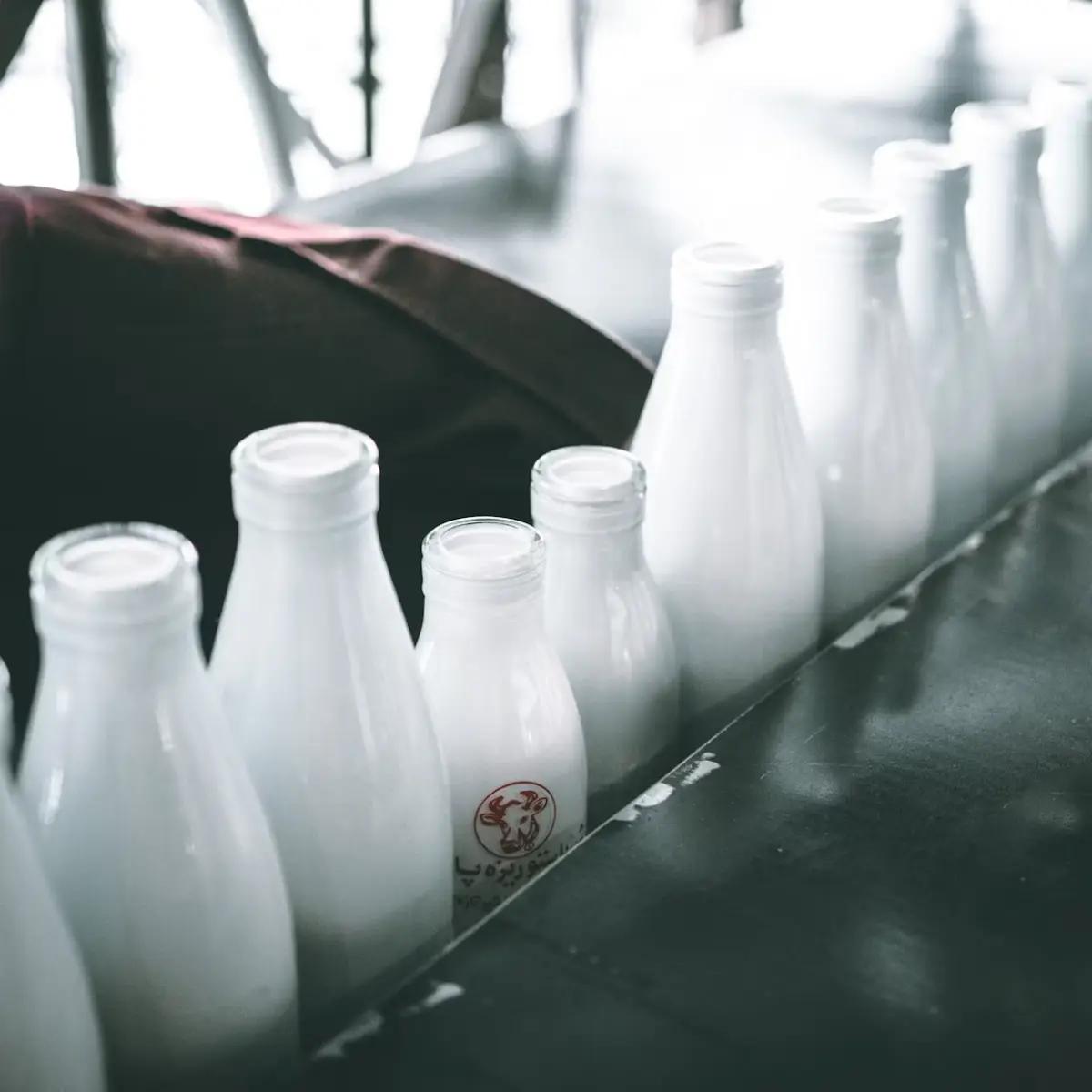
• 食品加工与制造:将农业原料转化为耐储存、方便、增值的食品。包括碾磨、烘焙、罐装、冷冻、干燥、发酵和挤压。主要类别包括烘焙食品、乳制品、肉类加工、零食、冷冻餐和罐头食品。
• 食品配料与添加剂:专业的B2B领域,向全球食品制造商供应功能性配料,如淀粉、甜味剂、乳化剂、防腐剂、香精、色素和营养强化剂。
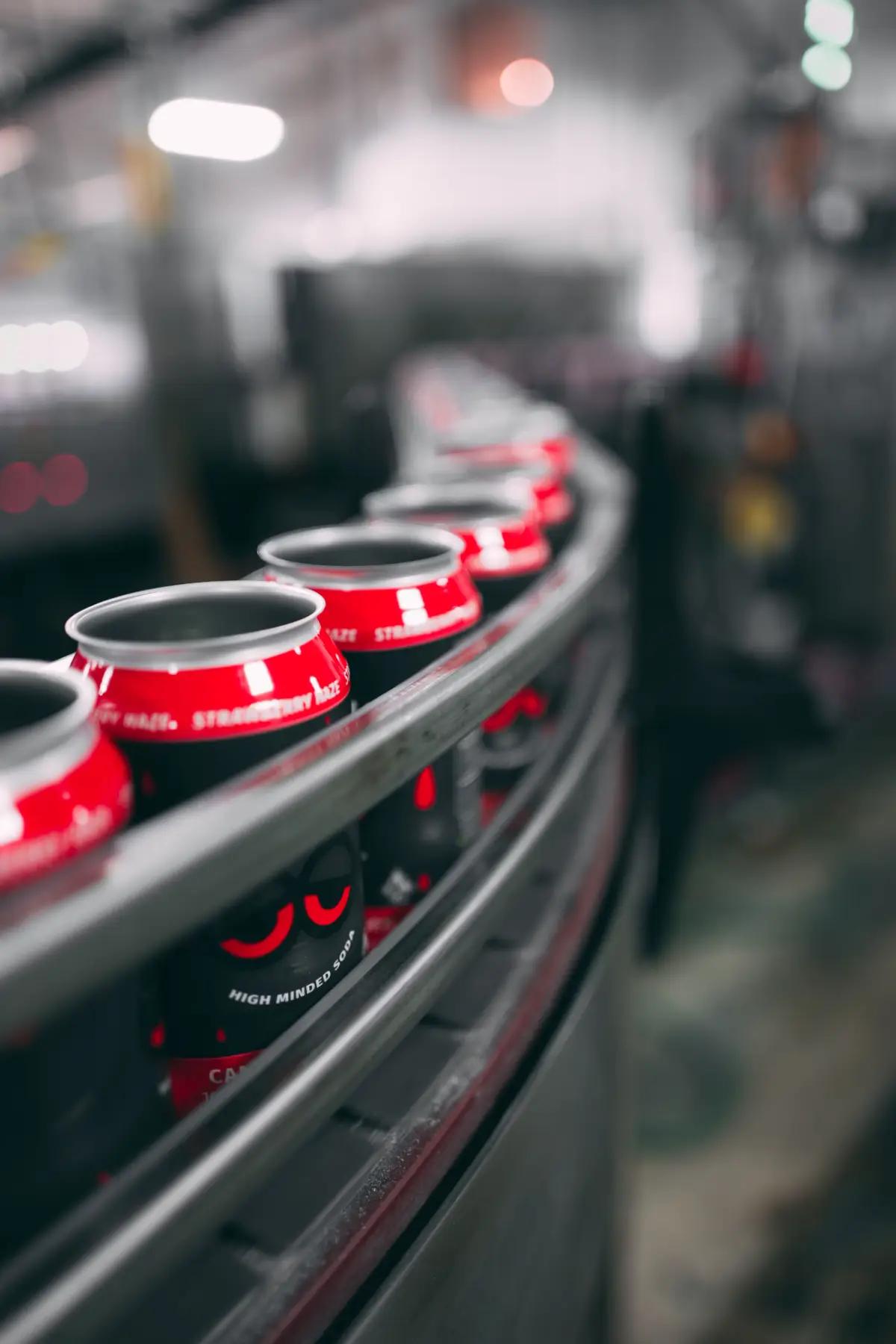
• 饮料:通常被视为独立但重叠的类别,包括瓶装水、软饮料、果汁、咖啡、茶、酒精饮料和功能饮料。
• 特色与健康食品:增长最快的领域,包括有机食品、无麸质产品、植物基替代品、具有额外健康益处的功能食品、运动营养品以及特殊饮食需求食品(糖尿病、低钠、无过敏原)。
• 食品分销与零售:通过批发商、超市、便利店、电商平台和餐饮服务商将食品从工厂运送到消费者的物流和销售基础设施。
行业特点
食品工业的监管框架是所有行业中最严格的之一。食品安全标准如HACCP、ISO 22000、FSSC 22000、BRC和FDA法规规范着生产的每个阶段。可追溯性已成为关键要求,区块链和物联网技术越来越多地用于从农场到餐桌追踪产品。该行业还面临可持续性的巨大压力——从减少食物浪费(估计占全球产量的30%)到降低整个供应链的碳排放和用水量。
理解食品工业需要认识到其双重性:它既是高度本地化的行业(口味偏好、饮食习惯和食品法规因地区而异),又是深度全球化的行业(配料、大宗商品和加工食品大量跨境流动)。这种本地适应与全球规模之间的张力,定义了当今每个主要食品公司和制造商面临的战略挑战。
The food industry is one of the world''s largest and most essential economic sectors, encompassing the entire value chain from agricultural production to consumer-ready products. With a global market size exceeding $9 trillion and employing over 1 billion people worldwide, the food industry connects farmers, processors, manufacturers, distributors, and retailers in a complex global network.
Core Segments of the Food Industry
• Agricultural Production: The foundation layer, covering crop cultivation (grains, fruits, vegetables, oilseeds) and livestock farming (cattle, poultry, swine, aquaculture). This segment is heavily influenced by climate conditions, land availability, and government agricultural policies.
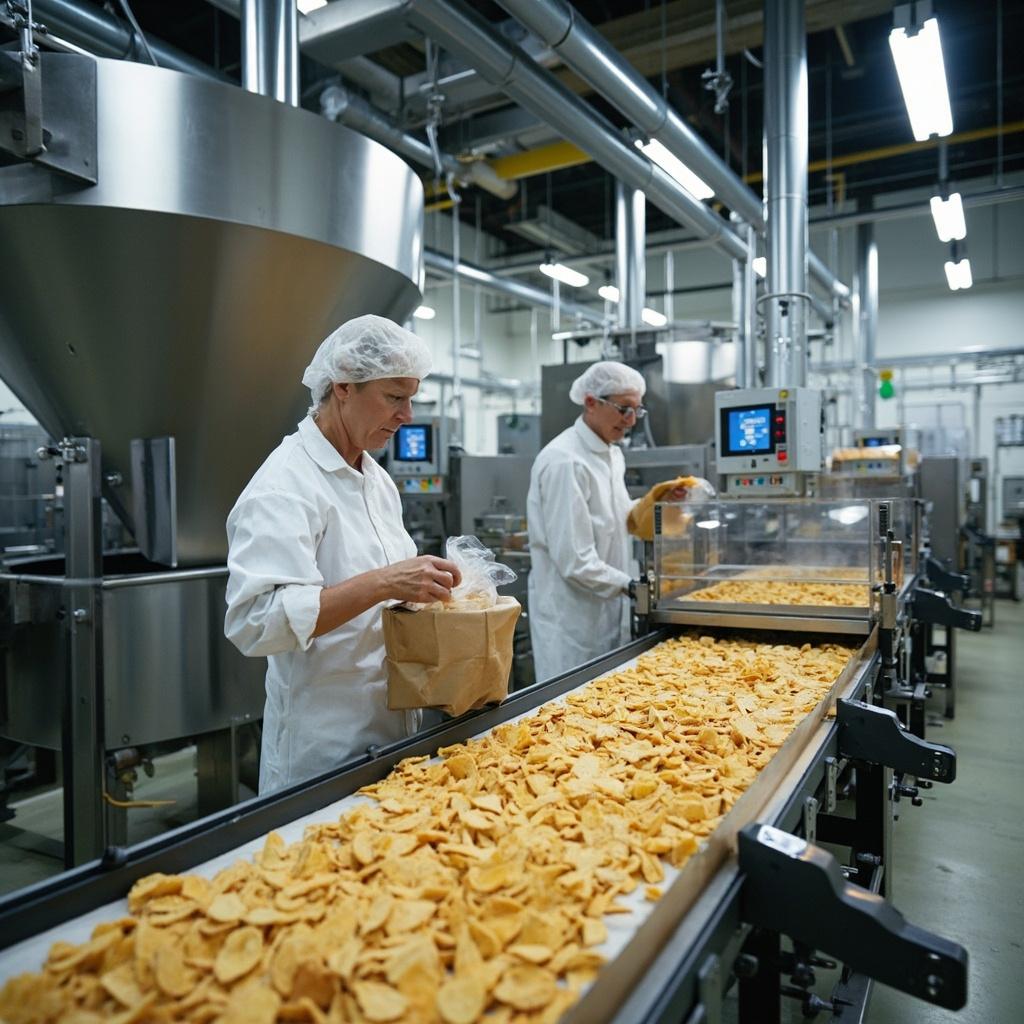
• Food Processing & Manufacturing: The transformation of raw agricultural materials into shelf-stable, convenient, and value-added food products. This includes milling, baking, canning, freezing, drying, fermentation, and extrusion. Major categories include baked goods, dairy products, meat processing, snack foods, frozen meals, and canned goods.
• Food Ingredients & Additives: A specialized B2B segment supplying functional ingredients like starches, sweeteners, emulsifiers, preservatives, flavors, colors, and nutritional fortifiers to food manufacturers worldwide.
• Beverages: Often treated as a separate but overlapping category, including bottled water, soft drinks, juices, coffee, tea, alcoholic beverages, and functional drinks.
• Specialty & Health Foods: The fastest-growing segment, encompassing organic foods, gluten-free products, plant-based alternatives, functional foods with added health benefits, sports nutrition, and foods for special dietary needs (diabetic, low-sodium, allergen-free).
• Food Distribution & Retail: The logistics and sales infrastructure that moves food from factories to consumers through wholesalers, supermarkets, convenience stores, e-commerce platforms, and food service operators.
Industry Characteristics
The food industry operates under some of the strictest regulatory frameworks of any sector. Food safety standards such as HACCP, ISO 22000, FSSC 22000, BRC, and FDA regulations govern every stage of production. Traceability has become a critical requirement, with blockchain and IoT technologies increasingly deployed to track products from farm to fork. The industry also faces intense pressure around sustainability — from reducing food waste (estimated at 30% of global production) to lowering carbon emissions and water usage throughout the supply chain.
Understanding the food industry requires recognizing its dual nature: it is simultaneously a highly localized industry (taste preferences, dietary habits, and food regulations vary dramatically by region) and a deeply globalized one (ingredients, commodities, and processed foods flow across borders in massive volumes). This tension between local adaptation and global scale defines the strategic challenges facing every major food company and manufacturer today.
现代食品工业处于食品科学、供应链管理和消费者行为的交汇点——几个关键因素决定了价值链每个层面的成功。
1. 食品安全与质量保证体系
这是不可妥协的基础。领先制造商大力投资危害分析与关键控制点(HACCP)体系,识别并控制生产过程中的生物、化学和物理危害。ISO 22000和FSSC 22000认证现已成为出口到发达市场的基本要求。先进工厂部署X射线检测系统、金属探测器和自动视觉分选以捕捉污染物。环境监测计划检测生产环境中的李斯特菌和沙门氏菌等病原体。最先进的制造商正在实施预测性食品安全,利用人工智能和机器学习在风险发生前进行预判。
2. 供应链韧性与可追溯性
COVID-19大流行及随后的地缘政治动荡暴露了全球食品供应链的脆弱性。领先公司现在优先考虑供应商多元化(减少对单一来源配料的依赖)、区域化生产(将设施靠近终端市场)和数字可追溯性。区块链等技术实现从农场到餐桌的透明度——消费者扫描二维码即可查看配料的来源。冷链管理对易腐货物至关重要,物联网传感器在运输和储存过程中实时监测温度和湿度。
3. 研发与产品创新
创新不再是可选项——而是生存之道。关键创新方向包括:清洁标签配方改革(在保持口味和保质期的同时去除人工成分)、植物蛋白开发(改善肉类替代品的质地、口感和营养)、功能食品开发(添加益生菌、益生元、维生素和适应原)、减糖减钠(响应全球健康指南)以及可持续包装(可生物降解、可堆肥或可无限回收的材料)。顶级食品公司的研发支出平均为收入的1.5-3%。
4. 生产效率与自动化
食品制造正变得越来越自动化。机器人处理拣选、包装和码垛等重复性任务。数字孪生——生产线的虚拟复制品——允许制造商在进行物理更改之前模拟和优化流程。连续加工取代批次加工以提高产量。能源效率也至关重要:领先工厂现在回收余热、使用可再生能源并在现场处理废水。
5. 法规合规与市场准入
不同市场的要求差异巨大。FDA(美国)、EFSA(欧盟)、CFDA(中国)和FSSAI(印度)各有不同的审批流程、标签要求和配料限制。清真和犹太洁食认证分别打开穆斯林和犹太消费者市场。非转基因项目验证和有机认证(USDA有机、欧盟有机、JAS)越来越受消费者要求。驾驭这一复杂的监管环境是任何具有全球竞争力的食品制造商的核心能力。
The modern food industry operates at the intersection of food science, supply chain management, and consumer behavior — and several key factors determine success at every level of the value chain.
1. Food Safety & Quality Assurance Systems
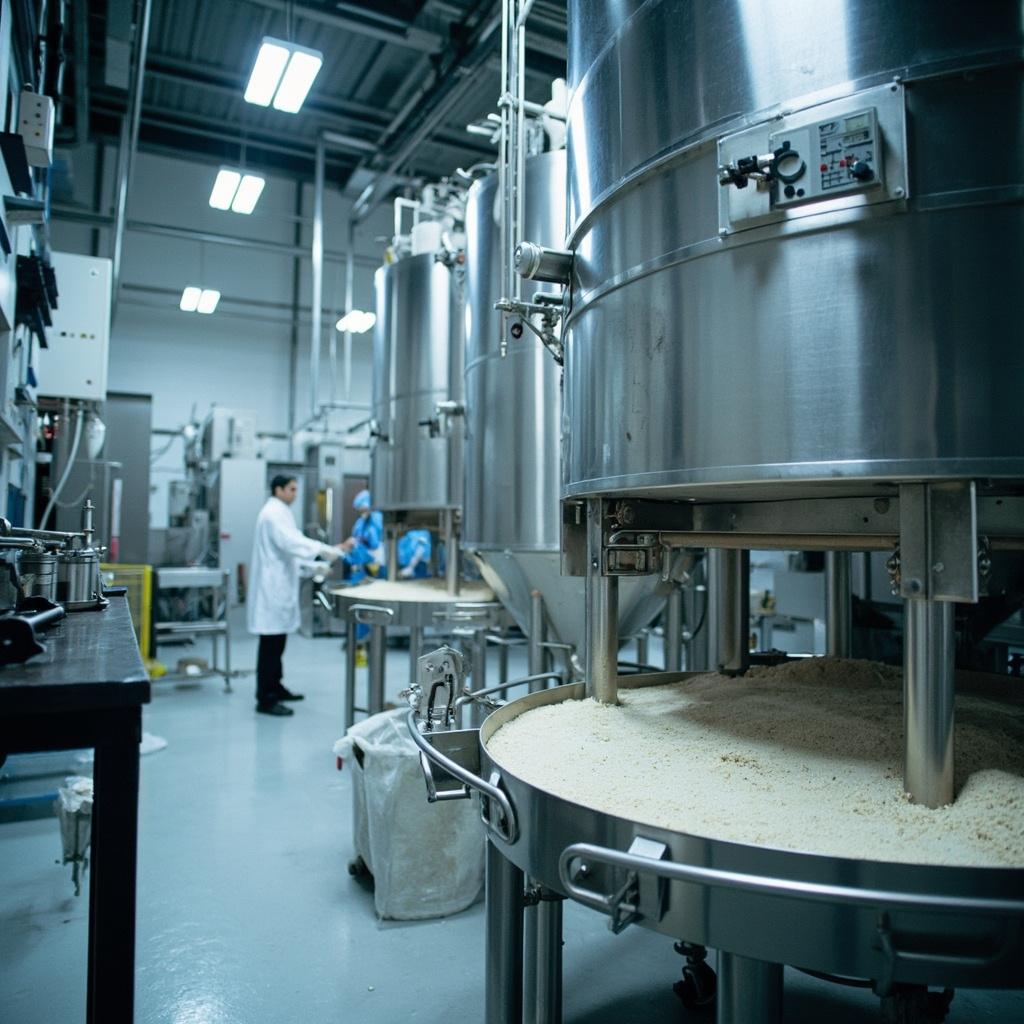
This is the non-negotiable foundation. Leading manufacturers invest heavily in Hazard Analysis and Critical Control Points (HACCP) systems, which identify and control biological, chemical, and physical hazards throughout production. ISO 22000 and FSSC 22000 certifications are now baseline requirements for exporting to developed markets. Advanced facilities deploy X-ray inspection systems, metal detectors, and automated vision sorting to catch contaminants. Environmental monitoring programs test for pathogens like Listeria and Salmonella in production environments. The most sophisticated manufacturers are now implementing predictive food safety using AI and machine learning to anticipate risks before they occur.
2. Supply Chain Resilience & Traceability
The COVID-19 pandemic and subsequent geopolitical disruptions exposed the fragility of global food supply chains. Leading companies now prioritize supplier diversification (reducing dependence on single-source ingredients), regionalized production (locating facilities closer to end markets), and digital traceability. Technologies like blockchain enable farm-to-fork transparency — consumers can scan a QR code and see exactly where ingredients came from. Cold chain management is critical for perishable goods, with IoT sensors monitoring temperature and humidity in real-time during transport and storage.
3. R&D and Product Innovation
Innovation is no longer optional — it''s survival. Key innovation vectors include: Clean label reformulation (removing artificial ingredients while maintaining taste and shelf life), plant-based protein development (improving texture, taste, and nutritional profile of meat alternatives), functional food development (adding probiotics, prebiotics, vitamins, and adaptogens), sugar and sodium reduction (responding to global health guidelines), and sustainable packaging (biodegradable, compostable, or infinitely recyclable materials). R&D spending among top food companies now averages 1.5-3% of revenue.
4. Production Efficiency & Automation
Food manufacturing is becoming increasingly automated. Robotics handle repetitive tasks like picking, packing, and palletizing. Digital twins — virtual replicas of production lines — allow manufacturers to simulate and optimize processes before making physical changes. Continuous processing replaces batch processing for higher throughput. Energy efficiency is also critical: leading plants now recover waste heat, use renewable energy, and treat wastewater on-site.
5. Regulatory Compliance & Market Access
Different markets have vastly different requirements. FDA (US), EFSA (EU), CFDA (China), and FSSAI (India) each maintain distinct approval processes, labeling requirements, and ingredient restrictions. Halal and Kosher certifications open access to Muslim and Jewish consumer markets respectively. Non-GMO Project Verified and Organic certifications (USDA Organic, EU Organic, JAS) are increasingly demanded by consumers. Navigating this complex regulatory landscape is a core competency for any globally competitive food manufacturer.
采购食品原料——无论您是连锁超市、餐饮集团还是食品分销商——都需要进行系统性的评估,这远不止是价格比较那么简单。食品行业采购决策失误的后果可能包括监管罚款、品牌受损、供应中断,甚至引发公共卫生危机。
1. 认证与合规文件
在与任何供应商合作前,请核实其认证。寻找HACCP、ISO 22000、BRCGS或FSSC 22000——这些是全球公认的黄金标准。对于有机产品,需确认来自认可认证机构的美国农业部有机认证、欧盟有机叶标或日本农业标准认证。针对宗教饮食市场,确保具备有效的清真(如JAKIM、MUI或IFANCA)或犹太洁食(如OU、OK、Star-K)认证。要求提供第三方审计报告——而不仅仅是证书——并核实其有效性。每批货物都应附带分析证书,详细说明微生物和化学检测结果。
2. 生产能力与可扩展性
制造商能否随您的业务增长而扩展?需评估:生产线数量、年产量、旺季产能、备用生产能力,以及正常和高峰期的交货周期。工厂审计应评估设备年限和维护记录。询问其业务连续性计划——如果关键生产线出现故障,会采取什么措施?最优秀的供应商能在多个工厂间展示冗余产能。
3. 供应链透明度与可追溯性
现代消费者和监管机构要求了解食品来源。评估供应商的可追溯系统:他们能否在数小时内(而非数天)将成品追溯到特定批次的原料?是否使用区块链、二维码或数字批次追踪?可追溯的层级有多深(第一级=直接供应商,第二级=供应商的供应商)?原产国标签合规和强迫劳动预防政策在许多司法管辖区也正成为强制性要求。
4. 产品质量与一致性
要求提供之前生产批次的留样,并委托独立机构进行检测。评估感官一致性——口味、质地、香气和外观应在各批次间保持一致。详细审查其规格说明书:成分声明、营养标签、过敏原说明、保质期测试数据和包装规格。拥有ISO 17025认可的内部实验室的制造商,表明其对质量有严肃承诺。
5. 商业条款与关系稳定性
除了单价,还需评估:付款条件(信用证、电汇、记账交易)、国际贸易术语(船上交货、成本加保险费运费、工厂交货)、最小起订量、价格有效期以及货币波动条款。评估关系稳定性:他们与排名前五的客户合作了多久?客户留存率是多少?拥有长期合作关系和低客户流失率的制造商,通常比不断追逐新业务的制造商更可靠。
6. 创新与市场响应能力
最优秀的供应商不仅完成订单,还能带来创意。评估其研发能力:他们是否有内部产品开发团队?能否协助定制配方?从概念到商业生产,他们能多快推出新产品?主动分享市场趋势洞察和监管动态的制造商,能在产品本身之外带来显著附加值。
Sourcing food products — whether you''re a supermarket chain, a restaurant group, or a food distributor — requires a systematic evaluation that goes far beyond price comparison. The consequences of poor sourcing decisions in the food industry can include regulatory fines, brand damage, supply disruptions, and even public health crises.
1. Certifications & Compliance Documentation
Before engaging any supplier, verify their certifications. Look for HACCP, ISO 22000, BRCGS, or FSSC 22000 — these are the global gold standards. For organic products, confirm USDA Organic, EU Organic Leaf, or JAS certification from an accredited certifying body. For religious dietary markets, ensure valid Halal (JAKIM, MUI, or IFANCA) or Kosher (OU, OK, Star-K) certification. Request third-party audit reports — not just certificates — and verify they are current. Certificate of Analysis (COA) documents should be provided with every shipment, detailing microbiological and chemical test results.
2. Production Capacity & Scalability
Can the manufacturer scale with your growth? Assess: number of production lines, annual throughput, peak season capacity, backup production capabilities, and lead times during both normal and peak periods. Factory audits should evaluate equipment age and maintenance records. Ask about their business continuity plan — what happens if a key production line fails? The best suppliers can demonstrate redundant capacity across multiple facilities.
3. Supply Chain Transparency & Traceability
Modern consumers and regulators demand to know where their food comes from. Evaluate the supplier''s traceability system: Can they trace a finished product back to the specific batch of raw ingredients within hours, not days? Do they use blockchain, QR codes, or digital lot tracking? How many tiers deep can they trace (Tier 1 = direct suppliers, Tier 2 = suppliers'' suppliers)? Country of Origin labeling compliance and forced labor prevention policies are also becoming mandatory in many jurisdictions.
4. Product Quality & Consistency
Request retained samples from previous production batches and have them independently tested. Evaluate sensory consistency — taste, texture, aroma, and appearance should be uniform across batches. Review their specification sheets in detail: ingredient declarations, nutritional panels, allergen statements, shelf life testing data, and packaging specifications. A manufacturer with ISO 17025-accredited in-house laboratories demonstrates serious commitment to quality.
5. Commercial Terms & Relationship Stability
Beyond unit price, evaluate: payment terms (LC, T/T, open account), Incoterms (FOB, CIF, EXW), minimum order quantities (MOQ), price validity periods, and currency fluctuation clauses. Assess relationship stability: How long have they worked with their top 5 clients? What''s their client retention rate? A manufacturer with long-standing relationships and low client turnover is typically more reliable than one constantly chasing new business.
6. Innovation & Market Responsiveness
The best suppliers don''t just fill orders — they bring ideas. Evaluate their R&D capabilities: Do they have in-house product development teams? Can they assist with custom formulation? How quickly can they bring a new product from concept to commercial production? Manufacturers who proactively share market trend insights and regulatory updates add significant value beyond the product itself.
全球食品生产格局由自然资源、农业政策、加工基础设施和贸易关系的复杂互动共同塑造。尽管世界各地都在生产食品,但某些地区凭借特定品类形成的竞争优势,已成为主导力量。
1. 北美——工业化规模巨头
美国与加拿大共同构成全球最高产的食品制造区域之一。仅美国食品加工业的年出货额就超过1.1万亿美元。核心优势包括:谷物加工(中西部大量生产的玉米、大豆和小麦,从甜味剂到动物饲料无所不包)、肉类加工(泰森食品、嘉吉、JBS美国等企业主导全球蛋白质市场)、乳制品加工(威斯康星州和加利福尼亚州引领奶酪及乳制品原料生产),以及零食与方便食品(百事、卡夫亨氏、通用磨坊、亿滋等全球巨头总部所在地)。北美制造商以高度自动化、强劲研发投入和成熟的供应链管理著称。
2. 欧盟——品质、安全与传承
欧洲食品行业通过原产地保护名称(PDO)和地理标志保护(PGI)体系,将产品质量与特定产区紧密关联。核心制造优势:乳制品与奶酪(法国、意大利、荷兰——达能、拉克塔利斯、菲仕兰、阿拉食品所在地)、烘焙与糖果(德国、比利时、瑞士——雀巢、百乐嘉利宝、费列罗)、加工肉类(意大利、西班牙、德国),以及有机与健康食品(德国领跑欧洲有机市场)。欧盟制造商遵循由欧洲食品安全局(EFSA)执行的全球最严格食品安全与标签法规,这些标准常被其他地区后续采纳为全球规范。
3. 亚太——增长引擎
亚洲既是全球最大食品消费市场,也是日益崛起的主导生产地。中国按产量计为全球最大食品制造商,优势领域涵盖谷物碾磨、食用油、肉类加工、方便面及调味品(代表企业中粮集团、万洲国际、伊利、蒙牛)。印度在香料、大米、乳制品(全球最大牛奶生产国)及即食民族食品领域处于全球领先地位。东南亚(泰国、越南、印尼、马来西亚)主导海产品加工、棕榈油、大米、热带水果及清真食品制造。日本与韩国在功能性食品、高端调味品及先进食品加工技术方面领先。该区域增长由城市化、中产阶级收入提升及现代零售与电商渠道的快速普及驱动。
4. 拉丁美洲——农业粮仓
巴西与阿根廷是农业超级大国,尤其在大豆生产、牛肉加工、家禽、糖、咖啡及橙汁领域表现突出。巴西拥有全球最大肉类加工商JBS及全球家禽巨头BRF。该区域竞争优势包括广阔耕地、适宜气候及相对较低生产成本。然而,食品制造附加值仍低于发达市场,大部分产品以大宗商品而非品牌消费品形式出口。
5. 中东与非洲——新兴机遇
中东已成为主要清真食品制造中心,阿联酋、沙特阿拉伯和马来西亚竞逐全球价值超2万亿美元的清真市场领导地位。非洲食品制造业快速增长,以南非、尼日利亚和肯尼亚为首,但基础设施缺口与供应链低效仍是重大挑战。该大陆年轻人口结构与城市化进程为本土制造与外资投资创造了巨大长期潜力。
核心结论
没有任何单一区域能主导所有食品品类。最成功的全球食品企业采用多区域生产与采购策略,将北美与欧洲的技术质量体系,同亚洲与拉丁美洲的成本优势及市场增长相结合。理解这些区域动态,对任何在全球食品格局中运作的买家、投资者或行业从业者而言都至关重要。
The global food production landscape is shaped by a complex interplay of natural resources, agricultural policy, processing infrastructure, and trade relationships. While food is produced everywhere, certain regions have developed competitive advantages that make them dominant forces in specific categories.
1. North America — The Industrial-Scale Powerhouse
The United States and Canada together form one of the world''s most productive food manufacturing regions. The U.S. food processing industry alone generates over $1.1 trillion in annual shipments. Key strengths include: grain processing (the Midwest produces massive volumes of corn, soybeans, and wheat that feed into everything from sweeteners to animal feed), meat processing (companies like Tyson Foods, Cargill, and JBS USA dominate global protein markets), dairy processing (Wisconsin and California lead cheese and dairy ingredient production), and snack and convenience foods (home to global giants like PepsiCo, Kraft Heinz, General Mills, and Mondelez). North American manufacturers are characterized by high automation levels, strong R&D investment, and sophisticated supply chain management.
2. European Union — Quality, Safety, and Heritage
Europe''s food industry distinguishes itself through Protected Designation of Origin (PDO) and Protected Geographical Indication (PGI) systems that link product quality to specific regions. Key manufacturing strengths: dairy and cheese (France, Italy, Netherlands — home to Danone, Lactalis, FrieslandCampina, Arla Foods), baked goods and confectionery (Germany, Belgium, Switzerland — Nestlé, Barry Callebaut, Ferrero), processed meats (Italy, Spain, Germany), and organic and health foods (Germany leads Europe''s organic market). EU manufacturers operate under the world''s strictest food safety and labeling regulations, enforced by EFSA, which often sets global standards that other regions later adopt.
3. Asia-Pacific — The Growth Engine
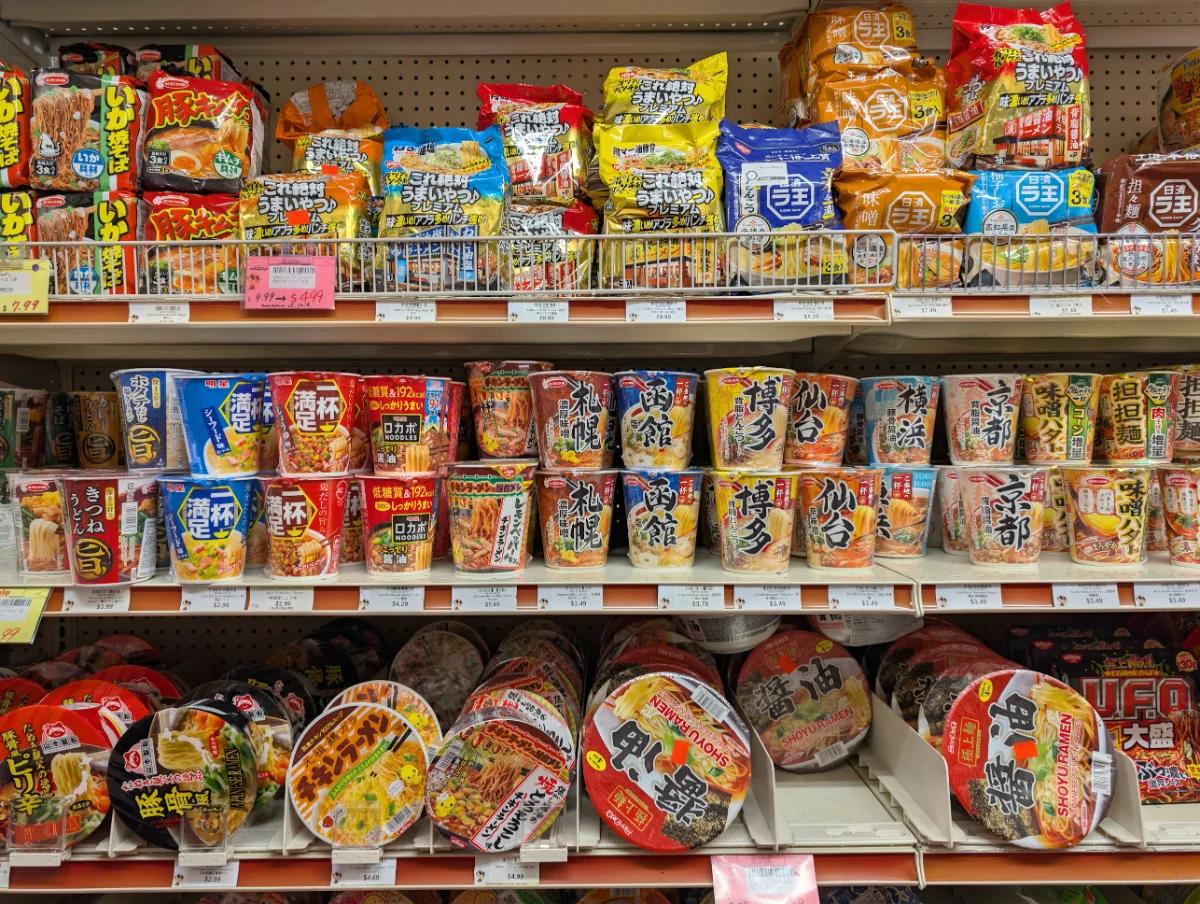
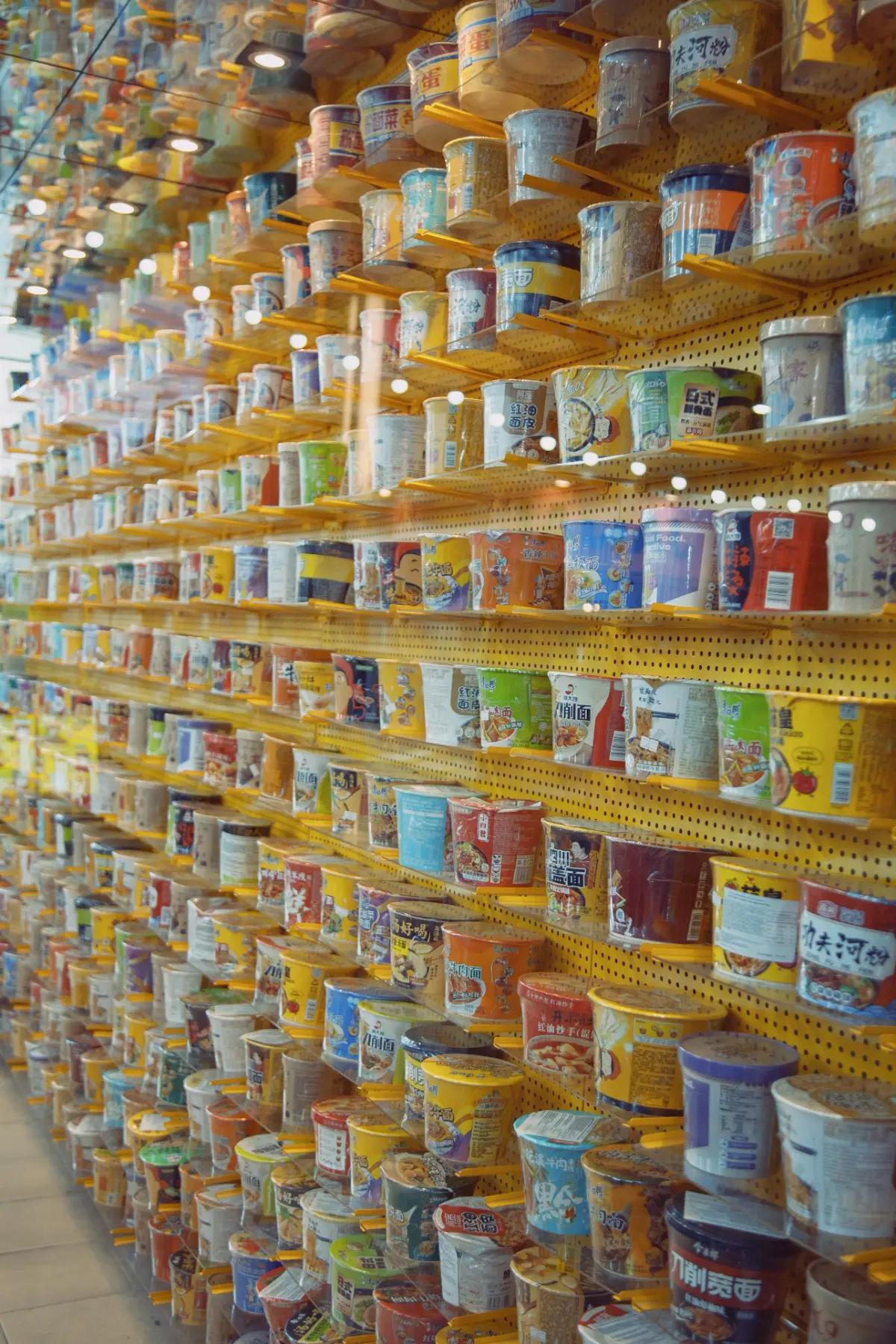
Asia is both the world''s largest food consumer and an increasingly dominant producer. China is the world''s largest food manufacturer by volume, with strengths in grain milling, edible oils, meat processing, instant noodles, and condiments (companies like COFCO, WH Group, Yili, Mengniu). India is a global leader in spices, rice, dairy (the world''s largest milk producer), and ready-to-eat ethnic foods. Southeast Asia (Thailand, Vietnam, Indonesia, Malaysia) dominates seafood processing, palm oil, rice, tropical fruits, and halal food manufacturing. Japan and South Korea lead in functional foods, premium condiments, and advanced food processing technology. The region''s growth is driven by urbanization, rising middle-class incomes, and rapid adoption of modern retail and e-commerce channels.
4. Latin America — The Agricultural Breadbasket
Brazil and Argentina are agricultural superpowers, particularly in soybean production, beef processing, poultry, sugar, coffee, and orange juice. Brazil is home to JBS, the world''s largest meat processor, and BRF, a global poultry giant. The region''s competitive advantages include vast arable land, favorable climate, and relatively low production costs. However, food manufacturing value-add remains lower than in developed markets, with much of the output exported as commodities rather than branded consumer products.
5. Middle East & Africa — Emerging Opportunities
The Middle East has become a major halal food manufacturing hub, with the UAE, Saudi Arabia, and Malaysia competing for leadership in the global halal market valued at over $2 trillion. Africa''s food manufacturing sector is growing rapidly, led by South Africa, Nigeria, and Kenya, though infrastructure gaps and supply chain inefficiencies remain significant challenges. The continent''s young population and urbanization create enormous long-term potential for both domestic manufacturing and foreign investment.
The Bottom Line
No single region dominates every food category. The most successful global food companies operate multi-regional production and sourcing strategies, combining North American and European technology and quality systems with Asian and Latin American cost advantages and market growth. Understanding these regional dynamics is essential for any buyer, investor, or industry professional navigating the global food landscape.