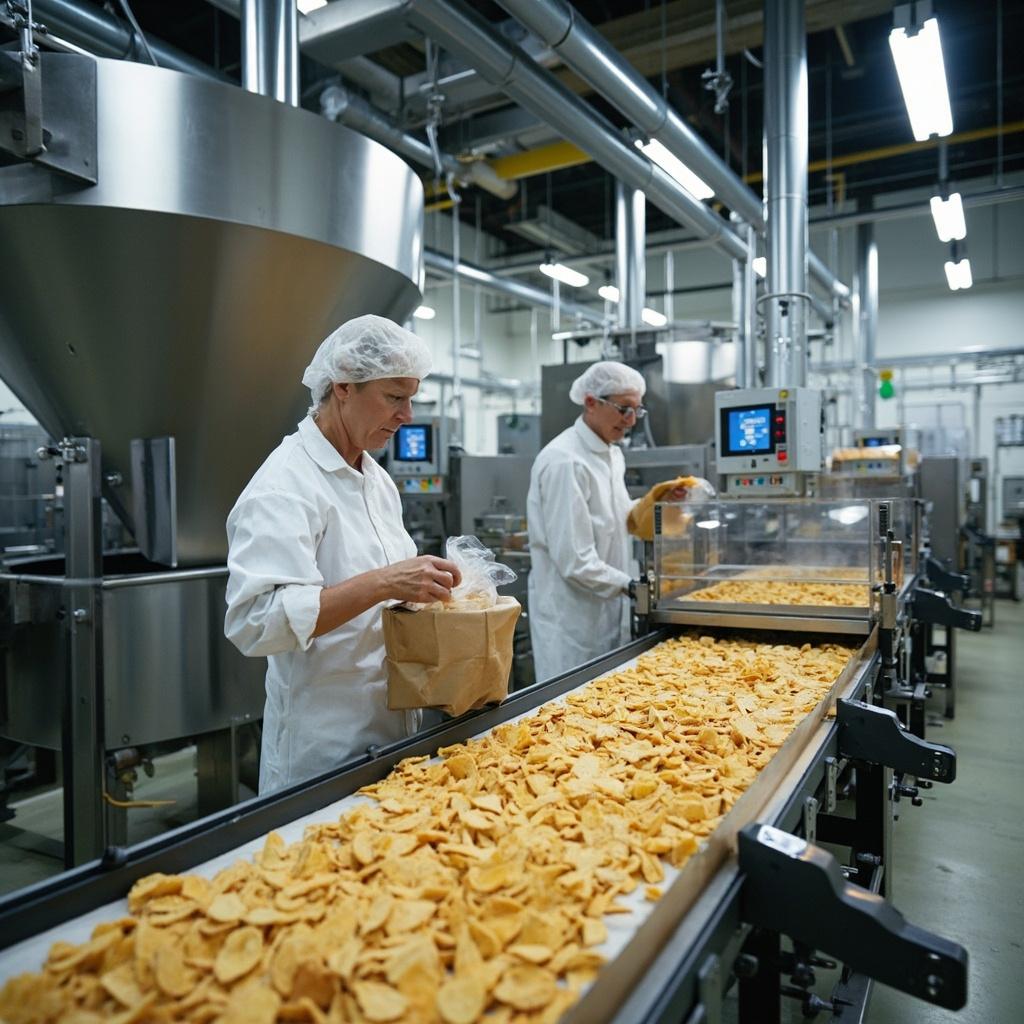
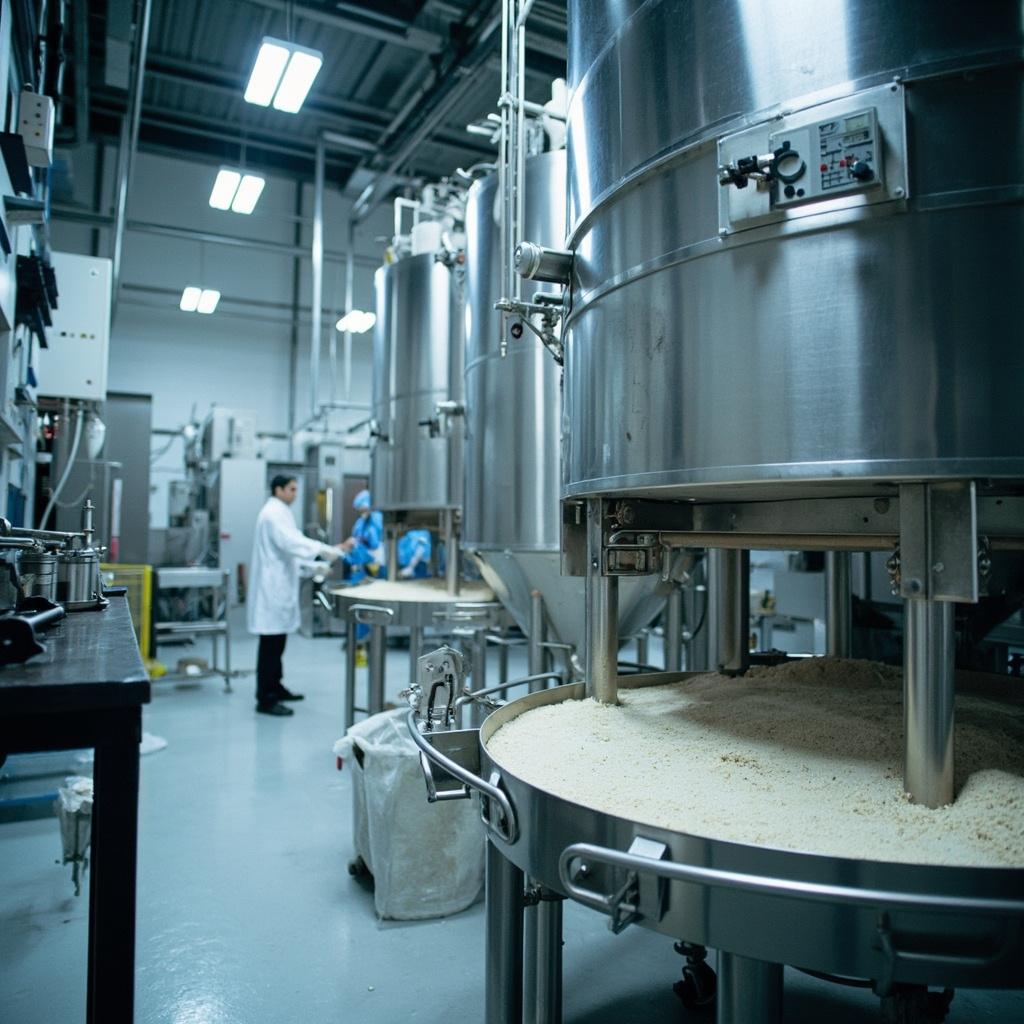
一般来说,你不是直接客户。工业食品原料的主要购买者是其他企业,即企业对企业(B2B)模式。这包括大型食品饮料制造商(如雀巢或可口可乐)、连锁餐厅、烘焙公司和饮料生产商。他们以吨或罐车为单位批量采购这些原料,用于生产你在超市、咖啡馆和餐厅看到的消费品。你是依赖这些原料的最终产品的终端消费者。
Generally, no, you are not the direct customer. The primary buyers of industrial food ingredients are other businesses, known as Business-to-Business (B2B). This includes major food and beverage manufacturers (like Nestlé or Coca-Cola), restaurant chains, bakery companies, and beverage producers. They purchase these ingredients in bulk—by the ton or tanker—to use as raw materials for creating the consumer products you find in supermarkets, cafes, and restaurants. You are the end-consumer of the final products that rely on these ingredients.
现代食品往往成分表复杂,这是因为消费者对特定品质有需求。我们想要低糖但依然甜、高蛋白、富含纤维、保质期长且口感完美的食品。为了在不牺牲口味和安全的前提下实现这些目标,食品科学家使用多种专业配料。这些包括天然甜味剂如甜菊糖、有益肠道健康的功能性纤维、植物蛋白以及作为增稠剂的清洁标签淀粉。因此,较长的成分表有时反映了迎合健康潮流的先进食品科学。
Modern food products often have complex ingredient lists due to consumer demand for specific qualities. We want food that's low in sugar but still sweet, high in protein, rich in fiber, long-lasting, and has a perfect texture. To achieve this without compromising taste or safety, food scientists use a variety of specialized ingredients. These can include natural sweeteners like stevia, functional fibers for gut health, plant-based proteins, and clean-label starches that act as thickeners. So, a longer list can sometimes reflect advanced food science catering to health and wellness trends.
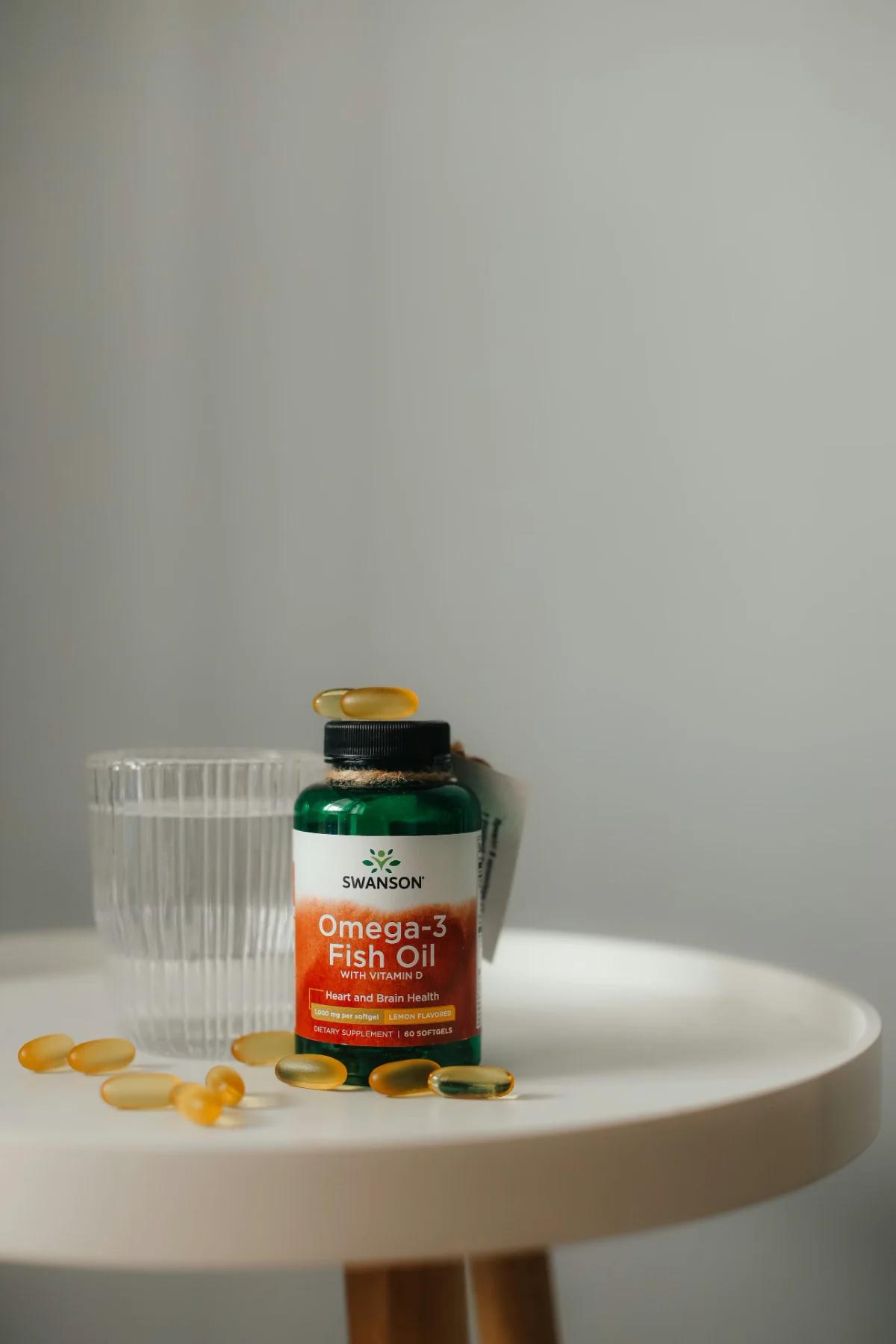
“超级食物”是一个营销术语,指那些富含抗氧化剂、维生素或矿物质的营养密集型食材。奇亚籽富含纤维和欧米伽-3脂肪酸,螺旋藻则富含蛋白质和微量营养素。它们无疑是均衡饮食中的健康补充。然而,没有哪种单一食物是完美健康的关键。真正的“超级”力量来自于多样化且均衡的饮食。最好将这些流行食材视为整体营养图景的一部分,而非灵丹妙药。
"Superfood" is a marketing term for foods, often nutrient-dense ingredients, that are rich in antioxidants, vitamins, or minerals. Chia seeds are high in fiber and omega-3s, while spirulina is packed with protein and micronutrients. They are undoubtedly healthy additions to a balanced diet. However, no single food holds the key to perfect health. The true "super" power comes from a varied and balanced diet. It's best to view these trendy ingredients as part of a larger nutritional picture, not as magic bullets.
一般来说,你不是直接客户。工业食品配料的主要买家是其他企业,即企业对企业(B2B)模式。这包括大型食品饮料制造商(如雀巢或可口可乐)、连锁餐厅、烘焙公司和饮料生产商。他们按吨或罐车批量购买这些配料,作为原材料来生产你在超市、咖啡馆和餐厅看到的消费品。你是依赖这些配料的最终产品的终端消费者。
Generally, no, you are not the direct customer. The primary buyers of industrial food ingredients are other businesses, known as Business-to-Business (B2B). This includes major food and beverage manufacturers (like Nestlé or Coca-Cola), restaurant chains, bakery companies, and beverage producers. They purchase these ingredients in bulk—by the ton or tanker—to use as raw materials for creating the consumer products you find in supermarkets, cafes, and restaurants. You are the end-consumer of the final products that rely on these ingredients.
全球食品配料产业的地理分布格局独特,受原材料获取、制造传统、劳动力成本和市场 proximity 等因素影响。
1. 中国:产量最大的生产国——淀粉、甜味剂、味精、柠檬酸。
2. 美国:ADM、嘉吉、宜瑞安——玉米基配料和特种淀粉。
3. 欧洲:帝斯曼、凯瑞集团、奇华顿、森馨——香精、酶制剂、发酵剂、功能性配料。
4. 印度和东南亚:香料油树脂、天然色素和亲水胶体产量不断增长。
5. 巴西:糖、柠檬酸和大豆基配料的主要生产国。
战略启示:在食品配料行业成功采购需要了解区域专业化,并维持多元化的采购策略,以平衡成本���质量、交货时间和地缘政治风险。可持续性认证和供应链透明度正日益成为进入高端市场的先决条件。
The global food ingredients industry has a distinctive geographic footprint shaped by raw material access, manufacturing heritage, labor costs, and market proximity.
1. China: Largest producer by volume — starches, sweeteners, MSG, citric acid.
2. United States: ADM, Cargill, Ingredion — corn-based ingredients and specialty starches.
3. Europe: DSM, Kerry Group, Givaudan, Symrise — flavors, enzymes, cultures, functional ingredients.
4. India & Southeast Asia: Growing spice oleoresins, natural colors, and hydrocolloids production.
5. Brazil: Major producer of sugar, citric acid, and soy-based ingredients.
Strategic Implications: Successful procurement in the food ingredients industry requires understanding regional specialization and maintaining diversified sourcing strategies that balance cost, quality, lead time, and geopolitical risk. Sustainability certifications and supply chain transparency are increasingly becoming prerequisites for market access in premium segments.